Ancient Trash Heaps Reveal What Iron Age Elites Actually Ate at Their Ritual Feasts
The analysis of 5,000 animal remains from an Iron Age site in Spain reveals how ancient households managed livestock and communal dining 2,600 years ago.
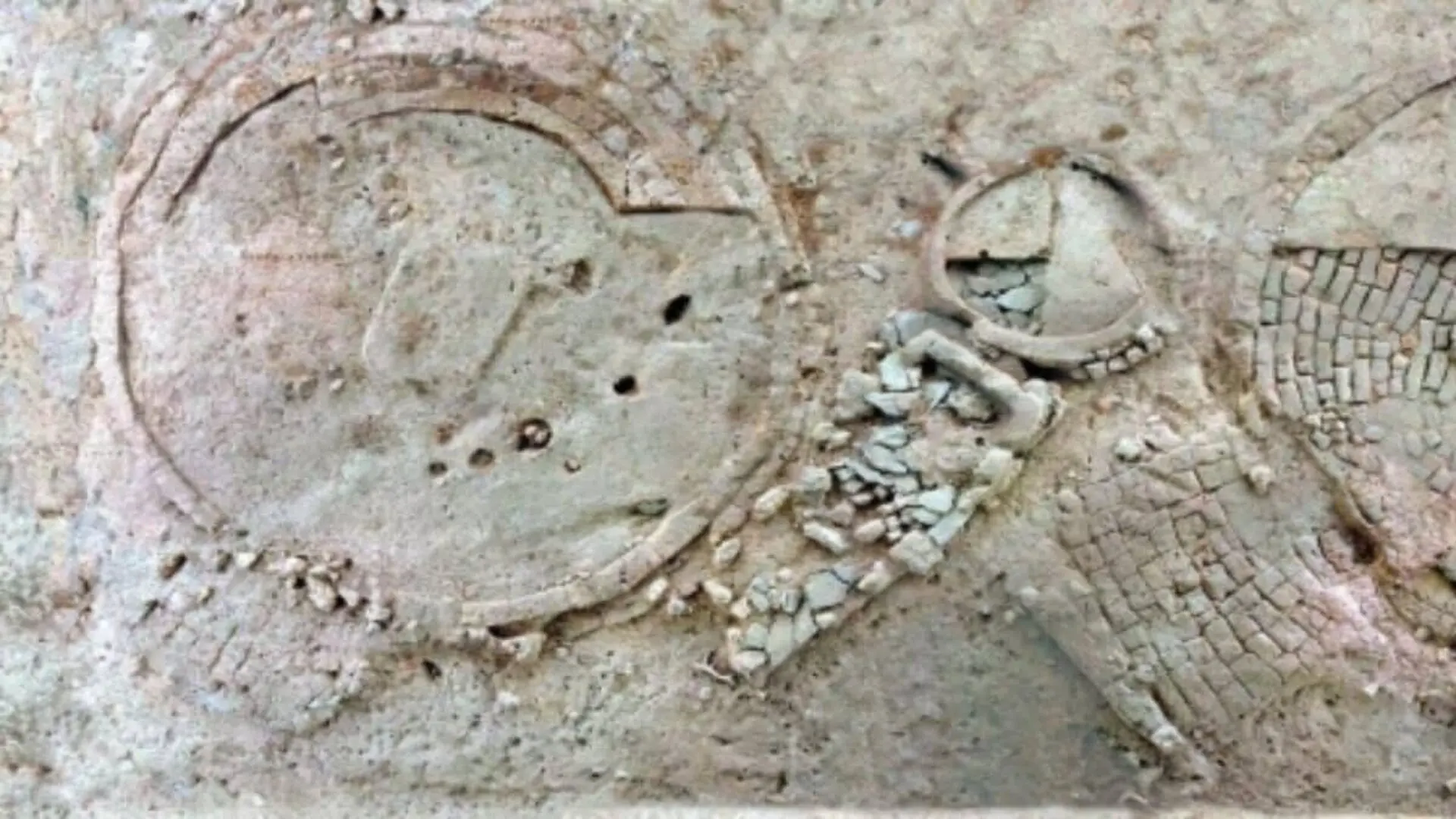
Archaeological excavations at the ancient settlement of Cerro de San Vicente, overlooking the Tormes River, have unveiled a sophisticated social landscape defined by the intersection of daily survival and ritualistic feasting. Occupied between 900 and 500 BCE, the site served as a hub for an elite extended household that managed both domestic labor and high-status ceremonial life.
A recent study analyzing over 5,000 faunal remains from a 600-square-meter residential compound provides a rare window into the Iron Age diet. Researchers identified a distinct separation between routine sustenance and the specialized consumption practiced within buildings identified as domestic sanctuaries, specifically Buildings 3 and 7, and a primary residence designated as House 1.
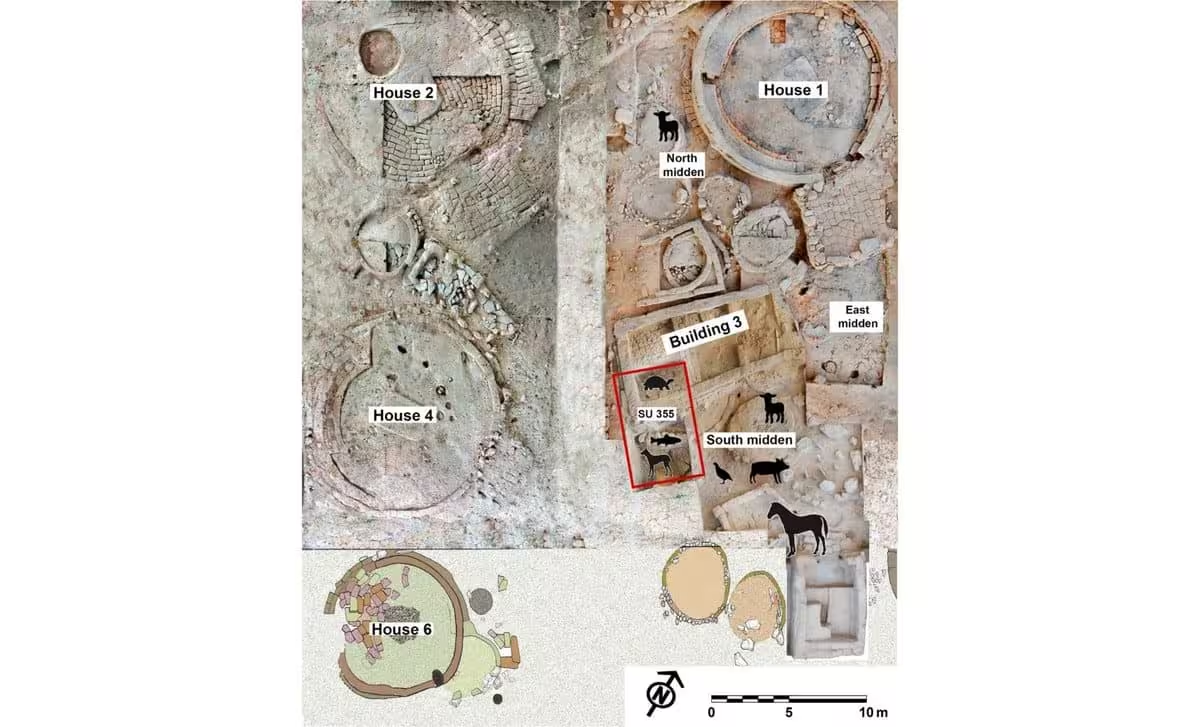
Livestock Management and Routine Consumption
The daily diet of the settlement’s inhabitants relied heavily on sheep and goats, which comprised 43.5% of the total animal remains. Cattle accounted for 21.1%, while pigs made up 15.5%. Interestingly, wild game—primarily red deer—contributed a significant 12%, suggesting that hunting remained a vital supplement to agricultural output.
Livestock management at Cerro de San Vicente appears to have prioritized longevity over immediate slaughter. Most sheep and cattle were kept well into adulthood, with evidence suggesting that sheep were valued for wool production, goats for milk, and cattle for their labor. Skeletal analysis of the cattle revealed thickening at the distal ends of metapodials and stress-related alterations in the phalanges, clear markers of long-term use as draft animals for plowing or transport.
Ritual Feasting and Elite Signaling
While mature animals fueled the daily economy, a different pattern emerged around the site’s cultic spaces. Younger animals—specifically juvenile sheep, goats, and pigs—were disproportionately concentrated near the internal sanctuaries. This spatial distribution points to communal feasting, where the consumption of prime meat served as a marker of prosperity and social status.
The presence of exotic goods from the Phoenician and eastern Mediterranean worlds, recovered alongside these food remains, reinforces the theory that the compound’s residents were an affluent family group who utilized ritual dining to solidify their social standing. This was further bolstered by the presence of horses, which were tied to status and elite identity throughout the Iron Age. Excavators discovered horse mandible deposits at building entrances and utilized red deer antler bits, indicating that these animals were central to the household’s prestige.
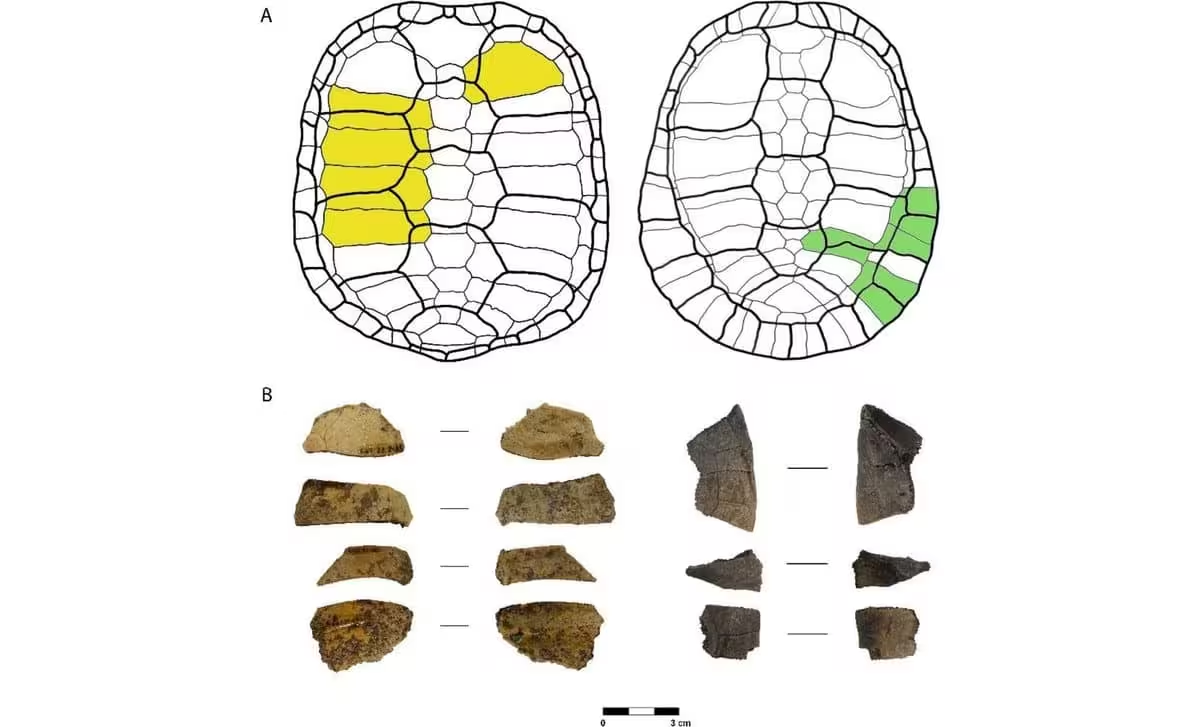
Unusual species also played a role in these ceremonial events. Fragments of burned freshwater turtle shells, identified as Emys orbicularis and Mauremys leprosa, were found exclusively in contexts linked to early ritual activities. These findings suggest that for the people of Cerro de San Vicente, the act of eating was not merely a biological necessity, but a complex performance of hierarchy, community, and tradition.
This article has been fact checked for accuracy, with information verified against reputable sources. Learn more about us and our editorial process.
Last reviewed on .
Article history
- Latest version
Reference(s)
- Pazos-García, Rocío., et al. “Archaeofauna from an Early Iron Age (900 − 500 BCE) village in Central Iberia: the role of meat consumption and secondary products in an extended household at Cerro de San Vicente (Salamanca, Spain).” Archaeological and Anthropological Sciences, vol. 18, no. 8, July 30, 2026 Springer Science and Business Media LLC, doi: 10.1007/s12520-026-02537-y. <https://link.springer.com/article/10.1007/s12520-026-02537-y>.
- Posted by Hassan Raza