Fossil Analysis Reveals Ancient Human Ancestors Had A Movement Style With No Modern Equivalent
New research analyzing fossilized limb bones reveals a crucial turning point in when and how our ancient ancestors first committed to walking on two legs.
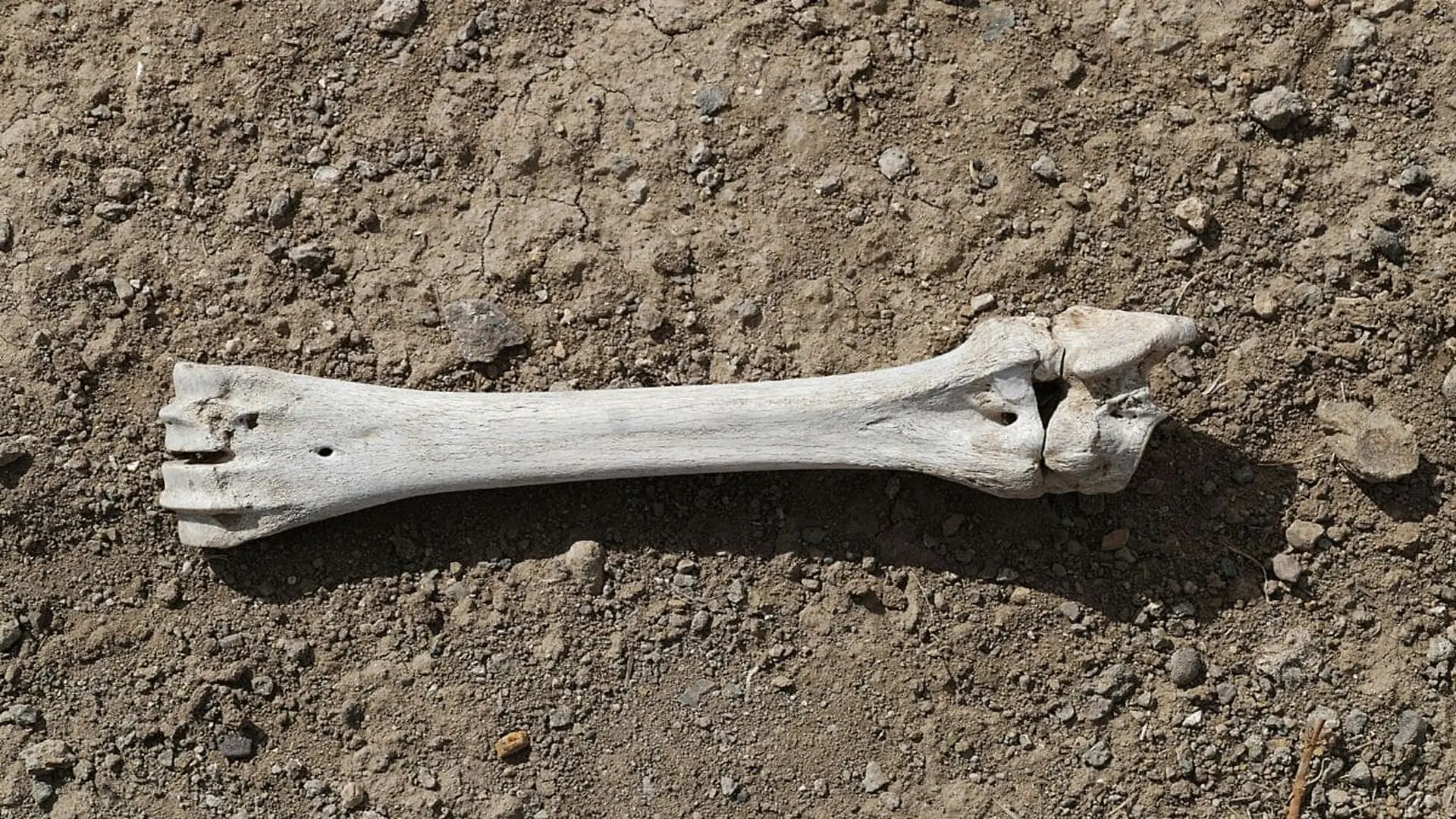
New evidence derived from the analysis of fossilized limb bones indicates that our early ancestors, the Australopithecus, navigated their environment with a unique combination of tree-dwelling habits and a bipedal gait remarkably similar to that of modern humans. The study, conducted by researchers at the Keck School of Medicine of USC, identifies a clear evolutionary boundary between Australopithecus and the emergence of the Homo genus, highlighting a significant transition in locomotive behavior.
Bipedalism remains a defining characteristic that separates humans from other primates. While Australopithecus lived between 2 million and 4 million years ago, their ability to walk upright did not necessitate a total abandonment of arboreal life. This latest research, published in Science Advances, addresses the long-debated timeline of when hominids fully transitioned from dual-environment movement to a life spent almost exclusively on the ground. By examining fossils from seven individuals dating between 1.5 million and 3.7 million years old, the team sought to map this behavioral shift.
Decoding Biological History Through Bone Structure
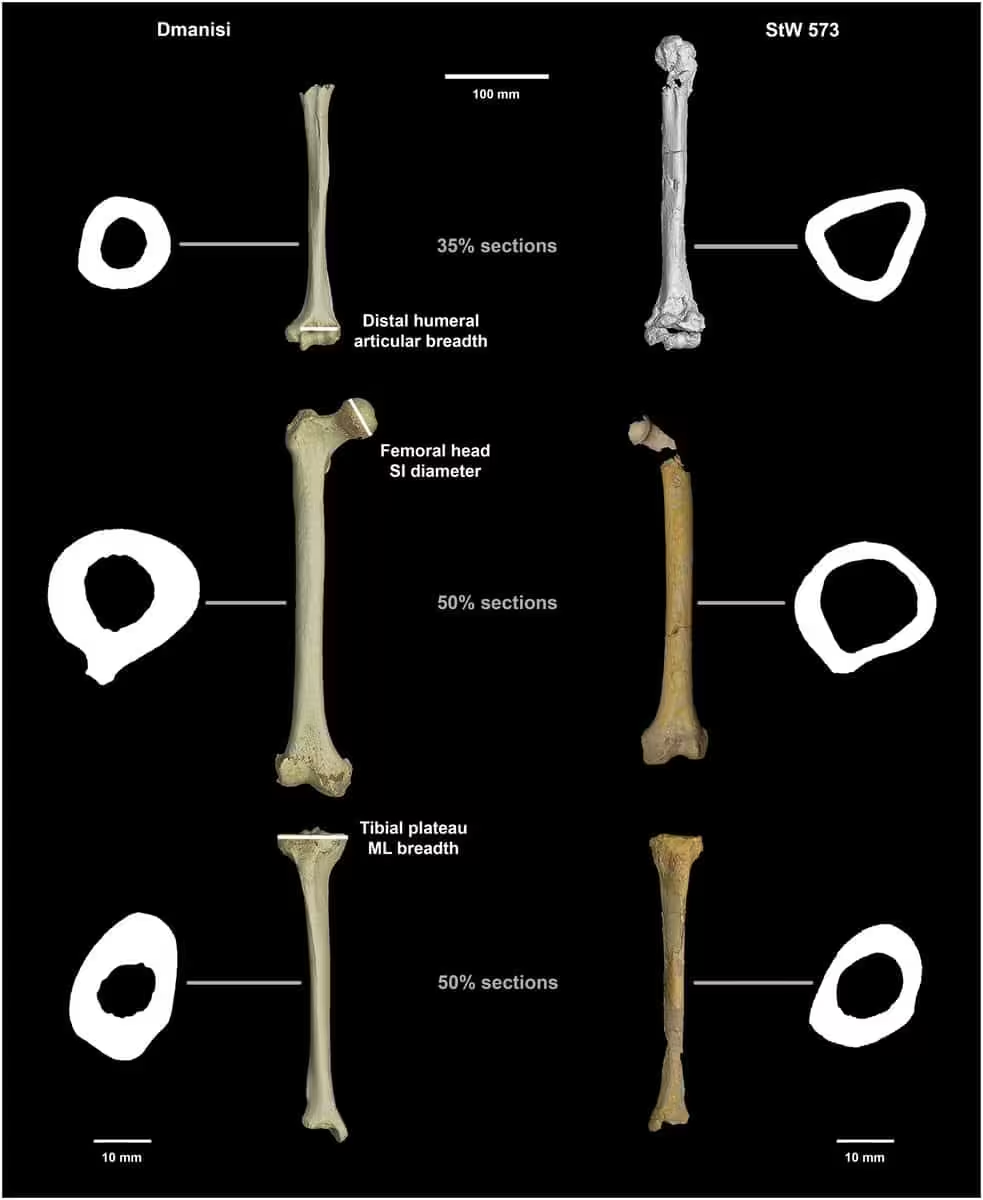
Bone tissue is dynamic, adapting its density and structure in response to the mechanical stresses an individual places upon it. Because creatures that spend time in trees typically develop more robust upper-body bones, while species dedicated to terrestrial walking develop stronger femurs, these anatomical variations serve as a biological record of an individual’s lifestyle. Researchers utilized high-resolution computed tomography (CT) scans to analyze the internal architecture of arm, thigh, and shin bones, measuring their resistance to bending and torsional forces.
Evidence of an Evolutionary Threshold
The findings reveal a distinct divide in locomotion. Early Homo specimens, dating from approximately 1.8 million to 2.3 million years ago, display a skeletal profile analogous to modern humans, with thigh bones significantly stronger than arm bones. This supports the consensus that a major behavioral shift occurred by roughly 2 million years ago.
Kristian J. Carlson, the lead author of the study and a professor at the Keck School of Medicine, suggests that relative limb strength serves as a “threshold trait” that marks a fundamental divergence in the lifestyles of Australopithecus and Homo.
“We’re proposing that relative limb strength is a ‘threshold trait’—a difference that marks an important and fundamental shift in behavior between Australopithecus and Homo,” he said.
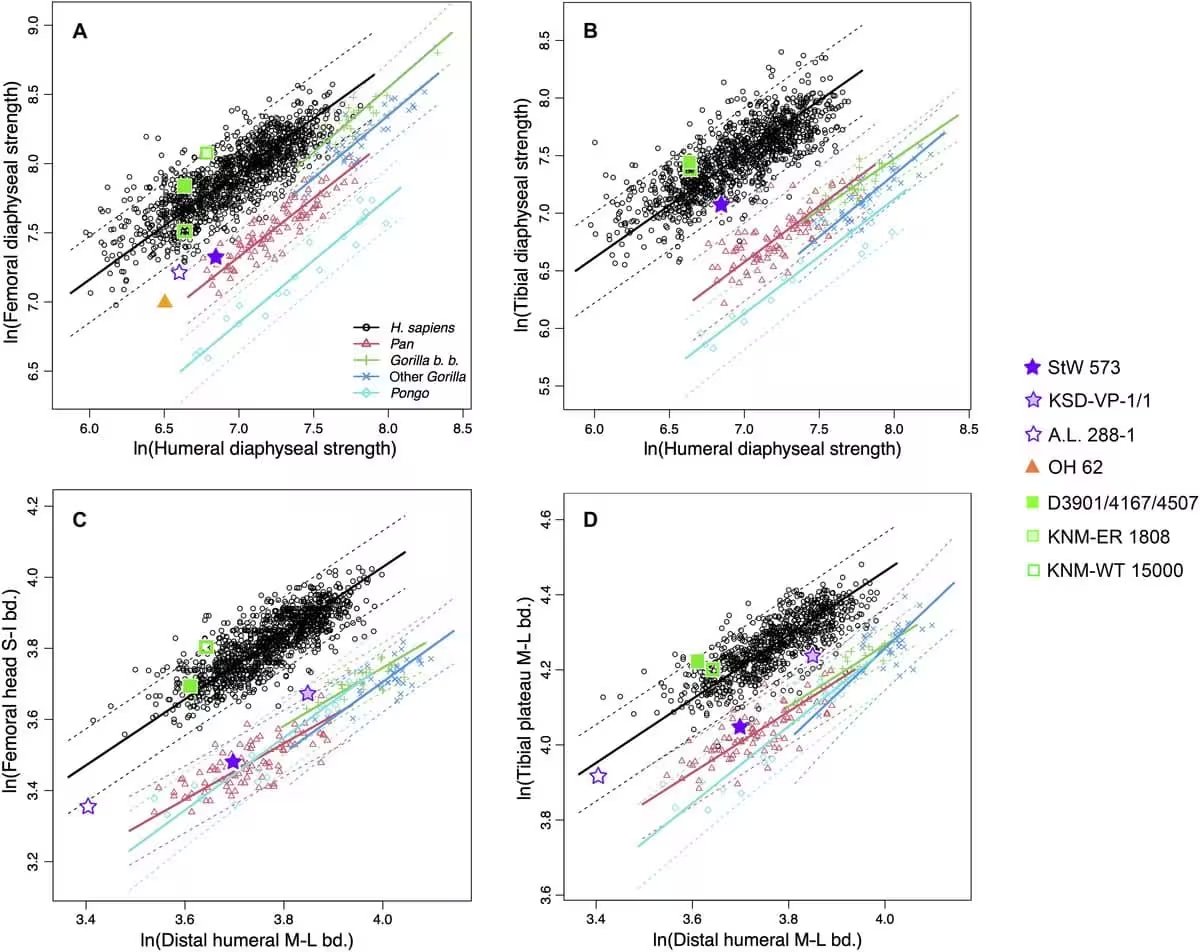
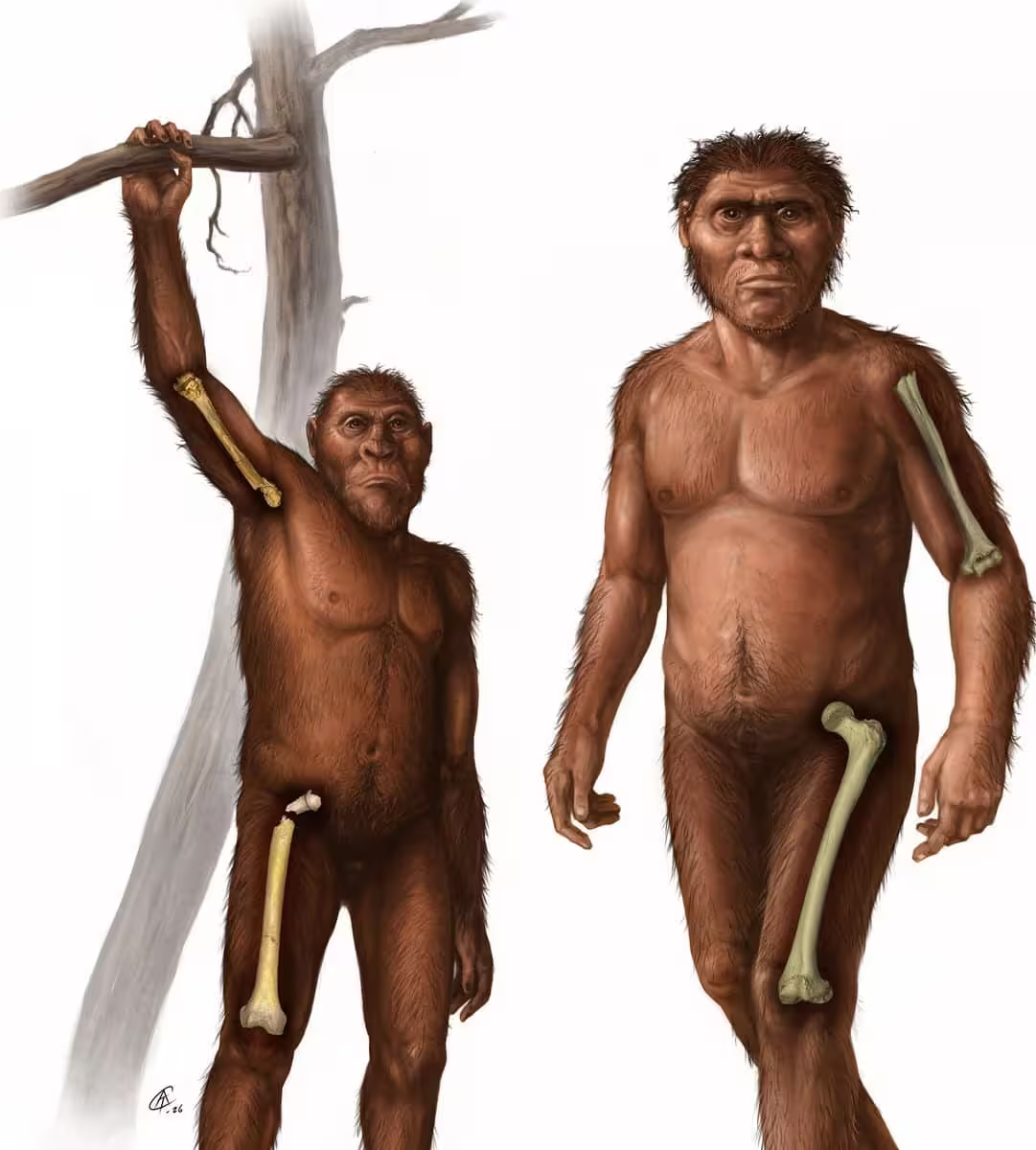
Conversely, Australopithecus possessed upper limbs that remained robust—a feature common to modern apes—while their lower limbs followed a human-like pattern of strength. This suggests a unique hybrid movement strategy that no living primate replicates, reinforcing the conclusion that tree-based activity remained a critical aspect of their daily existence.
“Australopithecus combined an ape-like upper limb strength with a human-like pattern in the legs, suggesting they had a unique movement strategy that has no modern comparison,” explained Carlson.
The Connection Between Mobility and Brain Growth
This timeline of shifting locomotive patterns coincides with a period of rapid brain expansion in human ancestors. While theories regarding the drivers of this brain growth often focus on language, social complexity, or dietary changes, the research team posits that the transition to terrestrial walking may have played a previously overlooked role.
The researchers speculate that the increased physical demands of navigating greater distances on the ground could have exerted evolutionary pressure on both the body and the brain, potentially explaining why these major anatomical shifts occurred in tandem.
“We speculate that the shift toward more walking may have placed new demands on the body and brain, which could help explain why these changes happened around the same time.”
This article has been fact checked for accuracy, with information verified against reputable sources. Learn more about us and our editorial process.
Last reviewed on .
Article history
- Latest version
Cite this page:
- Posted by Hassan Raza