Scientists Discover Bizarre Orange Crocodiles Living Deep Underground In Gabon Caves
Isolated in a dark Gabonese cave system, a unique population of crocodiles has evolved in complete darkness, leaving researchers stunned by their changes.
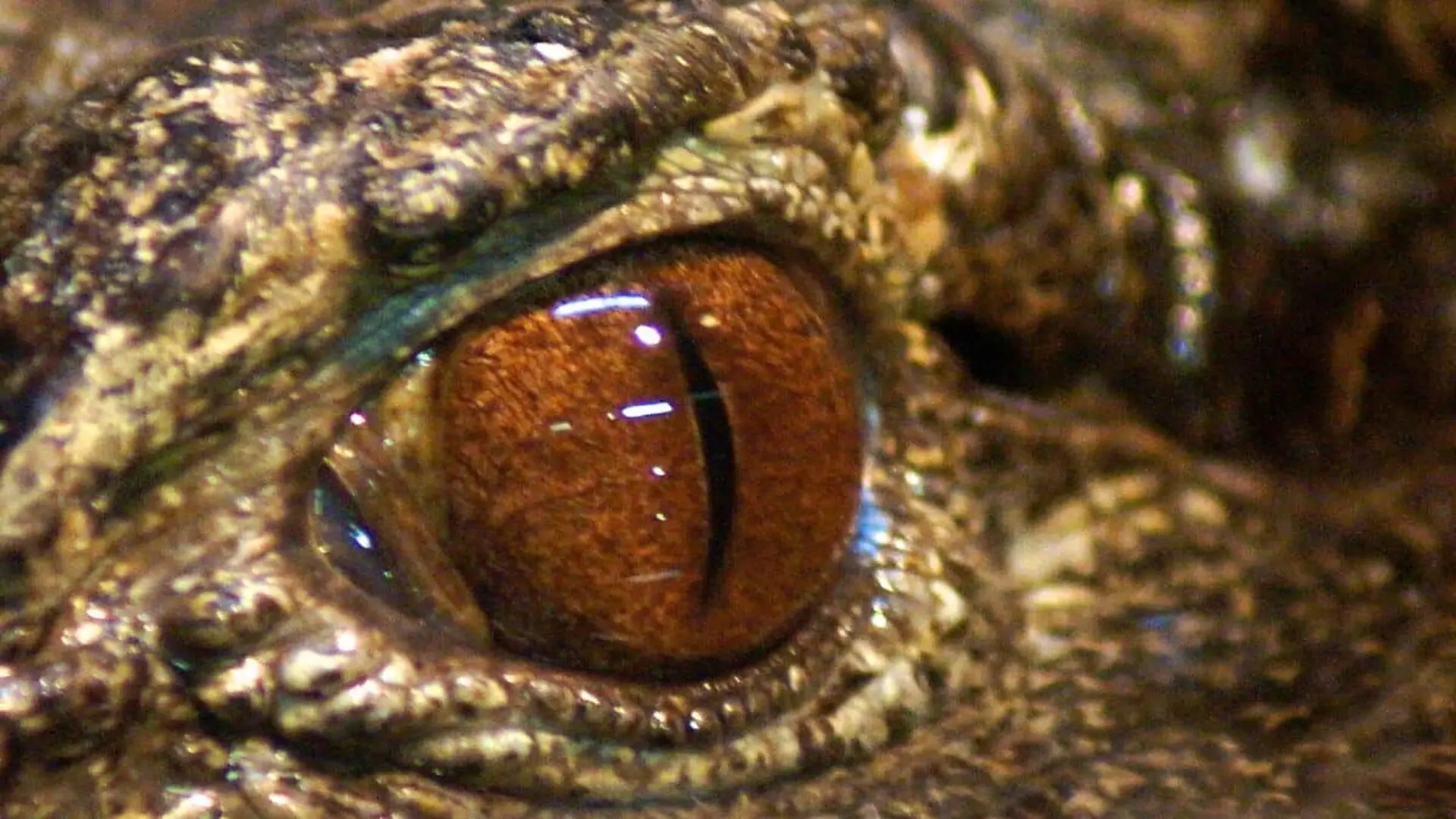
Deep within the subterranean labyrinth of Gabon’s Abanda Caves, a population of dwarf crocodiles has adapted to a life of perpetual darkness. These reptiles, which represent one of the world’s smallest crocodile species, have evolved a lifestyle drastically different from their surface-dwelling counterparts, spending decades surrounded by swarms of bats and vast accumulations of guano. In some mature males, this extreme environment has resulted in a striking physical transformation, causing their skin to turn a vibrant orange and thin to the point where the underlying skull structure is visible.
This unusual phenomenon is highlighted in the National Geographic series AFRICA: Earth’s Wild Home, which documents rarely observed wildlife behaviors across the continent. While African dwarf crocodiles are native to regions including Nigeria, Cameroon, and Gabon, the Abanda Cave dwellers are unique in their decision to colonize an underground habitat. Researchers suggest this evolutionary shift likely began approximately 3,000 years ago, providing ample time for the population to adapt to a life devoid of natural light.
An Underground Ecosystem of Opportunity
Although a cave filled with bat droppings might seem like an inhospitable environment, it offers specific advantages for the crocodiles. The caves provide consistent shelter and water, while the resident bats serve as a convenient food supply. During the chaotic daily migrations of the bat colonies, individuals often become disoriented or tangled, falling to the cave floor where they are quickly scavenged.
Conservation ecologist Matt Shirley, who served as a consultant for the production, notes that navigating these environments is no small feat. During an early expedition, he encountered a swarm of roughly 10,000 bats, a challenge that led the research team to conduct future surveys at night when the cave traffic had significantly decreased. Surprisingly, the crocodiles themselves proved to be relatively docile, with some smaller individuals displaying curious behavior toward researchers.
The Mystery Behind the Orange Pigmentation
The distinctive orange hue of the crocodiles was initially obscured by layers of guano, but upon inspection, it became clear that the animals’ skin had undergone a permanent color shift. While the exact mechanism remains a subject of ongoing study, Shirley proposes that long-term contact with the acidic environment of the cave is the most likely culprit.
“These animals have been in these cave systems for 10, 20, 30 years or more, and literally just sitting in bat guano the entire time,” he explained in an interview with IFLScience.
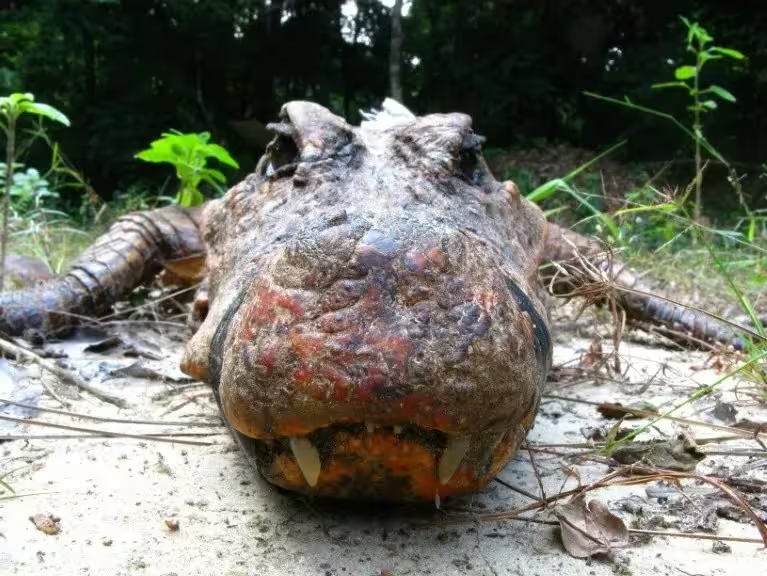
Because the pH levels of bat waste can fluctuate based on seasonal shifts and colony dynamics, the material is highly caustic. Shirley hypothesizes that the prevalence of the orange coloration among older males is a result of their prolonged exposure to this chemical environment, though he emphasizes that further evidence is required to confirm this theory.
Erosion and Skeletal Visibility
Beyond the color change, the physical toll of the cave environment is becoming increasingly apparent in the older population. Shirley has observed that the skin atop the heads of some individuals has eroded to the point where the underlying skeleton is visible, a phenomenon he attributes to the combined chemical and physical pressures of their habitat.
“If you look at the head, some of the skin has eroded so thin you can actually see the skeletal features underneath it,” he said.
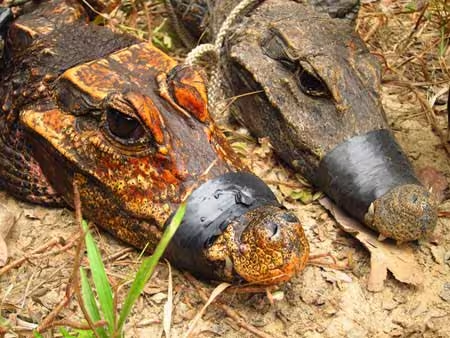
For the researchers, the discovery of these crocodiles was an unexpected development that challenged their understanding of the species. As Shirley recalled his initial reaction to seeing the vibrant, modified creatures, the significance of their isolation became clear: the Abanda cave crocodiles represent a truly unique and extreme case of environmental adaptation.
This article has been fact checked for accuracy, with information verified against reputable sources. Learn more about us and our editorial process.
Last reviewed on .
Article history
- Latest version
Reference(s)
- “Matt Shirley.” National Geographic Expeditions <https://www.nationalgeographic.com/expeditions/experts/matt-shirley/>.
- <https://www.iflscience.com/the-worlds-smallest-crocodile-lives-in-a-cave-with-orange-skin-so-thin-you-can-see-its-skeleton-life-in-africa-earths-wild-home-84810>.
Cite this page:
- Posted by Hassan Raza