Ancient Egypt’s First Female King Finally Identified After 5,000 Year Debate
Long before the pyramids, a mysterious female ruler commanded a powerful state. Discover the enduring debate over her identity and lavish royal tomb.
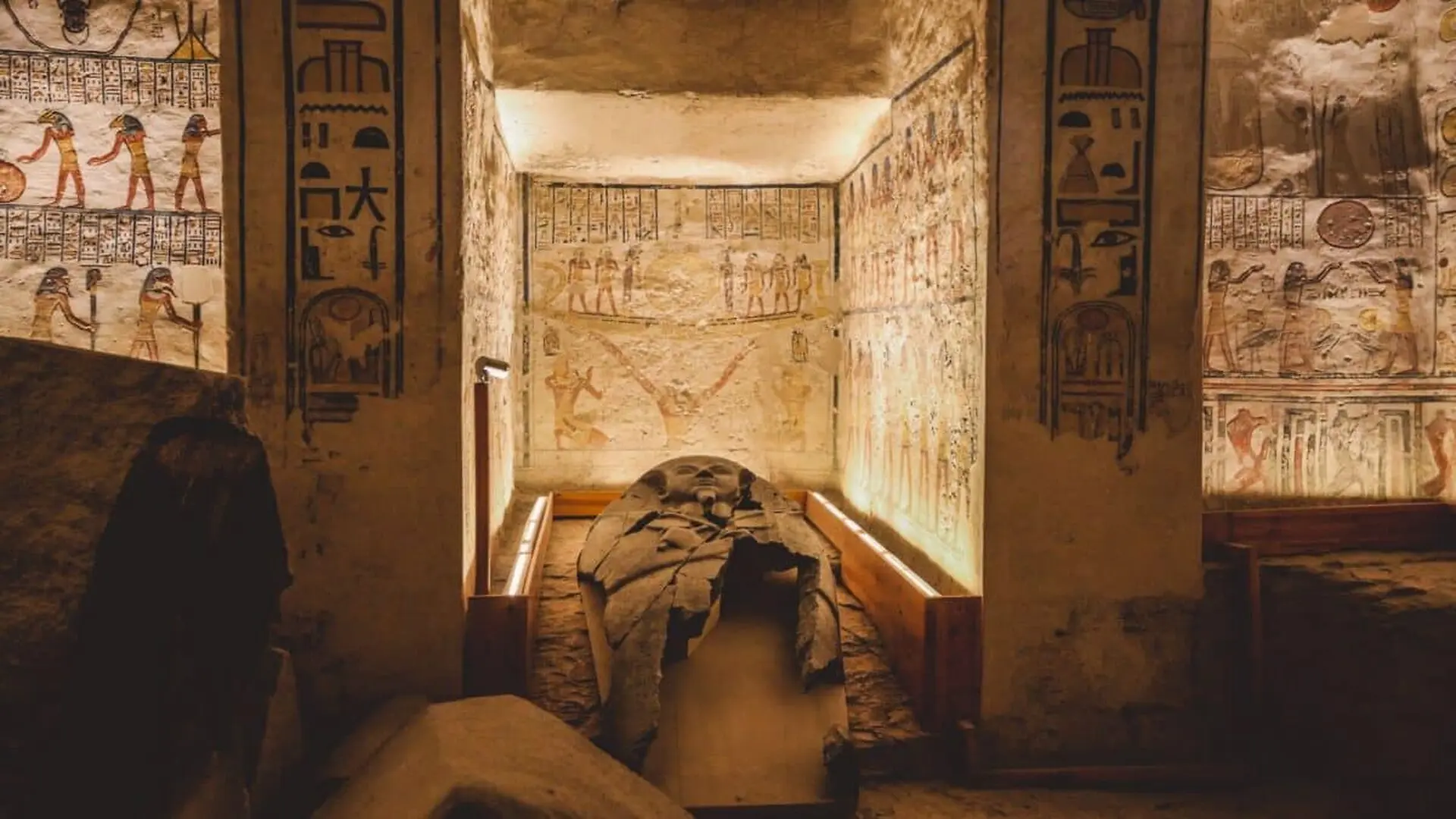
A fresh examination of century-old photographic evidence has resolved a long-standing historical debate surrounding Meretneith, a pivotal figure in the formation of the early Egyptian state. New research suggests that she held the status of a king rather than merely a high-ranking governor, potentially exercising authority over a span of roughly 30 years.
Long before the construction of the Great Pyramids, Egypt was an emerging power navigating its foundational era under the First Dynasty. Meretneith’s role during this period has remained a subject of scholarly contention for over 100 years, with many Egyptologists historically categorizing her as a regent or administrator. However, a modern re-evaluation of royal inscriptions provides compelling evidence for her sovereign status.
Historical Ambiguity and the Mystery of the Tomb
The title of Pharaoh was not introduced until the 12th Dynasty, approximately 3,300 years ago. In the era of the First Dynasty, which began over 5,000 years ago with rulers like Narmer, monarchs were simply referred to as kings. Meretneith, the daughter of the third First Dynasty king, Djer, was buried in a lavish tomb discovered in 1900 by the renowned archaeologist Flinders Petrie.
While Petrie initially suspected the burial belonged to a king due to its grandeur, the site lacked a serekh—a crucial hieroglyphic symbol used to identify royal monarchs—leading to decades of skepticism among researchers.
Digital Restoration Unlocks Lost Data
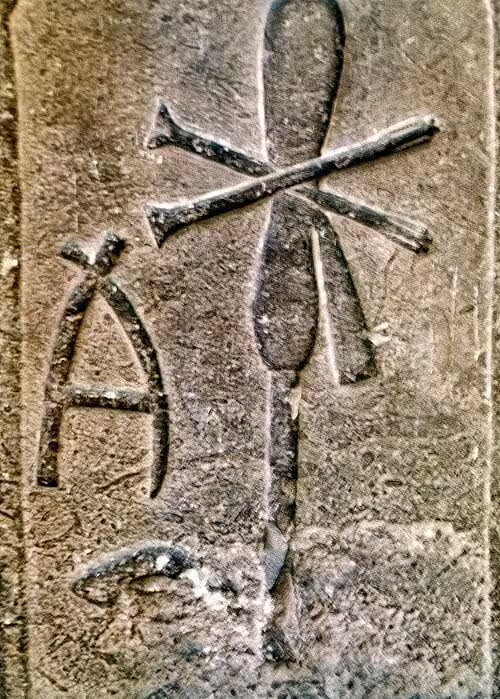
The academic landscape shifted in 1946 when archaeologist Walter Emery uncovered 13 seals at Saqqara featuring serekhs bearing both the names of Djer and Meretneith. Although Emery argued this confirmed her status, the physical seals were subsequently lost, and the existing monochrome photographs were too degraded for modern verification.
A new study published in the journal Prague Egyptological Studies addresses this gap by utilizing advanced digital image restoration. By clarifying the grain of the original negatives, researchers confirmed that the serekhs specifically included symbols denoting Meretneith, providing the necessary evidence to reclassify her position.
A Complex Political Career
The findings suggest Meretneith’s governance was multifaceted. Rather than a single, static reign, she appears to have operated in various capacities over three decades. Evidence from her son Den’s tomb, where she is described as a “regent king’s mother,” suggests she may have served as a stand-in ruler during his minority or even following his death. Her authority extended to the royal treasury, indicating a deep, sustained involvement in state administration.
“Undoubtedly, the rulers of ancient Egypt were predominantly male, but evidence suggests that a royal woman was the preferred interim ruler under prescribed circumstances or during a crisis in the state,” the researchers noted.
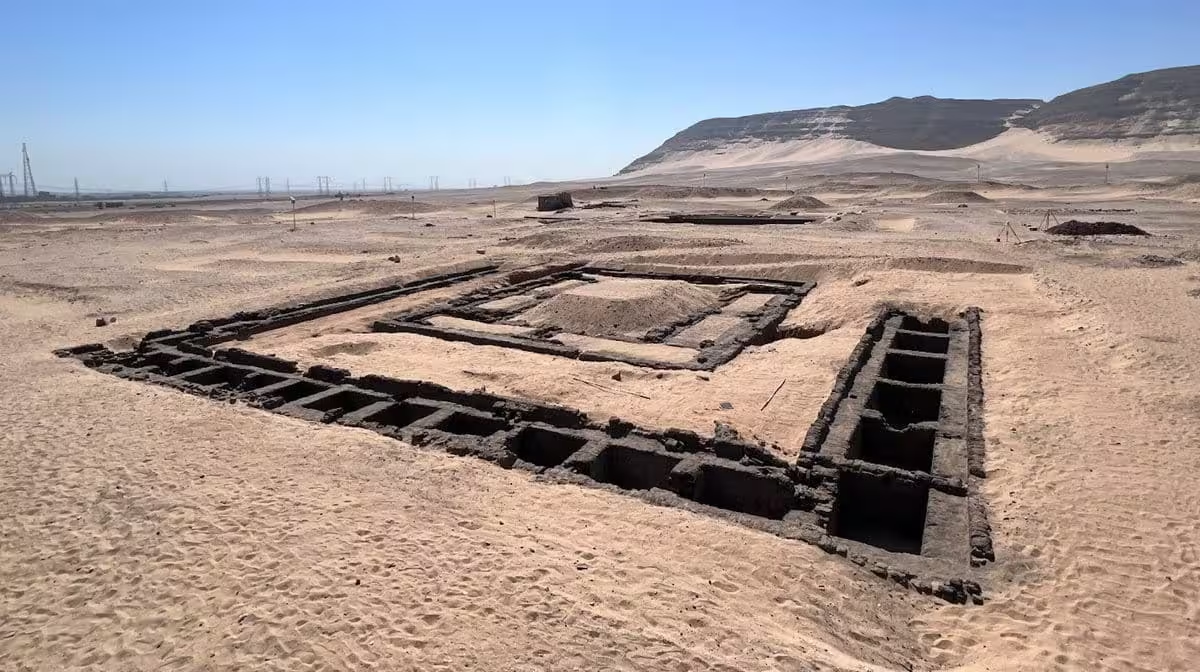
The study concludes that Meretneith likely navigated different political roles throughout her life, eventually being interred in a royal tomb that mirrored those of her male counterparts. This final resting place, consistent with that of a sovereign, reinforces the conclusion that her influence on the early Egyptian state was both formal and enduring.
This article has been fact checked for accuracy, with information verified against reputable sources. Learn more about us and our editorial process.
Last reviewed on .
Article history
- Latest version
Reference(s)
- <https://www.britannica.com/biography/Flinders-Petrie>.
- “Walter Bryan Emery and the history of Egyptology | Antiquity Journal.” <https://www.antiquity.ac.uk/projgall/carruthers321>.
- <https://pes.ff.cuni.cz/cz/magazin/2026-36/>.
Cite this page:
- Posted by Zara Tariq