Archaeologists Unearth 4,300 Year Old Tomb of Ancient Egypts Keeper of Royal Secrets
Archaeologists have unearthed the tomb of an ancient Egyptian official known as the keeper of the secrets of royal decrees, revealing a mysterious new find.
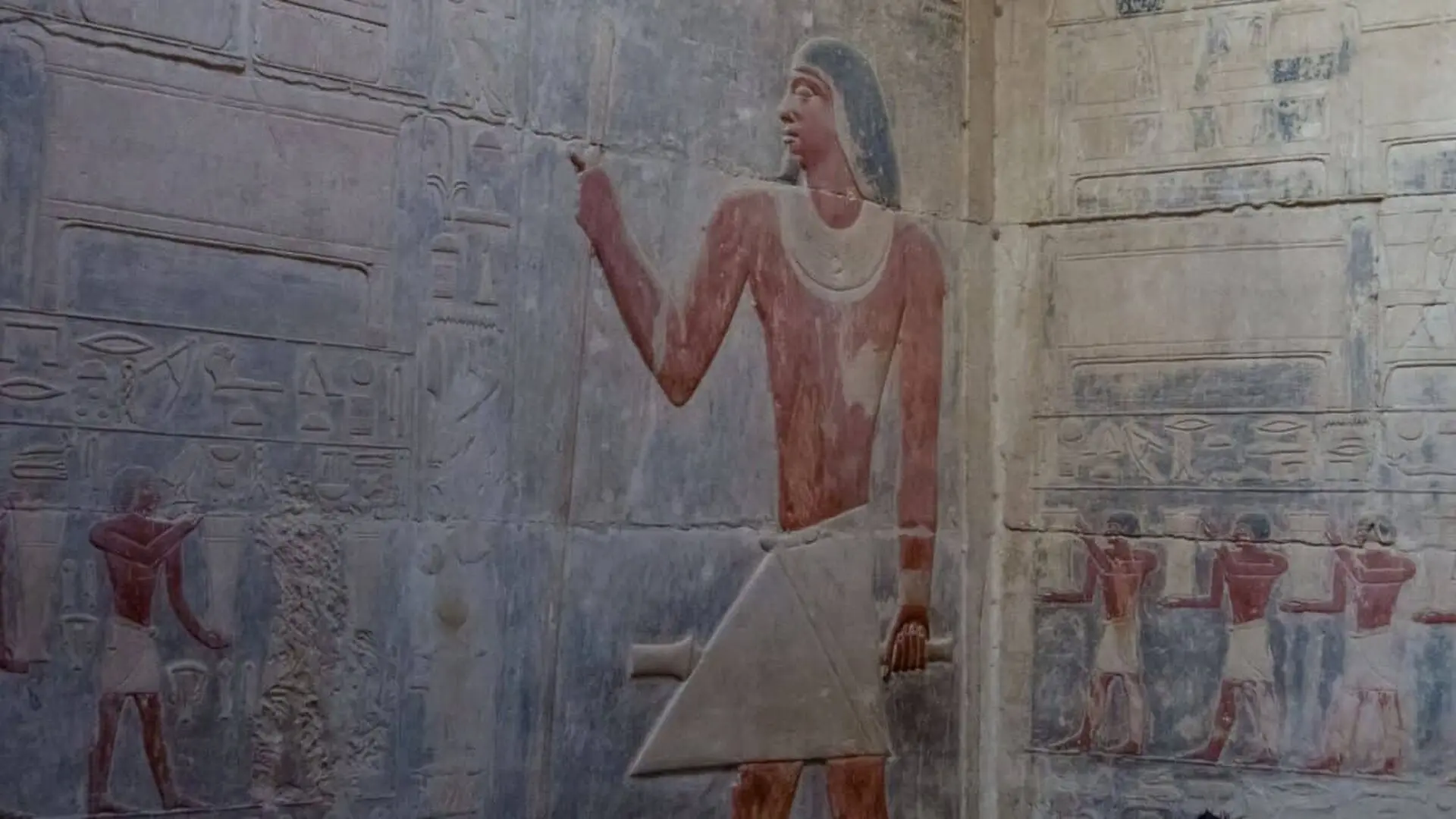
Archaeologists working in the Saqqara necropolis, located south of Cairo, have unearthed the tomb of a high-ranking official from Egypt’s Old Kingdom. The burial belonged to Sekhentio-Ptah, a figure of significant administrative importance who lived between 2649 and 2150 B.C., a period defined by the rapid expansion of the Egyptian state and the construction of its most iconic pyramids.
Inscriptions within the tomb identify Sekhentio-Ptah with several prestigious titles, including “Overseer of all the King’s Works” and “Overseer of Royal Documents.” These roles suggest that he was responsible for managing sensitive government records and overseeing the scribal teams that facilitated the pharaoh’s grand construction projects. While the title “Keeper of Secrets” might sound like a modern thriller, experts suggest it was a literal, professional designation for someone tasked with handling classified royal paperwork.
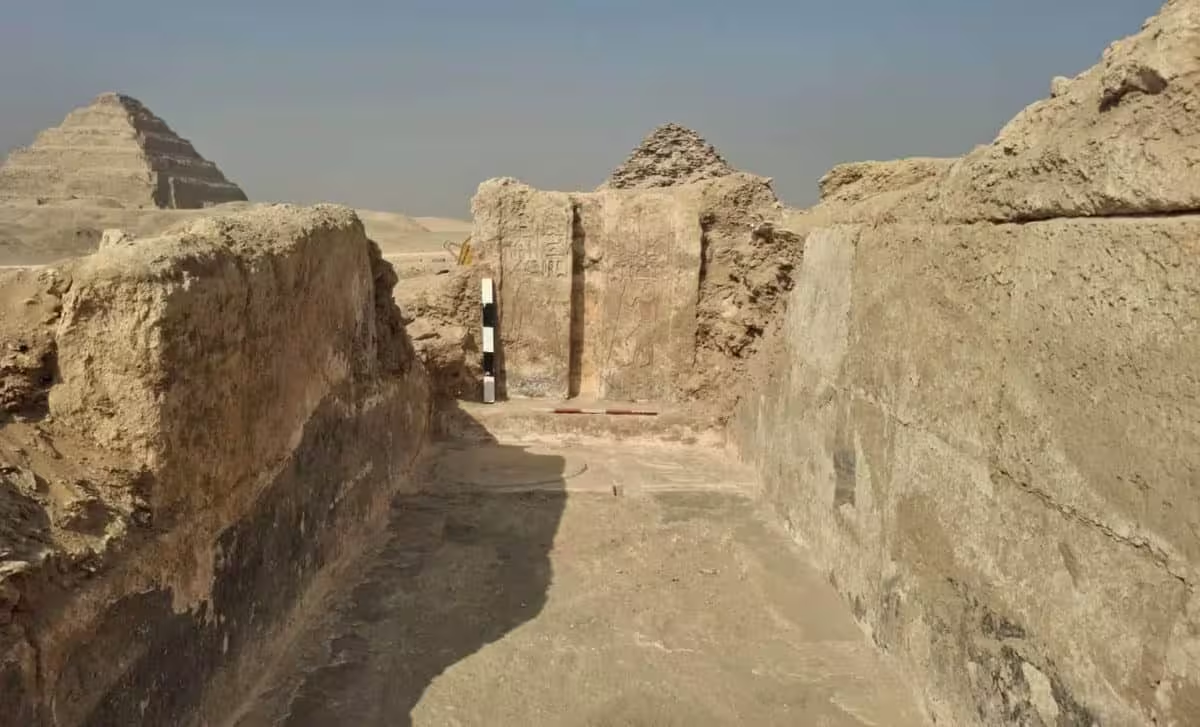
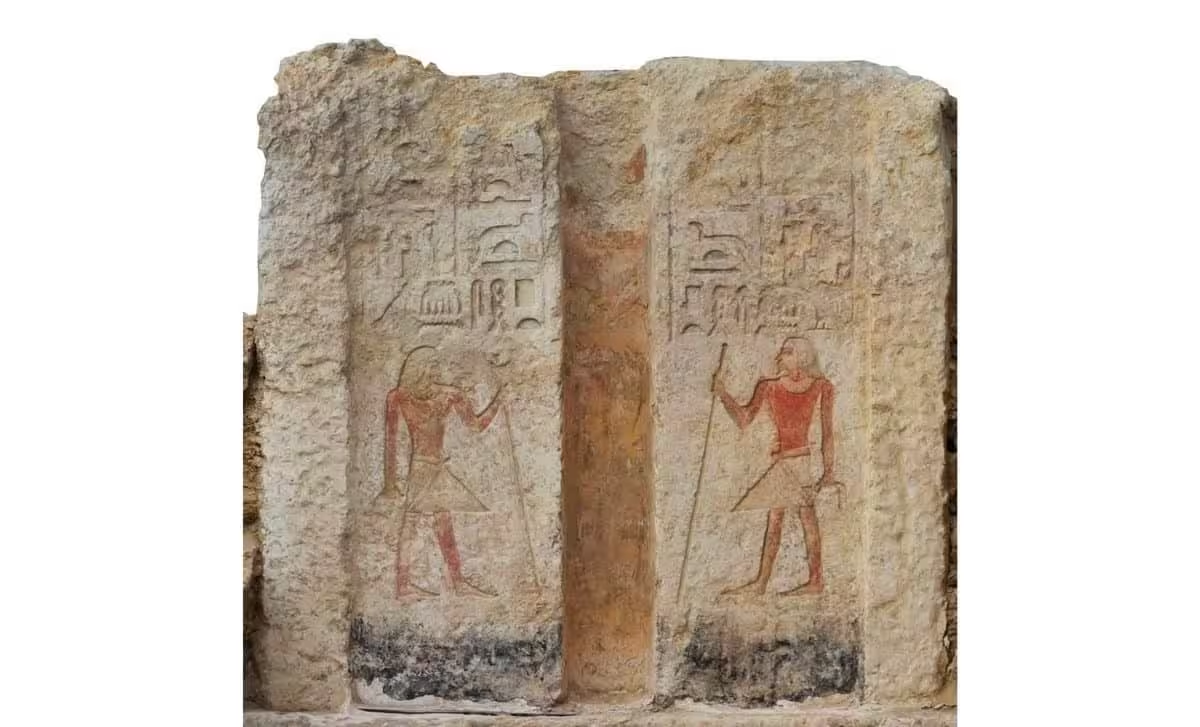
Ann Macy Roth, an Egyptology professor at New York University who was not part of the excavation team, explained to Live Science that the official’s primary responsibilities likely centered on managing confidential records. The tomb’s internal features, such as an offering table, a purification basin, and two false doors—structures believed to allow the deceased’s spirit to pass between worlds—point to a construction date around 4,350 years ago, likely spanning the late Fifth or early Sixth Dynasty.
Layered History and Later Burials
The site serves as a window into the long, continuous use of the Saqqara necropolis. Evidence found within the chamber indicates that the tomb was repurposed by later generations. Among the artifacts discovered are over 100 shabtis—small figurines intended to serve the deceased in the afterlife—a wooden falcon statue associated with the god Horus, and various cartonnage fragments used for mummification. While these objects reflect the funerary traditions of the period, the original mummy of Sekhentio-Ptah remains unidentified.
The tomb is situated in the Bubasteion sector of Saqqara, a region famed for its association with the goddess Bastet and its intensive use as a burial ground during Egypt’s Late Period. Researchers note that while this specific sector became a hub for feline burials in later centuries, this particular find highlights the bureaucratic backbone that supported the Egyptian civilization at its zenith. Discoveries like this shift the focus from the pharaohs toward the essential administrative officials whose daily work sustained the kingdom’s structures and sustained the ancient state.
This article has been fact checked for accuracy, with information verified against reputable sources. Learn more about us and our editorial process.
Last reviewed on .
Article history
- Latest version
Reference(s)
- <https://as.nyu.edu/faculty/ann-macy-roth.html?challenge=d06e90d7-4d8f-4b88-9d8c-10b73beb60f1>.
- Jarus, Owen. “Ancient Egyptian tomb holding the king's 'keeper of secrets' unearthed at Saqqara.”, September 6, 2026 Live Science <https://www.livescience.com/archaeology/ancient-egyptians/ancient-egyptian-tomb-holding-the-kings-keeper-of-secrets-unearthed-at-saqqara>.
Cite this page:
- Posted by Vikram Desai