Archaeologists Racing To Prevent Floods Stumble Upon A 3000 Year Old Egyptian Tomb
Archaeologists near Luxor discovered a sealed 3,000-year-old tomb while installing flood defenses, revealing a remarkable, untouched historical treasure.
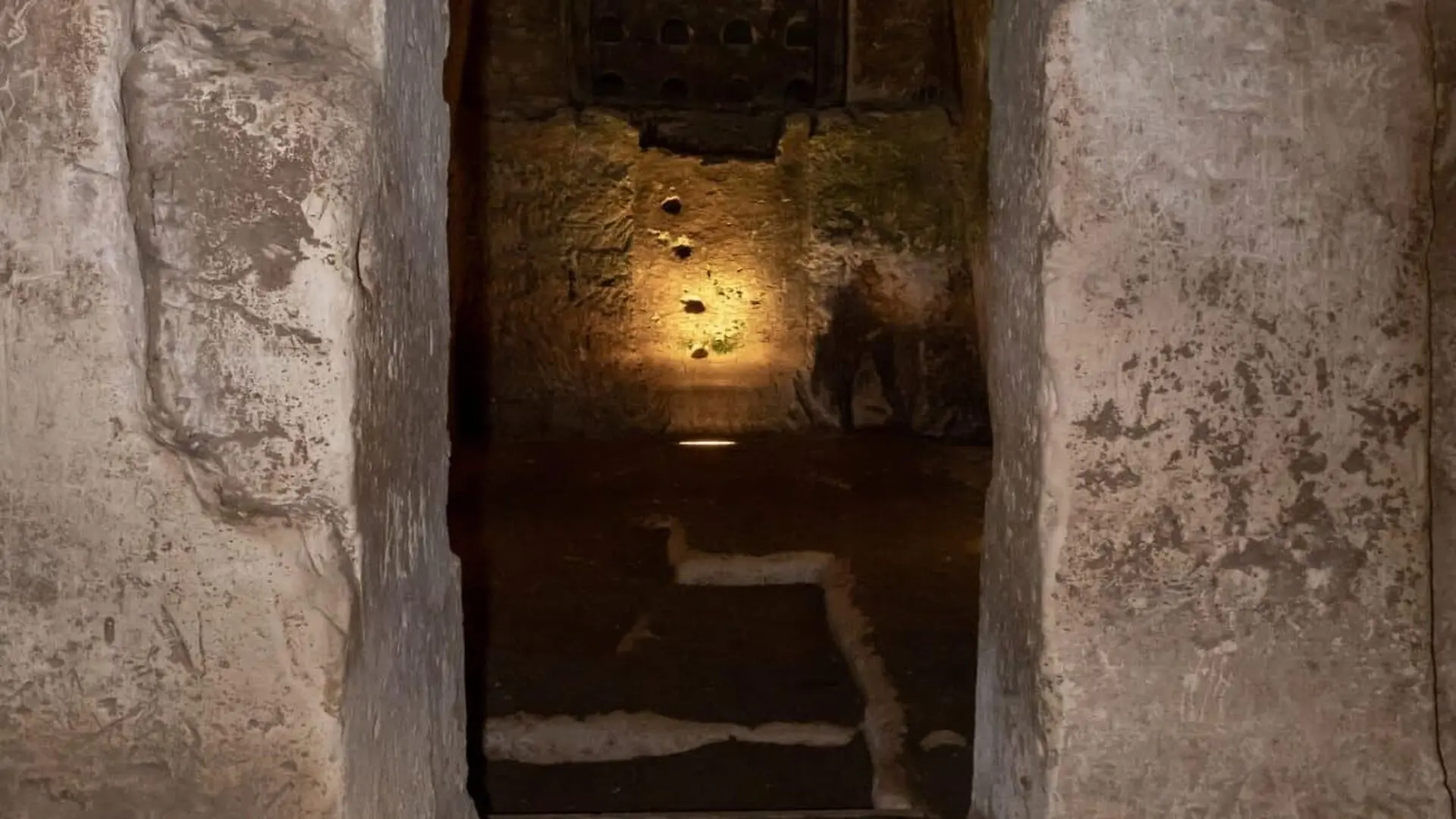
Archaeologists working to reinforce the ancient Theban necropolis against the threat of flash flooding have uncovered a 3,000-year-old burial site near Luxor. The discovery of the tomb, which features intricate wall paintings of an official named Paser and his wife, occurred while the team was clearing debris to shield historical monuments from extreme weather events.
The site is situated in Lower Sheikh ʿAbd el-Qurna, a region on the west bank of the Nile that served as a primary cemetery for Egypt’s royal and elite figures for over 1,500 years. While the area is part of the broader UNESCO World Heritage site that includes the Valley of the Kings and the Valley of the Queens, this specific sector has historically seen far less scholarly investigation than the more prominent monument complexes of Luxor and Karnak.
Climate Mitigation Leads to Archaeological Breakthrough
Since 2018, an international research team has been working in partnership with the Egyptian Ministry of Tourism and Antiquities to divert water away from the foothills of the Theban mountain. These slopes are increasingly vulnerable to sudden, intense rainfall, which researchers fear could accelerate structural decay. The tomb was identified during these site-clearing operations, marking a rare moment where a disaster-prevention project yielded a significant historical find.
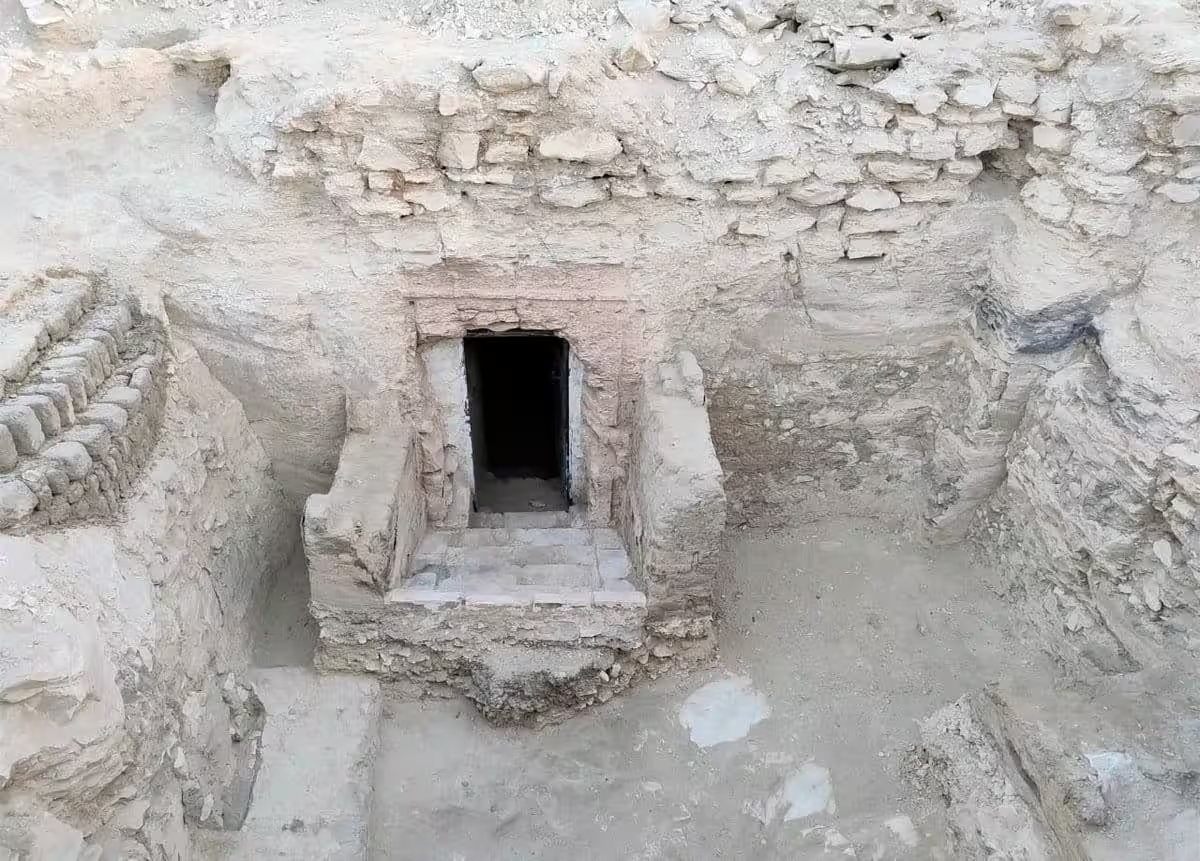
Insights Into Ramesside Funerary Practices
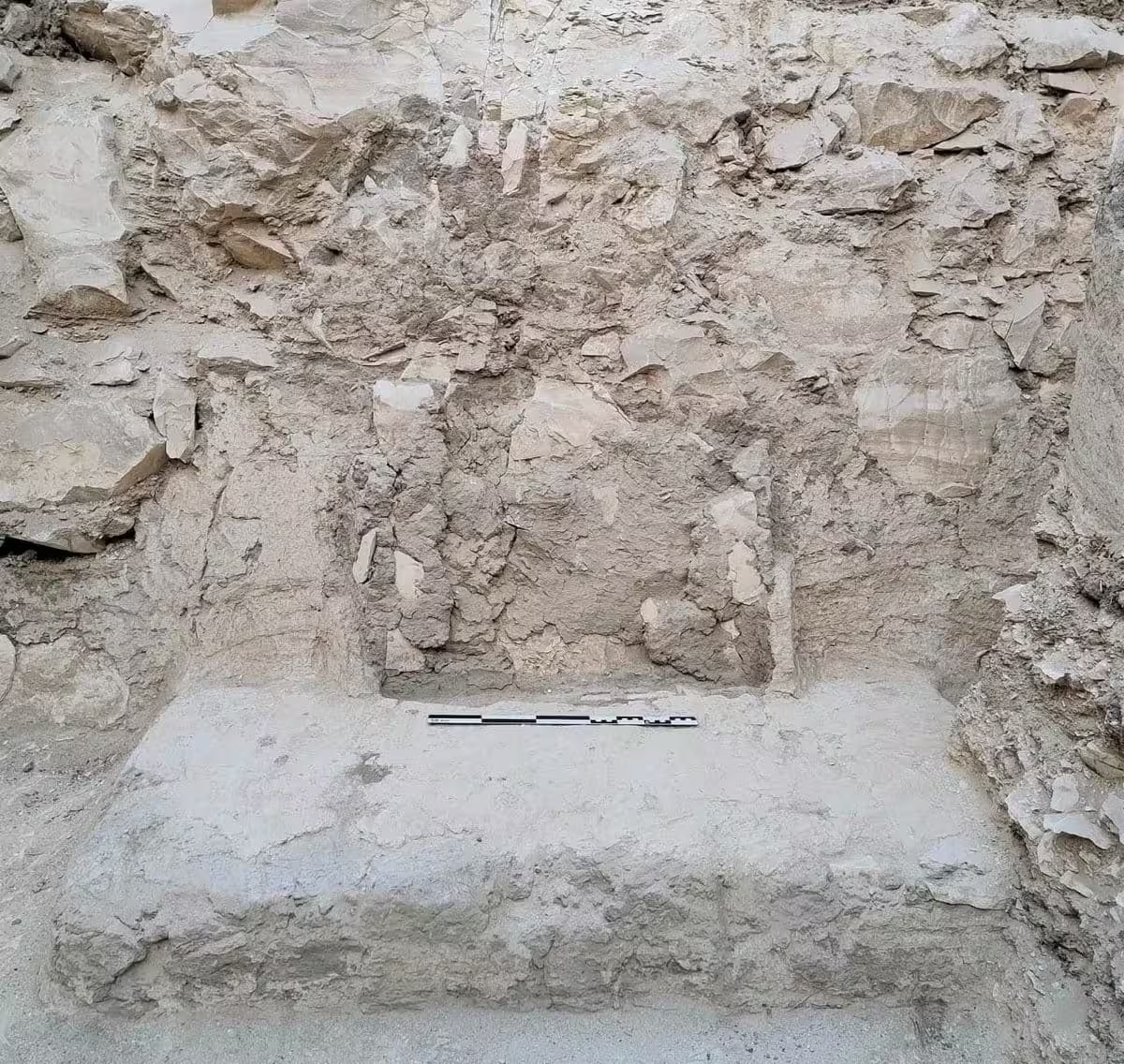
The tomb follows the architectural conventions of the New Kingdom, which lasted from roughly 1550 to 1069 BC. The structure includes an outer courtyard containing a mudbrick platform and a stela niche, flanked by a staircase and ramp assembly. Below this lies a rock-cut chapel and subterranean burial chambers.
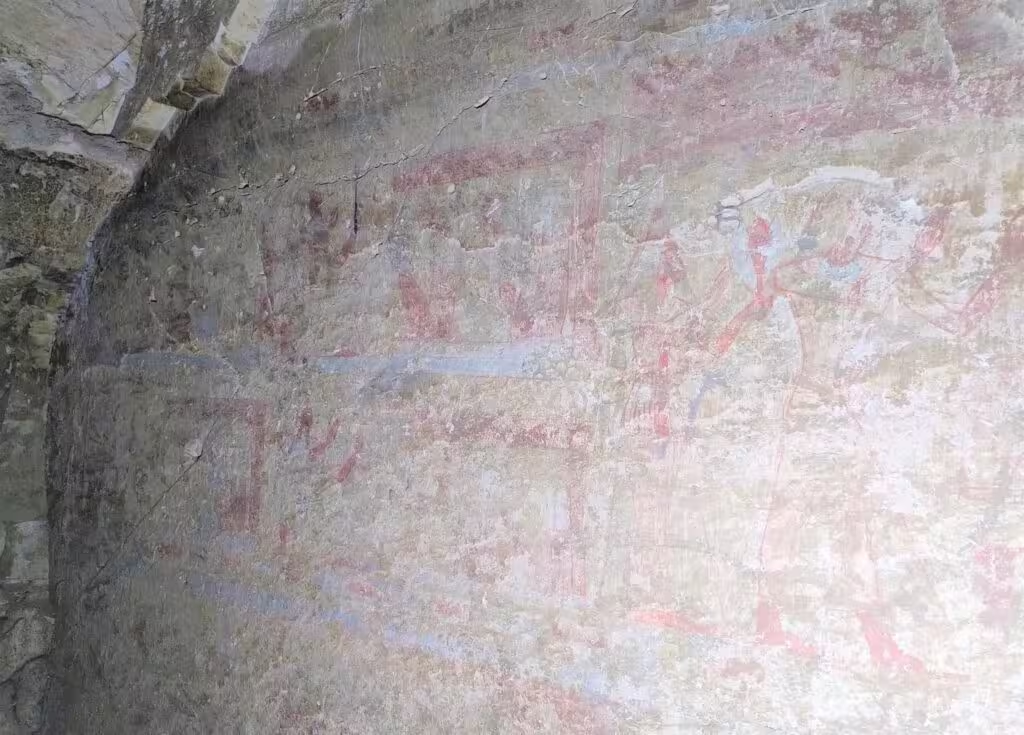
Stylistic analysis of the paintings, which depict the deceased offering food to deities and dining with his wife, suggests the tomb dates to the Ramesside period, specifically between 1292 and 1069 BC. While current assessments identify the owner as an official named Paser, experts are currently working to clean the obscured wall surfaces to reveal further biographical details.
Preservation Amidst Environmental Threats
Researchers view this tomb as a critical piece of the puzzle regarding how high-ranking officials selected burial sites. They are particularly interested in why these individuals often chose to modify or build adjacent to 18th-dynasty monuments, citing potential influences like family lineage, ritual paths, and the cultural prestige of specific locations.
However, the long-term survival of such sites remains uncertain. Experts emphasize that flash floods not only threaten the physical integrity of the structures but also facilitate salt crystal growth, which can cause the permanent loss of delicate artistic heritage. The discovery of Paser’s final resting place serves as a stark reminder of both the historical wealth buried in the region and the urgent need to address the climate-driven threats facing Egypt’s monuments.
This article has been fact checked for accuracy, with information verified against reputable sources. Learn more about us and our editorial process.
Last reviewed on .
Article history
- Latest version
Cite this page:
- Posted by Vikram Desai