Archaeologists Finally Discover Missing Upper Half of Massive Ramesses II Statue in Egypt
Archaeologists have unearthed a missing piece that could finally complete the skeleton of a mysterious 23-foot prehistoric giant.
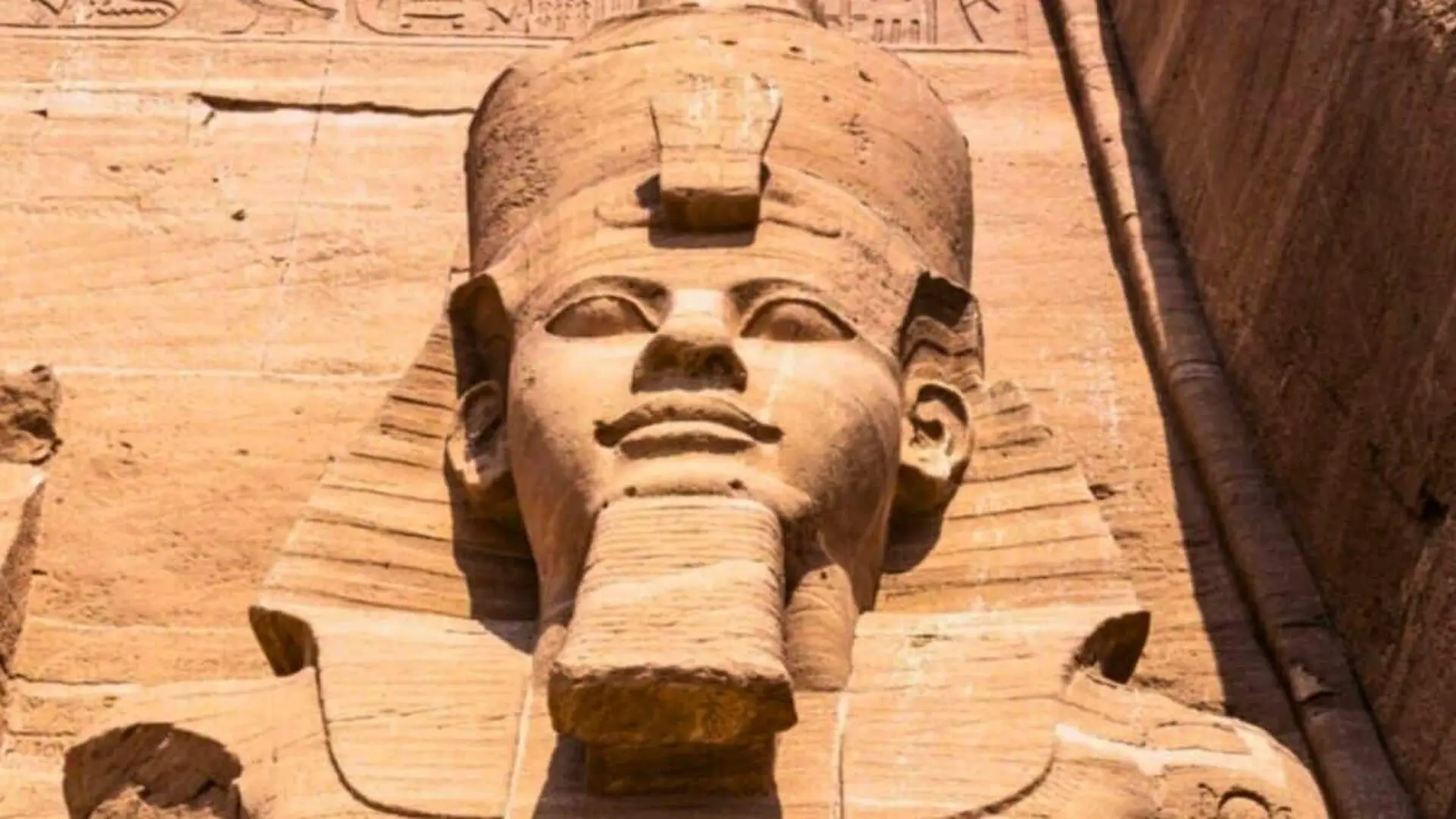
Archaeologists working in the ancient Egyptian city of Hermopolis Magna have unearthed the missing upper portion of a monumental statue of Ramesses II, finally completing a discovery that began nearly a century ago. The find brings together a 12.5-foot-tall limestone fragment with a lower section first identified by German researcher Günther Roeder in 1930.
The reunion of the two pieces, which together would stand roughly 23 feet high, marks the end of a 94-year mystery at the El Ashmunein site. The statue depicts the pharaoh in a seated pose, wearing a double crown adorned with a royal cobra. Despite the passage of time and the environmental challenges posed by the region’s rising water table, the upper section was found in surprisingly good condition, still bearing faint traces of original blue and yellow pigments.
An Accidental Discovery During Papyrus Research
The excavation team, led by Yvona Trnka-Amrhein of the University of Colorado Boulder and Basem Gehad of the Egyptian Ministry of Tourism and Antiquities, did not set out to find the statue. Their primary focus was an investigation into ancient papyri, including the recovery of lost works by the playwright Euripides.
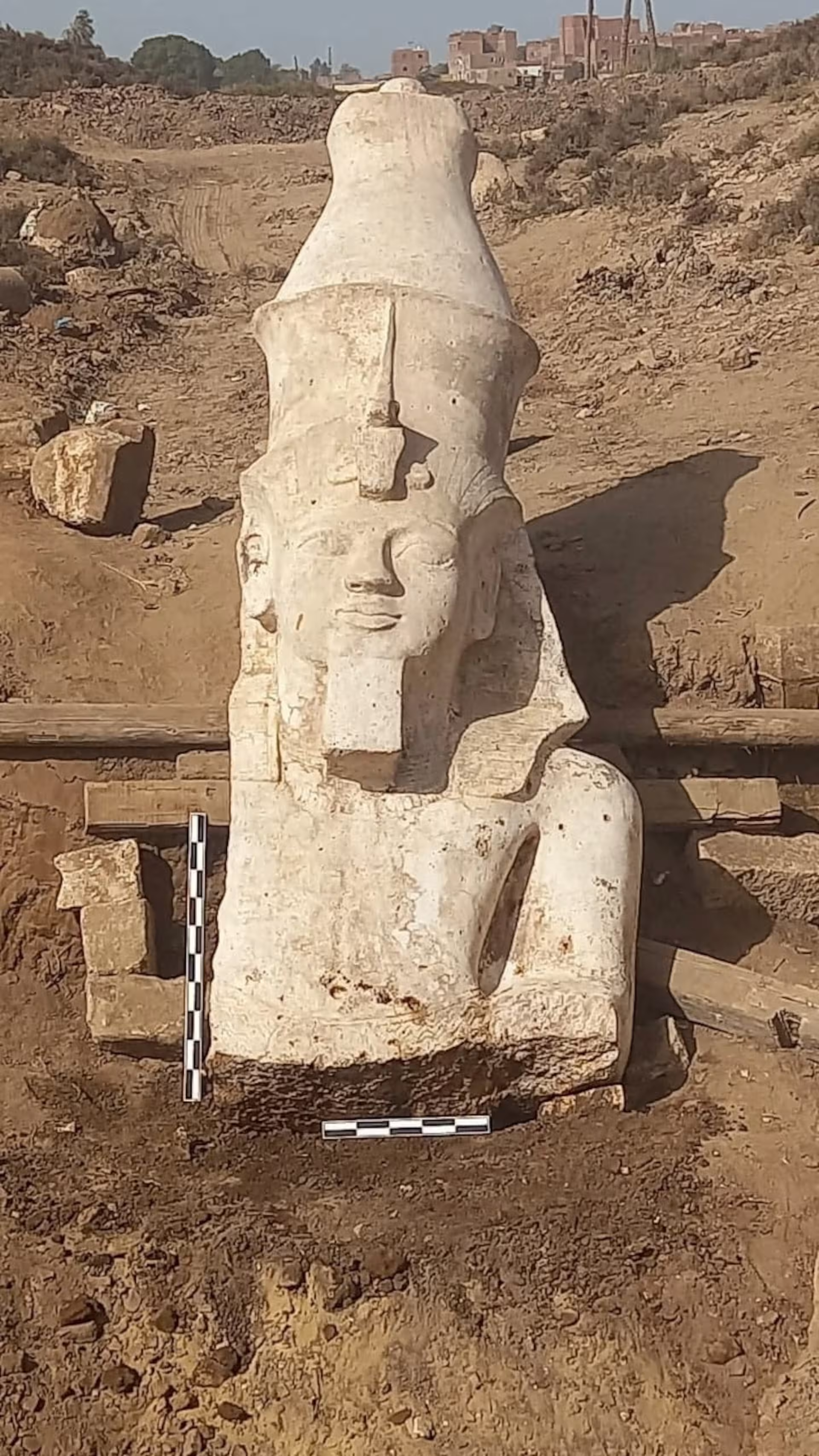
While the team suspected that the remainder of the statue might still be buried near the site of the original 1930 excavation, its recovery was unexpected. Researchers initially feared that the stone might have degraded into unidentifiable rubble due to the moisture levels near the Nile. “We knew it might be there, but we were not specifically looking for it,” Trnka-Amrhein noted. “It was a total surprise.”
Confirming the Pharaoh’s Identity
The connection between the newly found head and torso and the long-lost base was solidified through an analysis of the hieroglyphic inscriptions found on the back pillar. These carvings list the official royal titles of Ramesses II, perfectly matching those documented on the original base fragment.
Hermopolis Magna, historically recognized as a center for the worship of the god Thoth, has been heavily impacted by centuries of stone quarrying, which destroyed much of the surrounding temple architecture. Consequently, the discovery of such a substantial, intact artifact is considered a significant development for the site.
Future efforts are now focused on the scientific analysis of the pigments discovered on the limestone. Gehad has formally proposed a plan to physically reassemble the statue, though authorities have yet to determine whether the restored monument will remain at El Ashmunein or be transferred to a museum facility. Researchers remain optimistic that further study of the site will continue to yield insights into this historic center of learning.
This article has been fact checked for accuracy, with information verified against reputable sources. Learn more about us and our editorial process.
Last reviewed on .
Article history
- Latest version
Cite this page:
- Posted by Vikram Desai