How Falling Back Really Affects Your Body and Health According to Science
As daylight savings time ends, discover how the shift in morning and evening light impacts your internal body clock and affects your health well into the week.
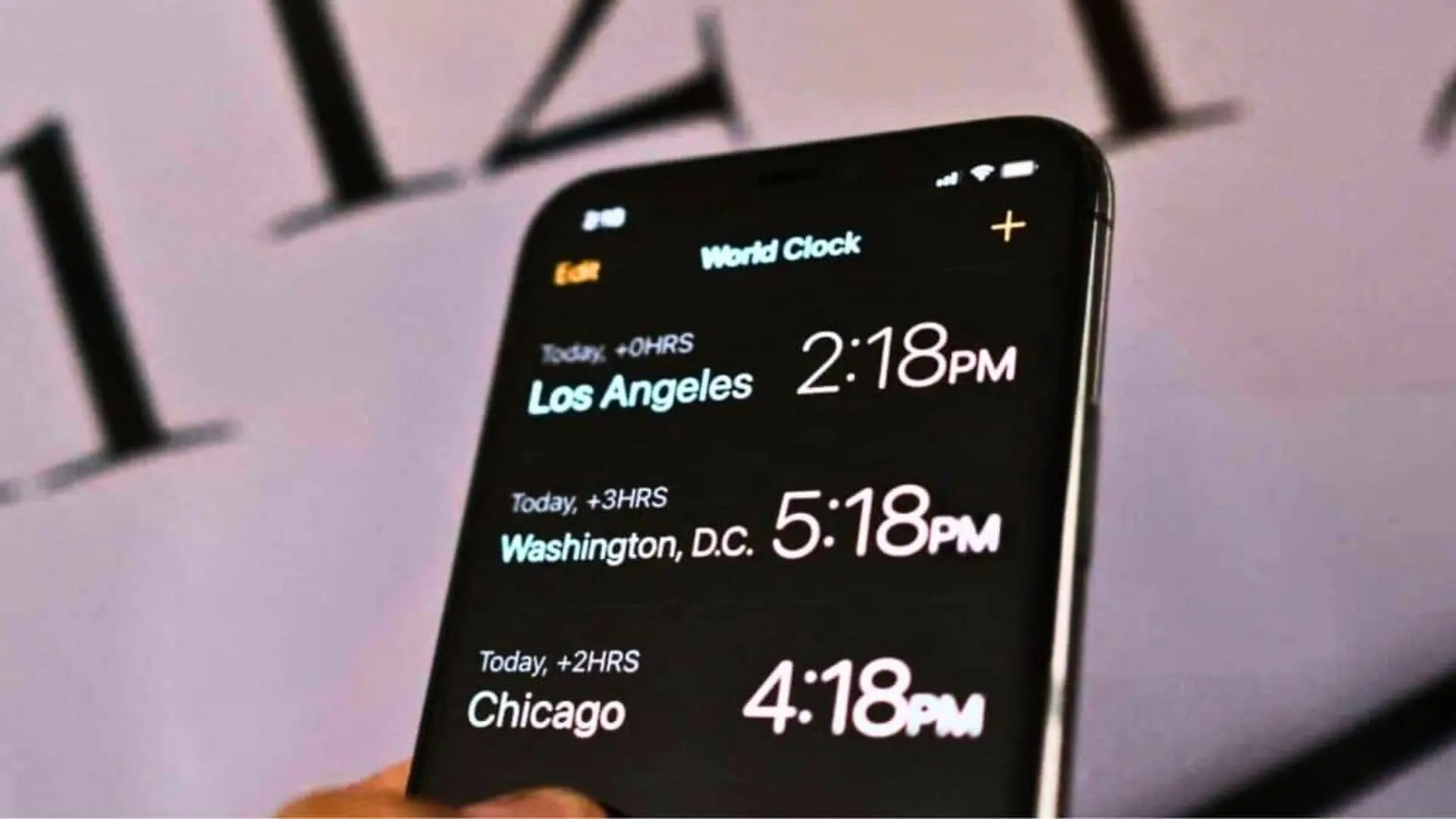
As the clock strikes 2:00 a.m. on Sunday, November 1, 2026, most of the United States will end daylight saving time, shifting clocks back one hour to 1:00 a.m. This transition, which effectively repeats the hour between 1 and 2 a.m., signals a return to standard time that will remain in effect until March 14, 2027. While Hawaii and the vast majority of Arizona remain exempt from this biannual adjustment, the rest of the nation faces a shift that alters sunset and sunrise times by an hour, pushing more daylight into the early morning.
The Biological Impact of Clock Shifts
The transition is more than a mere calendar adjustment; it represents a disruption to the circadian rhythm. This internal biological process regulates vital functions, including sleep patterns, metabolism, and mood, largely in response to light exposure. When the external clock shifts while the sun’s position remains constant, the human body clock often falls out of alignment with the daily schedule.
Although the fall transition is often marketed as an opportunity to gain an extra hour of rest, experts suggest this benefit is frequently elusive. Dr. Anthony Komaroff of Harvard Medical School has noted that many individuals struggle to capitalize on the additional time, as the body typically adheres to its established biological wake-up call, regardless of the clock’s position. While the autumn shift is generally considered less physically taxing than the spring transition—which sees an average loss of 40 minutes of sleep—some individuals may experience lingering desynchronization for weeks following the change.

Cardiovascular and Safety Trends
Emerging research suggests that the timing of these shifts correlates with measurable public health and safety trends. Analysis published in the New England Journal of Medicine indicated a decrease in heart attack rates in the days immediately following the fall transition, contrasting with a rise in cardiac incidents observed during the spring shift. Similarly, historical data from 1996 suggests that traffic accident rates tend to decline following the November adjustment, a phenomenon often attributed to the additional sleep afforded to drivers.
However, the shift to standard time carries its own distinct risks, particularly regarding public safety and mental health. A long-term study conducted in Denmark found an 11 percent increase in hospital contacts for depression in the weeks following the transition to standard time. Researchers suggest the sudden onset of earlier darkness may act as a catalyst for seasonal mood fluctuations.
Furthermore, the evening commute becomes significantly more perilous as daylight fades earlier. Data from the Journal of Safety Research highlighted a 13 percent increase in fatal pedestrian and cyclist accidents during the five-week window following the fall clock change. This increased risk is largely tied to visibility, as drivers and pedestrians often fail to adjust their behavior to the earlier arrival of twilight.
The Debate Over Permanent Timekeeping
Major health organizations, including the American Academy of Sleep Medicine, the American Medical Association, and the National Sleep Foundation, have advocated for the total elimination of the biannual switch. In recent policy statements, these groups have championed permanent standard time, arguing that it is the most effective way to keep human activity aligned with natural light cycles.
Global sentiment has also shifted; Mexico discontinued its daylight saving practice in 2022, and the European Parliament has expressed intent to end mandatory time changes. Despite these international trends and pressure from the medical community, U.S. legislative efforts remain fragmented. While the House of Representatives moved to adopt permanent daylight saving time in mid-2026, the proposal stalled in the Senate, leaving the current system of switching clocks twice a year in place for the foreseeable future.
This article has been fact checked for accuracy, with information verified against reputable sources. Learn more about us and our editorial process.
Last reviewed on .
Article history
- Latest version
Cite this page:
- Posted by Hassan Raza