Couple Finds Massive 33-Foot Jurassic Sea Reptile After 35 Years Of Searching Dorset Beach
A chance discovery by a couple on a Dorset beach has revealed a 175-million-year-old marine reptile fossil, now on display at the Bridport Museum.
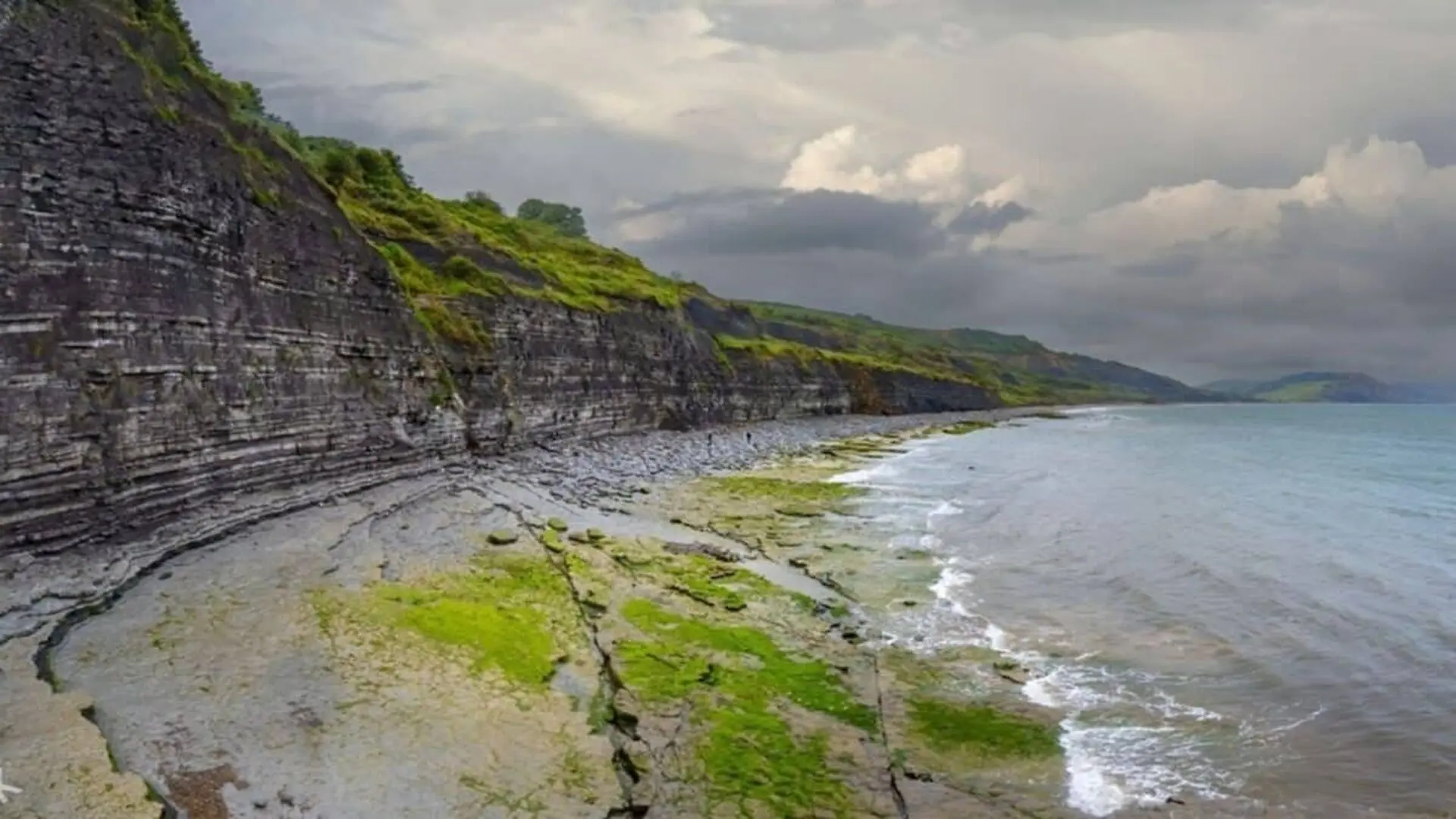
A remarkable 10-meter fossil discovered along the Dorset coastline has been unveiled as the centerpiece of a new exhibition at Bridport Museum. The specimen represents a significant breakthrough for paleontologists, as it marks the first time an ichthyosaur has been identified within this specific geological rock layer.
The discovery was made by Michel and Carine Plissart, a Belgian couple with 35 years of experience searching the English coast for prehistoric remains. Their find dates back approximately 175 million years to the late Early Jurassic period, an era when these apex marine reptiles dominated the world’s oceans.
A Routine Walk Leads to a Rare Find
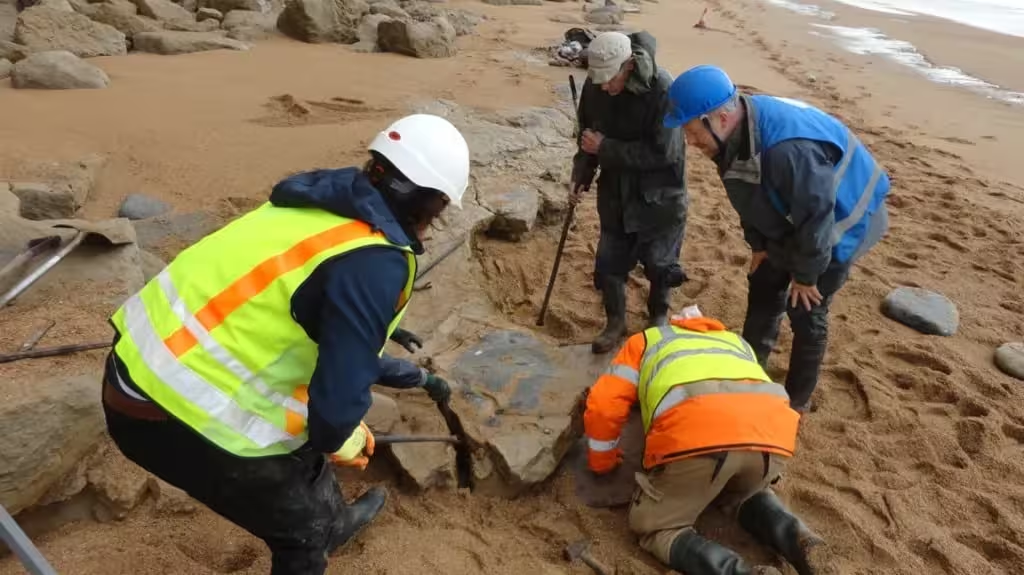
While exploring a familiar stretch of beach, the Plissarts noticed distinct, dark shapes embedded within a sandstone formation. Recognizing that the formations did not match the surrounding geology, the pair alerted the Charmouth Fossil Centre to ensure the site was properly assessed. Their intervention initiated a complex recovery process for what is being described by experts as a globally significant specimen.
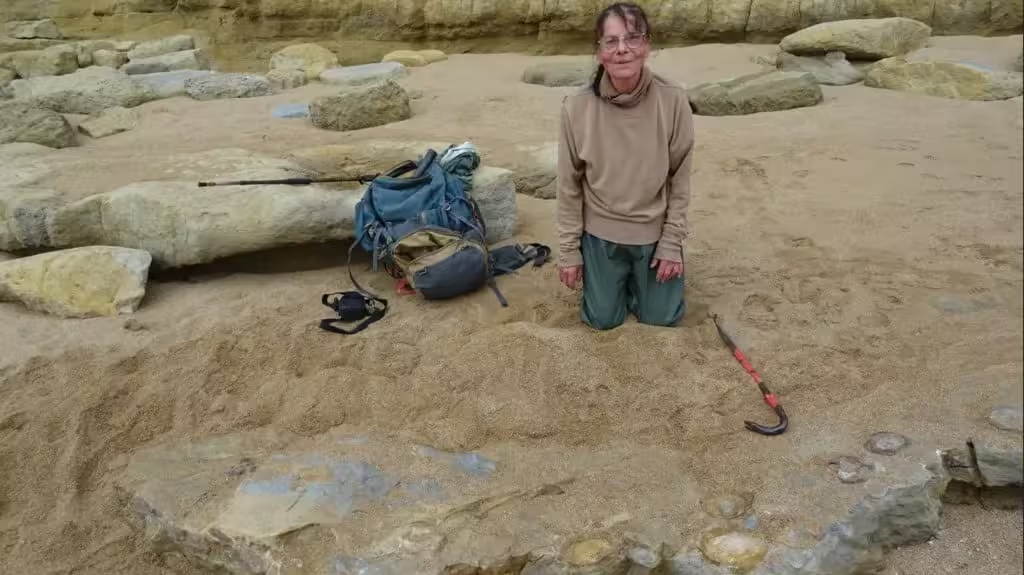
Measuring 10 meters (33 feet) in length, the ichthyosaur is a massive example of the species. Following its successful extraction, the landowner gifted the fossil to the Bridport Museum. Museum manager Michelle Caesar praised the donation, noting the institution’s fortune in receiving such an exceptional piece of natural history.
Scientific Analysis and Preservation
The preparation and analysis of the fossil were supported by grant funding, with researchers from the University of Bristol leading the investigation. While a formal paper is currently undergoing peer review, the project highlights the vital intersection of citizen science and academic research, involving experts like paleontologist Sam Scriven, who oversaw the excavation.
Challenging Historical Narratives
Beyond its imposing size, the specimen provides new data regarding the resilience of top-tier predators during the Jurassic period. According to Scriven, the reptile existed approximately nine million years after major volcanic activity caused widespread ocean oxygen depletion and subsequent mass extinction events.
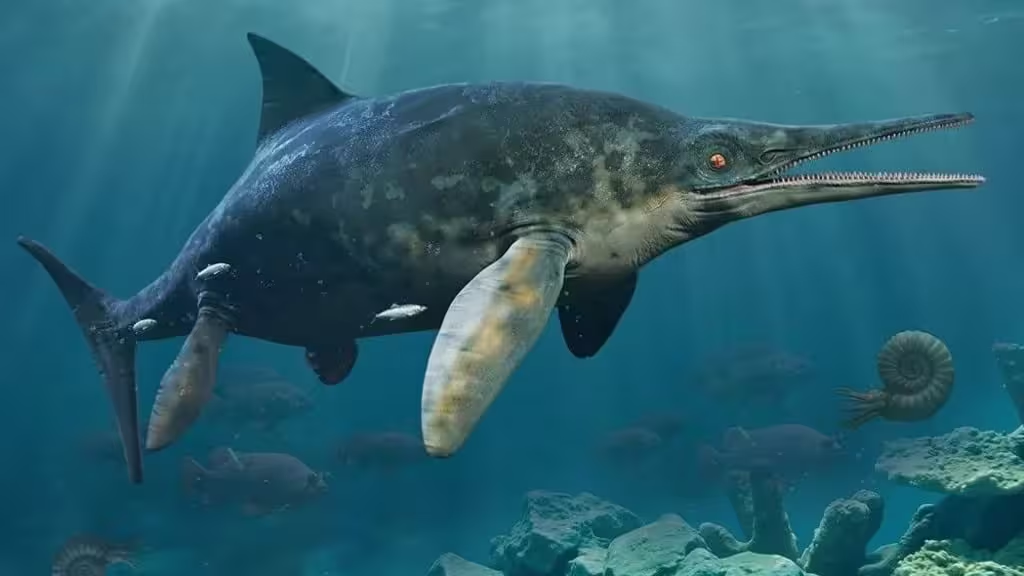
The existence of this large predator suggests that the impact of ancient environmental crises on marine ecosystems remains more complex than previously understood. The public can view the display at Bridport Museum through April 17, 2027.
This article has been fact checked for accuracy, with information verified against reputable sources. Learn more about us and our editorial process.
Last reviewed on .
Article history
- Latest version
Cite this page:
- Posted by Hassan Raza