Scientists Have Finally Reconstructed The Lost Lighthouse Of Alexandria In Stunning Detail
Giant stone blocks hidden underwater for centuries are finally revealing new secrets about the construction of an incredible ancient marvel.
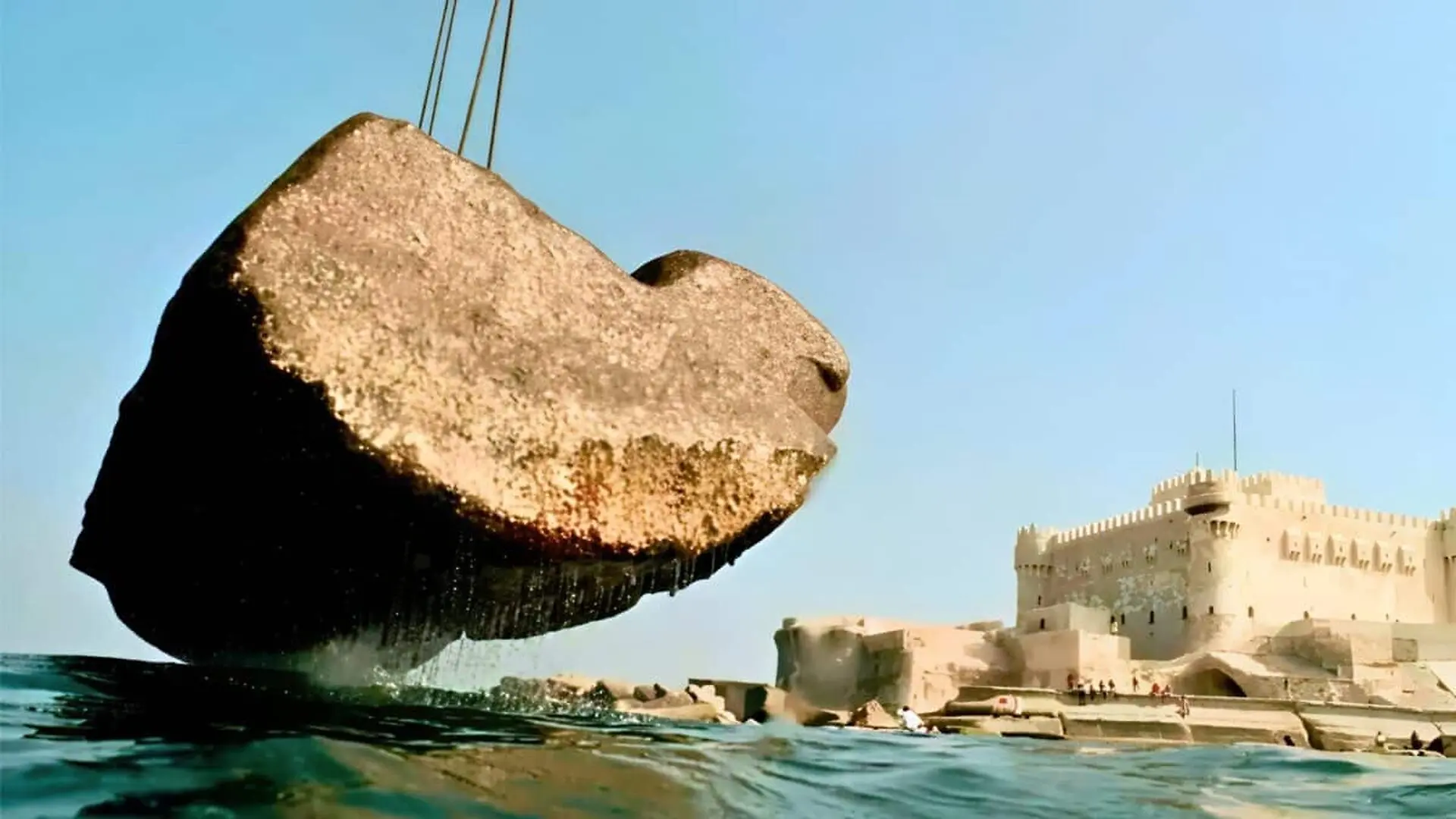
For more than 700 years, the Lighthouse of Alexandria has existed primarily in the realm of fragments—scattered ruins, numismatic depictions, and the anecdotal records of ancient travelers. Now, an international research team has successfully resurrected the legendary structure through a comprehensive digital reconstruction, unveiling interior architectural complexities that had eluded historians for centuries.
Standing at approximately 103 meters (338 feet), this ancient wonder guarded the harbor of Alexandria for over 1,600 years. While most of the lighthouse remains submerged beneath the Mediterranean, a collaboration between archaeologists and modern aerospace and automotive engineers has produced a high-fidelity 3D model that challenges long-held assumptions about the monument’s design.
From Seabed to Digital Reality
Construction of the lighthouse began in the 3rd century BC under Ptolemy I, following the death of Alexander the Great. Designed by Sostratus of Cnidus, the structure remained a maritime landmark until it was devastated by a massive earthquake in 1303. By 1477, the remaining masonry was repurposed for the construction of the Qaitbay Citadel, leaving the majority of the original lighthouse submerged in what is now considered the world’s largest underwater architectural site.
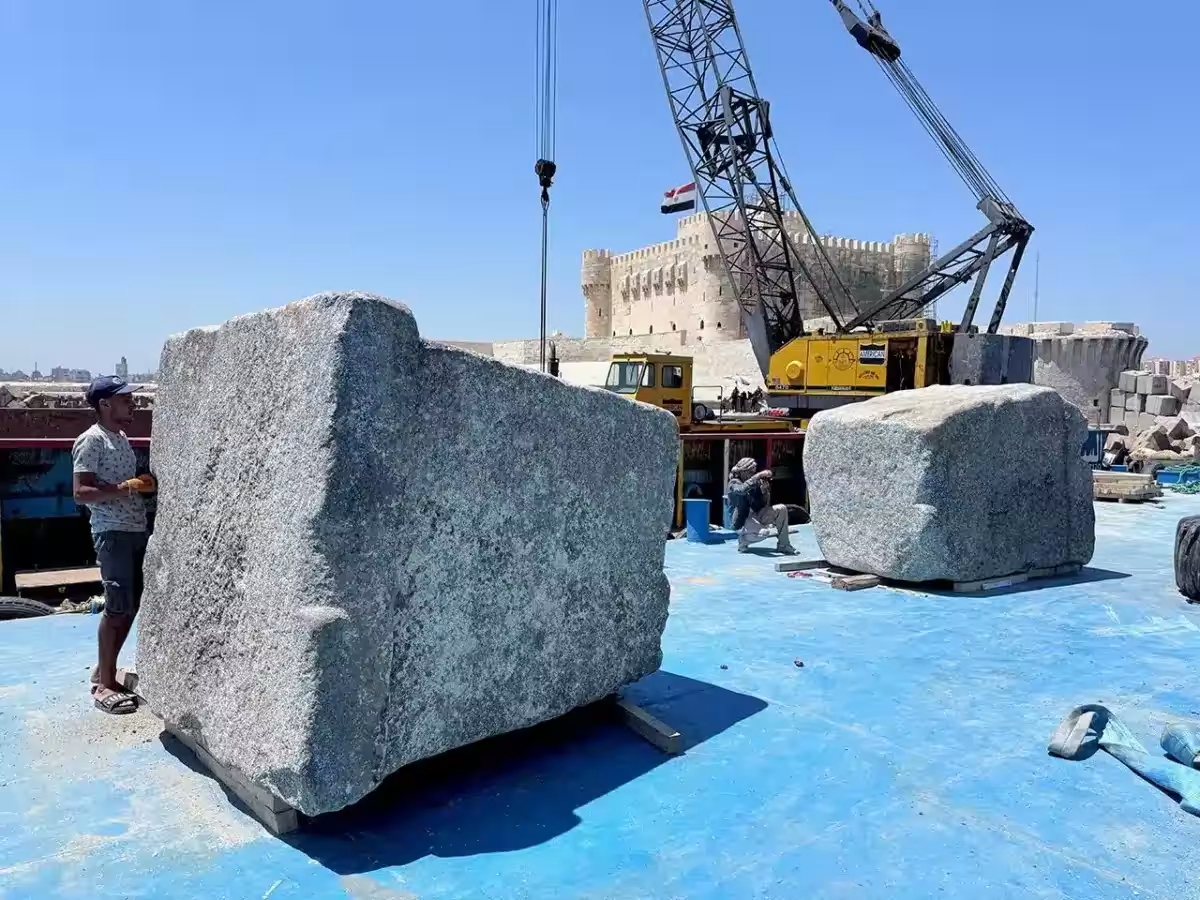
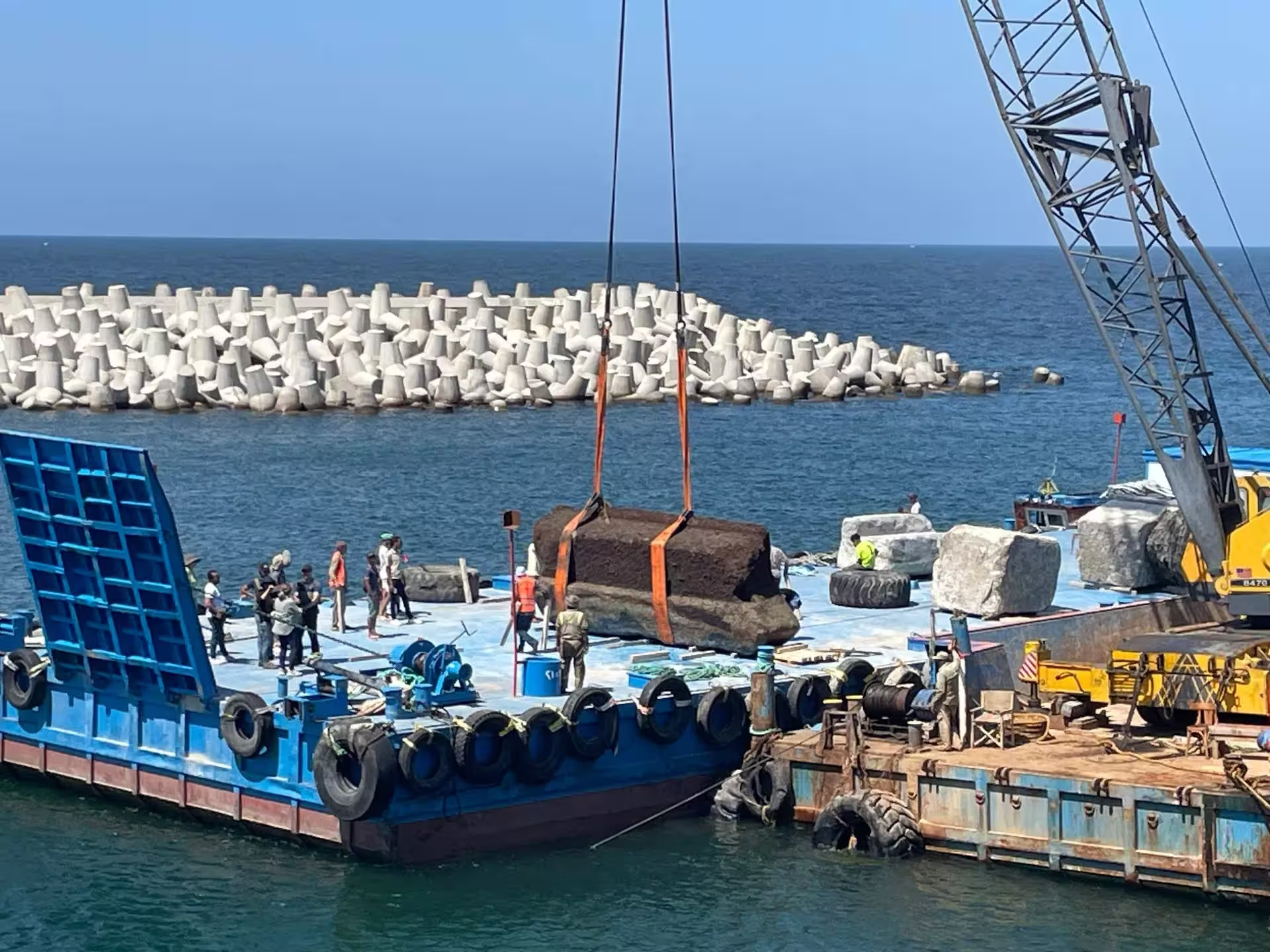
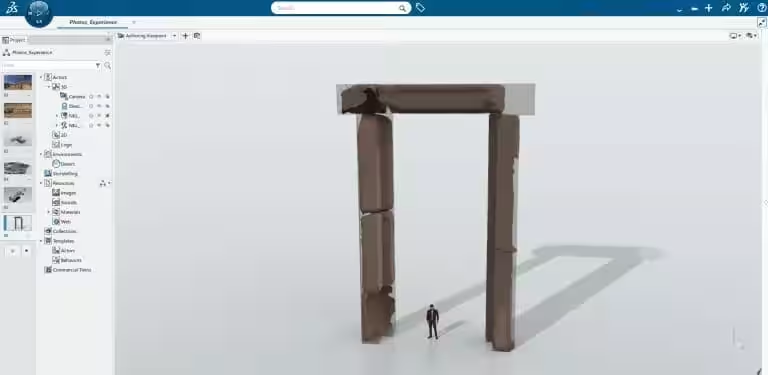
Since 1995, excavations led by the Centre d’Études Alexandrines have identified nearly 5,000 stone blocks across the seafloor. However, these pieces represent only about 10 percent of the original edifice. In June 2025, a significant recovery effort directed by CNRS archaeologist Isabelle Hairy retrieved 22 massive stone components, some weighing up to 80 tons. These included lintels and doorjambs from a pylon gateway that blended traditional Egyptian motifs with Hellenistic engineering techniques.
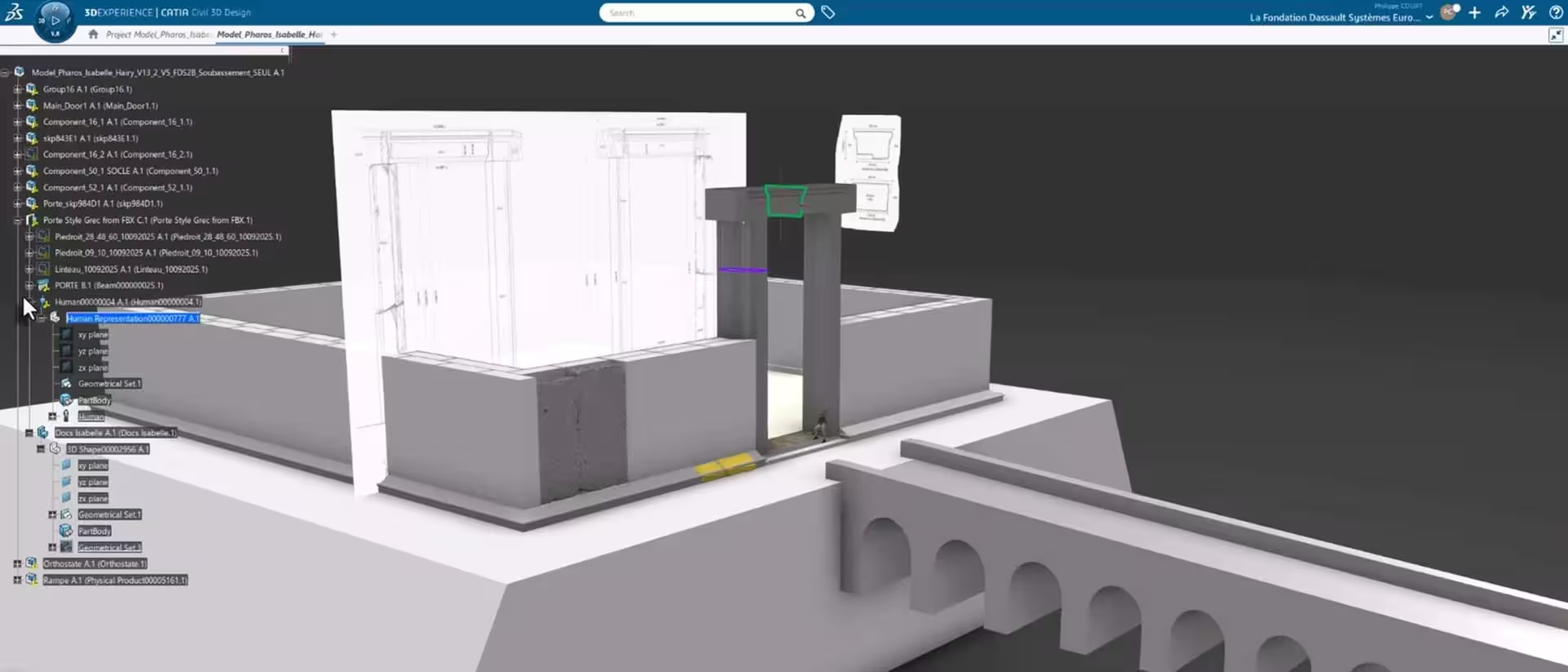
These recovered pieces were processed using photogrammetry, allowing the Dassault Systèmes Foundation to integrate them into a precise digital library of architectural elements. To fill the significant gaps left by missing masonry, the team synthesized this data with historical accounts from medieval Arab travelers and iconography found on ancient clay lamps and mosaics.
Uncovering a Nine-Story Interior
The resulting 3D reconstruction reveals a far more sophisticated building than the simple three-tiered tower typically portrayed in historical art. According to the research team, the monument featured an elevated causeway supported by 16 arches and a monumental entrance standing 13 meters tall. Internally, the structure contained 67 rooms distributed across nine levels, all connected by a broad, spiral-like ramp wide enough to accommodate two horsemen simultaneously.
Beneath the primary levels, the lighthouse utilized a complex system of vaulted chambers and stacked arcades to manage its enormous weight. This engineering ingenuity, explored in the documentary The Lighthouse of Alexandria: The Last Secrets, likely explains why the tower remained operational despite being struck by at least 18 major earthquakes.
Structural Resilience and Ancient Recycling
By subjecting the digital model to simulated seismic and tsunami stress tests, engineers concluded that the monument’s longevity was a result of its distributed weight-bearing design rather than brute structural mass. This sophisticated internal framework allowed the tower to endure significant environmental shocks for over a millennium.
The 2025 excavation also yielded an unexpected insight into the provenance of the lighthouse’s materials. Analysis of the foundation stones revealed that several blocks had been salvaged from monuments dating back to Egypt’s Old Kingdom. These stones had been repurposed from pyramids that were already over 2,000 years old by the time the Lighthouse of Alexandria was first commissioned, underscoring the deep history of architectural recycling in the ancient world.
This article has been fact checked for accuracy, with information verified against reputable sources. Learn more about us and our editorial process.
Last reviewed on .
Article history
- Latest version
Cite this page:
- Posted by Vikram Desai