US Scientists Are Turning 40 Year Old Nuclear Waste Into Deep Sea Power Stations
A long-forgotten generator from the 1980s could soon provide a sustainable power source for the seafloor after decades in storage.
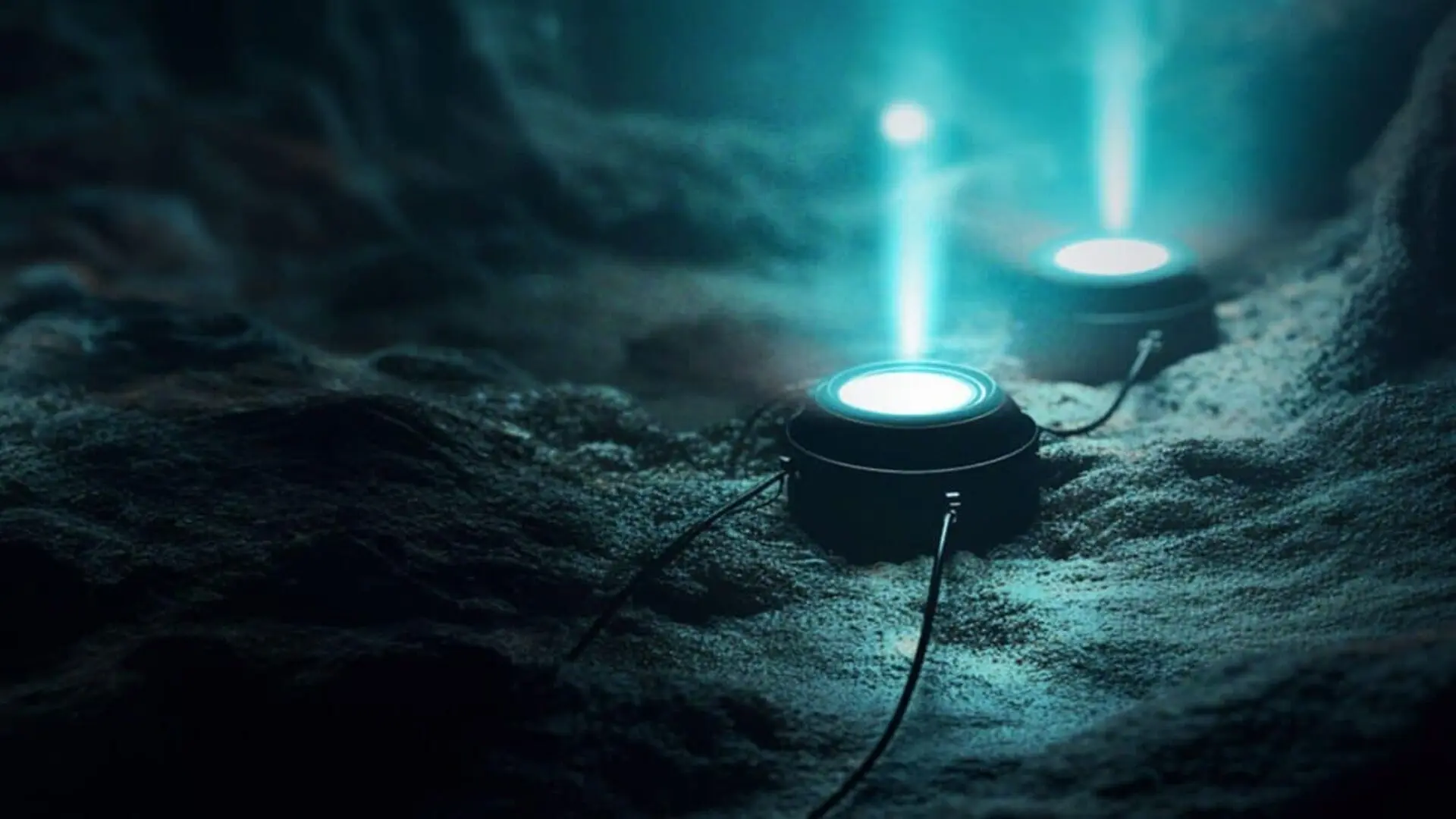
A dormant piece of cold-era technology, originally developed at the Oak Ridge National Laboratory in the 1980s, is finding a second life as a potential solution for deep-sea energy challenges. Zeno Power has secured a $7.5 million contract under the Department of Defense’s DEPTHS program to repurpose this long-stored radioactive material into a long-endurance underwater power station.
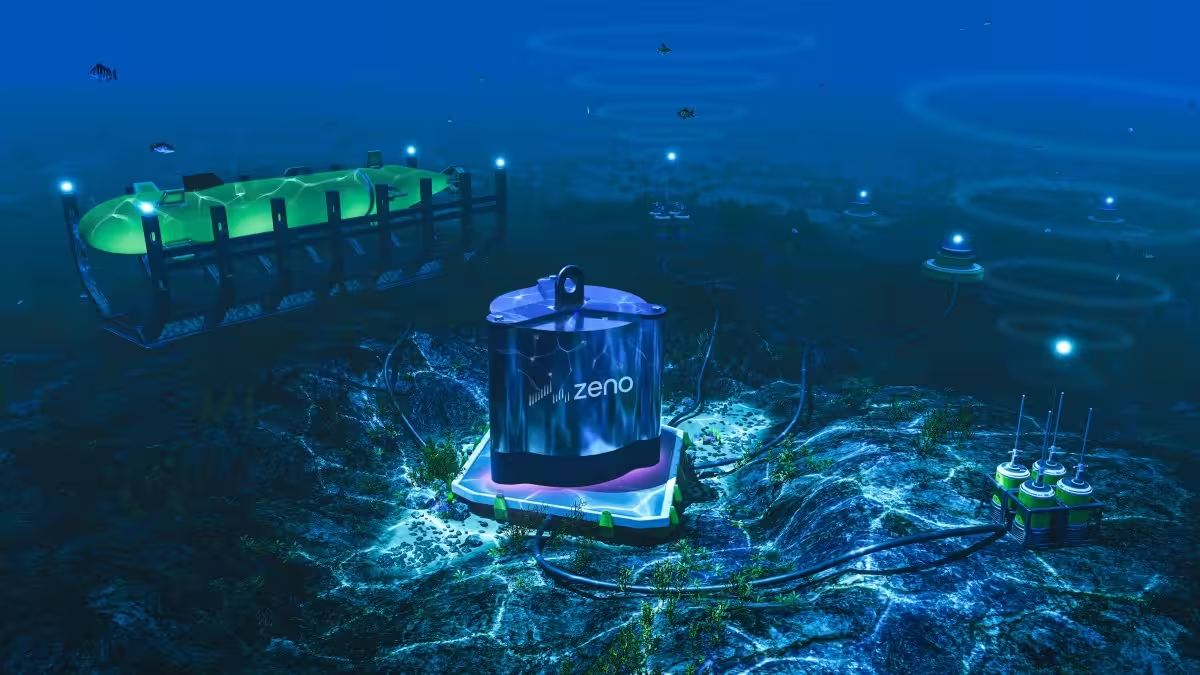
The vision is to establish a permanent, maintenance-free power source on the seabed, providing consistent electricity to sensors and docking stations for autonomous underwater vehicles (AUVs). By eliminating the need for frequent battery swaps or vulnerable, long-distance power cables, the system aims to extend the reach of marine research and naval operations. Retired Adm. John M. Richardson has previously characterized such advancements in maritime power as a vital component for maintaining technological superiority.
Harnessing Decades-Old Isotope Energy
At the heart of the project is the BUP-500, a 500-watt thermoelectric reactor that has remained in storage at the Department of Energy’s Oak Ridge site for nearly four decades. The device relies on strontium-90, an isotope with a half-life of 28.8 years. As the material decays into yttrium-90, it generates a predictable and steady stream of thermal energy. According to reports from Ecoticias, the supply of fuel is stable enough that it could theoretically remain in storage for another 30 years before requiring final disposal.
To convert this heat into electricity, Zeno is utilizing a Stirling converter. This technology exploits temperature differentials to drive a piston, a method NASA has previously vetted for space exploration. While historical efforts—such as the 1960s-era SNAP program that powered experimental buoys—proved the feasibility of radioisotope power, modern iterations aim to significantly improve efficiency, with Zeno targeting higher thermal density per kilogram.
Moving Toward Deployment
Current development is centered at the Vallecitos Nuclear Center in Sunol, California. As of June 18, 2026, Zeno Power has begun utilizing specialized shielded “hot cells” at the facility. These heavily reinforced chambers allow technicians to manipulate radioactive components safely using remote mechanical arms. While non-radiological testing is already underway, the team is awaiting the necessary regulatory approvals to begin handling the radioactive fuel itself later this year.
The project faces significant environmental and safety hurdles, particularly because strontium-90 is biologically hazardous if ingested, as it can be absorbed by bone tissue. Any deployment on the ocean floor will require rigorous containment protocols and extensive regulatory oversight. The next critical milestone for the company will be an integrated test, confirming that the heat source and Stirling converter can function reliably in tandem under simulated, long-term underwater conditions.
This article has been fact checked for accuracy, with information verified against reputable sources. Learn more about us and our editorial process.
Last reviewed on .
Article history
- Latest version
Reference(s)
- ECONEWS, “Old radioactive material from Oak Ridge could power the seafloor, but the underwater station still exists mostly in tests.”, September 13, 2026 ECOticias.com <https://www.ecoticias.com/en/old-radioactive-material-from-oak-ridge-could-power-the-seafloor-but-the-underwater-station-still-exists-mostly-in-tests/36764/>.
- Welch, Nikki. “Stirling Convertor Sets 14-Year Continuous Operation Milestone - NASA.”, April 20, 2020 NASA <https://www.nasa.gov/technology/rps/stirling-convertor-sets-14-year-continuous-operation-milestone/>.
Cite this page:
- Posted by Karan Das