Perseverance Rover Uncovers Hidden Evidence of Three Distinct Water Eras on Mars
NASA’s Perseverance rover has uncovered mysterious new evidence in an overlooked region of Mars, sparking fresh intrigue about the planet’s hidden history.
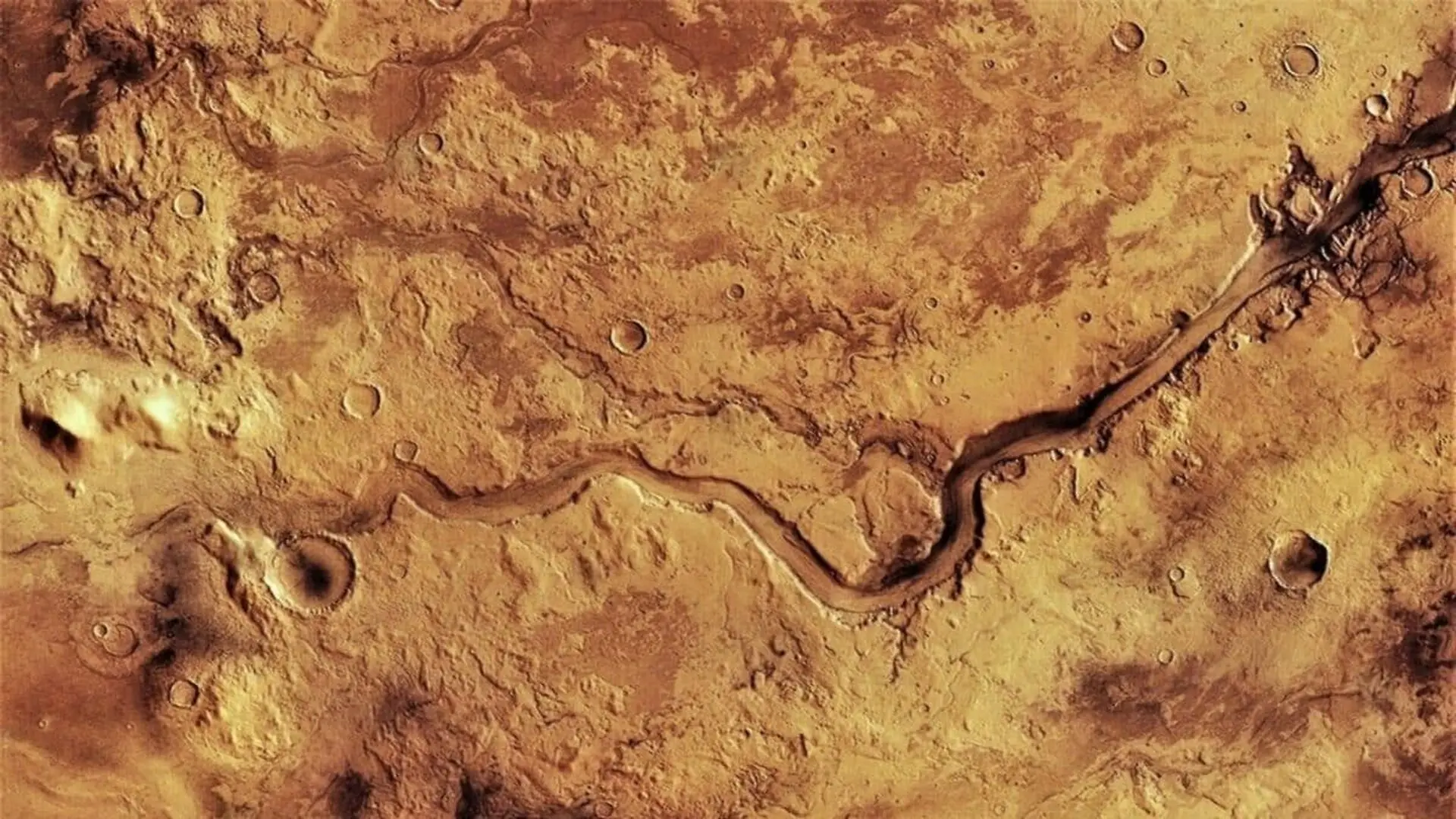
NASA’s Perseverance rover has uncovered evidence suggesting that the geological history of Mars’ Jezero crater is significantly more complex than researchers previously imagined. While orbital data led scientists to believe the region was defined primarily by ancient lake deposits, ground-level analysis has revealed a far more intricate sequence of environmental shifts shaped by water.
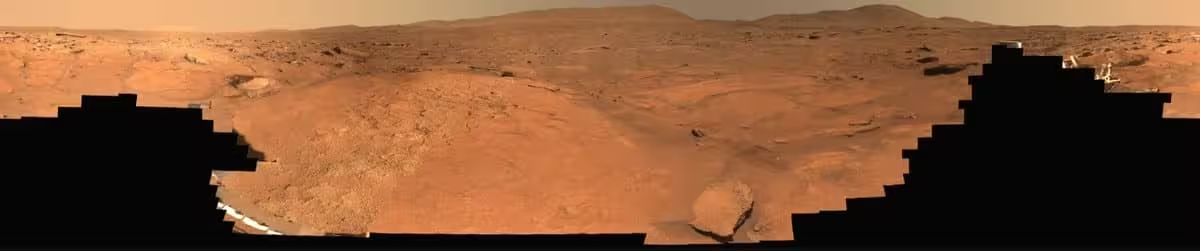
The latest findings focus on the “Margin Unit,” a rugged stretch of terrain along the inner rim of the crater. Rather than the expected sedimentary layers formed by settling lakebeds, Perseverance encountered igneous rocks—volcanic material that cooled from magma—which now serve as a permanent archive of the planet’s volatile past.
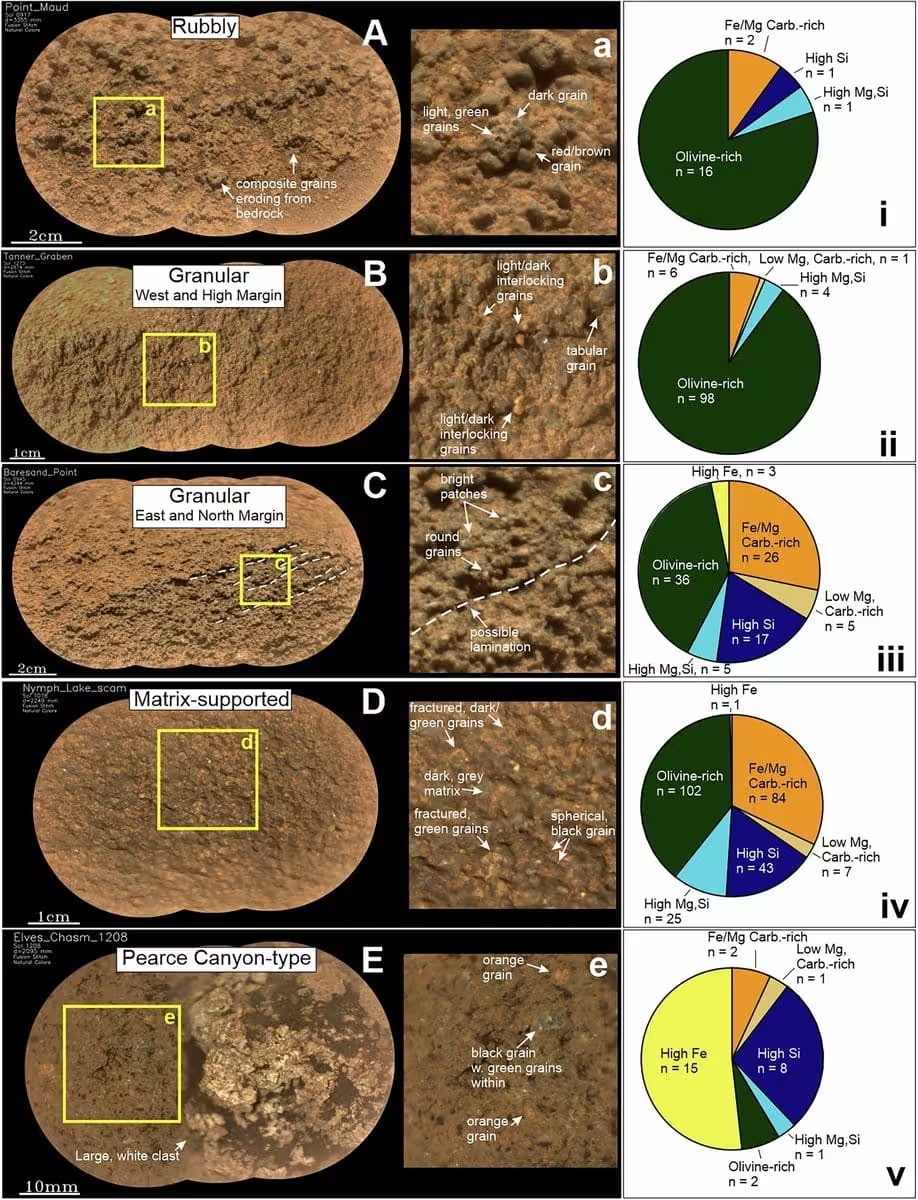
Detailed analysis conducted via the rover’s Perseverance SuperCam instrument, which utilizes laser pulses to probe the chemistry of over 185 distinct bedrock targets, indicates that these rocks were modified by water on at least three separate occasions.
Evidence of a Multi-Stage Water History
Before the rover’s arrival, remote sensing from orbit identified significant carbonate mineral signatures in the Margin Unit, typically associated with stagnant, shallow water environments. The reality on the ground, however, proved to be a departure from those models. “Before we arrived at the Margin Unit, the main hypothesis—derived from orbital observations—was that the carbonate seen from orbit formed from interaction with the lake that existed in Jezero Crater,” explained Candice Bedford, a research scientist at Purdue University and lead author of the study.
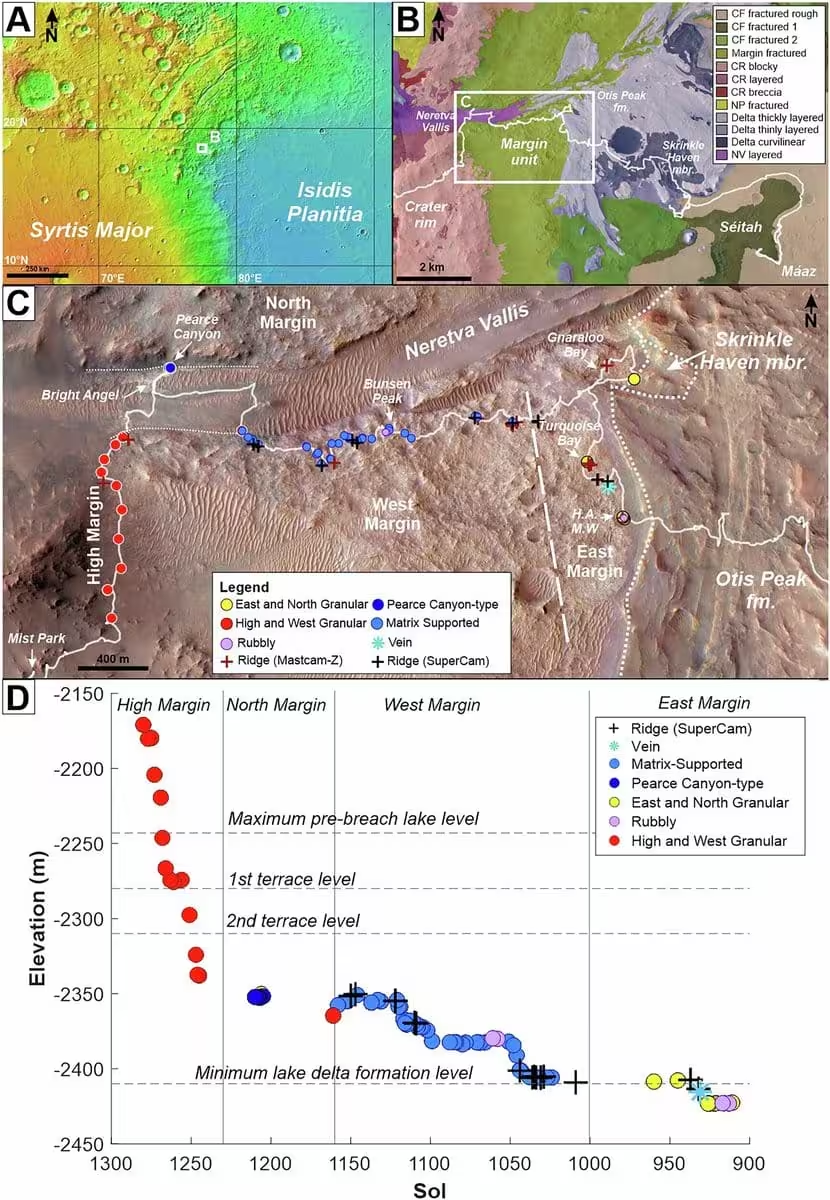
The team has identified a distinct timeline of events recorded within the bedrock:
- Groundwater Interaction: Initially, carbon dioxide-rich groundwater seeped into cracks within olivine-bearing volcanic rock, triggering a chemical reaction that deposited carbonates. Over aeons, erosion wore away the surrounding softer stone, leaving these resilient mineral-filled ridges exposed.
- Lacustrine Influence: The second phase aligns with the existence of the ancient lake. Researchers identified silica-rich deposits, particularly in areas corresponding to lower elevations of the former lake bed, which suggest water levels played a role in chemical transformation.
- Volcanic Hydrothermal Activity: Finally, the discovery of large, 25-centimeter-thick mineral veins—containing calcium sulfate and fluorite—indicates a later, distinct episode where hot, volcanic fluids circulated through the fractured bedrock.
Reframing Martian Habitability
According to Eleni Ravanis, a planetary scientist at the University of Hawaii at Manoa and coauthor of the study, the transformation of minerals like olivine into carbonates inherently releases silica, providing a clear geochemical footprint for scientists to trace. These findings illustrate that early Mars was characterized by dynamic, shifting water systems rather than a single, static environment.
As detailed in a recent press release, this discovery underscores the vital importance of rover-based exploration in validating orbital findings. By deciphering these geological puzzles, NASA hopes to gain a clearer understanding of the evolution of the Jezero crater and the broader climate history of the Red Planet.
“It is very rare that things are as we expect them to be from orbital data. I hope this work helps reshape how scientists view the history of water in Jezero Crater and across Mars. Ultimately, I hope it helps planetary scientists reconstruct the changing climate and habitability of early Mars,” concluded Bedford.
This article has been fact checked for accuracy, with information verified against reputable sources. Learn more about us and our editorial process.
Last reviewed on .
Article history
- Latest version
Reference(s)
- “Candice Ceilidh Bedford.” <https://www.eaps.purdue.edu/people/profile/cbedford.html>.
- “Eleni Ravanis - HIGP.”, March 17, 2021 HIGP <https://www.higp.hawaii.edu/index.php/people/eleni-ravanis/>.
- Carney, Stephen. “NASA Discovery Reveals Complex Water Systems on Early Mars - NASA.”, September 21, 2026 NASA <https://www.nasa.gov/solar-system/planets/mars/nasa-discovery-reveals-complex-water-systems-on-early-mars/>.
Cite this page:
- Posted by Karan Das