Curiosity Discovers Wave‑Formed Ripples in Ancient Martian Lake, Extending Water Timeline
NASA Curiosity discovers wave‑shaped ridges in hard rock, hinting at a new water history on Mars that could rewrite the planet’s final chapter.
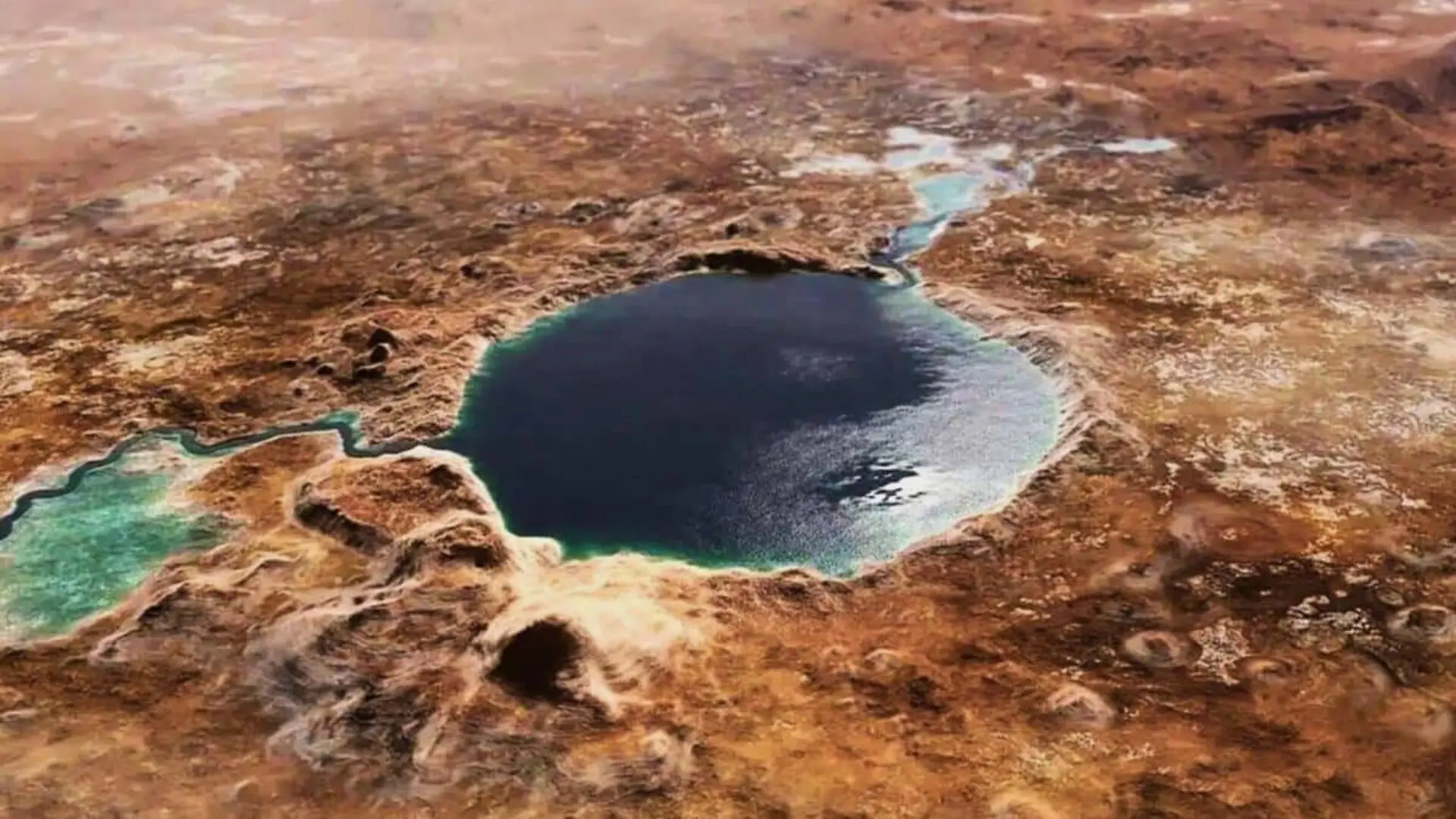
High on the slopes of Mount Sharp, a narrow strip of unusually tough rock preserves a series of evenly spaced ridges that reshape our understanding of Mars’ water loss. On 1 November 2025, the Curiosity rover transmitted images of these formations within the Marker Band, a sulfate‑rich layer previously linked to the planet’s final desiccation phase. Their geometry indicates formation at the bottom of a shallow lake, sculpted by the back‑and‑forth motion of surface waves.
The ridges survived billions of years because the surrounding matrix is exceptionally dense. When the team tried to drill into the outcrop on 27 October and 31 October 2025, the drill could not penetrate the material, a testament to the rock’s hardness that also shielded the wave‑generated structures from wind erosion that has erased finer details elsewhere on Mars.
A paper in Science Advances outlines the observations and their impact on the planet’s hydrologic timeline. Rather than a straightforward, monotonic shift to aridity, the data suggest Mars experienced climate oscillations that allowed stable lakes to persist even as the atmosphere thinned and surface salinity rose.
Symmetric Ripple Marks Point to Ancient Wave Action
In sedimentology, ripple geometry records the driving flow. Unidirectional currents such as rivers produce asymmetric ripples, whereas the symmetric forms captured by Curiosity within the Marker Band imply oscillatory motion typical of surface waves in a standing water body.
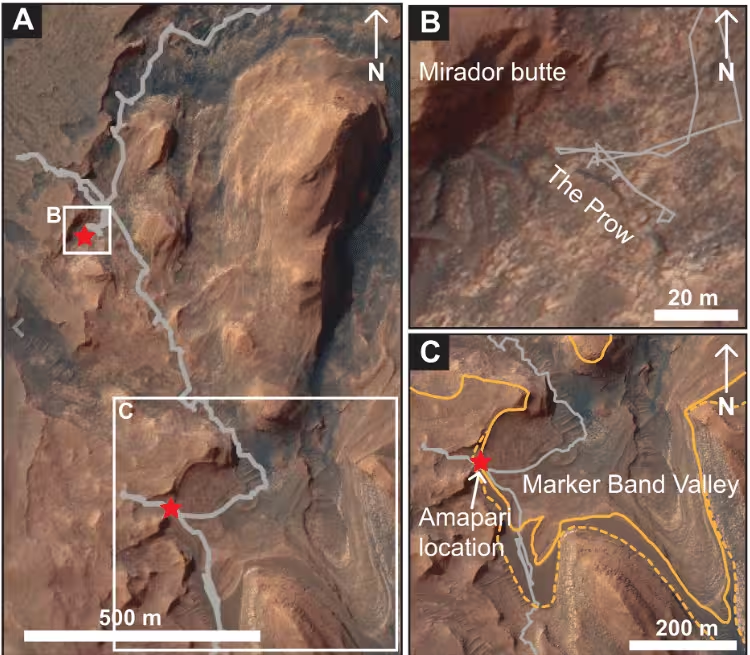
Ashwin Vasavada, Curiosity’s project scientist at the Jet Propulsion Laboratory, told a mission briefing, “This is the best evidence of water and waves that we’ve seen in the entire mission.” He emphasized that the team had traversed thousands of feet of lake‑derived sediments without encountering such clear indicators, especially in a segment where dry deposits were anticipated. The ripple outcrops sit at roughly 3,700 meters elevation within Gale Crater, embedded in the Mirador formation.
Their occurrence deep into the sulfate‑dominated dry interval pushes the timeline for surface water persistence later than many models had allowed. Such wave‑generated ripples typically arise in shallow settings where wind can transmit oscillatory energy down to the lakebed.
Evidence of a Variable Climate Shift
Beyond the wave marks, Curiosity has recorded regularly spaced rock layers whose spacing mirrors periodic processes on Earth, such as orbital variations or seasonal flooding. On Mars, analogous layering hints that the climate did not wane uniformly but cycled through repeated phases before finally drying out.
Higher up Mount Sharp, the rover encountered the Gediz Vallis ridge, a deposit of boulders and debris that slid down the mountain during wet landslides. Because these flows post‑date the Marker Band, they extend the chronology of liquid water activity in Gale Crater even further. The emerging picture is one of alternating lake formation, evaporation, and brief wet episodes rather than a simple wet‑to‑dry transition.
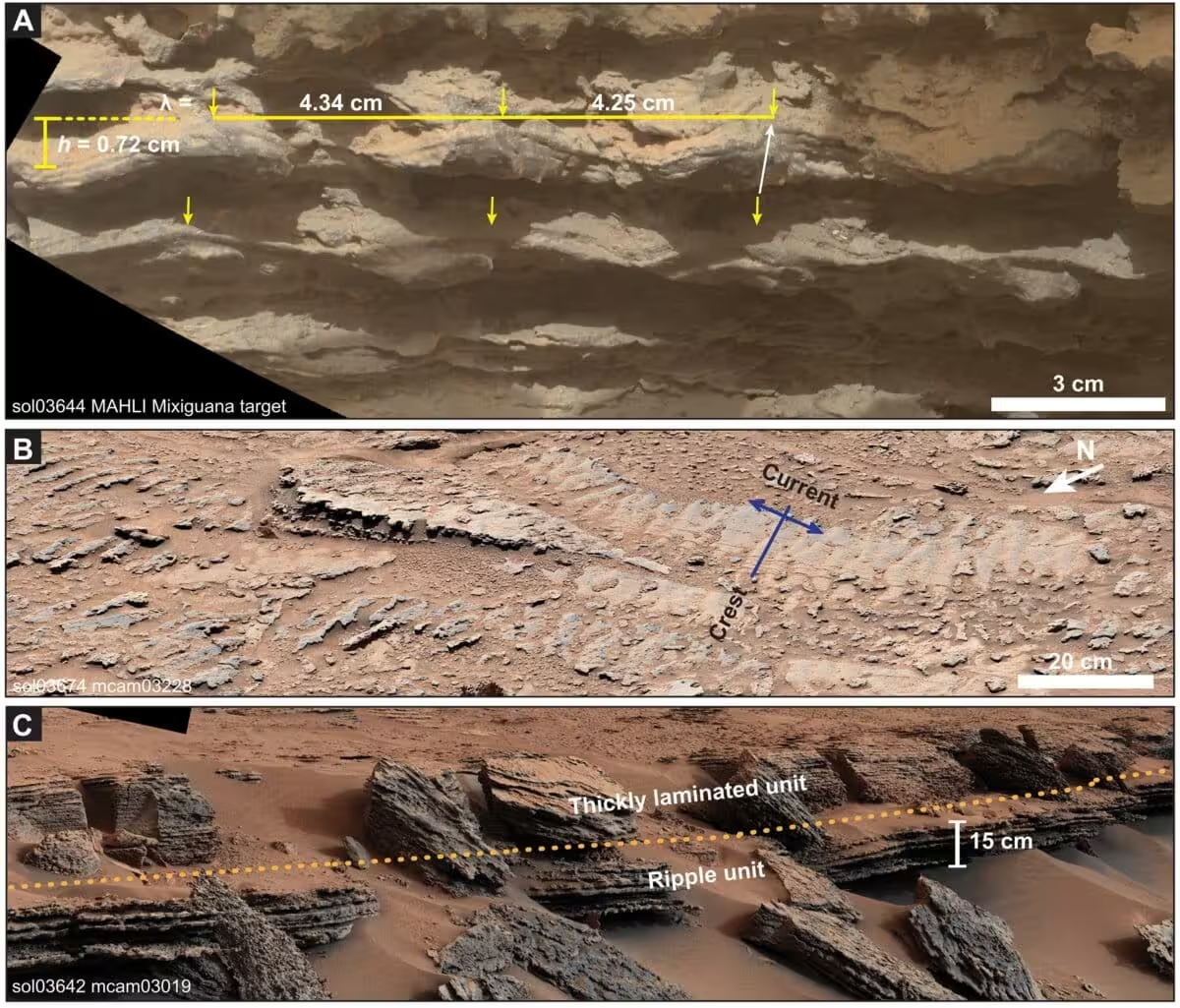
NASA’s Science Mission Directorate notes that alternating mudstone and sulfate strata throughout this region document a landscape that oscillated between deep lake conditions, shallow saline pools, and arid intervals. Together, the ripples, rhythmic layers, and Gediz Vallis debris suggest that Martian hydrologic activity continued well beyond earlier expectations.
Mineral Evidence Traces Lake Evaporation
Because the Marker Band resisted drilling, scientists have relied on surface instruments to probe its chemistry. Analyses by the Alpha Particle X‑ray Spectrometer (APXS) and the ChemCam laser, operated by Caltech and JPL, revealed elevated magnesium and calcium levels in the ripple‑bearing rocks. These elements commonly precipitate as water evaporates, concentrating dissolved salts until they crystallize on the lakebed.
The detection of these minerals aligns with the increasing sulfate content that characterizes this portion of Mount Sharp, indicating a gradual concentration of salts as the lake contracted. The chemical record therefore points to a slow transition from a relatively fresh lake to a brine that eventually disappeared.
Additional observations identified “boxwork” fracture patterns filled with mineral veins deposited by groundwater long after the surface water vanished. This suggests that subsurface liquid continued to circulate, subtly altering the crust even after the lake had dried, capturing multiple stages of the planetary transition.
Future Targets for Curiosity
The onset of Martian winter in late 2025 reduced power from Curiosity’s radioisotope generator, forcing the team to balance scientific goals with energy conservation. By April 2026, planners aim to route the rover around the steepest parts of the Gediz Vallis ridge, enabling closer study of the debris flows and refined estimates of the water volumes involved. The hardness of the Marker Band will keep direct drilling at bay until a softer segment is identified.
A senior review of the mission’s extended objectives is slated for May 2026, where funding and priorities will be set as the rover advances toward the White Hills, an area where orbital data hint at a shift in sulfate mineralogy. The next Planetary Data System release, scheduled for 15 March 2026, will provide full Mastcam panoramas of the Marker Band terrain.
From that point, Curiosity is expected to climb toward the sulfate‑to‑clay transition zone in June 2026, a sector of Mount Sharp that may preserve the final chapters of Martian surface water history.
This article has been fact checked for accuracy, with information verified against reputable sources. Learn more about us and our editorial process.
Last reviewed on .
Article history
- Latest version
Reference(s)
- Mondro, Claire A.., et al. “Wave ripples formed in ancient, ice-free lakes in Gale crater, Mars.” Science Advances, vol. 11, no. 3, January 17, 2025 American Association for the Advancement of Science (AAAS), doi: 10.1126/sciadv.adr0010. <https://www.science.org/doi/10.1126/sciadv.adr0010>.
Cite this page:
- Posted by Karan Das