Astronomers Have Found 12 Fading Galaxies That Reveal The Hidden Life Of Black Hole Jets
The discovery of twelve fading radio galaxies is revealing a hidden stage in the life of black hole jets, potentially reshaping our understanding of them.
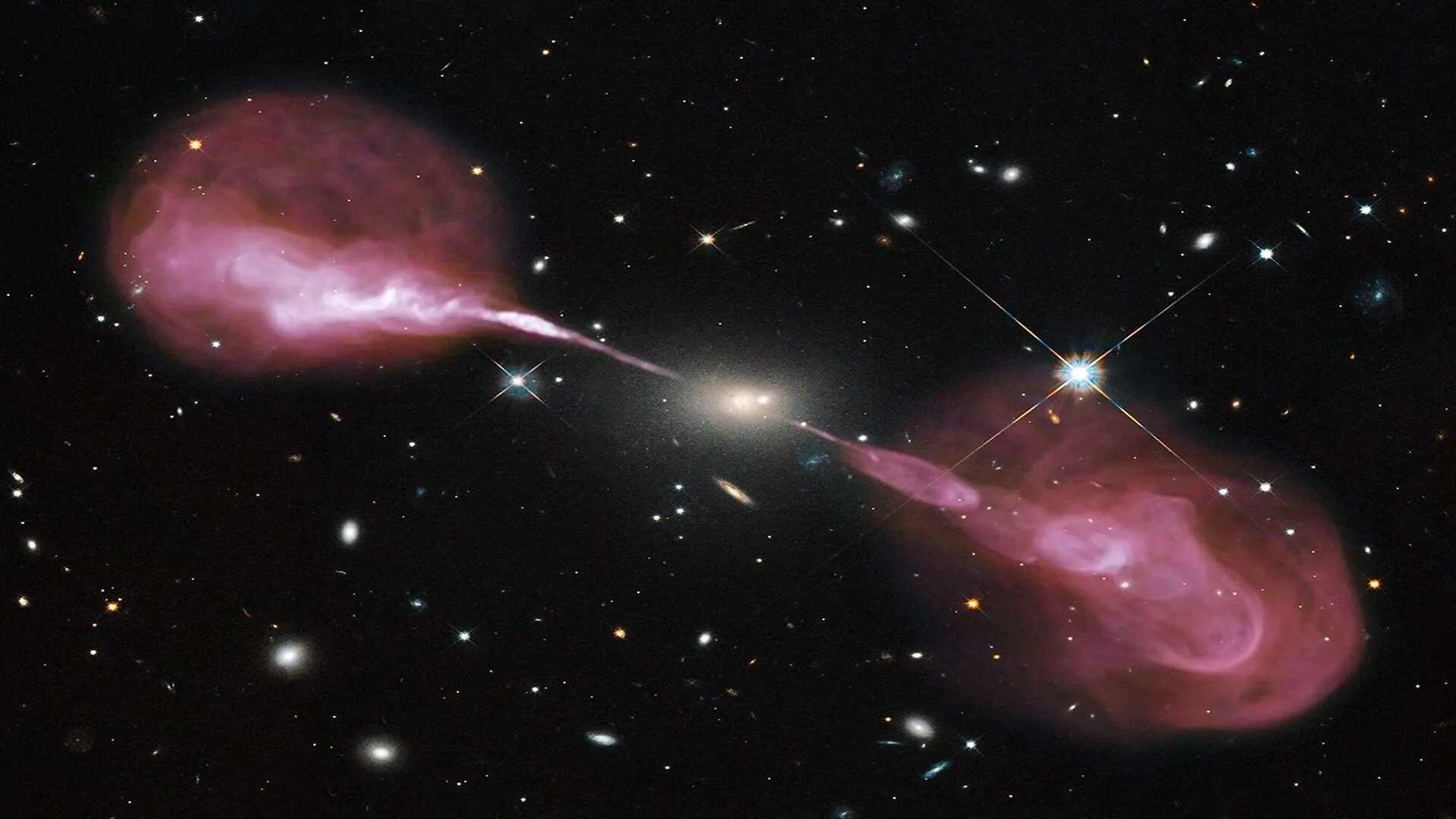
Astronomers have identified a elusive population of 12 “fossil” galaxies where the massive jets powered by central supermassive black holes have finally gone dark. By analyzing these cosmic remnants, researchers have uncovered a younger, more transient class of galaxy than previously documented, offering fresh insights into the cyclical nature of black hole activity.
The findings, detailed in the Monthly Notices of the Royal Astronomical Society, suggest that the lifespan of these radio-emitting structures may be shorter than models have traditionally assumed, particularly for galaxies located at great distances from Earth.
Unmasking the Ghost Galaxies
When a supermassive black hole is active, it launches twin relativistic jets that extend for hundreds of thousands of light-years, creating vast, radio-bright lobes. While scientists have long studied these active engines, the “remnant” phase—the period after the central engine shuts off but before the radio lobes completely vanish—remains difficult to capture. Because these fading structures are diffuse and lack a fresh energy supply, they are frequently overlooked in standard deep-field surveys.
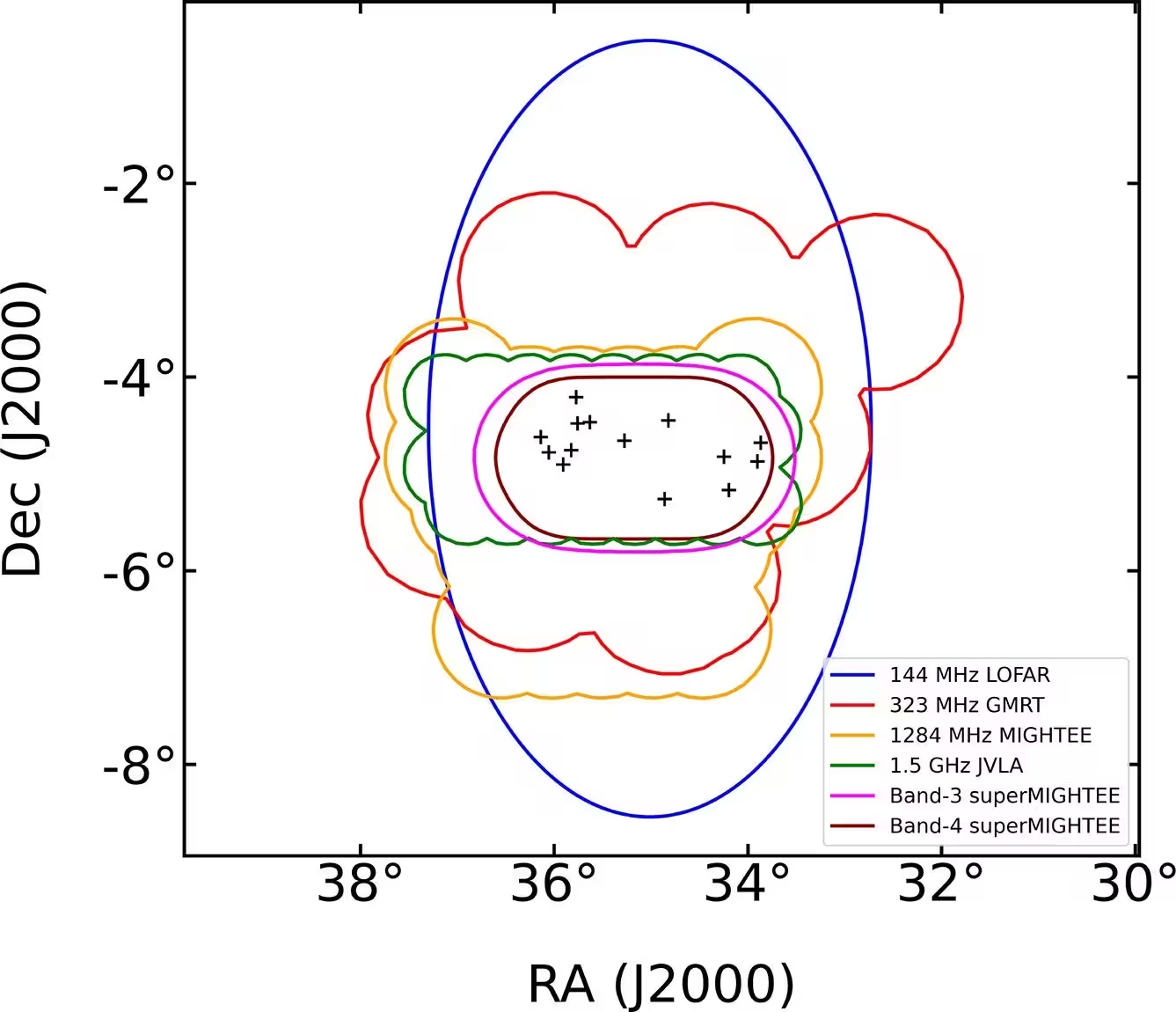
A research team led by scientists from the University of Cape Town and the Inter-University Institute for Data Intensive Astronomy set out to filter 14 potential candidates within the XMM–Newton Large-Scale Structure field. By applying rigorous spectral testing, the team confirmed that 12 of these sources were true remnants, while two others were misidentified and were, in fact, still active.
The Power of Multifrequency Analysis
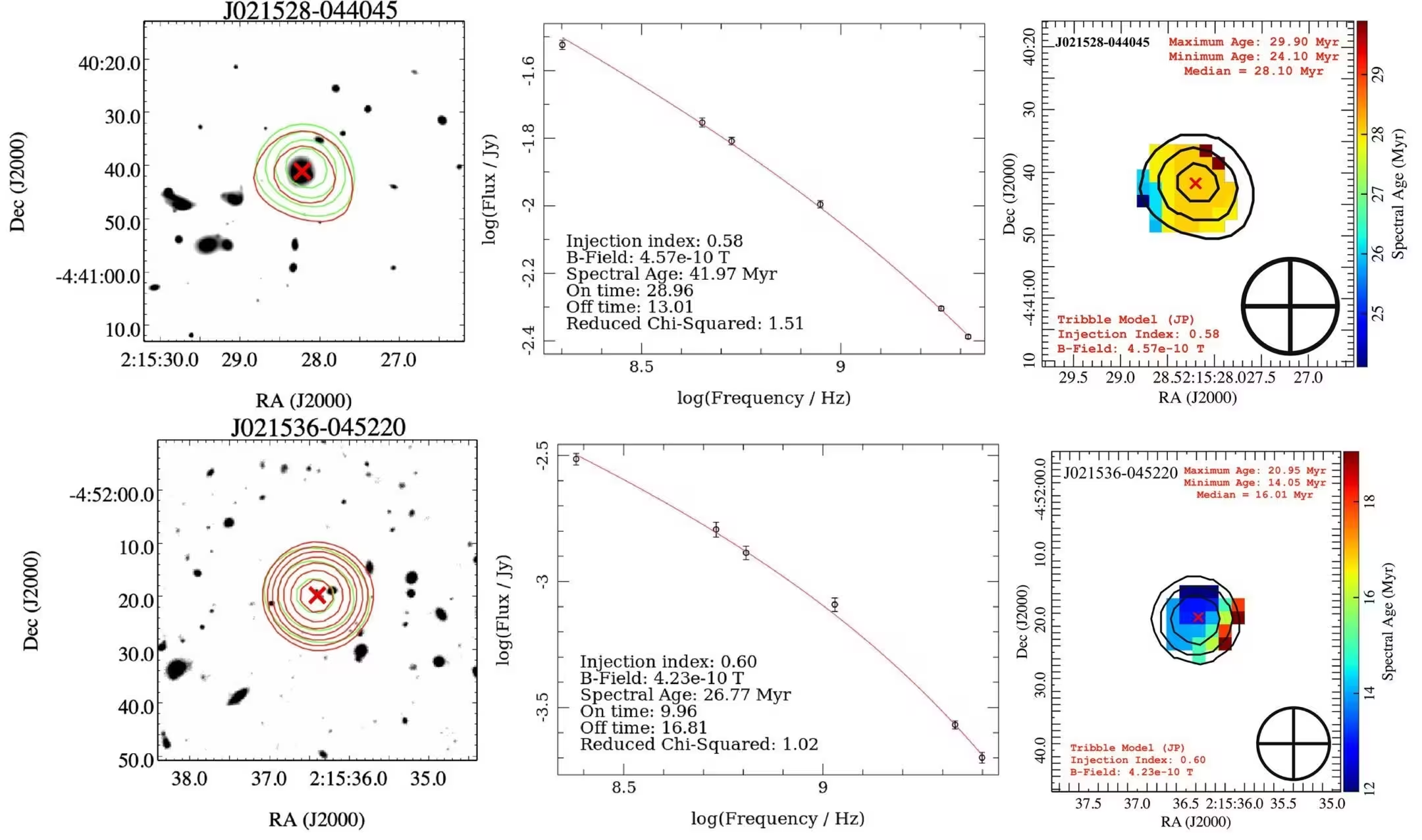
The key to the study’s success was the use of an exceptionally broad spectrum of radio data. By combining observations from the LOFAR, GMRT, and MeerKAT telescopes alongside the Jansky Very Large Array, the researchers were able to track how the energy of electrons within the lobes shifted over time. This process, known as synchrotron aging, allowed the team to distinguish between galaxies that had ceased their jet production and those merely appearing dim.
The reclassification of two candidates, which had previously been labeled as “remnants” based on limited three-frequency data, underscores the necessity of high-resolution, multi-frequency surveys. Without the full breadth of data, astronomers often misidentify the state of these high-energy systems.
A Shorter Lifecycle in the Deep Universe
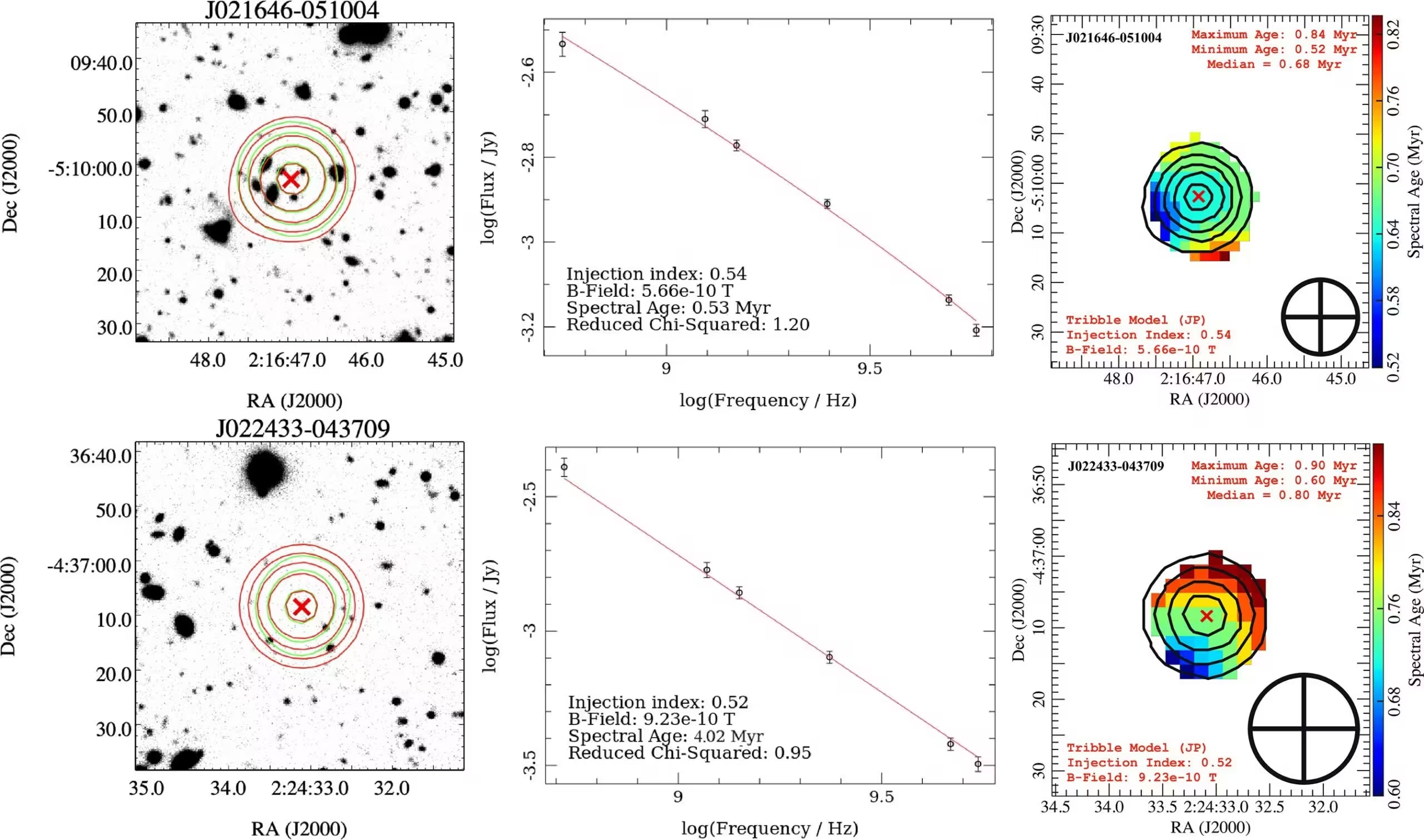
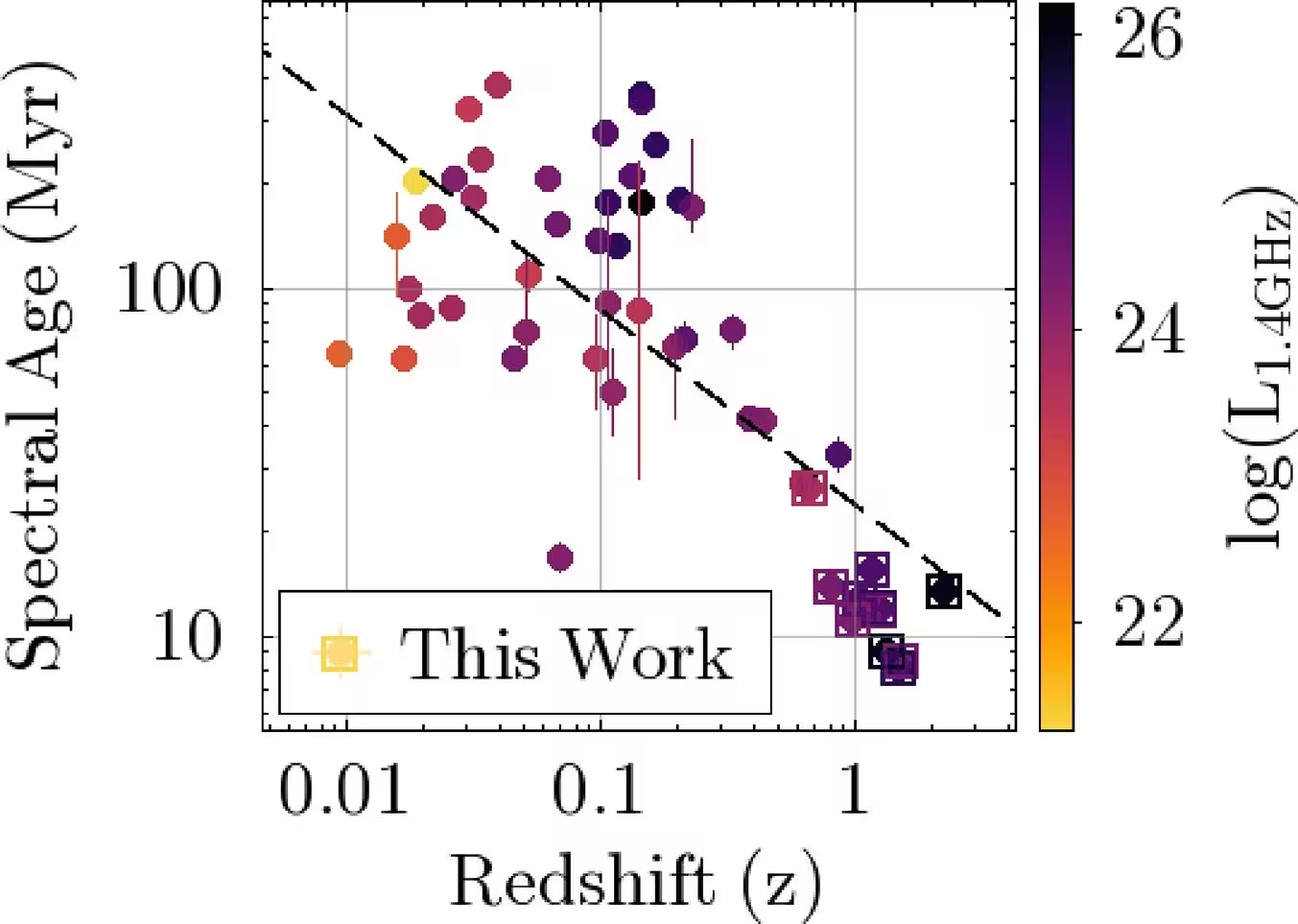
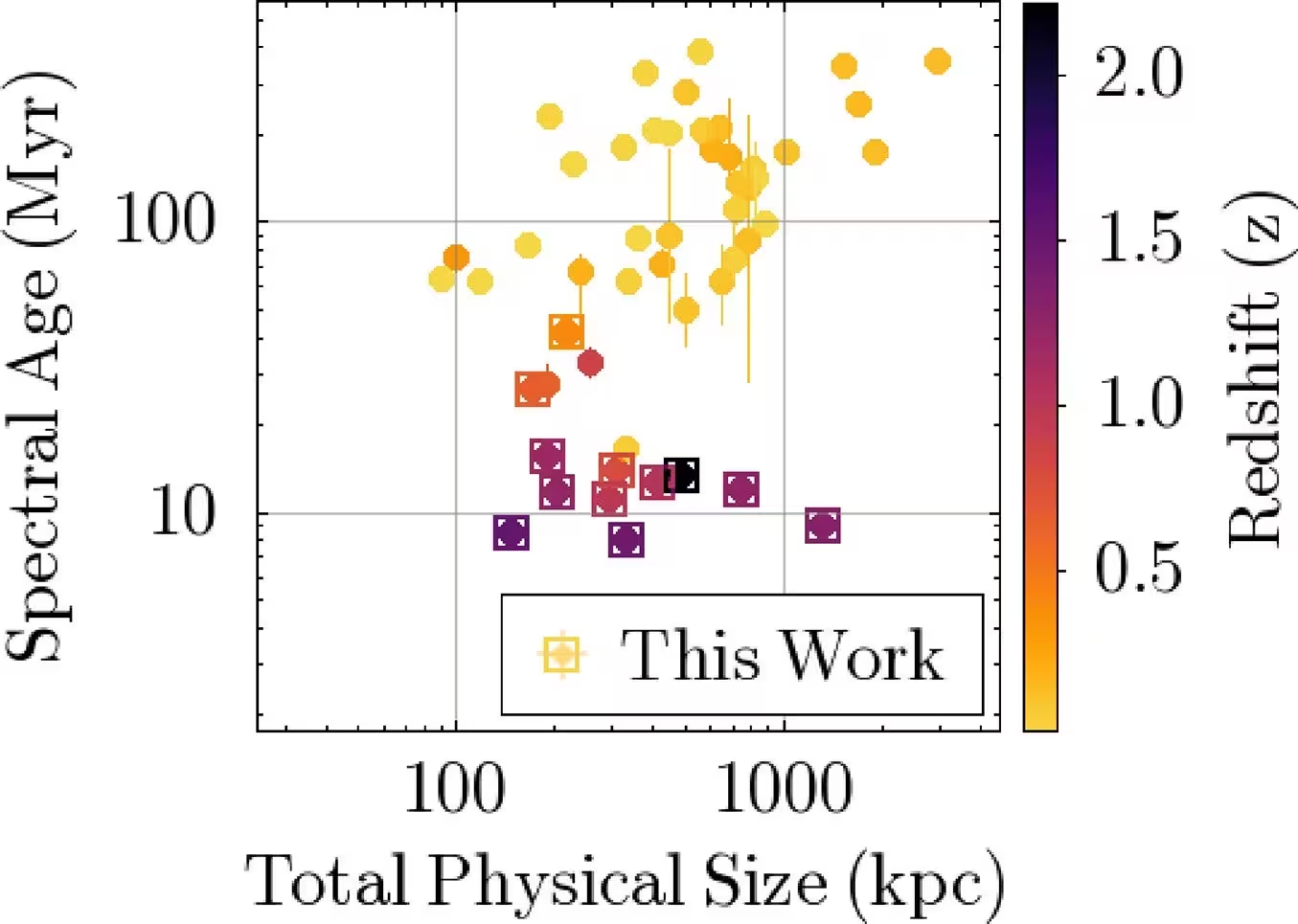
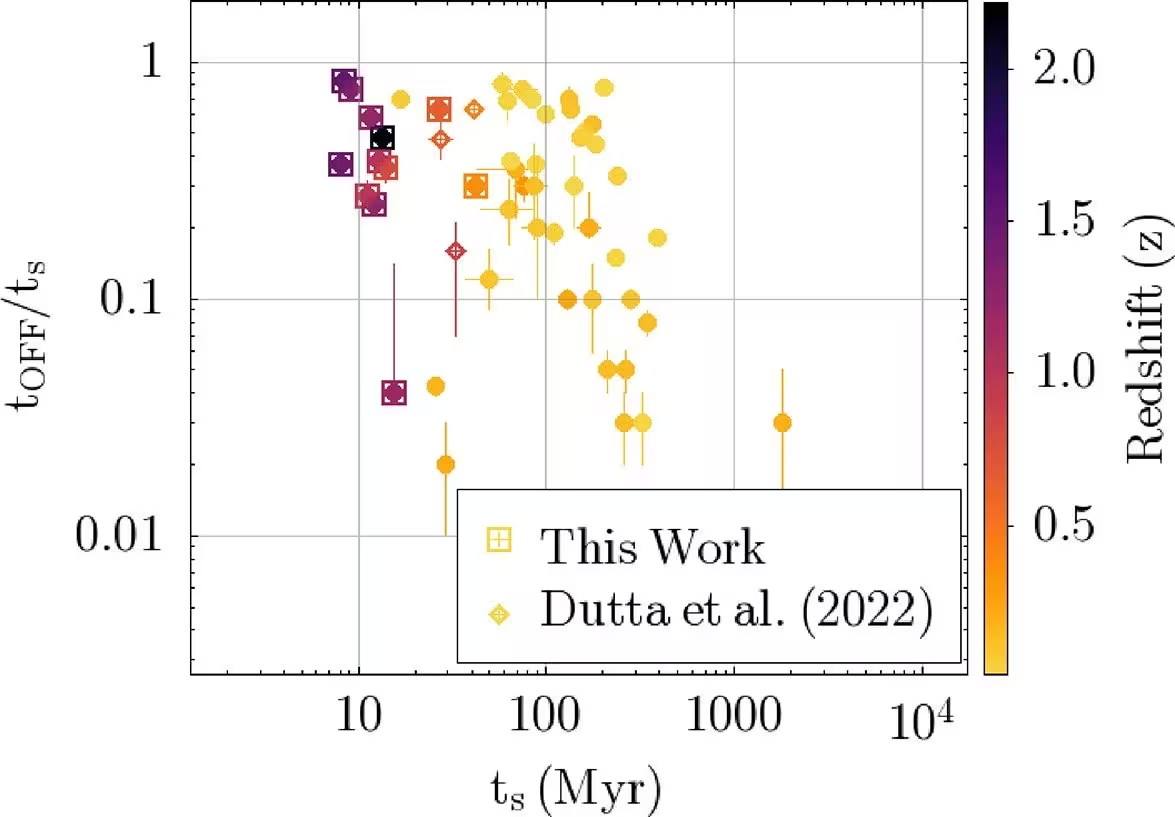
The confirmed remnants displayed spectral ages ranging from roughly 8 million to 42 million years, with a median age of about 12 million years. These figures are significantly lower than those typically attributed to older, more “classic” radio remnants.
Interestingly, the study identified a correlation between distance (redshift) and the apparent age of the remnants. At higher redshifts, the surrounding cosmic microwave background is denser. As the relativistic electrons interact with this background radiation, they lose energy much faster through inverse Compton scattering, causing the galaxies to “fade out” more rapidly than their counterparts in the local universe.
Internal Dynamics of Dying Lobes
The research also provided a detailed look at how these galaxies lose energy. In many of the larger, well-defined remnants, the team observed clear age gradients within the lobes. The plasma appears to flow back toward the center of the galaxy while simultaneously losing energy, a process that creates a distinct “inside-out” aging effect. Smaller, more compact remnants showed less orderly patterns, likely due to local environmental factors or magnetic field variations that disrupt the flow.
Future Surveys and the Search for Hidden History
By mapping these fading structures, astronomers are beginning to piece together the duty cycles of supermassive black holes—specifically, how often they switch on, how long they remain active, and how they eventually go silent. The researchers note that as future observatories like the Square Kilometre Array come online, the ability to detect even fainter, more distant remnants will revolutionize our understanding of black hole feedback mechanisms.
This work effectively demonstrates that the “afterlife” of a radio galaxy is not merely a period of static decay, but a dynamic, measurable phase that holds critical clues about the evolution of the most massive structures in the universe.
- AGN energetics and lifetimes from remnant radio galaxies (Monthly Notices of the Royal Astronomical Society)
- CosmoDRAGoN II: Remnant radio galaxies in group and cluster environments (Publications of the Astronomical Society of Australia)
- What Have We Learned about the Life Cycle of Radio Galaxies from New Radio Surveys (Galaxies)
- The Dynamics and Energetics of Remnant and Restarting RLAGN (Galaxies)
- Selecting and modelling remnant AGNs with limited spectral coverage (Monthly Notices of the Royal Astronomical Society)
This article has been fact checked for accuracy, with information verified against reputable sources. Learn more about us and our editorial process.
Last reviewed on .
Article history
- Latest version
Reference(s)
- “Home | University of Cape Town.” <https://www.uct.ac.za/>.
- “IDIA | Data-Intensive Astronomy, MeerKAT Science and Research Infrastructure.”, November 3, 2022 The Inter-University Institute for Data Intensive Astronomy <https://www.idia.ac.za/>.
- <https://academic.oup.com/mnras/article/537/1/343/7950838>.
- Stewart, Georgia. “CosmoDRAGoN II: Remnant radio galaxies in group and cluster environments | Publications of the Astronomical Society of Australia | Cambridge Core.”, vol. 42, pp. e152 Cambridge Core, doi: 10.1017/pasa.2025.10113. <https://www.cambridge.org/core/journals/publications-of-the-astronomical-society-of-australia/article/cosmodragon-ii-remnant-radio-galaxies-in-group-and-cluster-environments/CBDD3A7B77E41971B18B9DB1BA575FE3>.
- Morganti, Raffaella. “What Have We Learned about the Life Cycle of Radio Galaxies from New Radio Surveys.” Galaxies, vol. 12, no. 2, March 13, 2024, pp. 11 MDPI AG, doi: 10.3390/galaxies12020011. <https://doi.org/10.3390/galaxies12020011>.
- <https://www.mdpi.com/2075-4434/11/3/74>.
- <https://academic.oup.com/mnras/article/514/3/3466/6588050>.
Cite this page:
- Posted by Aisha Ahmed