Astronomers Discover Massive Rocky Planet That Should Not Exist According to Current Models
Astronomers have discovered a mysterious exoplanet that defies current planetary formation theories. How could such an unusual world possibly exist?
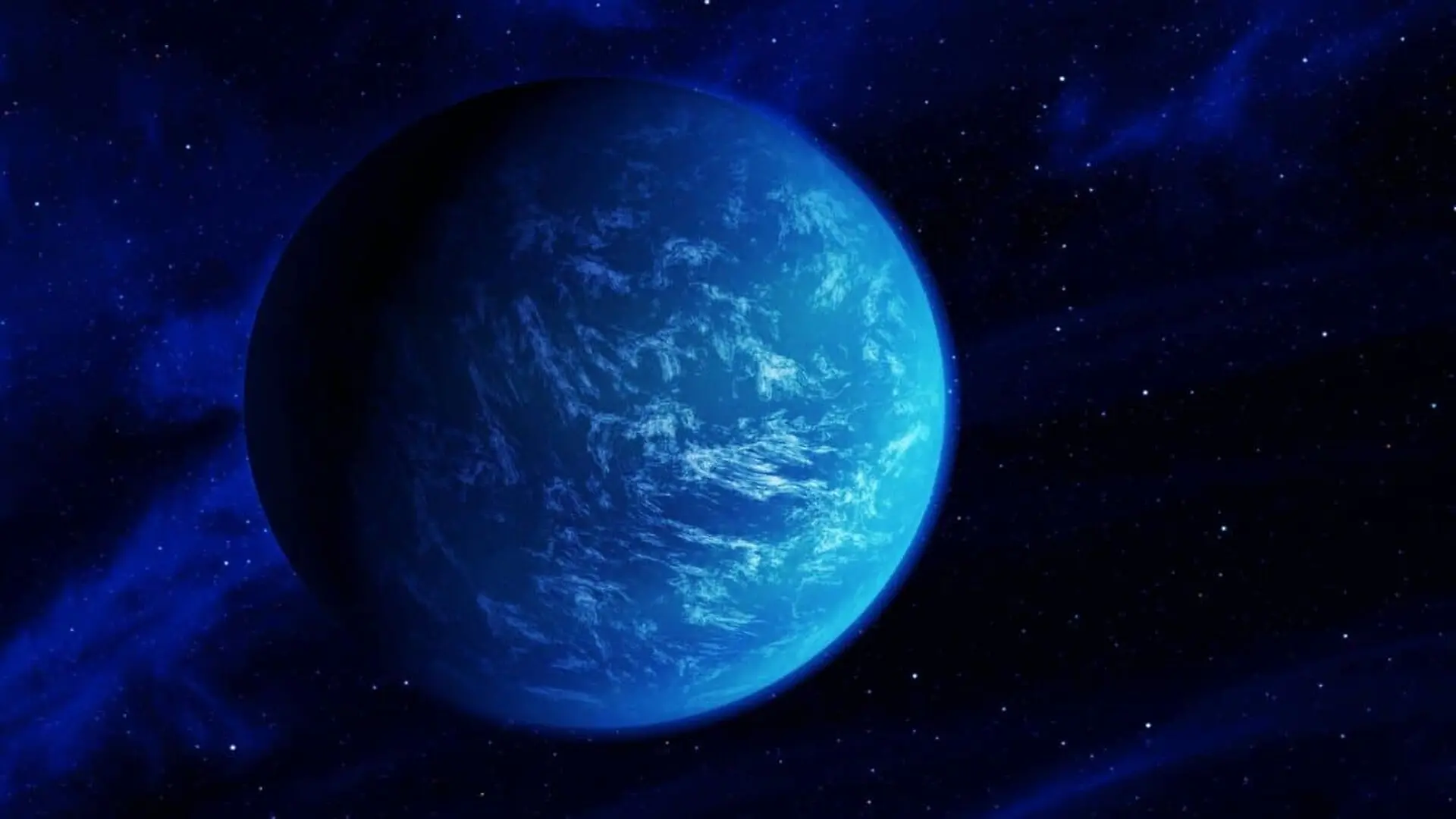
Astronomers have identified a striking exoplanet, GJ 523b, that defies established models of planetary development. Weighing in at approximately 23.5 times the mass of Earth, this rocky world has managed to avoid the gaseous transformation typically expected for planets of its scale. While it sits well beyond the critical mass threshold where scientists anticipate the accumulation of thick, hydrogen-rich atmospheres, it remains a dense, solid body, challenging existing theories on how worlds are constructed.
The planet, which measures about 2.55 times the radius of Earth, was initially detected by NASA’s Transiting Exoplanet Survey Satellite (TESS). By monitoring the subtle periodic dimming of a host star, researchers identified the candidate before conducting follow-up observations to pin down its physical characteristics. A team from the University of Wisconsin–Madison utilized the WIYN 3.5-meter Telescope at the Kitt Peak National Observatory in Arizona to measure the gravitational influence of the planet on its host. Their findings suggest the system is roughly 170 million years old, with GJ 523b maintaining a density of approximately 126.82 grams per cubic inch while completing a rapid orbit every 17.75 days.
Defying the Gas Giant Paradigm
GJ 523b occupies a precarious space in the planetary population, sitting firmly between the profiles of small rocky worlds like Earth or Mercury and the massive gas giants of our own solar system. Conventional formation theory posits that once a rocky core reaches roughly 20 times the mass of Earth, it should trigger a runaway accretion of gas from the surrounding protoplanetary disk, ultimately becoming a giant similar to Jupiter or Saturn. GJ 523b has clearly bypassed this outcome.
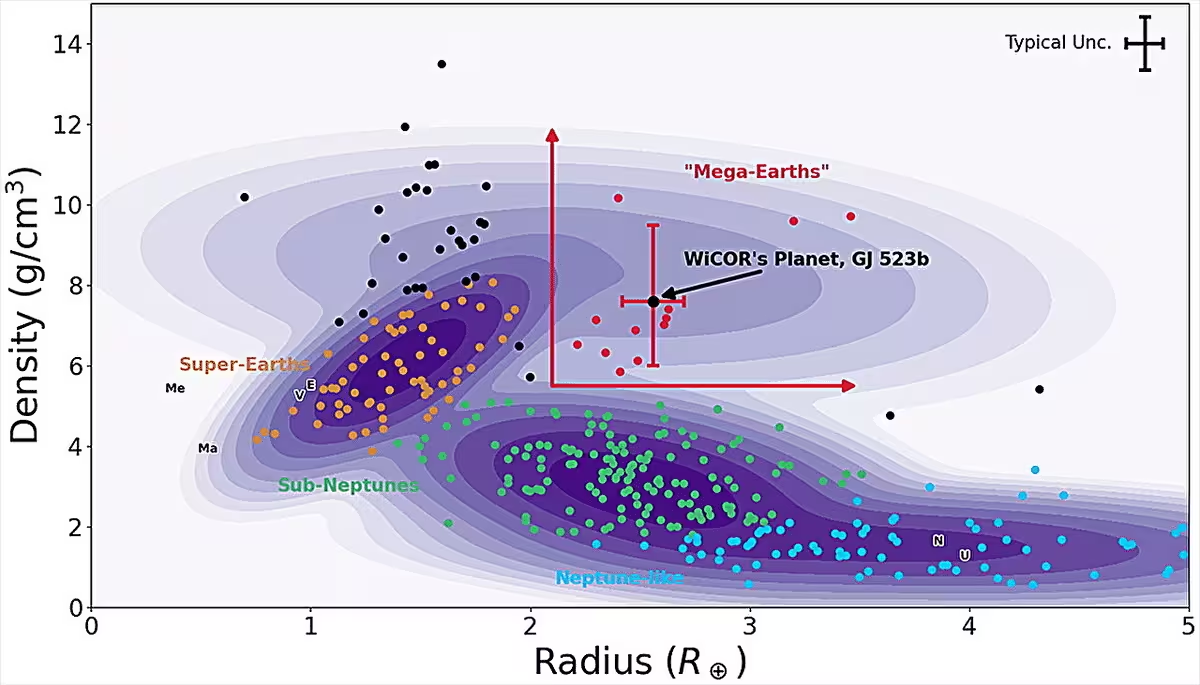
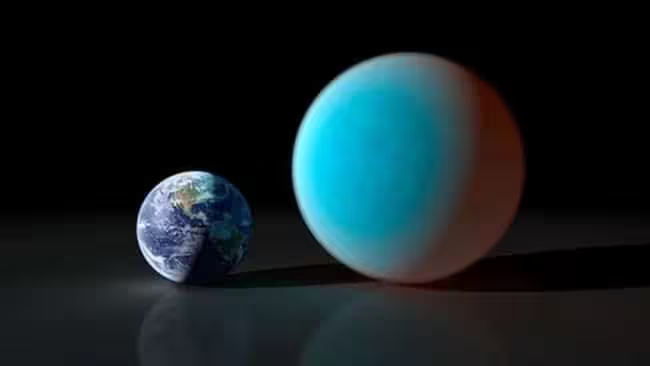
“This isn’t what we expected at all,” said Max Kroft, the study’s lead author. “Dense planets like this aren’t uncommon, but they’re usually small rocky planets similar to Earth or Mercury. This planet is two and a half times bigger than the Earth.”
Hypothesizing the Origins of an Anomaly
The study, recently published via arXiv, explores several potential explanations for the planet’s unique composition. Researchers suggest that GJ 523b may have originally possessed a significant atmosphere that was subsequently stripped away by the intense radiation and stellar winds of its young host star. Alternatively, the planet could be the byproduct of a violent collision between two smaller worlds, a cataclysmic event that would have effectively merged their rocky cores while ejecting the majority of their volatile gaseous envelopes into space.
While these theories are compelling, they remain speculative. Because GJ 523b currently stands alone as a single data point, astronomers are hesitant to draw broad conclusions about planetary formation until a larger sample of similar “mega-Earths” can be analyzed. Kroft emphasized the limitations of the current discovery, noting that a catalog of roughly 20 to 30 such planets would be necessary to identify the systemic trends that might explain how such outliers emerge in the galaxy.
For now, GJ 523b serves as a crucial reminder of the limitations of our current understanding. Whether this planet represents a rare evolutionary fluke or a previously undetected category of world, its existence necessitates a deeper look at the transition points between rocky planets and gas giants, potentially rewriting the rules of how planetary systems assemble themselves across the cosmos.
This article has been fact checked for accuracy, with information verified against reputable sources. Learn more about us and our editorial process.
Last reviewed on .
Article history
- Latest version
Reference(s)
- Kroft, Maxwell. “GJ 523b is a Massive, 170 Myr-old Mega-Earth, Likely on a Polar Orbit.” arXiv.org <https://arxiv.org/abs/2603.24682>.
Cite this page:
- Posted by Aisha Ahmed