Scientists Are Racing to Build a Radio Telescope on the Moon Before We Lose Our Last Quiet Spot
A mysterious 1977 signal has sparked a lunar mission to place a telescope on the Moon’s far side, hunting for hidden messages and rare cosmic phenomena.
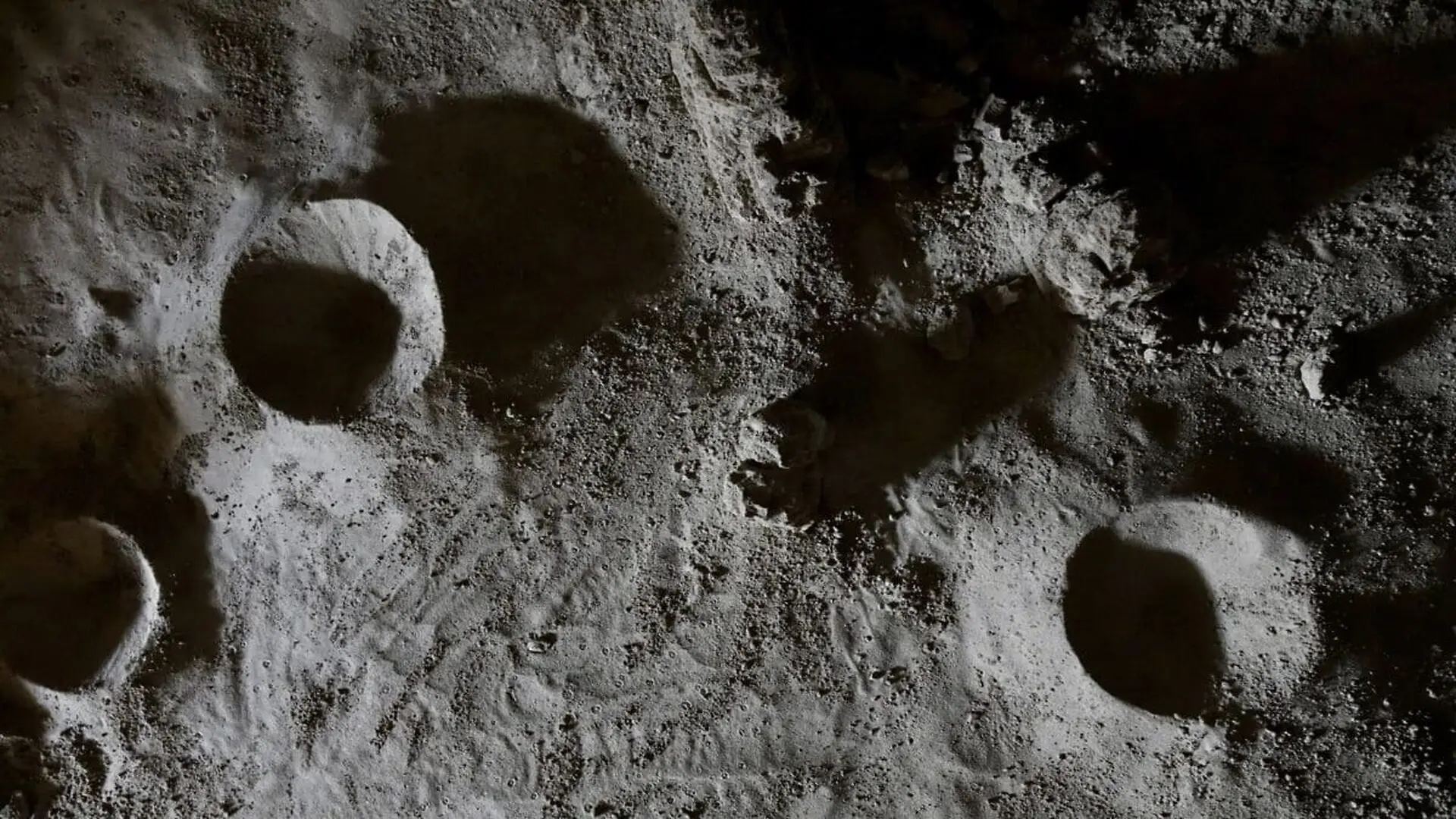
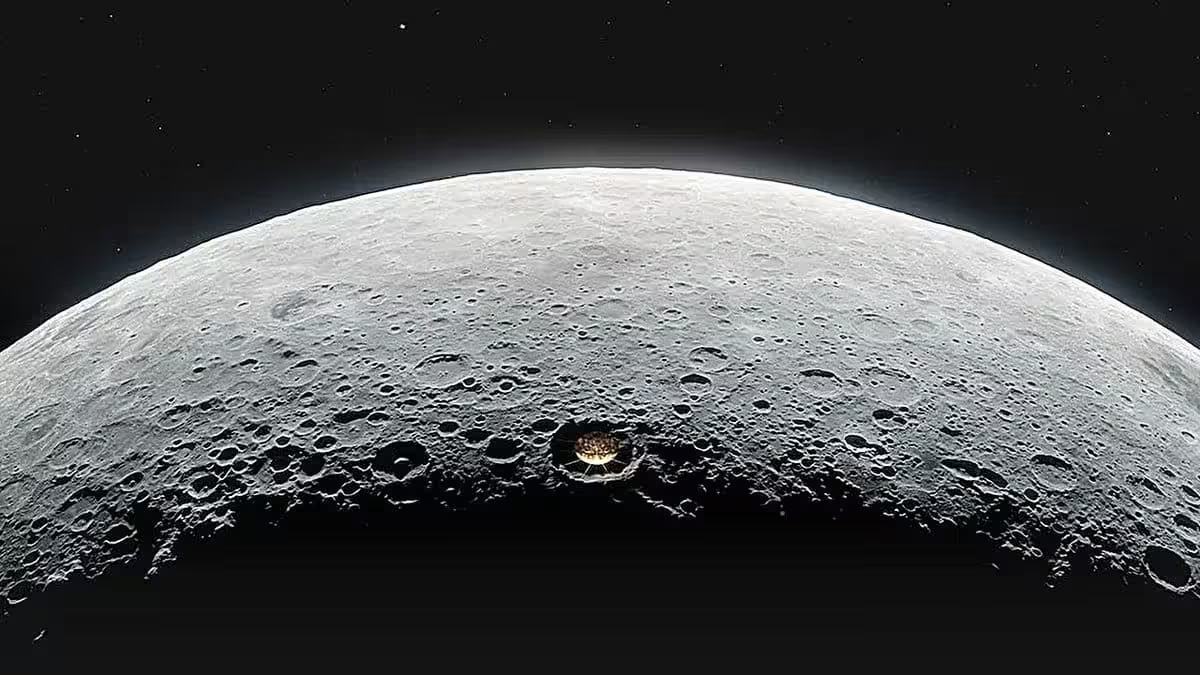
A new proposal for a specialized lunar observatory aims to secure a foothold on the far side of the Moon before the region’s pristine radio environment is compromised by human expansion. Known as the Lunar Farside Transients and Technology Telescope (LFT3), the project seeks to establish a high-sensitivity station capable of detecting faint cosmic signals, ranging from enigmatic fast radio bursts to potential signatures of extraterrestrial technology.
For generations, the far side of the Moon has been considered the premier location for radio astronomy. Shielded from the relentless barrage of radio noise generated by Earth-based radar, telecommunications, and satellites, this region provides a rare sanctuary of silence. However, as lunar exploration accelerates, this natural protection is under threat. Experts warn that the same radio interference that now masks the cosmos from Earth could soon migrate to the lunar surface, potentially obscuring signals like the legendary 1977 “Wow!” signal, which would be nearly impossible to distinguish from modern digital noise today.
Racing Against the Clock for Radio Silence
The urgency behind the LFT3 initiative is driven by the rapid increase in lunar activity. According to a preprint study published on arXiv by lead researcher David DeBoer of the University of Oxford, the window to deploy a sensitive radio observatory in an interference-free zone is closing. As more landers and orbiters arrive at the Moon by 2030, the accumulation of radio-frequency interference (RFI) is expected to rise significantly.
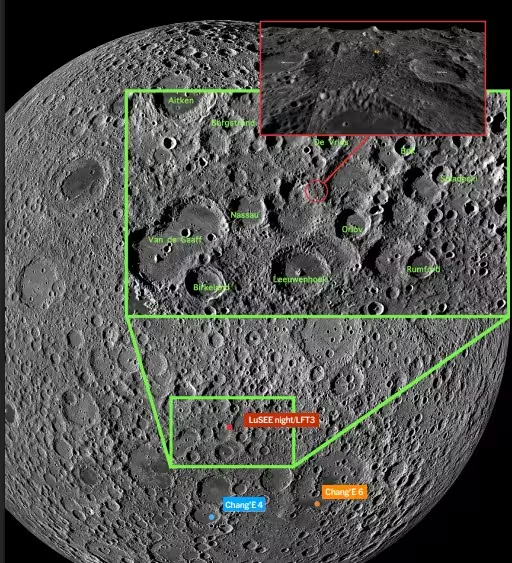
The mission team proposes utilizing NASA Commercial Lunar Payload Services (CLPS) to deliver the telescope to the lunar surface. With an estimated budget of $150 million, the developers aim to deploy the facility before the end of the decade, capitalizing on the far side of the moon’s current isolation.
Exploring the Frontiers of Cosmic Radio Astronomy
Designed for a 20-week operational window, the LFT3 observatory would monitor the HF, VHF, and UHF frequency bands. The research scope is ambitious, covering three primary pillars of modern astrophysics. In collaboration with the Breakthrough Listen program, the telescope will actively scan for technosignatures, or potential evidence of technological activity from advanced civilizations. Furthermore, the observatory aims to detect exoplanetary auroras to better understand the magnetic properties of distant worlds, as well as track fast radio bursts (FRBs) and other unusual signals that are typically obscured by Earth’s noisy atmospheric and human-made radio background.
Overcoming Harsh Lunar Engineering Constraints
Operating on the lunar surface requires overcoming extreme thermal shifts, where temperatures swing from a searing 120°C (248°F) during the day to a freezing -130°C (-202°F) at night. Beyond environmental protection, data management presents a unique hurdle. Because the far side is blocked from direct view of Earth, all findings must be relayed through an orbital communications satellite.
Current infrastructure restricts data transfers to roughly 100 GB per month. To overcome this, the LFT3 proposal, detailed in the official mission brochure, incorporates on-site data processing. By utilizing radiation-hardened computing systems, the telescope will perform real-time filtering of raw data, transmitting only the most scientifically valuable findings to Earth. While funding for the mission is still being sought, the project remains a critical proposed step toward maintaining a window into the deep universe in an increasingly cluttered orbital environment.
This article has been fact checked for accuracy, with information verified against reputable sources. Learn more about us and our editorial process.
Last reviewed on .
Article history
- Latest version
Reference(s)
- DeBoer, David. “The Lunar Farside Transients and Technology Telescope (LFT3) Mission.” arXiv.org <https://arxiv.org/abs/2607.25762>.
- “Dr. David DeBoer.” University of Oxford Department of Physics <https://www.physics.ox.ac.uk/our-people/deboer>.
- “Commercial Lunar Payload Services - NASA.”, January 5, 2024 NASA <https://www.nasa.gov/commercial-lunar-payload-services/>.
- “Breakthrough Initiatives.” <https://breakthroughinitiatives.org/initiative/1>.
- “Brochure.” <https://lft3.space/brochure.pdf>.
Cite this page:
- Posted by Aisha Ahmed