NASA Is Sending Humanoid Robots to the Moon to Assist Future Astronaut Missions
NASA is developing advanced humanoid robots to assist astronauts on future lunar missions, potentially transforming how we explore the Moon’s surface.
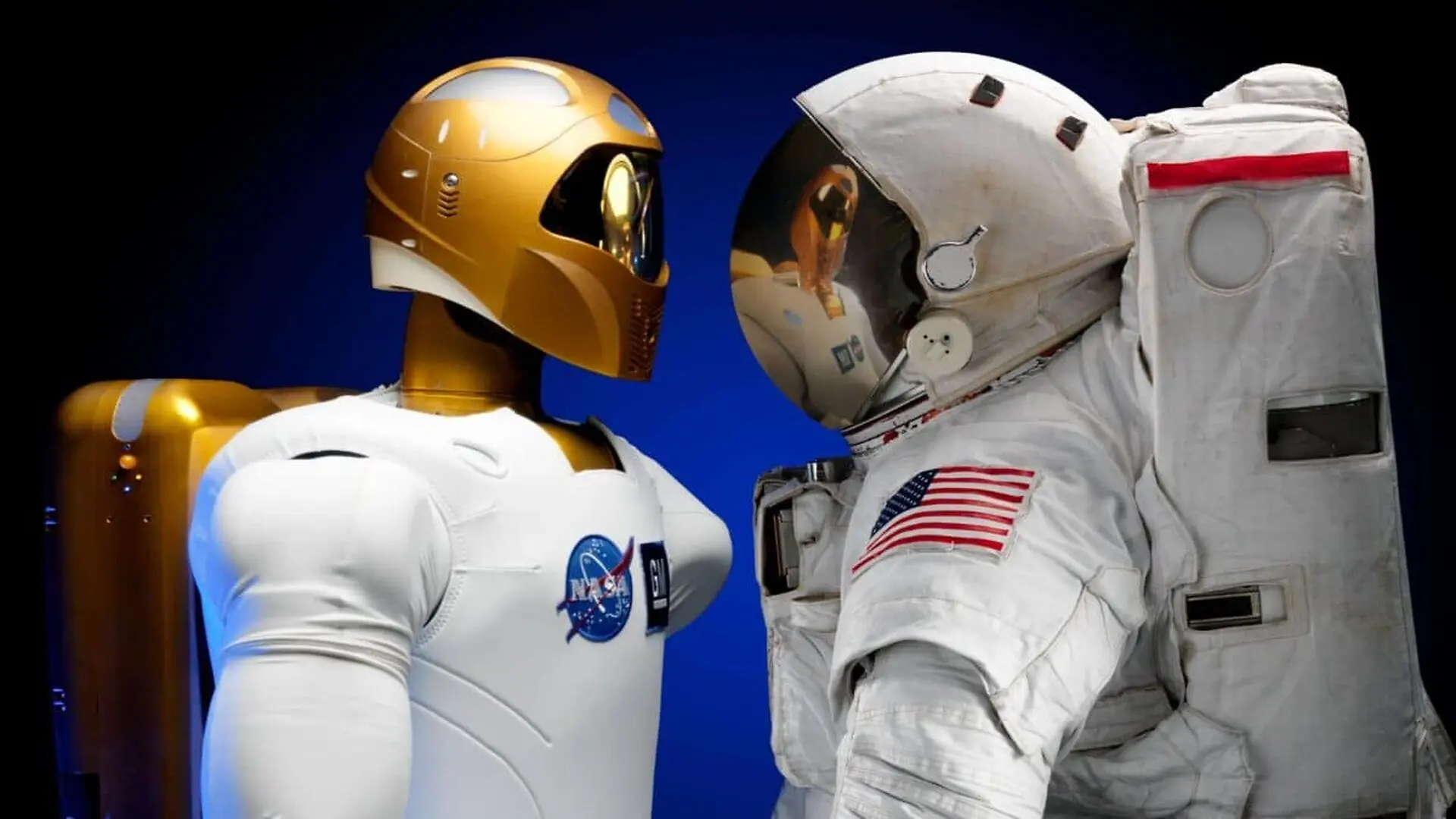
NASA is accelerating its development of humanoid robotics, aiming to integrate advanced machines into future crewed missions to the Moon and Mars. By assigning physically demanding and hazardous tasks to robotic counterparts, the agency intends to optimize the performance of human astronauts, allowing them to dedicate their time to high-level scientific research and exploration.
Based at the Johnson Space Center in Houston, the agency’s Dexterous Robotics Team is engineering machines capable of thriving in the unforgiving conditions of deep space. These robots must be designed to withstand extreme challenges, including intense solar radiation, the abrasive nature of lunar regolith, and the complexities of operating within microgravity environments, all while ensuring absolute reliability when working in close proximity to human crews.
Robots as Partners, Not Replacements
Contrary to the notion that technology might eventually supplant human presence in space, NASA officials emphasize that their objective is strictly augmentation. Shaun Azimi, who leads the Dexterous Robotics Team, maintains that the program is focused on enhancing the safety and sustainability of long-duration human spaceflight rather than replacing explorers.
“Our team is not trying to replace human explorers with robots, but instead make human exploration safer and more sustainable.”
To achieve this, engineers are focusing on critical tasks where robotic intervention provides the most value, such as handling repetitive cargo operations, performing dangerous exterior repairs, or managing heavy equipment. This requires a sophisticated integration of mechatronics and specialized software to ensure robots can navigate and manipulate objects within environments originally designed for human use.
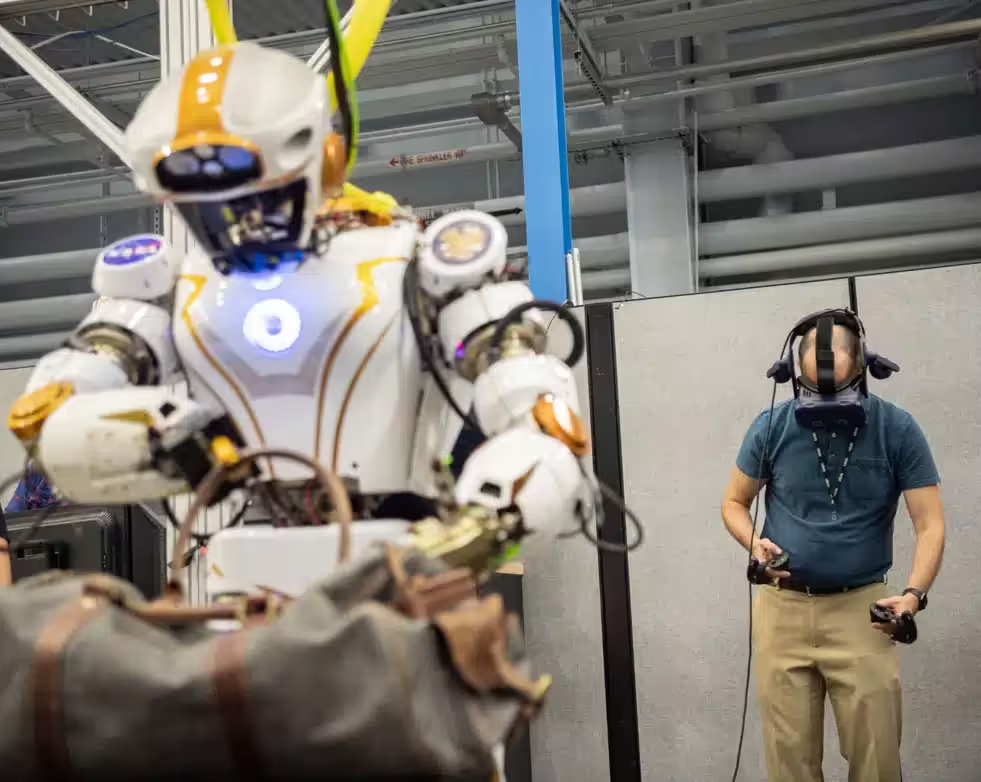
Lessons from Valkyrie and Robonaut 2
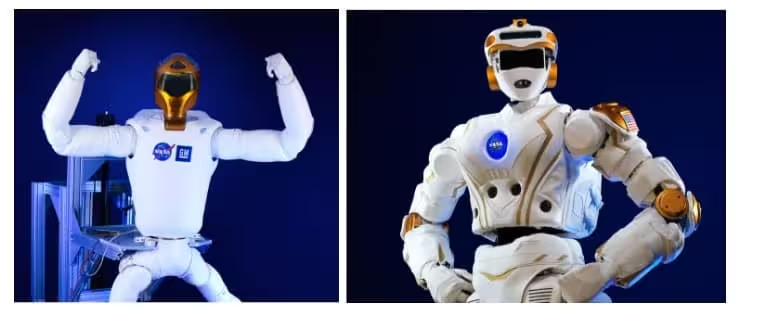
The current generation of humanoid projects draws heavily from years of testing. The Valkyrie project, which reached completion in 2013, established a foundational platform for studying bipedal robotic interaction. A notable demonstration in 2024 showcased the robot’s ability to assist crew members by handling gear, while its predecessor, Robonaut 2, successfully made history as the first two-legged robot deployed to the International Space Station. These efforts provided essential data on how humanoid systems function in confined, human-centric spaces, informing the design of upcoming lunar habitats.
Testing for Lunar Realities
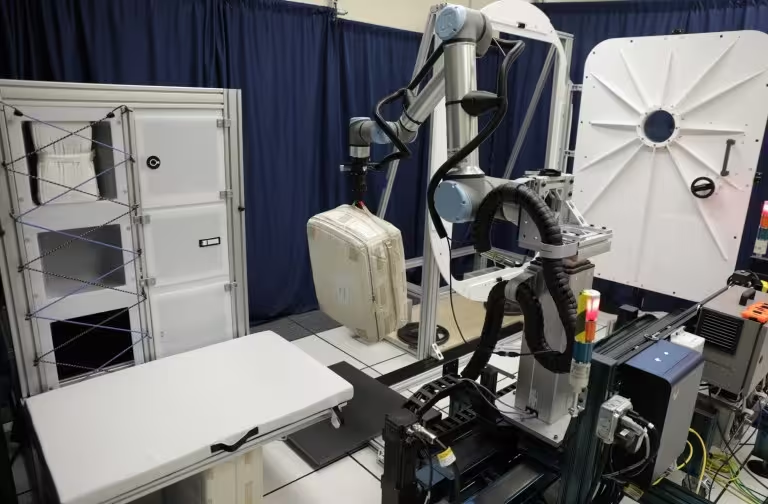
To refine these systems, NASA utilizes the Integrated Mobile Evaluation Testbed for Robotics Operations (iMETRO) at the Johnson Space Center. This simulation facility replicates the lunar surface and habitat interiors, allowing researchers to stress-test robotic performance in realistic scenarios.
Recent trials conducted in collaboration with the robotics firm PickNik have focused on everyday logistics, such as robotic arms identifying, opening, and accessing spacecraft cargo hatches. While these actions may appear routine, automating them preserves human energy and reduces physical fatigue during long-term missions. As Azimi noted, increasing the capability of these machines allows the crew to focus on the complex, human-centric work that defines space exploration.
This article has been fact checked for accuracy, with information verified against reputable sources. Learn more about us and our editorial process.
Last reviewed on .
Article history
- Latest version
Reference(s)
- “Shaun Azimi.” <https://scholar.google.com/citations?user=zQVZ9GQAAAAJ&hl=en>.
- Grimm, Linda. “Reliable Robots: Meet Johnson’s Dexterous Robotics Team - NASA.”, September 28, 2026 NASA <https://www.nasa.gov/centers-and-facilities/johnson/reliable-robots-meet-johnsons-dexterous-robotics-team/>.
- “R5 Fact Sheet.” <https://www.nasa.gov/wp-content/uploads/2023/06/r5-fact-sheet.pdf>.
- “Robonaut2 - NASA.”, April 3, 2023 NASA <https://www.nasa.gov/robonaut2/>.
- Azimi, Shaun. “iMETRO (Integrated Mobile Evaluation Testbed for Robotics Operations) Facility.”, August 12, 2023 <https://ntrs.nasa.gov/citations/20230015485>.
- “PickNik Robotics Company History.” PickNik <https://picknik.ai/>.
Cite this page:
- Posted by Karan Das