Archaeologists Uncover Perfectly Preserved Roman Wardrobe Frozen In Time At Pompeii
Archaeologists at Pompeii have uncovered the preserved imprint of a wooden wardrobe, revealing haunting, everyday details of life frozen in time.
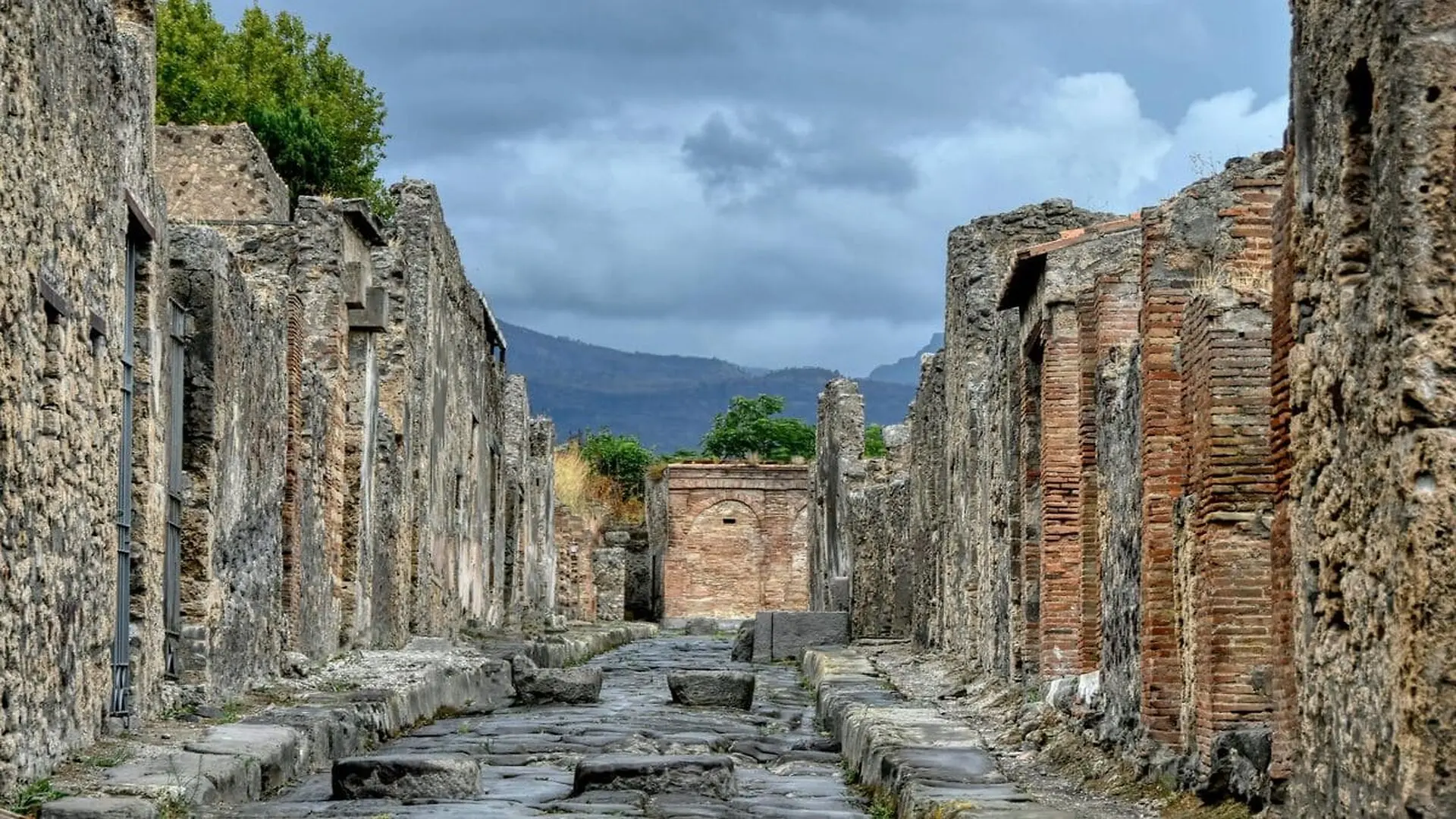
Archaeologists working at the site of Pompeii have unearthed a remarkable structural remnant from the Vesuvius eruption of AD 79: the precise imprint of a wooden wardrobe. The discovery, located in a residence within Regio IX, offers a rare, tangible link to the daily lives of those caught in the volcanic catastrophe nearly two millennia ago.
The cabinet was situated in the back rooms of a property identified as IX 11, 7, which fronts the prominent Via dell’Abbondanza. Excavation teams uncovered the feature while clearing approximately 2.5 meters (8 feet) of earth to dismantle old scaffolding and restore the nearby Insula of the Chaste Lovers.
Ghostly Remains in Volcanic Ash
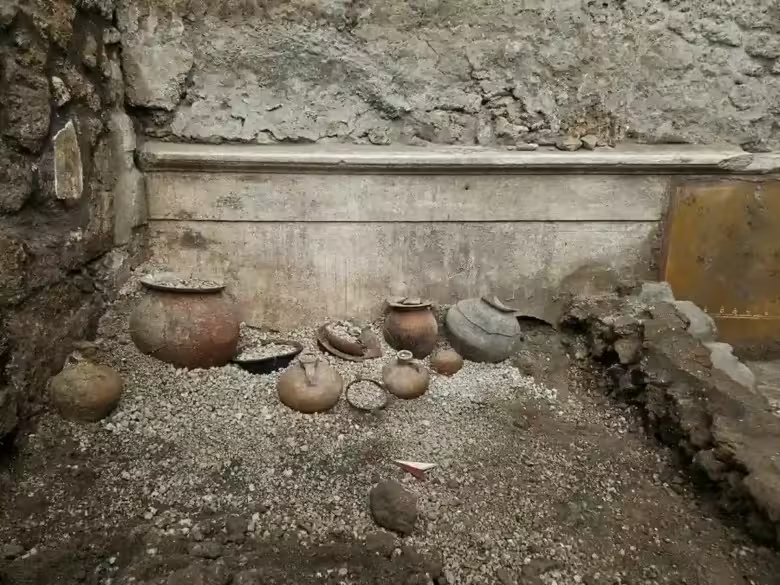
Over the centuries, the wood of the cabinet decayed, but the surrounding volcanic ash had hardened into a durable mold, preserving the object’s form in a process similar to the Pompeii body casts. The team successfully mapped a two-winged, L-shaped cabinet measuring roughly 2 meters (6.5 feet) in length. Structural details remain visible, including the configuration of its slat walls, base planks, and the iron fittings that once anchored the furniture to the floor.
While the wardrobe’s structure survived, its contents show signs of historical interference. Evidence suggests that looters tunneled into the room at some point after the eruption, leaving behind a collection of bronze tableware—including a jug and lamp—that they ultimately failed to retrieve. This discovery aligns with broader findings from the park that indicate survivors occasionally returned to the ruins to salvage personal property.
A Collection of Personal Tokens
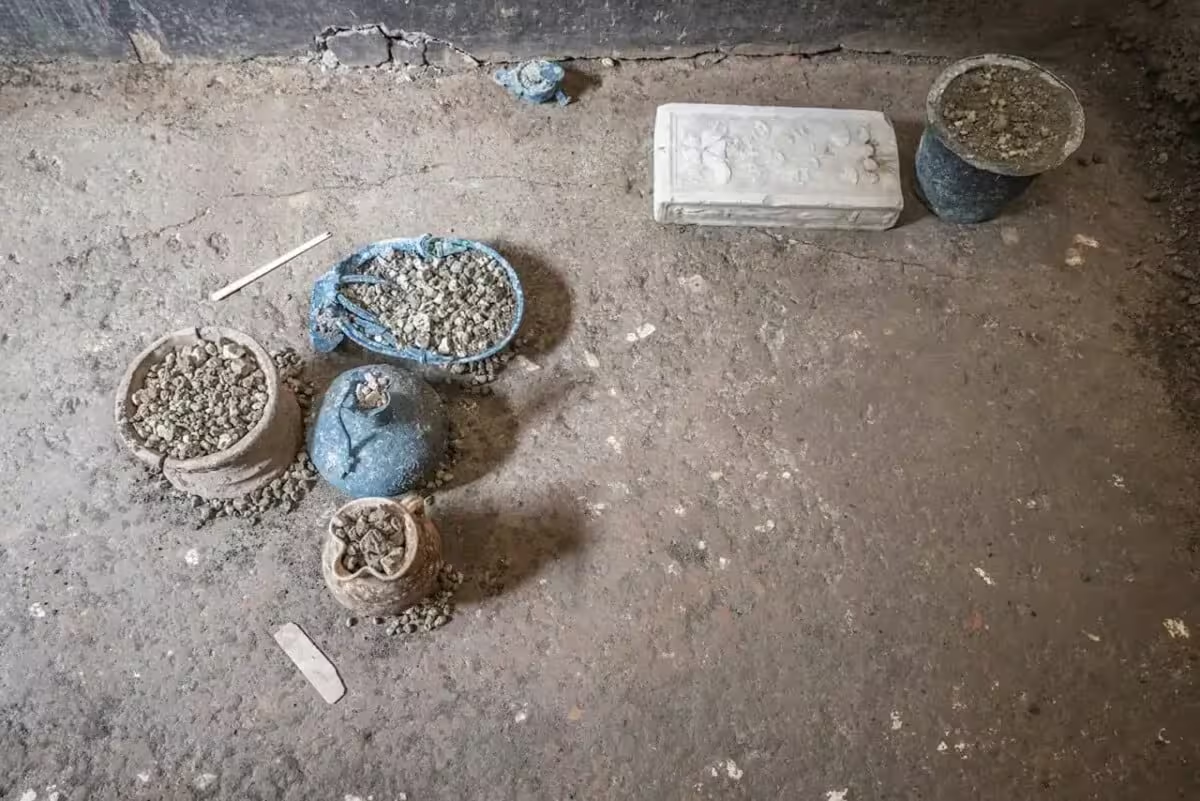
Tucked within the remains of the cabinet were twenty-four small, perforated objects made of bone, glass paste, rock crystal, and faience. These artifacts are identified as crepundia—amulets often worn by children. The items feature depictions of deities like Mercury and the Egyptian protector Bes. Researchers suggest that such objects, while child-centric, were often held onto by adults as sentimental mementos of their youth.
Financial Records and Unanswered Questions
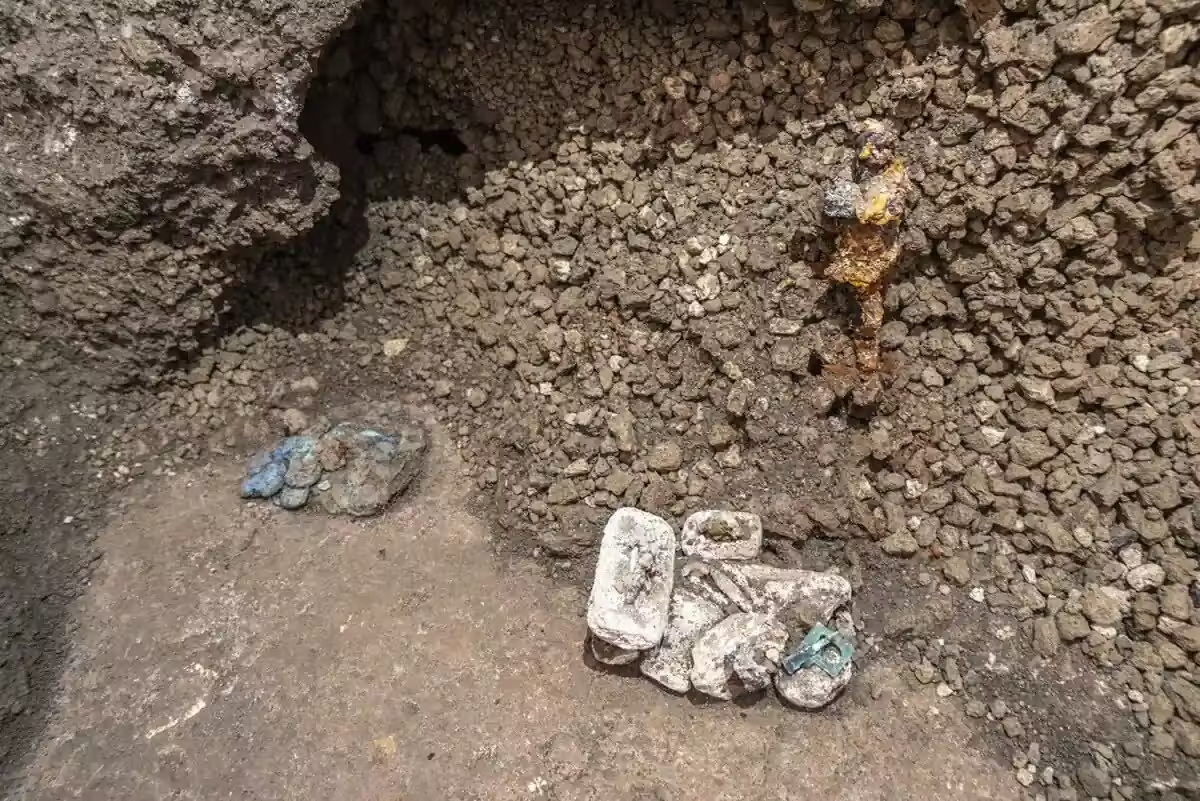
Near the amulets, archaeologists recovered a small cache of 38 bronze coins and eight lead weights. While two coins were notably worn and aged, the majority date to the reign of Nero, with a significant portion minted in AD 65. The total value, roughly 56 asses, is estimated to have been sufficient to purchase fourteen cups of high-quality Falernian wine at the time.
Despite the intimate nature of the finds, the identity of the household’s inhabitants remains elusive. Scholars propose two main possibilities: the residents either evacuated successfully or perished during the disaster, with their remaining goods potentially falling under the redistribution efforts of Emperor Titus. For now, the identity of the person who curated these amulets and maintained this small cash reserve remains one of the many secrets held by the ruins of Pompeii.
This article has been fact checked for accuracy, with information verified against reputable sources. Learn more about us and our editorial process.
Last reviewed on .
Article history
- Latest version
Cite this page:
- Posted by Zara Tariq