Archaeologists Just Found the Lost 1,300-Year-Old Palace of Japan’s Legendary Princesses
Archaeologists have unearthed massive 1,300-year-old palace pillars buried beneath a quiet Japanese town, revealing a long-lost royal architectural marvel.
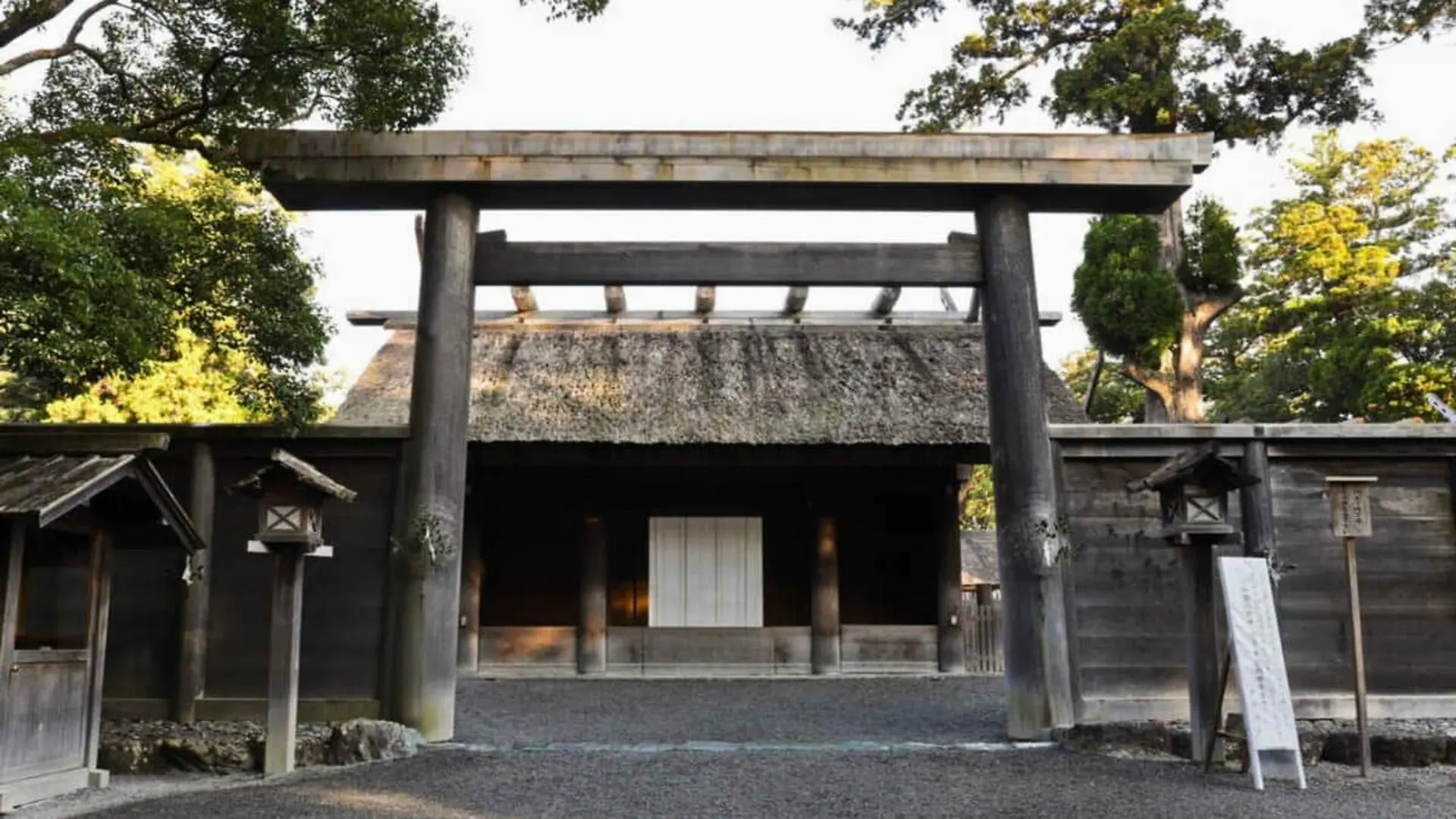
For more than six centuries, the Japanese imperial family followed a tradition of sending young princesses away from the capital to serve as sacred intermediaries at the Ise Grand Shrine. These women, known as the Saiō, lived in a specialized palace complex that functioned as a miniature, isolated imperial court. While these sites have long been known through historical records, the physical remains of the royal residence—the Saikū—have remained elusive.
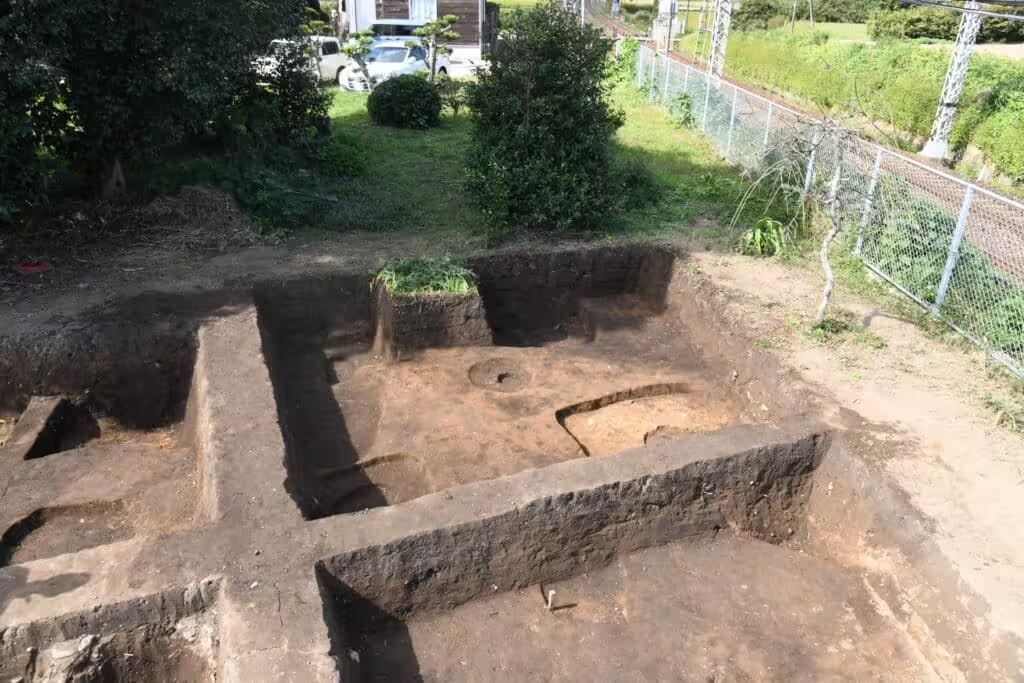
Archaeologists working in the town of Meiwa, Mie Prefecture, have now uncovered evidence that suggests they have located the heart of this ancient site. Researchers from the Saikū History Museum have spent recent months excavating a compound dating to the 8th-century Nara period, revealing massive structural postholes that once supported a grand, formal hall.
Engineering a Royal Residence in the Countryside
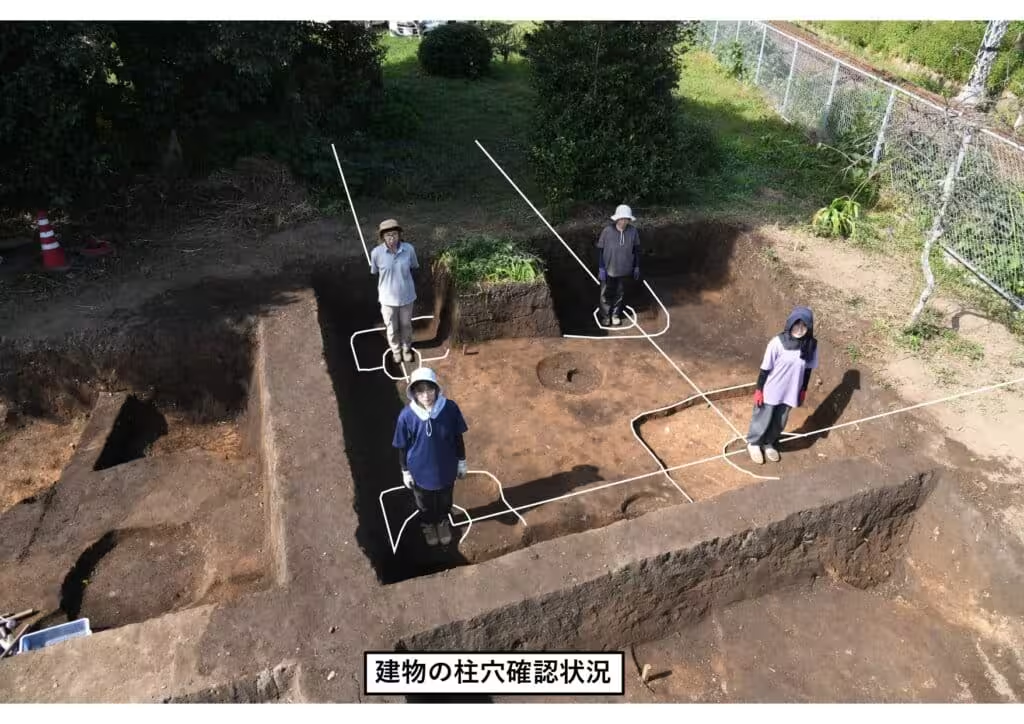
The scale of the discovery is significant. Excavators found a series of square postholes, each measuring up to two meters in width and spaced three meters apart. These dimensions suggest the presence of substantial wooden pillars capable of supporting a building of great stature. The layout, which features structures aligned along a north-to-south axis, mirrors the architectural standards seen at the Heijō Palace, which served as Japan’s imperial capital during that era.
This structural precision confirms that the Saiō’s residence was designed to replicate the prestige of the central government. According to a statement issued by Mie Prefecture on November 5, the findings likely constitute the main hall of the palace complex. The proximity to the Ise Grand Shrine, located just 10 kilometers away, aligns with the known historical function of the site as the home of the abstinent princess.
Evidence of a Complex Dual-Compound Layout
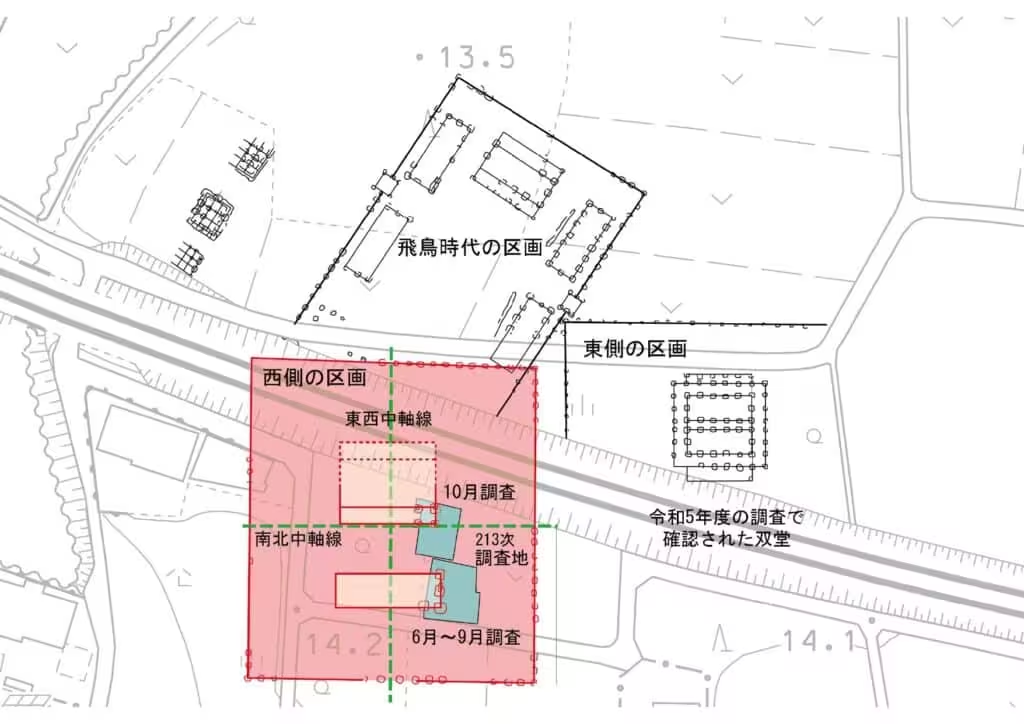
The discovery is further complicated by the site’s geography. The team focused their efforts on what is identified as the western compound of the ruins. In 2023, researchers uncovered an elaborate, dual-hall structure in the eastern compound, which remains the largest building identified at the site to date. With the latest find, it is now evident that the 8th-century palace contained at least two distinct compounds, each featuring its own central hall.
The function of these two separate areas remains a subject of ongoing investigation. Experts are considering whether one compound succeeded the other over time, or if they served distinct administrative and religious purposes simultaneously. Mie Governor Katsuyuki Ichimi noted in a November 4 briefing that the discovery of such sophisticated, capital-style architecture provides critical insights into the political weight the imperial court placed on the Saikū facility.
Tracing the Princess of a Tragic Legacy
Current chronological data suggests the buildings date to the first half of the 8th century, a timeframe that coincides with the reign of Emperor Shōmu. This has led some researchers to speculate that the residence may have been used by Princess Inoe, who served as a Saiō during that era. While definitive proof is currently lacking, the association is compelling due to the princess’s turbulent later life.
Following her tenure as a religious representative, Princess Inoe eventually married the future Emperor Kōnin. Her path to power ended in disgrace after she was accused of sorcery and treason against the throne. In 772, she was stripped of her status and imprisoned alongside her son; both died in custody three years later, in what is widely believed to have been an act of state-sanctioned poisoning. History later saw the restoration of her title, an act driven by the court’s apprehension regarding her spiritual influence.
The Saikū History Museum intends to provide further clarity as excavations continue. The site will be accessible to the public for an on-site briefing on November 14, as researchers seek to map the remaining dimensions of the hall and finalize their understanding of the palace’s layout.
This article has been fact checked for accuracy, with information verified against reputable sources. Learn more about us and our editorial process.
Last reviewed on .
Article history
- Latest version
Reference(s)
- projects, Contributors. “Shinto shrine in Mie Prefecture, Japan.”, April 6, 2004 Wikimedia Foundation, Inc. <https://en.wikipedia.org/wiki/Ise_Shrine>.
Cite this page:
- Posted by Zara Tariq