Webb Telescope Spots Mysterious Pairs Of Ancient Black Holes Hidden In Little Red Dots
The James Webb Space Telescope has uncovered unexpected secrets of the early Universe, challenging our understanding of how the cosmos first took shape.
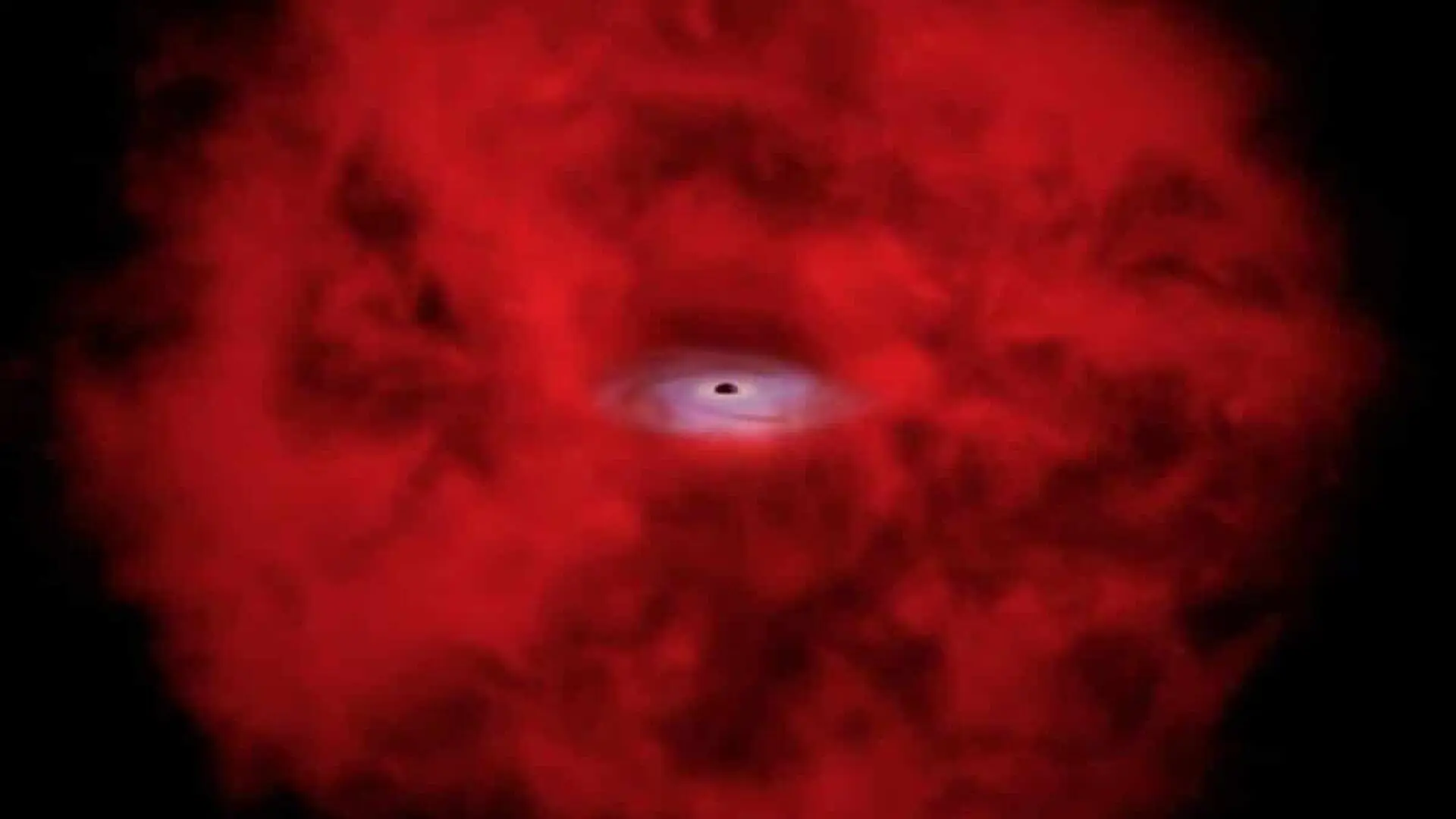
The James Webb Space Telescope (JWST) has identified four distinct pairs of mysterious cosmic entities known as “Little Red Dots,” offering a potential breakthrough in understanding how supermassive black holes achieved such immense proportions in the early universe. These findings, dating back to a period between 12.5 and 12.8 billion years ago, suggest that these rapidly feeding black holes were already congregating in high-density environments during the cosmos’s infancy.
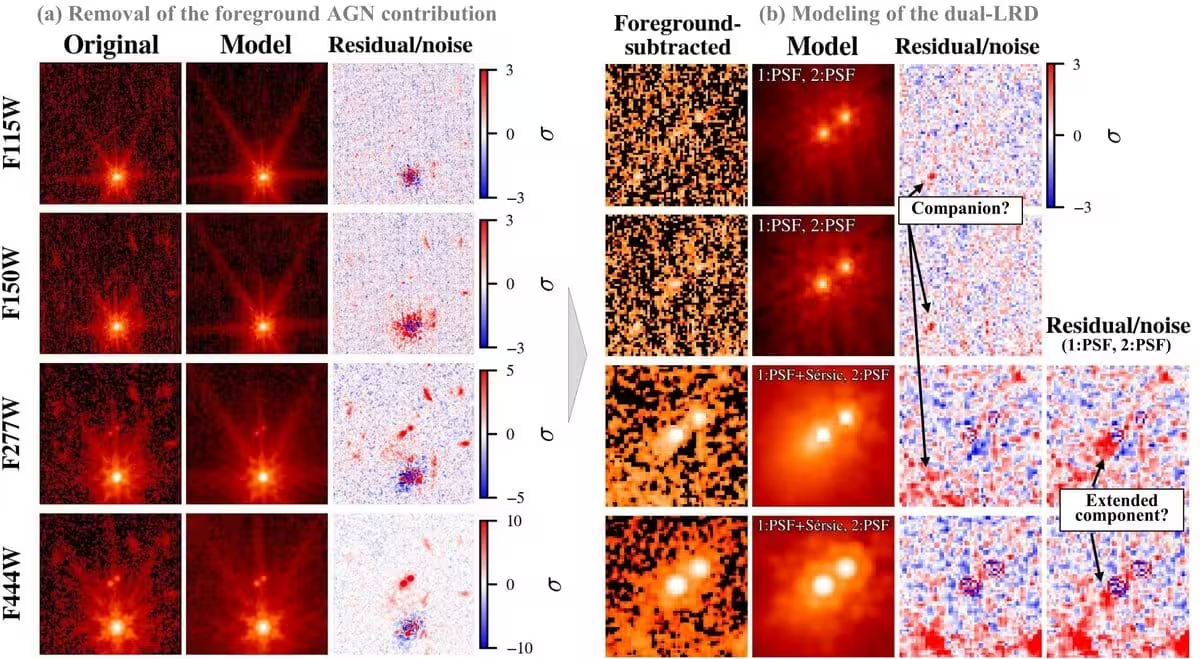
The study, published August 31 in the Publications of the Astronomical Society of Japan, was conducted by a research team at the Kavli Institute for the Physics and Mathematics of the Universe at the University of Tokyo. By developing a sophisticated analytical framework for interpreting JWST infrared data, the team managed to peer through the glare of these compact, intensely red sources to reveal their dual nature.
Advanced Imaging Unlocks Hidden Structures
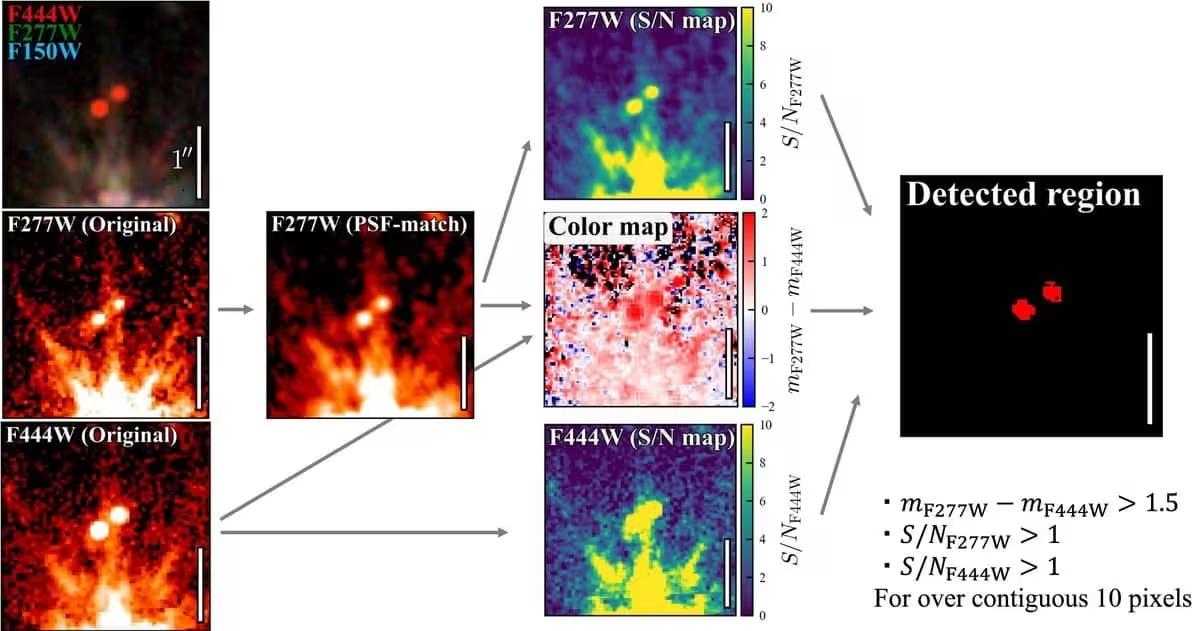
For astronomers, distinguishing between two closely situated objects and a single, complex source has long been a challenge. Traditional observational methods typically relied on aggregate brightness and color data, which often caused binary black hole systems to appear as one. To overcome this, a team led by graduate student Takumi Tanaka and Professor John Silverman shifted their focus to a pixel-by-pixel color selection technique.
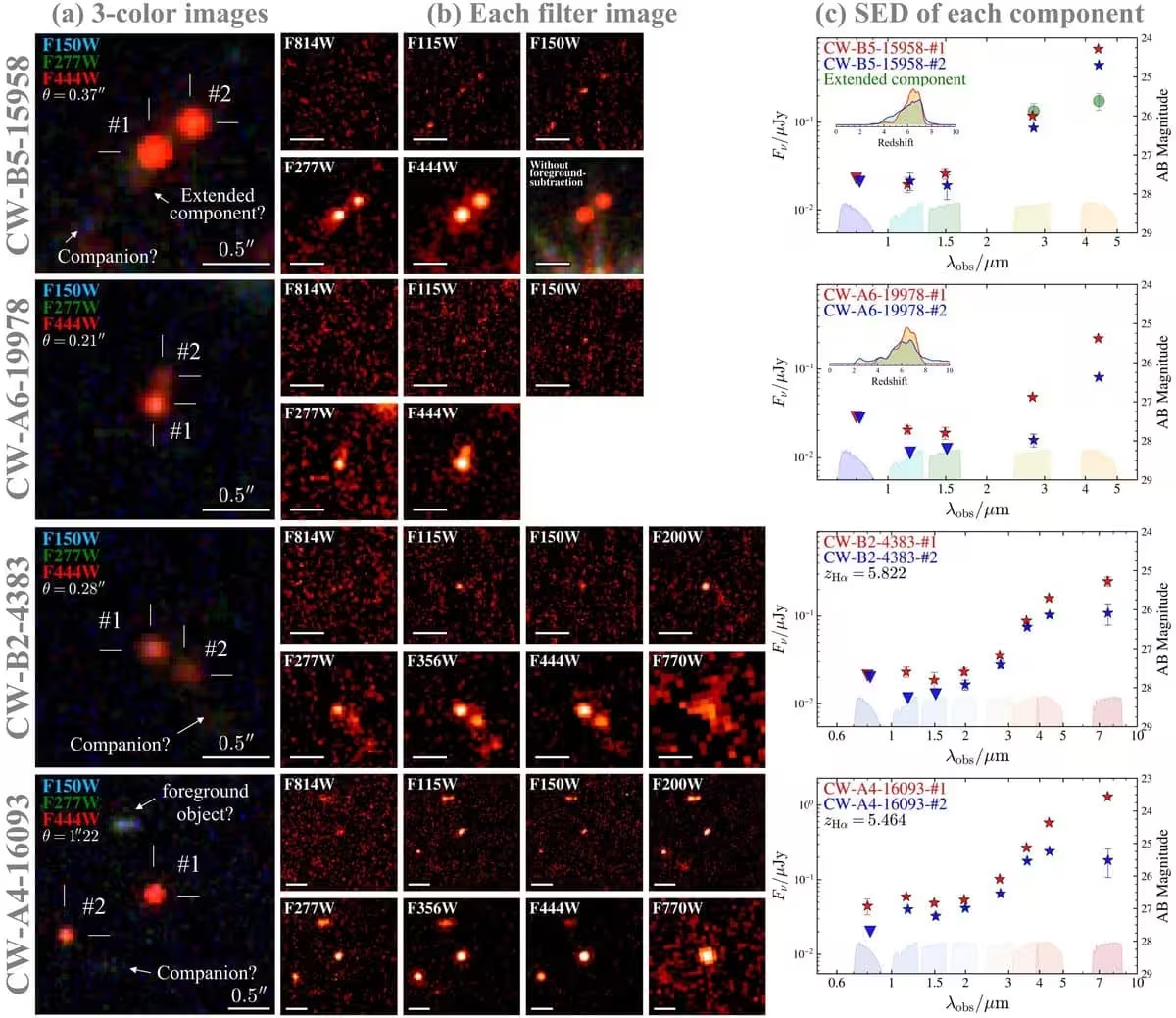
By analyzing the infrared images at such a granular level, the researchers successfully separated sources that previously appeared indistinguishable. This methodology allowed them to isolate four candidate systems where two active black holes were in close proximity, separated by distances ranging from a few thousand to several tens of thousands of light-years—a span significantly narrower than the 100,000-light-year diameter of our own Milky Way.
Evidence of Early Galactic Mergers
The statistical likelihood of these pairings occurring by random chance is extremely low, suggesting that these Little Red Dots cluster significantly in the early universe. This discovery challenges the notion of isolated, random growth, pointing instead toward an era of frequent galactic interactions. In such dense environments, the gravitational interplay between merging galaxies often funnels vast reservoirs of gas toward the central black holes, effectively supercharging their development.
The research implies that these observed pairs may eventually culminate in massive black hole mergers. Such events are of particular interest to the physics community, as they could serve as potential sources for future gravitational-wave detectors, providing a new window into the violent dynamics of the primitive cosmos.
As the team looks ahead, their goal is to apply this pixel-based analysis to a wider array of JWST data. By refining their understanding of these ancient, binary systems, astronomers hope to finally map the mechanisms that allowed the universe’s first giants to reach such extraordinary sizes in such a short amount of time.
This article has been fact checked for accuracy, with information verified against reputable sources. Learn more about us and our editorial process.
Last reviewed on .
Article history
- Latest version
Reference(s)
- Tanaka, Takumi S., et al. “Hidden in Pixels. I. Discovery of dual “little red dots” indicates excess clustering on kilo-parsec scales.” Publications of the Astronomical Society of Japan, August 31, 2026 Oxford University Press (OUP), doi: 10.1093/pasj/psag092. <https://dx.doi.org/10.1093/pasj/psag092>.
- “Takumi TANAKA.” <https://sites.google.com/view/tanakatakumi>.
- “Prof Jon Silverman - beds.ac.uk | University of Bedfordshire.” <https://www.beds.ac.uk/howtoapply/departments/creative-industries/staff/jon-silverman/>.
Cite this page:
- Posted by Farah Siddiqui