Laser‑Powered Light Sail Could Send a Microscopic Probe to a Nearby Star in Decades
A tiny light‑pushed probe could reach another star without massive ships or new physics, offering a feasible interstellar travel concept.
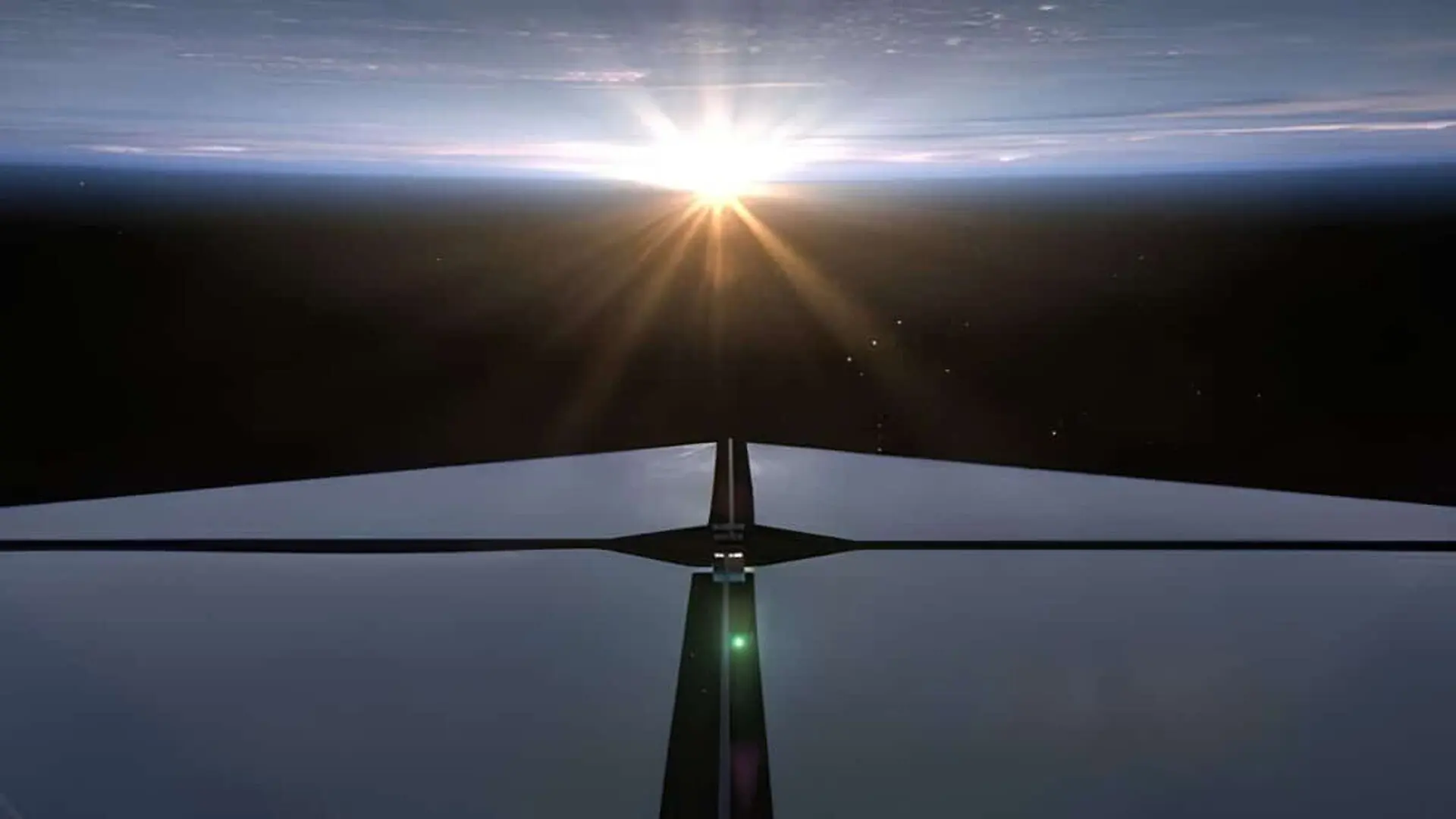
A miniature craft thrusted by a focused laser beam might one day traverse the gulf to the nearest stellar neighbors within a single human lifespan, sidestepping the need for massive rockets or unknown physics.
University of Glasgow researcher Colin McInnes highlighted this prospect in a recent piece reported by SciTechDaily, noting growing excitement among astronomers over nearby rocky exoplanets and among engineers developing ultra‑light, self‑sufficient spacecraft.
Miniature Interstellar Probes Could Cruise at a Fraction of Light Speed
The core obstacle to interstellar travel is the sheer scale of the distances involved, which would demand extraordinary energy if a traditional vehicle had to carry its own propellant. Shrinking the vehicle to gram‑scale dimensions offers a possible workaround, as modern electronics already deliver high‑resolution imaging, processing, and sensing in packages no larger than a grain of sand. McInnes envisions future versions of these “smart dust” devices zipping through space at roughly ten to twenty percent of light speed. He writes that, after decades of flight, such a probe would skim a target system, capture fleeting measurements, and relay a thin data stream back to Earth, echoing the goals of the Breakthrough Starshot program.
Laser‑Powered Light Sails Provide the Thrust
Instead of lugging an onboard power source, the craft would rely on a thin, highly reflective sail pushed by a terrestrial laser array. Although photons seem insubstantial, their momentum imparts measurable pressure when reflected. McInnes explains that achieving relativistic acceleration would require a laser system delivering tens of gigawatts of power, likely assembled from a coordinated network of emitters rather than a single monolithic device. The sail‑payload combo could attain cruising velocity within minutes, but the same mechanism that accelerates it also precludes easy braking, limiting the encounter with the destination star system to a few days.
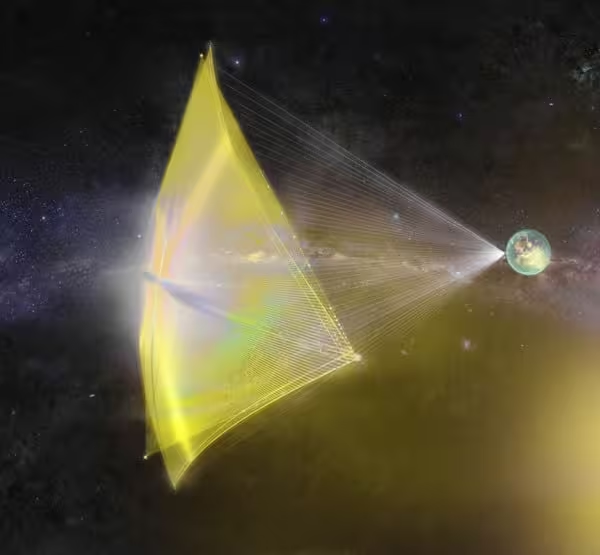
Because the probe cannot decelerate conventionally, on‑board autonomy becomes essential. Software would need to decide in real time which targets merit observation and which data merit transmission, as waiting for commands from Earth would be impractical during the brief fly‑by.
Solar Sails Demonstrate Light‑Based Propulsion Today
The principle of photon pressure is already in use. NASA’s solar‑sail missions harness sunlight rather than artificial lasers to gradually adjust trajectories, a concept first explored by early pioneers such as Konstantin Tsiolkovsky and Friedrich Tsander. McInnes notes that, while laser‑driven sails remain a future technology, solar sails provide a present‑day laboratory for mastering propellant‑free navigation, especially for missions that must chase long‑period comets or follow unconventional orbital paths.
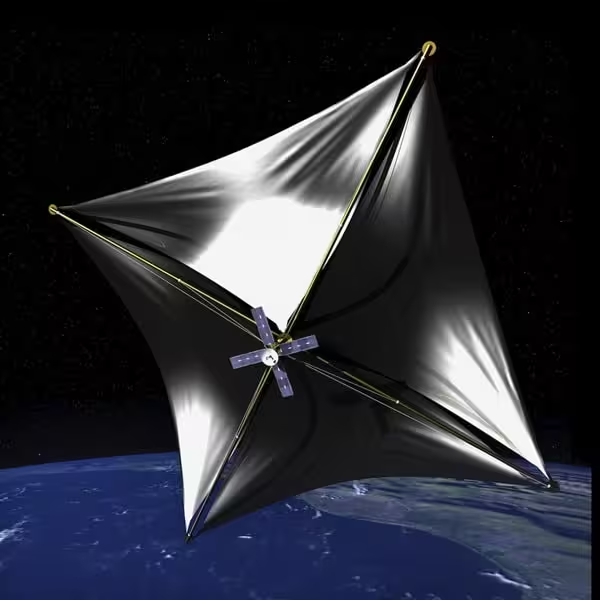
Translating these concepts to true interstellar voyages will demand breakthroughs in laser‑array engineering, ultra‑light sail materials, miniature instrumentation, and long‑range communication. Even at twenty percent of light speed, reaching a planet such as LHS 1140b—approximately 48 light‑years away—would still require about 240 years, indicating that nearer targets will be the logical first steps.
This article has been fact checked for accuracy, with information verified against reputable sources. Learn more about us and our editorial process.
Last reviewed on .
Article history
- Latest version
Reference(s)
- “University of Glasgow - Schools - James Watt School of Engineering - Our staff - Professor Colin Mcinnes.” <https://www.gla.ac.uk/schools/engineering/staff/colinmcinnes/>.
- Cermak, Alicia. “LHS 1140 b - NASA Science.”, April 22, 2019 NASA <https://science.nasa.gov/exoplanet-catalog/lhs-1140-b/>.
Cite this page:
- Posted by Farah Siddiqui