Brain Removed, Bones Shaped Into Tools: Inside a 2,000‑Year‑Old Scottish Iron Age Burial
New analysis of 2,000‑year‑old Scottish graves reveals surprising mystery about ancient bones, reshaping archaeologists’ burial theories.
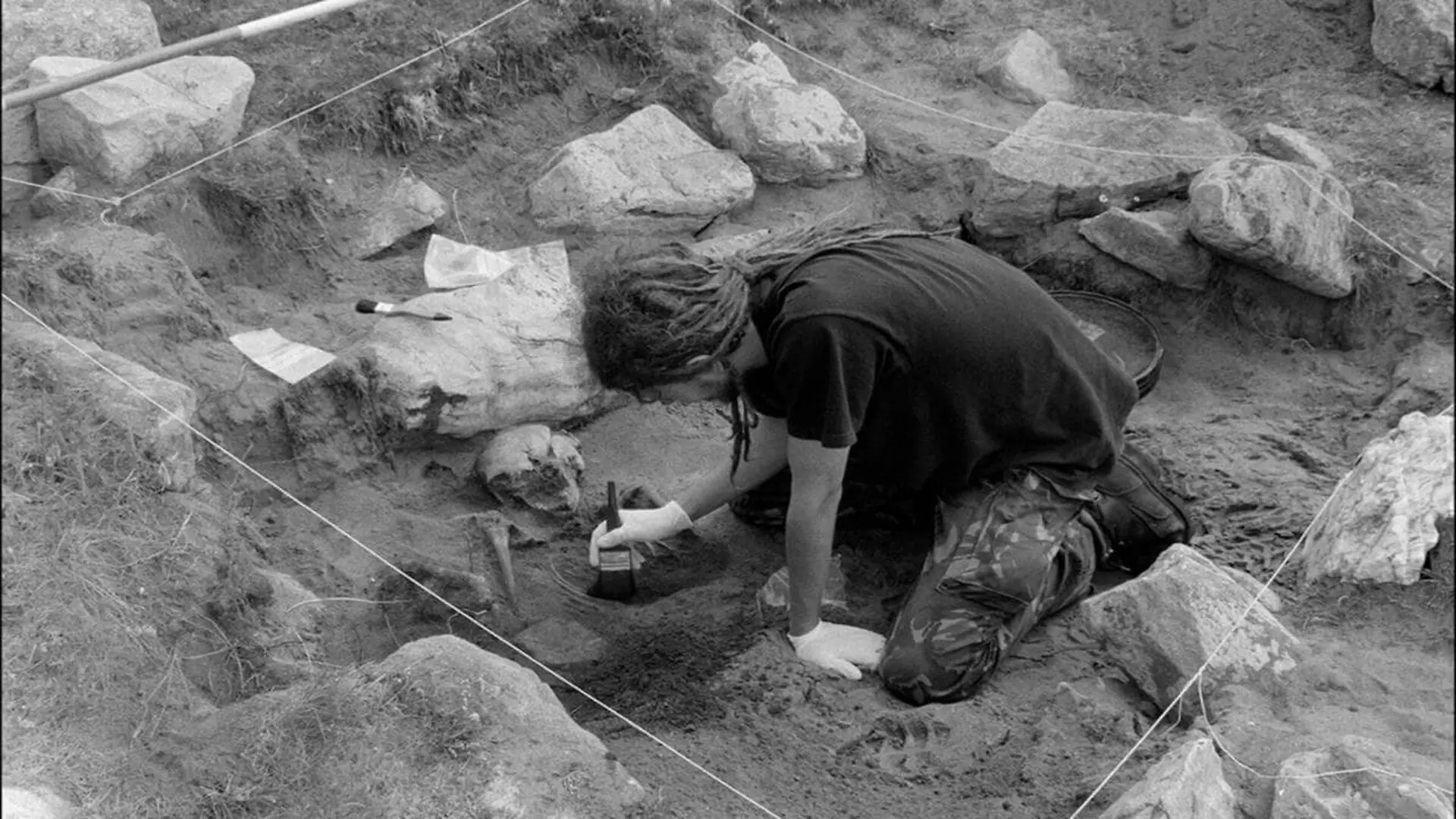
Archaeologists have uncovered a burial dating back roughly two millennia in the northern Scottish Highlands that reveals a striking funerary tradition involving the deliberate extraction of a woman’s brain and the conversion of several of her bones into sharp implements.
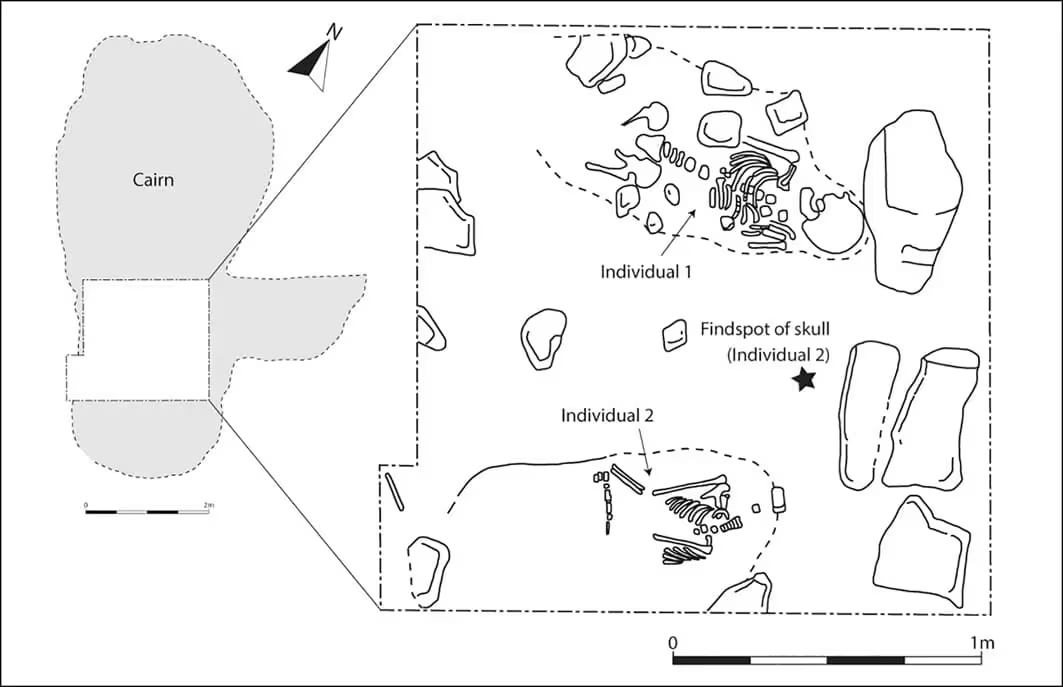
The remains emerged in 2000 when a low stone cairn near Loch Borralie was disturbed by rabbits, exposing human fragments. Subsequent excavation recovered partial skeletons of two people interred between the first century B.C. and the first century A.D., a period corresponding to the Iron Age.
Initial assessments attributed many of the bone injuries to scavenging animals. A recent analysis published in Antiquity challenges that view, presenting clear evidence that the modifications were intentional components of a burial ritual.
Brain Extraction Evident in Skull Damage
The adult female, labeled Individual 1, was over 30 years old at death. Researchers noted a distinctive fracture at the base of her cranium accompanied by a series of cut marks on the interior of the skull.
The study concluded that this pattern aligns with a purposeful removal of the brain shortly after death. While the authors acknowledge that the practice could be linked to cannibalism or intended to preserve the skull for display, the available data cannot definitively favor one interpretation over the other.

The new assessment also revises earlier interpretations that had ascribed the marks to rats or dogs. Instead, the pattern of incisions is consistent with cuts made by sharp tools during human handling of the corpse.
Long Bones Recrafted as Sharp Tools
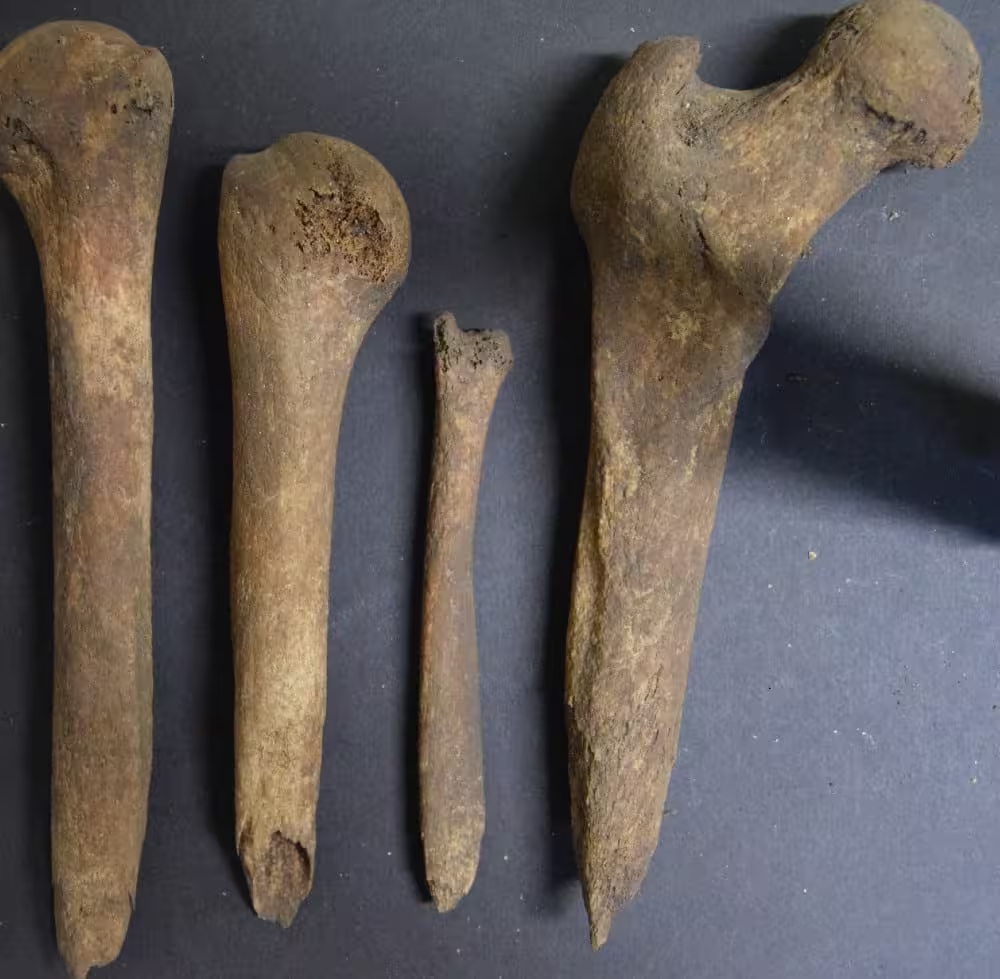
A further striking observation concerns three forearm bones and a single thigh bone that had been meticulously worked to produce sharp edges and pointed tips on their inner surfaces.
These altered bones were not removed from the body permanently; after shaping, they were repositioned within the grave in their anatomically correct locations, indicating that the skeleton was deliberately reassembled before final burial.
In a statement released by the University of York, lead author Laura Castells Navarro remarked:
“The motivation behind the extensive manipulation of the skeletal remains of Individual 1 is very difficult to interpret,” she added, “however, the care with which she was reassembled and deposited in the cairn possibly suggests she commanded a level of reverence and respect by her community.”
Genetic Links Reveal Family Ties
The second set of remains, designated Individual 2, belongs to a teenage boy who died around age 15. Unlike the adult female, his skeleton shows no signs of intentional post‑mortem alteration.
DNA testing indicates that the two burials are related as second cousins, sharing a pair of great‑grandparents. The genetic analysis also uncovered more distant connections between the Loch Borralie individuals and other Iron Age populations, notably those interred on the Orkney Islands.
The research further highlights enduring ties between communities along Scotland’s northern coastline and the Northern Isles, despite the region’s relatively low population density in modern times.
“More broadly, our research shows that prehistoric maritime communities periodically moved around the north coast and Northern Isles of Scotland, possibly in small groups,” Castells Navarro said.
This article has been fact checked for accuracy, with information verified against reputable sources. Learn more about us and our editorial process.
Last reviewed on .
Article history
- Latest version
Reference(s)
- Navarro, Laura. “Reconnecting the dead in Iron Age Britain: funerary processing and long-distance connectivity at Loch Borralie, Scotland | Antiquity | Cambridge Core.”, pp. 1-19. Cambridge Core, doi: 10.15184/aqy.2026.10353. <https://www.cambridge.org/core/journals/antiquity/article/reconnecting-the-dead-in-iron-age-britain-funerary-processing-and-longdistance-connectivity-at-loch-borralie-scotland/450BC6B98B6F1FECE3E42941F26C8619>.
- “Evidence of Iron Age brain removal and bone tools found in Scotland.” University of York <https://www.york.ac.uk/news-and-events/news/2026/research/iron-age-brain-removal-bone-tools/>.
- “Laura Castells Navarro.” York Research Database <https://pure.york.ac.uk/portal/en/persons/laura-castells-navarro/>.
Cite this page:
- Posted by Elizabeth Taylor