Britain’s Largest Roman Coin Hoard Reveals 1,700‑Year‑Old Ritual Offering
Metal detectorist discovers 52,503 Roman coins in a single pot, with an eerie arrangement hinting at a mysterious purpose.
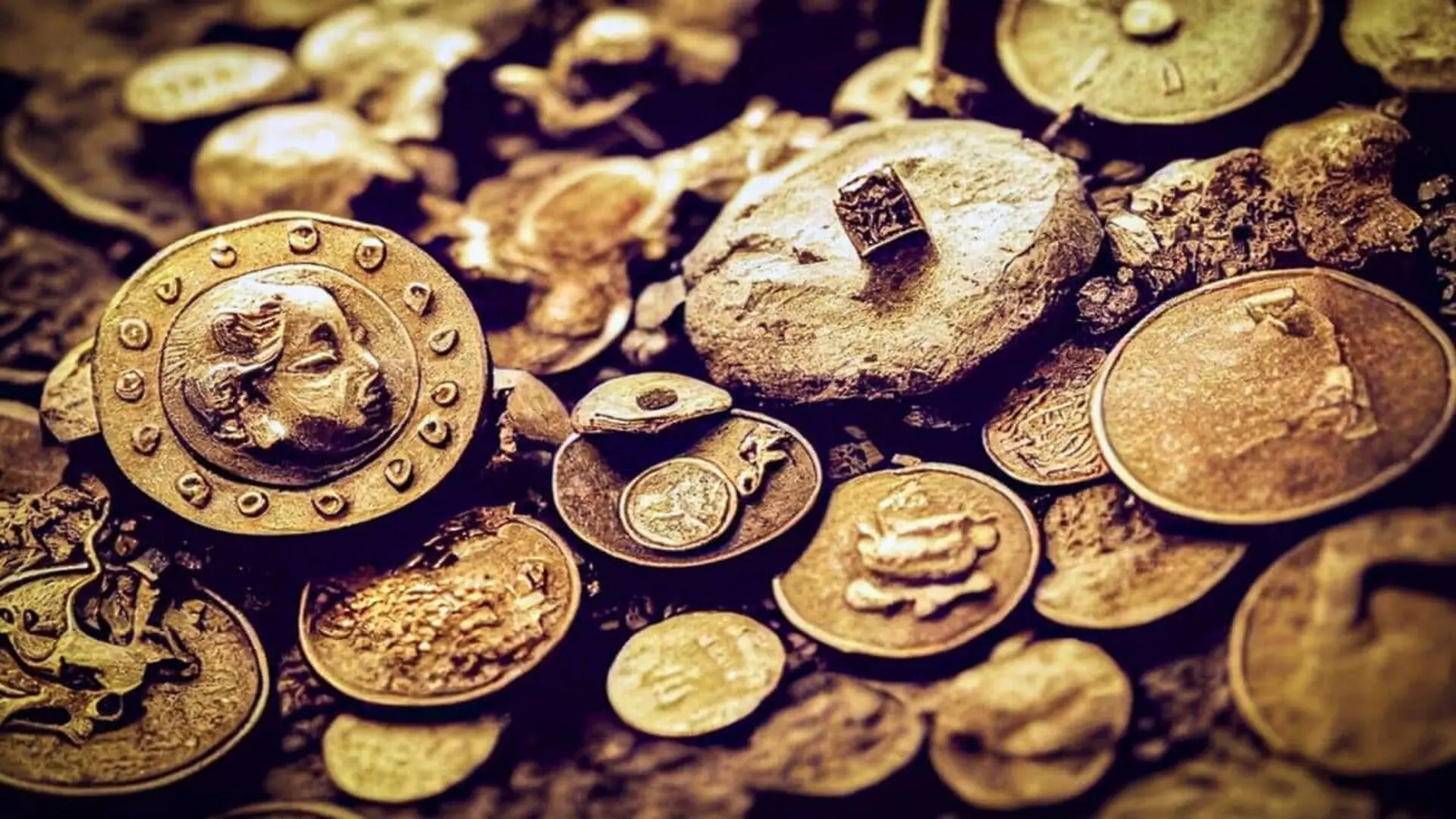
Massive Roman Coin Hoard Discovered Near Frome
A ceramic jar containing 52,503 Roman coins was unearthed in a Somerset field close to the town of Frome. The find, made by metal‑detector enthusiast Dave Crisp in April 2010, ranks among the largest Roman coin discoveries in Britain and is the biggest recovered from a single container.
The vessel, only about 18 inches (46 cm) in diameter, held roughly 160 kilograms (350 pounds) of metal. Most of the pieces are debased silver or bronze; Frome Museum has identified 44,245 of them, while the remaining specimens are too worn to read. Coins from more than 25 different rulers are represented.
Detectorist Alerts Authorities, Professionals Take Over
While sweeping the area with his metal detector, Crisp encountered an unusual signal a foot beneath the soil and uncovered a small bronze Roman radiate. Recognising the significance, he ceased digging and reported the find. Archaeologists from Somerset County Council then conducted a careful excavation, removing the coins layer by layer rather than attempting to lift the intact, cracked pot from the ground.
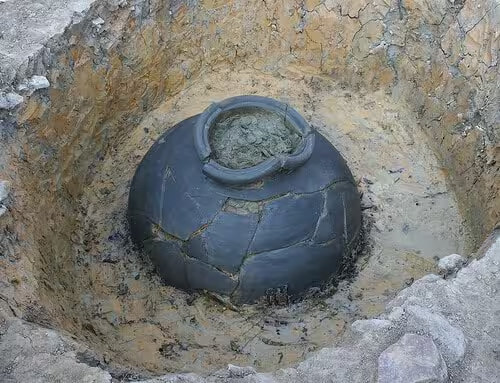
The sheer mass of the coins indicates the pot could not have been transported while full. Archaeologists infer that the jar was buried empty and later filled in situ, with a small overturned dish placed over its opening to contain the poured metal.
Find Supports Theory of Ritual Deposition
The site’s setting—on elevated ground that could become waterlogged after rain and possibly close to a spring—has led scholars to question whether the hoard was intended for later retrieval. Frome Museum notes the absence of a large Roman settlement nearby, although villas are known in the surrounding countryside.
Coins dating to the latest period in the hoard appear midway down the jar rather than at the top, suggesting the metal was poured from several smaller containers. This pattern aligns with the idea of a communal offering rather than a concealed cache meant to be recovered.
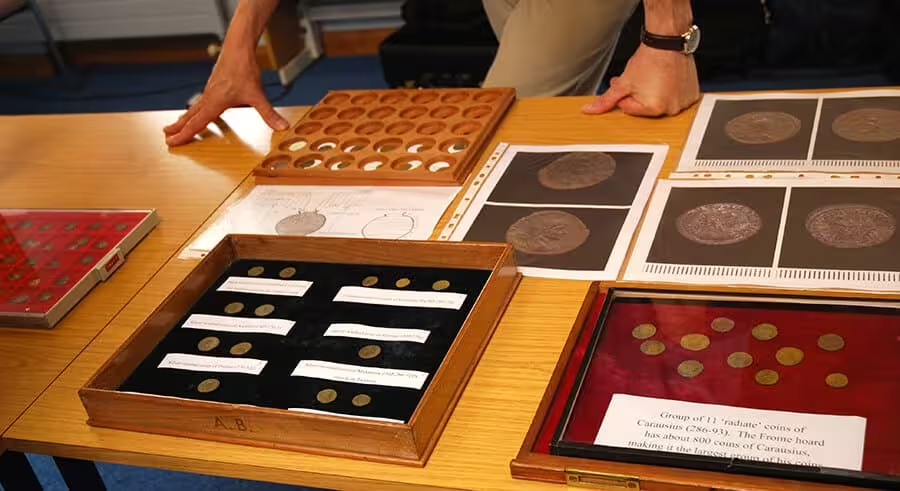
Sam Moorhead of the Portable Antiquities Scheme told the BBC, “I find it hard to believe this was a hoard intended for recovery.” He suggested that local participants may have contributed coins as a collective offering to the gods.
Chronologically, the hoard spans the mid‑third to early‑fourth centuries. Frome Museum dates the assemblage to AD 253–293, while Popular Mechanics extends the range to AD 305, placing the deposit firmly within the turbulent period of the later Roman Empire.
Carausius Coins Form the Most Distinctive Sub‑Group
The collection comprises issues from the central Roman administration as well as from the breakaway Gallic and Britannic empires. Popular Mechanics reports that more than 28,000 coins belong to the Gallic Empire, including a notable series featuring Emperor Tetricus I.
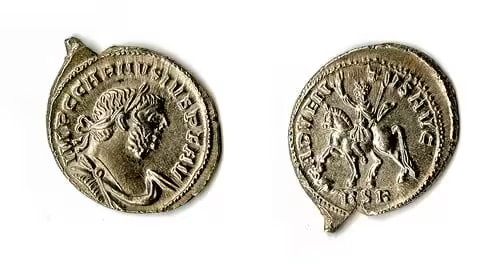
A striking 766 pieces were minted under Carausius, the commander who declared an independent Britannic realm from AD 286 to 293. This assemblage represents the largest single find of Carausius’ coinage, complemented by five silver denarii.
Central‑imperial issues include over 6,000 coins from the sole reign of Gallienus and 404 pieces bearing the portrait of his wife, Salonina. Other imperial family members appear far less frequently; for example, only two coins depict Magnia Urbica, wife of Carinus.
In terms of ancient metal value, the hoard equates to roughly four years’ wages for a Roman legionary. Declared treasure, it was purchased by the Museum of Somerset in Taunton for £320,250 and now forms part of the museum’s display.
A 2017 poll by the Telegraph voted the Frome Hoard as the nation’s favourite treasure find. Although the original assemblage is not on permanent display in Frome due to security and insurance concerns, the town hosts a temporary exhibition titled “The Story of the Frome Hoard,” featuring a replica urn, selected coins and contextual information.
This article has been fact checked for accuracy, with information verified against reputable sources. Learn more about us and our editorial process.
Last reviewed on .
Article history
- Latest version
Cite this page:
- Posted by Vikram Desai