Scientists Discover Massive Potential Natural Hydrogen Source Beneath Western Australia
Researchers are investigating a potential new energy source buried deep beneath Australia that could redefine the nation’s underground wealth.
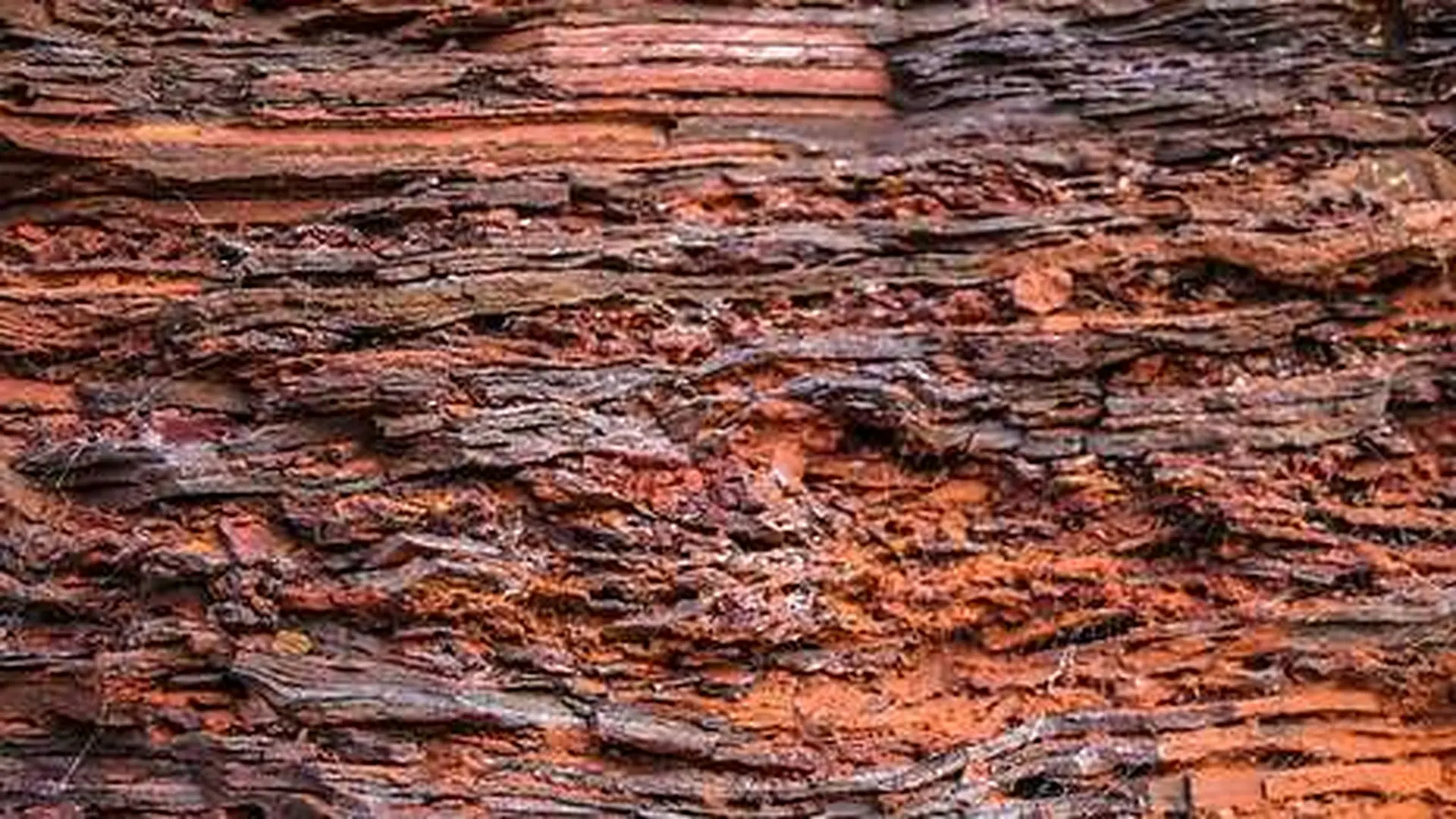
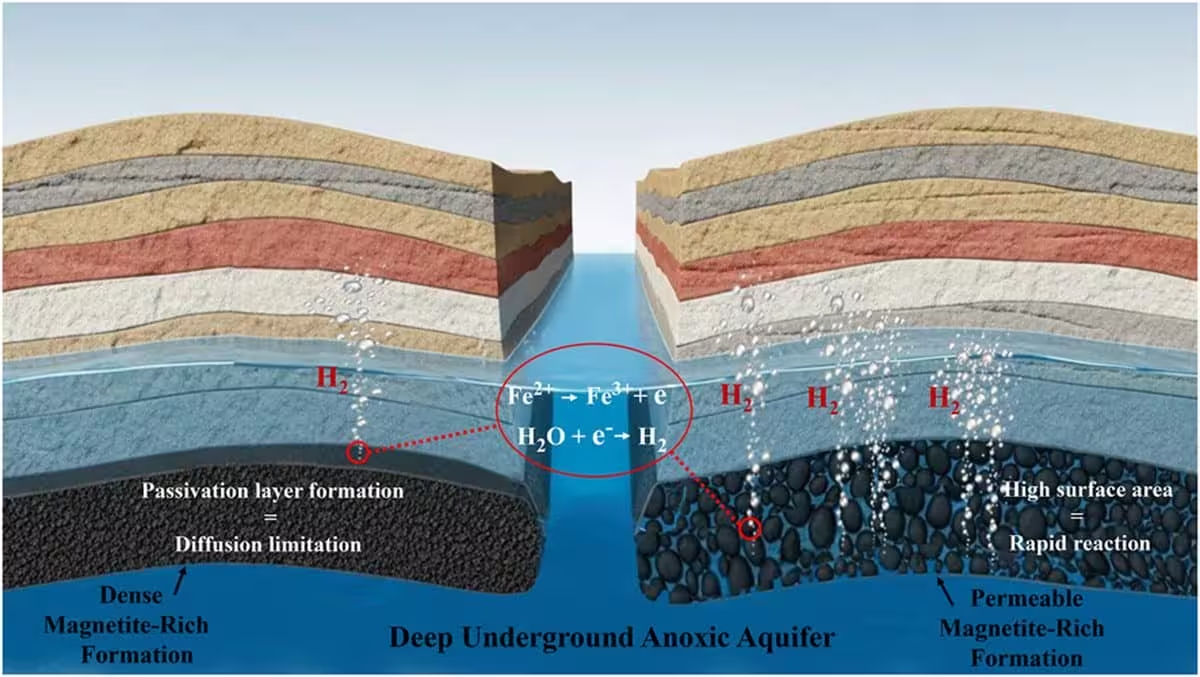
Deep beneath the surface of Western Australia, massive iron ore deposits may be harboring a secret energy source. Recent investigations from Edith Cowan University (ECU) have identified that the magnetite prevalent in the state’s ancient banded iron formations possesses the inherent capability to generate hydrogen through natural chemical reactions with hot subterranean water.
This finding suggests that the Pilbara region, long celebrated as a global hub for iron ore extraction, could eventually play a pivotal role in the transition to clean energy. Rather than relying on energy-intensive industrial manufacturing, this potential source of natural hydrogen is the result of geological processes that have been quietly occurring within the Earth’s crust for millions of years.
Decoding the Subterranean Chemical Process
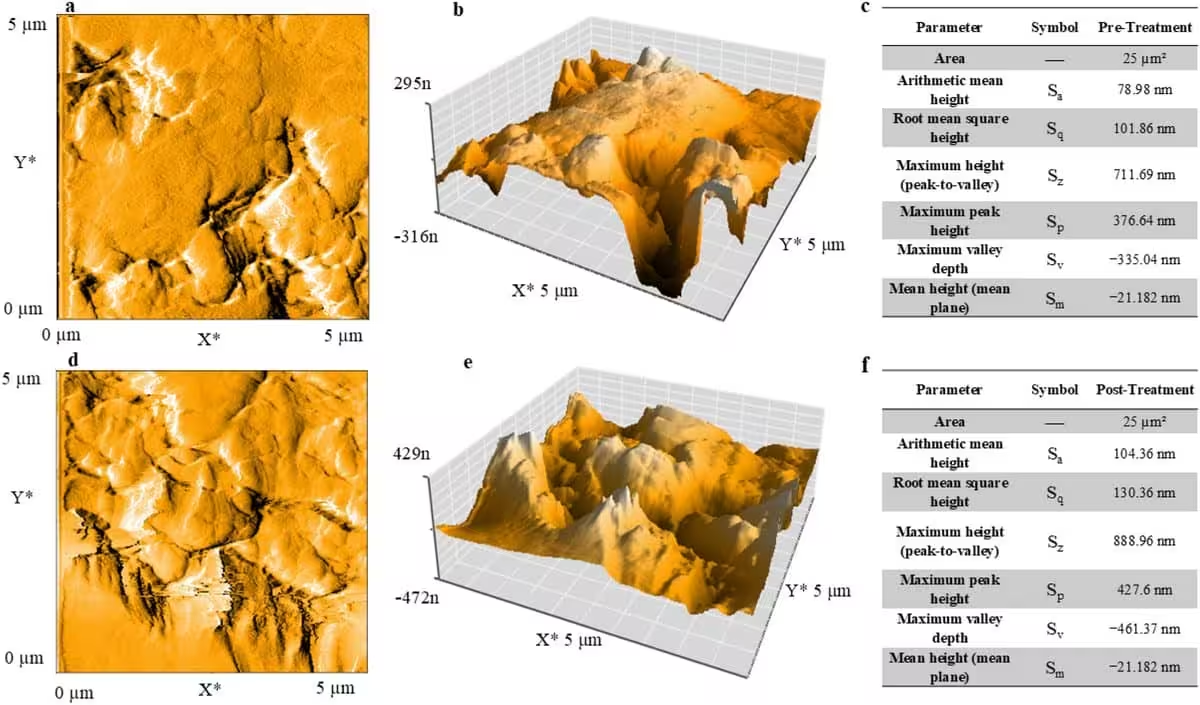
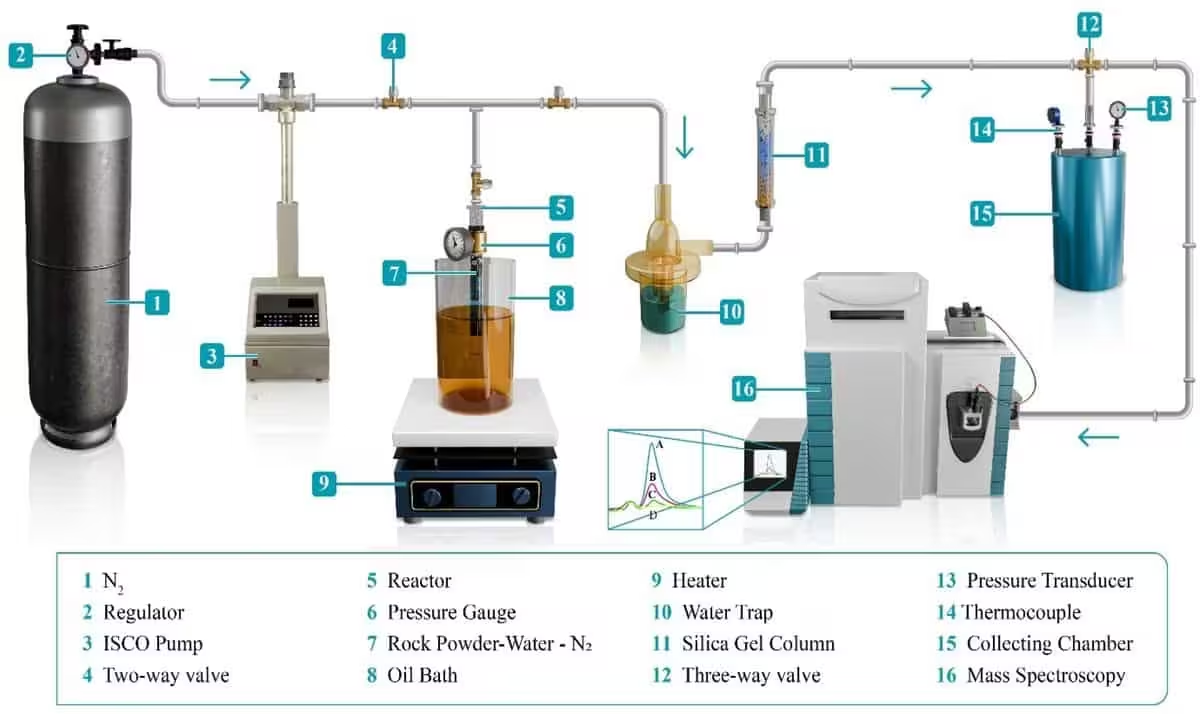
To determine how hydrogen is generated under extreme geological pressures, researchers at the ECU School of Engineering conducted a series of controlled laboratory tests. The team subjected magnetite samples to high-pressure environments and water temperatures reaching 200°C over a 60-day period. The results confirmed that the mineral successfully releases hydrogen gas under these specific conditions.
Beyond simply observing the reaction, the scientists tested methods to potentially enhance output, such as injecting specific solutions into iron formations to increase the contact area between water and the mineral. Associate Professor Alireza Keshavarz noted that the discovery underscores the scale of the prospect, stating that the nation could be positioned over a significant, untapped energy reserve.
The study, published in the International Journal of Hydrogen Energy, highlights the specific geological features that dictate this process. Lead author Kaveh Moghanirahimi emphasized the regional significance of the findings, noting that the sheer size of the banded iron formations in Western Australia offers a transformative opportunity for the future of the energy sector if these resources can be accessed efficiently.
Fluid Dynamics and Geological Accessibility
While the presence of magnetite is a prerequisite, the research team found that it is not the only variable in play. The effectiveness of natural hydrogen production is heavily dependent on the movement of water through the subsurface. A network of fractures, pores, and natural conduits is essential for circulating water to fresh mineral surfaces, which keeps the chemical production cycle active.
Professor Stefan Iglauer explained that the work serves as a vital bridge between small-scale laboratory experiments and the complexities of actual geological systems. This insight suggests that future exploration efforts must prioritize locations where both mineral content and hydrological permeability coincide.
Despite the promising results, the path to commercialization remains in its infancy. Researchers stress that determining the total volume of potential hydrogen and developing practical, safe extraction methods are the next hurdles. Extensive field surveys will be required to validate these laboratory findings in real-world settings.
The Evolution of Earth-Based Energy
The global search for geological hydrogen is intensifying as the world looks for low-emission alternatives to traditional fuel sources. By tapping into processes already taking place inside Earth’s crust, experts hope to supplement existing renewable energy portfolios. For Western Australia, this represents a potential shift in its economic narrative, moving from being a primary exporter of iron ore to potentially hosting a new frontier in natural energy production.
As ongoing research continues to map these reactions, the unique geological profile of Australia’s outback may prove to be a vital asset in the international effort to secure cleaner energy alternatives for the coming decades.
This article has been fact checked for accuracy, with information verified against reputable sources. Learn more about us and our editorial process.
Last reviewed on .
Article history
- Latest version
Reference(s)
- Moghanirahimi, Kaveh., et al. “Geometry-driven controls on hydrothermal natural hydrogen generation from magnetite mineral.” International Journal of Hydrogen Energy, vol. 220, March 1, 2026, pp. 154187 Elsevier BV, doi: 10.1016/j.ijhydene.2026.154187. <https://www.sciencedirect.com/science/article/pii/S0360319926008244?via%3Dihub>.
- <https://www.ecu.edu.au/schools/engineering/staff/profiles/associate-deans/dr-alireza-keshavarz>.
- “Kaveh Moghani Rahimi.” <https://scholar.google.com/citations?user=RX6A32kAAAAJ&hl=en>.
- <https://www.ecu.edu.au/schools/engineering/staff/profiles/associate-professors/professor-stefan-iglauer>.
Cite this page:
- Posted by Bilal Abbasi