Hidden Gold Found in Deep Pacific Mantle as Water‑Driven Melting Releases Precious Metals
Scientists reveal how deep Earth processes deposit gold in volcanic glass beneath the Pacific, uncovering a hidden treasure trove.
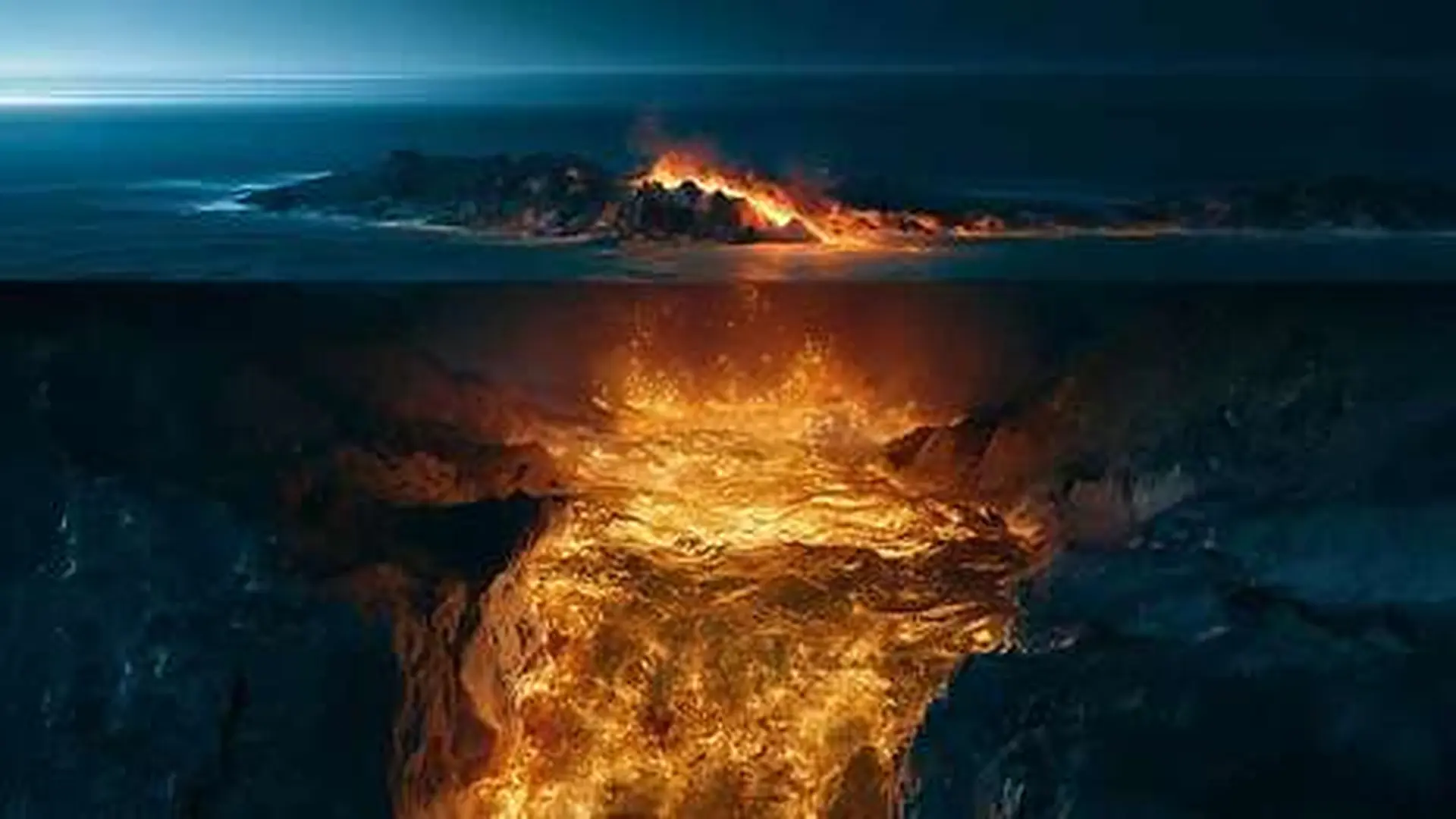
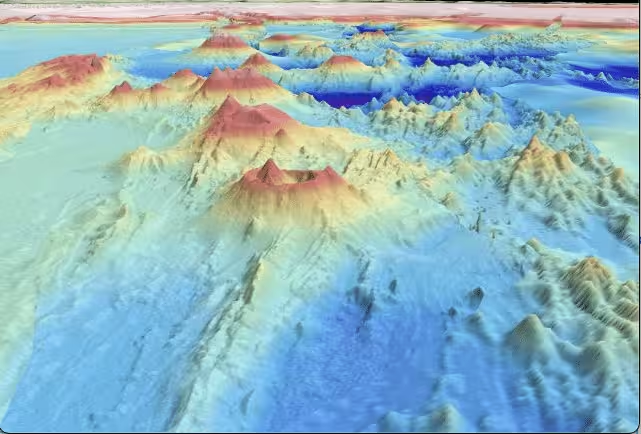
A recent analysis of volcanic glass collected from the Kermadec Arc, north of New Zealand, has revealed gold concentrations that far exceed those typical of magma generated at mid‑ocean ridges. The study links this enrichment to a cycle of water‑driven mantle melting that occurs beneath the arc’s submarine volcanoes.
Glass Shards Record Deep‑Mantle Chemistry
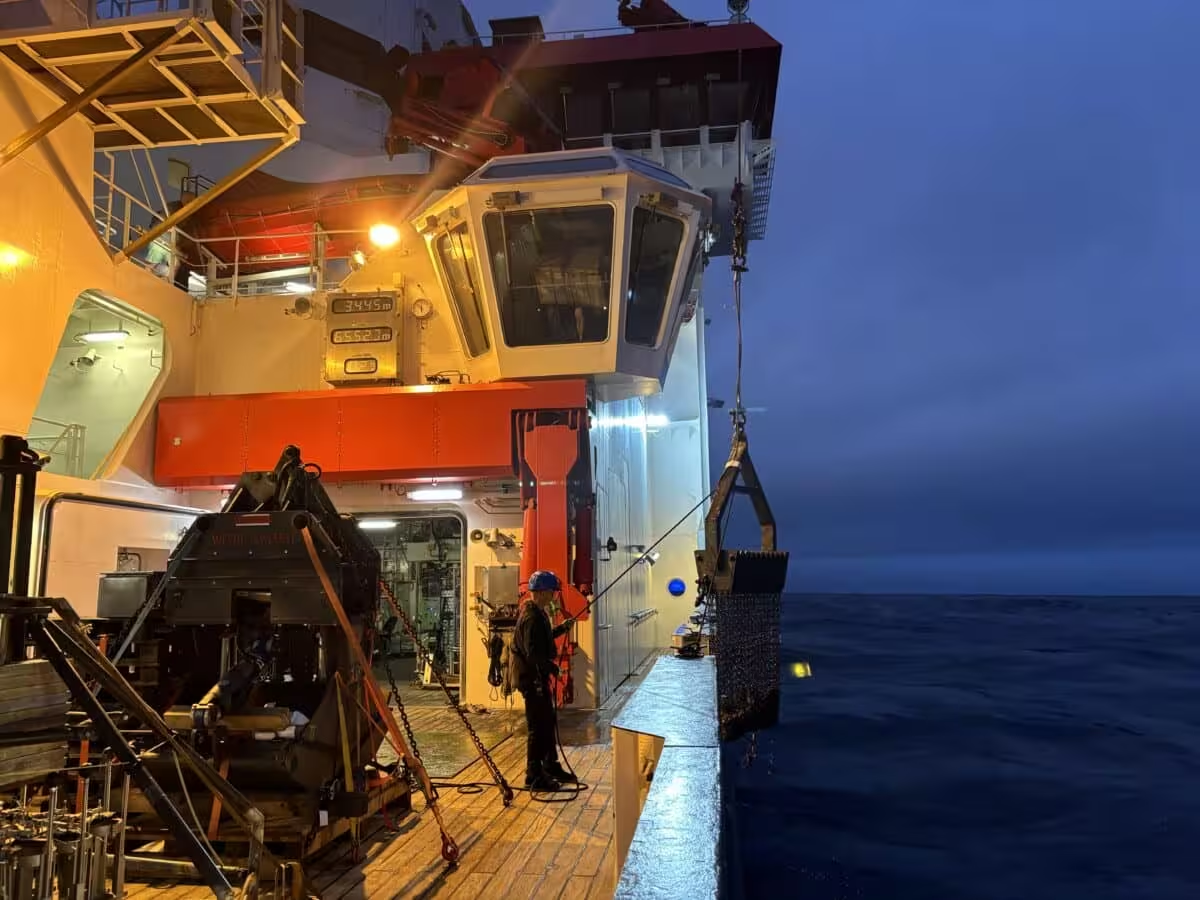
Scientists examined 66 glass fragments recovered from the Kermadec island chain and the adjacent Havre Trough in the South Pacific. Both locales sit above a subduction zone where the Pacific Plate dives beneath the Australian Plate, fueling volcanic activity. Rapid cooling of underwater lava locks the original melt composition into glass, allowing researchers to read the chemical signature of the source magma. The most informative samples were the primitive glasses that have experienced minimal alteration since leaving the mantle.
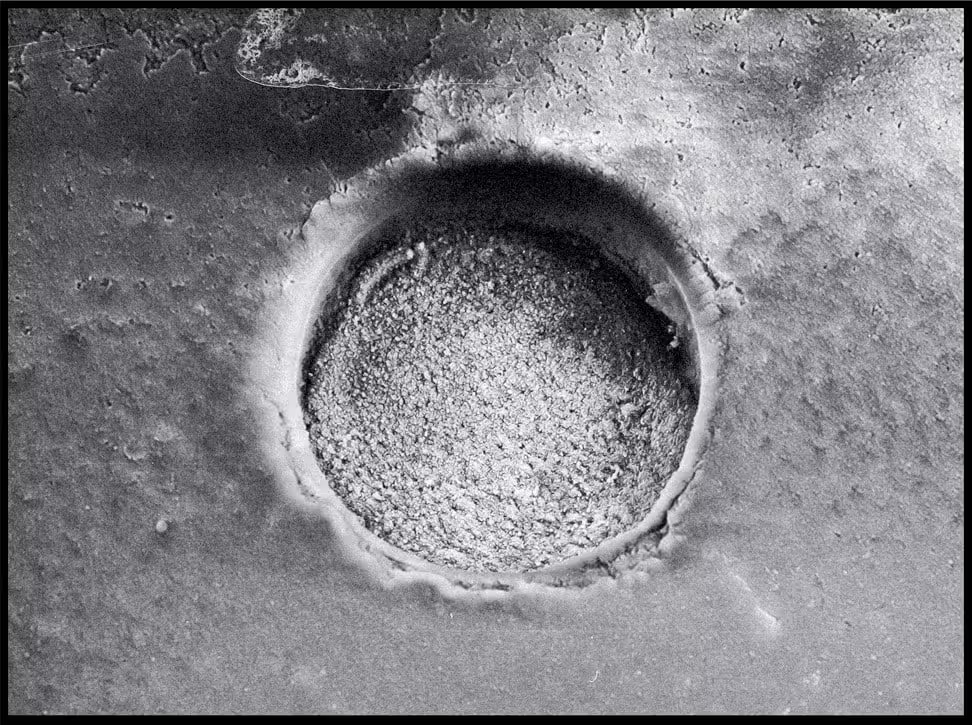
Trace‑element analyses focused on gold, silver, copper, selenium and platinum—elements that preferentially associate with sulfur. Their relative abundances allowed the team to monitor how sulfur‑bearing minerals evolve as mantle material melts. Initial gold levels reached roughly six nanograms per gram of rock, a concentration that, while minute, is anomalously high for mantle‑derived magma. Gold‑to‑copper ratios also surpassed those recorded in fertile mantle and primitive basalts from spreading ridges, as noted in the GEOMAR research summary.
Water‑Rich Subduction Boosts Melt Production
When oceanic crust subducts, it transports hydrated minerals into the deeper mantle. Release of water from the sinking slab lowers the solidus temperature of the overlying mantle, a process known as hydrous mantle melting. The investigators initially hypothesized that water might directly control gold influx, but chemical patterns indicated that the primary effect of water is to expand the proportion of mantle that melts. This broader melting window permits some mantle parcels to experience multiple melting episodes.
During limited melting, gold tends to stay locked inside sulfide minerals, which survive in partially melted mantle and prevent the metal from entering the melt. Marine geologist Christian Timm explained the shift that occurs at higher degrees of melting: “At high degrees of melting, these minerals break down, releasing their gold completely into the melt.”
Successive Melting Phases Liberate Gold
The glass chemistry shows that the mantle source had already undergone an earlier melt event before being reheated. Crossing the sulfide liquidus—where remaining sulfide phases become fully molten—eliminates their capacity to retain gold, silver and related metals. Consequently, gold is progressively transferred from solid mantle to rising silicate magma through a series of melting stages rather than a single pulse.
Because the mantle beneath the Kermadec Arc is both water‑rich and relatively oxidized, the combination of high‑temperature melting and reduced sulfide stability enables gold to migrate into ascending magma. The resulting glass samples contain gold levels that exceed those measured in comparable mid‑ocean‑ridge magmas, underscoring the impact of repeated, water‑enhanced melting on metal enrichment.
Deep‑Source Gold Pre‑Dates Hydrothermal Processes
The mechanisms identified operate in oceanic island arcs—volcanic chains that sit above subduction zones. By the time magma reaches the seafloor, its gold inventory has already been set by mantle processes. Subsequent cooling and crystallization may trigger hydrothermal circulation, wherein metal‑laden fluids percolate through fractures, dissolve surrounding rock, and eventually deposit sulfide ores on the ocean floor. Those later-stage hydrothermal deposits are distinct from the primary gold transfer documented in this research.
Although the measured concentrations are far below thresholds for commercial mining, the findings illuminate the fundamental pathway by which gold moves from deep mantle reservoirs into volcanic systems, providing a clearer picture of the planet’s internal metal cycle.
This article has been fact checked for accuracy, with information verified against reputable sources. Learn more about us and our editorial process.
Last reviewed on .
Article history
- Latest version
Reference(s)
- “Alchemy in the Earth’s Mantle.” <https://www.geomar.de/en/news/article/alchemie-im-erdmantel>.
Cite this page:
- Posted by Bilal Abbasi