Far‑Side Moon Rocks Reveal Gradual Decline Of Asteroid Bombardment Over Billions Of Years
Ancient moon‑far‑side rocks upend theories on early solar system asteroid impacts, reshaping our view of planetary history.
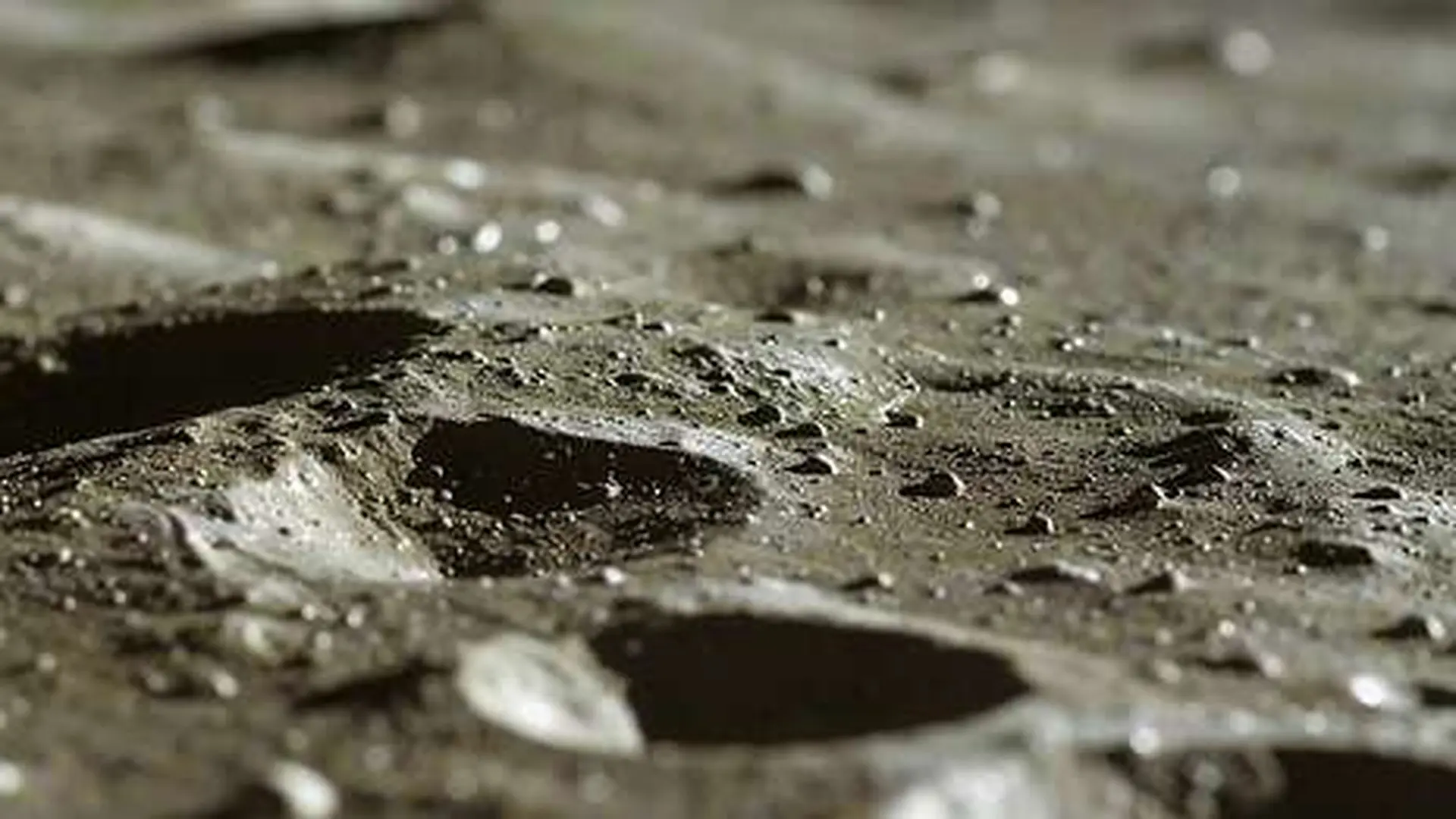
Samples retrieved from the Moon’s far side have reshaped the timeline of asteroid impacts, indicating a steady decline over billions of years rather than a single, intense bombardment episode, according to research published in Science Advances.
The material comes from China’s Chang’e‑6 mission, the first to bring back rocks from the lunar far side, providing a novel geological record from a region that had never been sampled directly. These data give fresh insight into the early dynamics of the solar system and the role of violent collisions in shaping planetary bodies.
Far‑Side Samples Offer an Untapped Lunar Archive
For many years, lunar science relied almost exclusively on specimens gathered from the hemisphere facing Earth, leaving a substantial gap in the planet’s history. The new specimens fill that void, allowing direct comparison between the two lunar hemispheres for the first time.
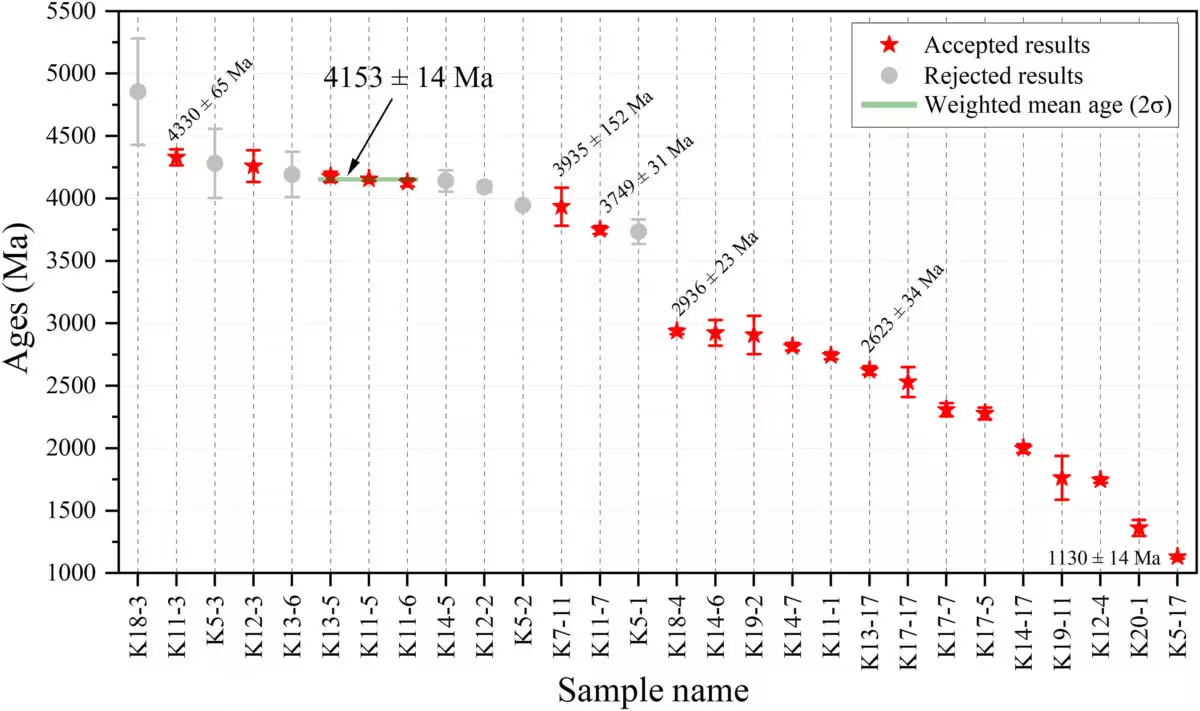
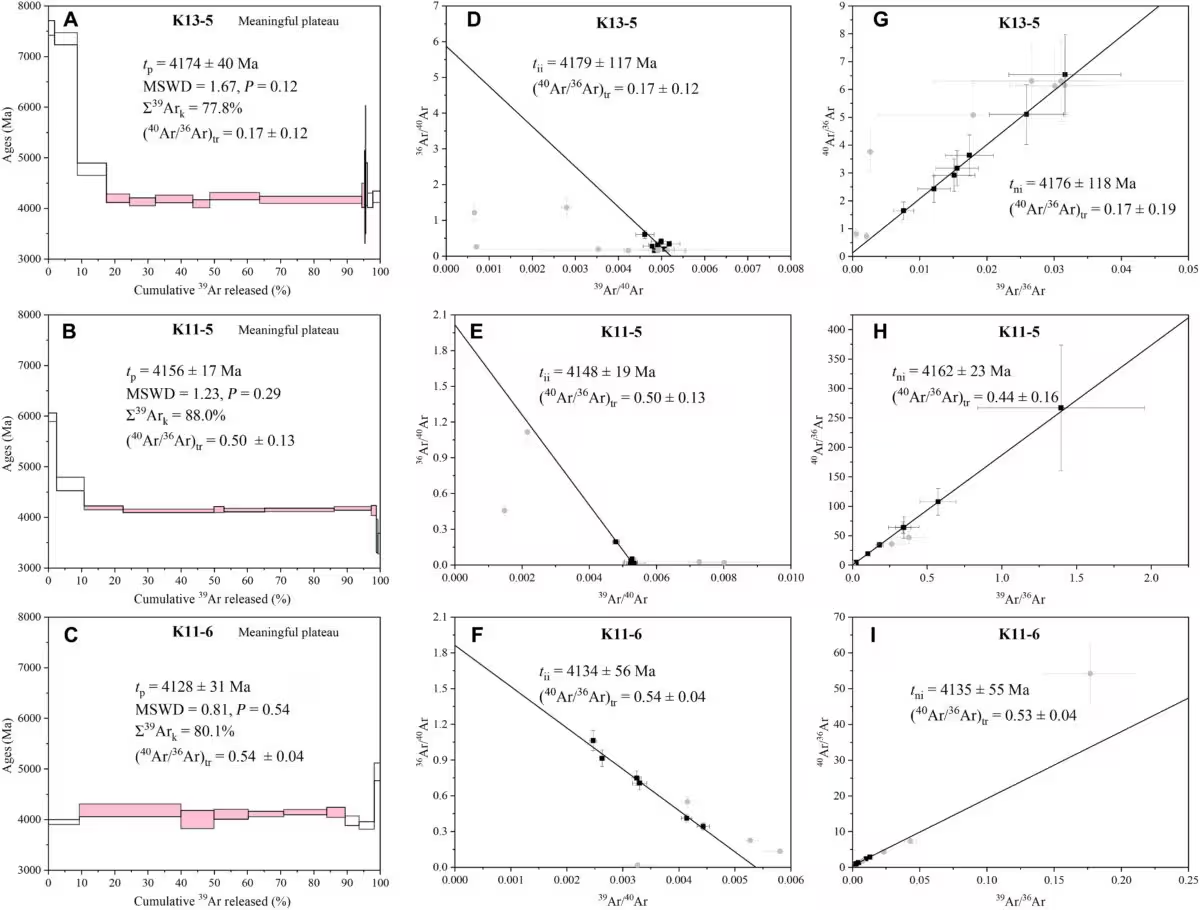
The investigation, conducted by the State Key Laboratory of Deep Earth Processes and Resources at the Guangzhou Institute of Geochemistry, Chinese Academy of Sciences, examined microscopic shards of impact‑melt rocks using 40Ar/39Ar dating. The resulting chronology spans roughly 4.33 billion to 1.13 billion years ago.
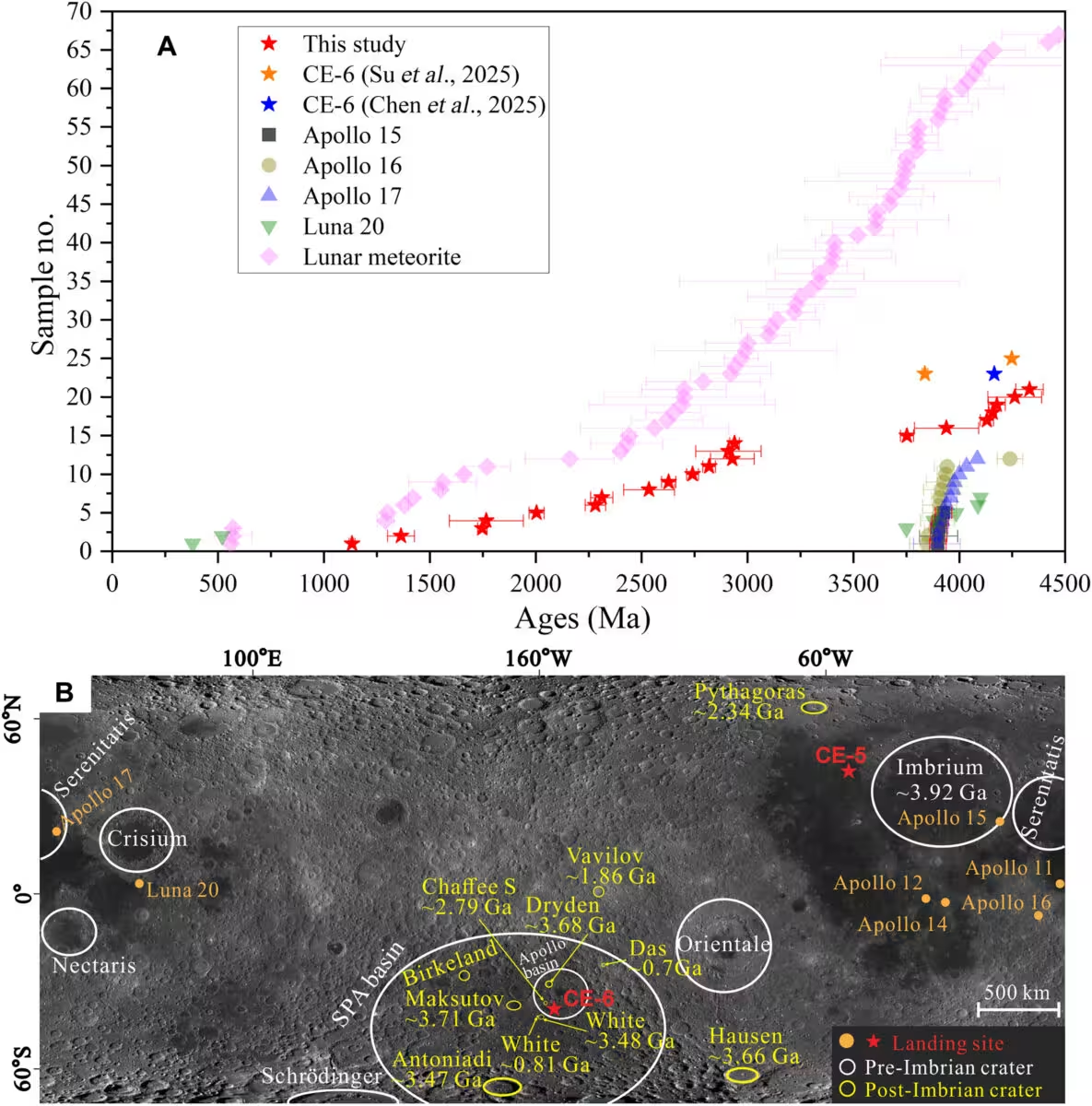
Rather than supporting a brief, high‑intensity impact spike, the age distribution points to a protracted waning of asteroid collisions as the solar system matured.
Co‑author Dr Fred Jourdan of Curtin University’s School of Earth and Planetary Sciences emphasizes the Moon’s role as a time capsule preserving events erased from Earth by erosion, tectonics, and other processes.
“The Moon is like a time capsule—it has preserved a record of events that have been erased from Earth by erosion, plate tectonics and other geological processes,” Jourdan said.
These far‑side specimens open a window onto a segment of lunar history that was previously inaccessible through direct physical evidence.
“Samples collected from the Moon’s far side are particularly significant because they allow us to compare two very different parts of the Moon for the first time. Until now, almost everything we knew came from the side facing Earth,” Jourdan said.
Revisiting the Solar System’s Early Bombardment
The lunar surface functions as a durable archive, retaining impact scars that would have been erased on Earth by oceans, weather, volcanism, and shifting tectonic plates. The far side, in particular, experienced fewer later‑stage geological alterations, making it a cleaner record of ancient events.
By dating the newly returned rocks, researchers identified the timing of major impacts and refined models of early solar system development.
“By analyzing these ancient rocks, we can better understand when major asteroid impacts occurred and how the early solar system evolved. The far side preserves a cleaner record of those earliest impacts because it was much less affected by later geological events than the side facing Earth,” Jourdan said.
Also ReadCentury-Old WWI Submarine Leaks TNT, Yet Microbes Are Turning the Poison Into Cleaner Water
The results challenge the longstanding notion of a brief, intense episode known as the Late Heavy Bombardment, favoring instead a gradual tapering of impact frequency.
“These samples are helping us rewrite parts of the Moon’s history and suggest the early solar system experienced a long decline in asteroid impacts rather than a single catastrophic bombardment,” Jourdan said.
A revised impact chronology influences interpretations of planetary formation across the solar system, offering a clearer picture of the environments surrounding nascent worlds.
Implications for Earth’s Early Record
Because the Moon and Earth originated from the same region of the primordial solar nebula, they share a linked impact history. Yet Earth’s oldest cratering evidence has been erased by continuous geological recycling.
The newly analyzed lunar rocks provide indirect clues about the conditions that early Earth endured, each preserved impact serving as a proxy for the planet’s formative environment.
“The Moon and Earth share a common history, but the evidence of early impacts has largely disappeared from our planet,” Jourdan said.
“Because Earth and the Moon formed together, every major impact recorded on the Moon tells us something about the conditions experienced by the young Earth,” Jourdan said.
By examining these specimens, scientists can assess how asteroid collisions shaped planetary evolution and set the stage for life’s emergence on Earth.
“Studying lunar rocks allows us to look back billions of years and better understand the events that shaped the environments of both worlds and helps us understand the role asteroid impacts played in planetary evolution and the conditions that may have influenced the emergence of life on Earth,” Jourdan said.
The findings underscore how lunar exploration continues to reveal data unattainable from Earth alone, turning the once‑inaccessible far side into a new frontier for deciphering the origins of our planetary neighborhood.
A Milestone for Lunar Sample Return
The successful retrieval of Chang’e‑6 material marks a pivotal moment in Moon research, being the first mission to return samples from the far side and unlocking a region previously beyond the scope of sample‑return endeavors.
“The findings come amid a new era of lunar exploration and science, with China’s Chang’e‑6 mission being the first to return samples from the Moon’s far side,” Jourdan said.
Upcoming missions from various space agencies aim to broaden this approach, targeting additional unexplored locales that may reveal distinct chapters of lunar geological history.
Even after decades of study, the Moon continues to surprise, with rocks from a remote, previously unreachable terrain now shedding light on the violent origins of the solar system and the early environment that shaped Earth.
This article has been fact checked for accuracy, with information verified against reputable sources. Learn more about us and our editorial process.
Last reviewed on .
Article history
- Latest version
Reference(s)
- Zhang, Wan-Feng., et al. “The bombardment history on the lunar farside revealed by 40 Ar/ 39 Ar geochronology of Chang’e-6 impact melt rocks.” Science Advances, vol. 12, no. 30, July 24, 2026 American Association for the Advancement of Science (AAAS), doi: 10.1126/sciadv.aee8718. <https://www.science.org/doi/10.1126/sciadv.aee8718>.
Cite this page:
- Posted by Bilal Abbasi