The Moon Will Erase Jupiter From the Sky This October in a Rare Celestial Event
Watch as the Moon passes in front of Jupiter during a rare predawn lunar occultation on October 6, visible to observers across parts of North America.
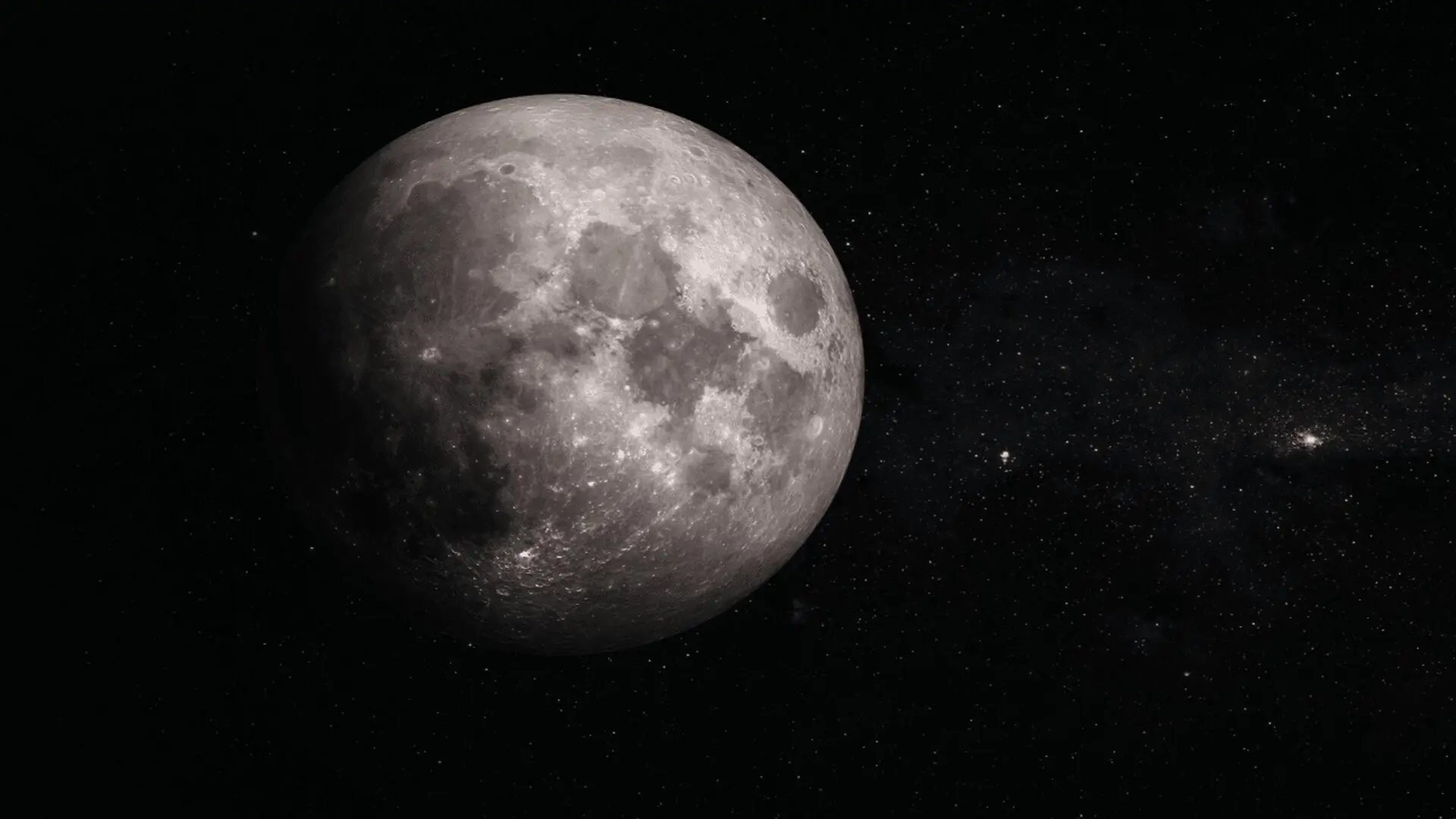
Skywatchers across large swaths of North America are in for a rare celestial display on the morning of October 6, as the Moon glides directly in front of Jupiter. This event, known as a lunar occultation, will temporarily erase the gas giant from the night sky, offering a fleeting but dramatic look at the mechanics of our solar system.
An Occultation Event Before Sunrise
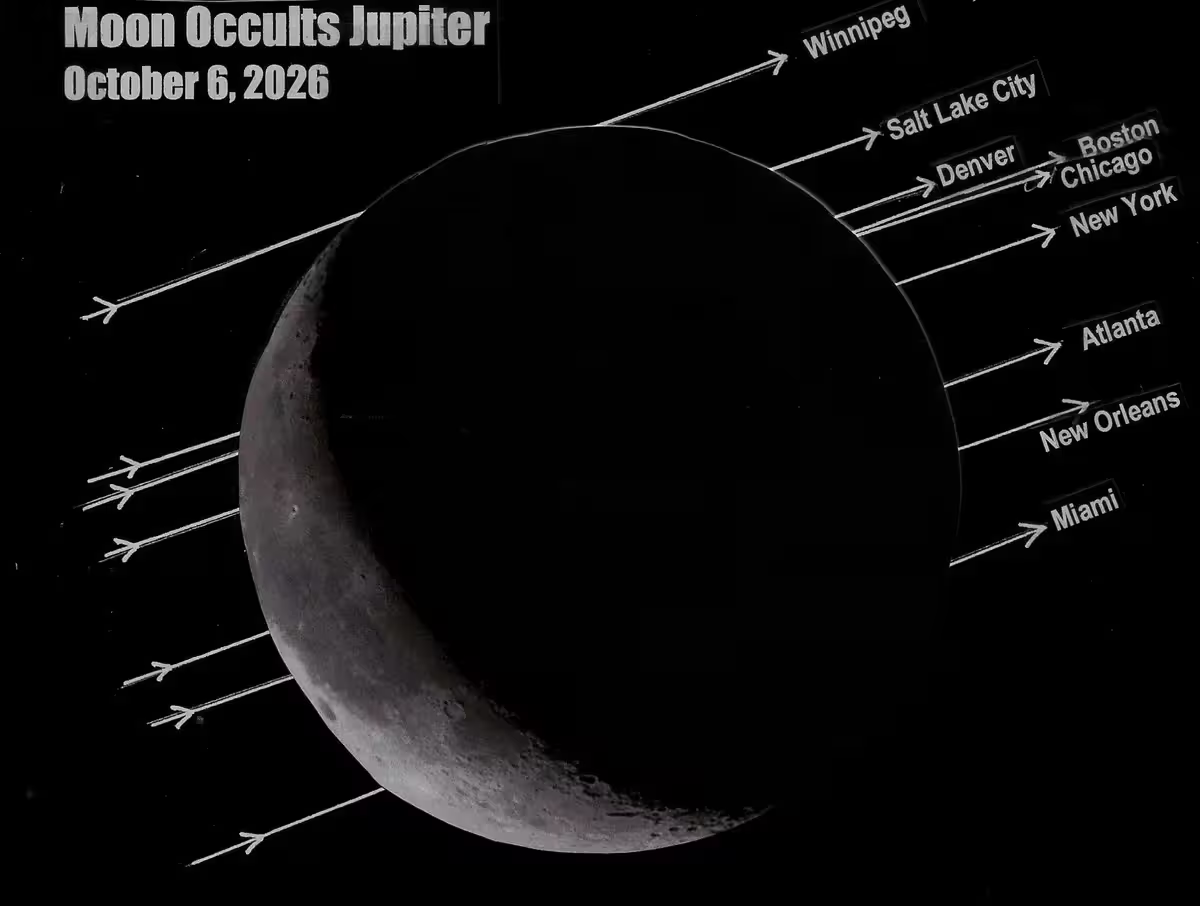
The celestial encounter begins during the predawn hours as the Moon—a waning crescent roughly 20 percent illuminated—rises in the east-northeast around 2:30 a.m. local time. With Jupiter hanging close to the Moon’s bright edge, the two objects will gradually draw nearer as they climb into the sky. For observers in the central and eastern United States and parts of southern Canada, the Moon will eventually drift over the planet, hiding it from view for approximately one hour before it emerges from the dark, Earth-lit side of the lunar limb.
While stars typically blink out in an instant during an occultation, Jupiter’s relative proximity to Earth gives it a visible disk. According to Space.com, this means the planet will take about a minute to fully disappear and another minute to return to view, providing a more gradual and observable spectacle.
The Contrast of Earthshine
The disappearance of the planet against the bright crescent of the Moon will likely require binoculars or a telescope to track clearly. However, the reappearance promises a more striking visual experience. As Jupiter emerges from the Moon’s dark, unlit edge—faintly visible due to earthshine—the contrast between the planet’s brilliance and the dim lunar surface should make the return visible even to the naked eye.
This “brightening jewel” effect has historically left a strong impression on observers. Reports from past events, such as a notable occultation in October 1968, highlighted how the sudden reappearance of Jupiter against the shadowed lunar terrain creates a sense of drama that the initial disappearance lacks.
Geographic Variables and Observing Tips
The quality of the view will depend heavily on where you are positioned. In parts of the eastern United States and New England, the pair will be 20 to 30 degrees above the horizon, offering a comfortable viewing angle. Further west, the occultation will occur much closer to the horizon, where trees, buildings, or atmospheric haze could obscure the view.
For those in locations like Memphis, Tennessee, the event occurs at a very low altitude of about 5 degrees. In these areas, finding an elevated or unobstructed spot with a clear line of sight to the east-northeast is essential. Meanwhile, in cities like Denver and Salt Lake City, the occultation will already be in progress or completed by the time the moon rises, though observers there may still catch the dramatic return of the planet from behind the lunar limb.
Western Skies and the Galilean Moons
Regions further west, including California, Oregon, Washington, and parts of the Mountain West, will miss the full occultation. Instead, they will be treated to an extremely close conjunction, where Jupiter will appear to hover just a fraction of the Moon’s diameter away from the lunar edge. This pairing will be an ideal target for binoculars.
For those using telescopes, the event extends to Jupiter’s largest satellites. Io, Europa, Ganymede, and Callisto will also cross behind the Moon. Because of their orbits, they will vanish and reappear at different intervals than the planet itself, creating a multi-stage event for patient observers. While the glare of the Moon makes tracking the moons difficult, their sequential disappearance and reappearance provide an additional layer of detail to this rare planetary alignment.
This article has been fact checked for accuracy, with information verified against reputable sources. Learn more about us and our editorial process.
Last reviewed on .
Article history
- Latest version
Reference(s)
- Rao, Joe. “Jupiter will disappear behind the moon on Oct. 6 — and if you're in the right place, you can watch it happen.”, October 2, 2026 Space <https://www.space.com/stargazing/jupiter-will-disappear-behind-the-moon-on-oct-6-and-if-youre-in-the-right-place-you-can-watch-it-happen>.
Cite this page:
- Posted by Aisha Ahmed