NASA Just Launched Three Experimental SmallSats to Revolutionize Space Tech and Astronomy
Three new NASA-supported spacecraft are launching to test dual-mode propulsion, probe hidden ultraviolet signals, and advance autonomous satellite inspection.
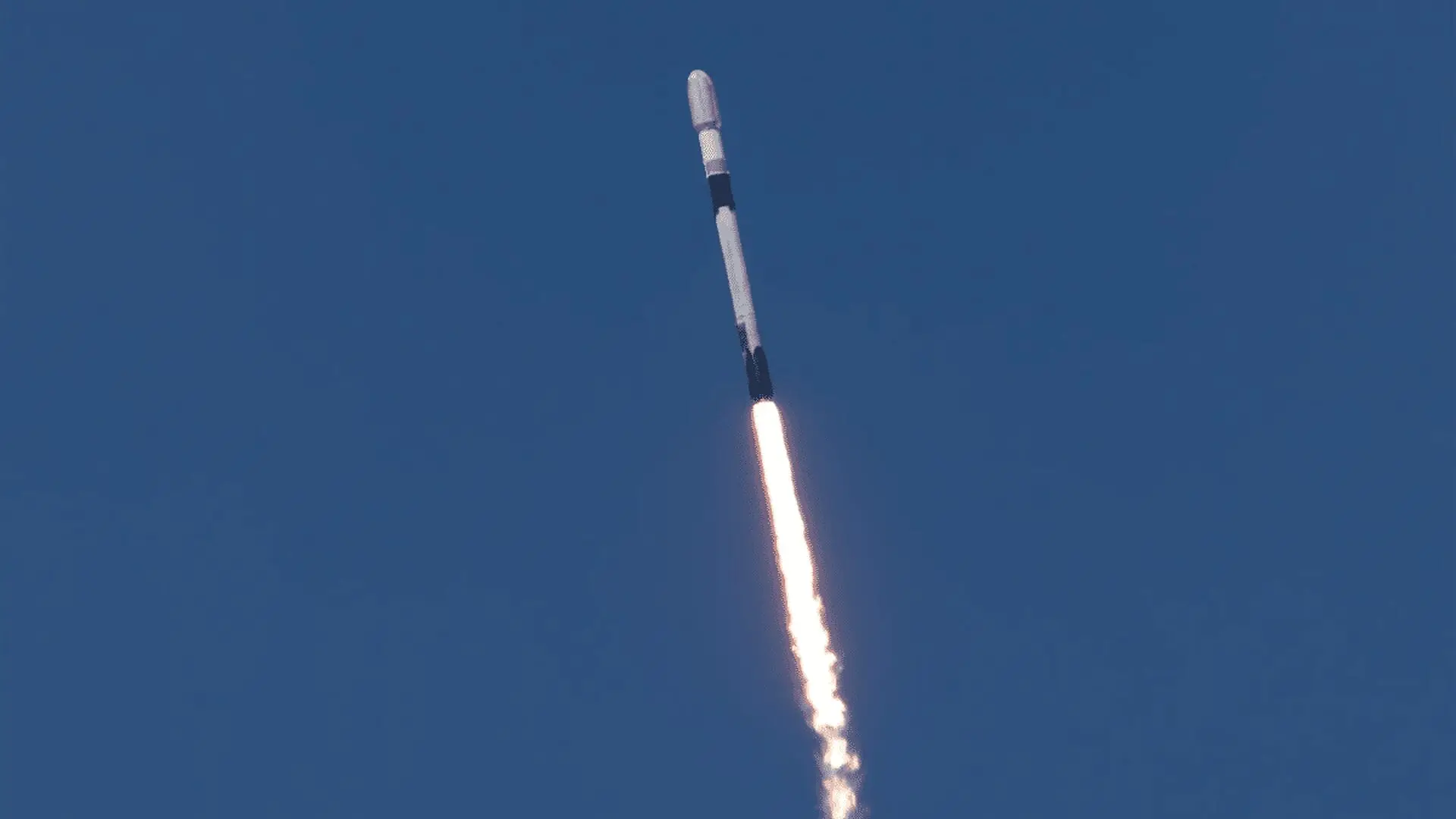
A trio of advanced small spacecraft successfully reached orbit on October 1, launching from Vandenberg Space Force Base in California aboard a SpaceX Falcon 9 rocket. Part of the Transporter-18 rideshare mission, these compact satellites represent a significant step forward in NASA’s push to test sophisticated technologies on agile, low-cost platforms.
Pushing the Boundaries of Orbital Maneuverability and Science
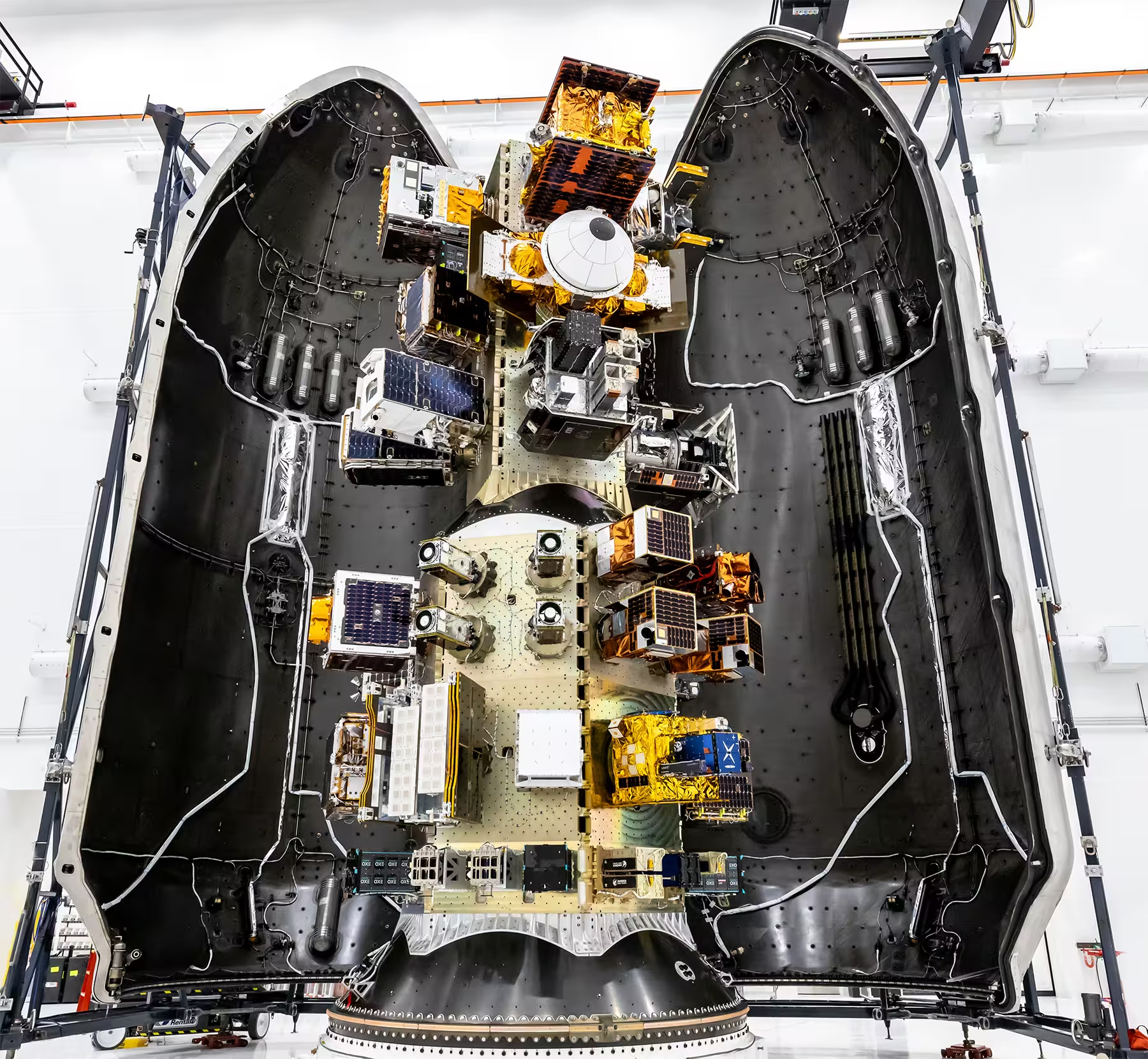
The mission objectives are diverse, covering experimental propulsion, ultraviolet astronomy, and autonomous orbital navigation. By leveraging commercial launch opportunities, NASA is accelerating the development of systems that could eventually support larger, more complex space exploration initiatives. The three payloads—ASCENT Propulsion Dual Mode, SPRITE, and SSPICY—were deployed to validate concepts that promise to reshape how we interact with and study the cosmos.
The launch, which occurred at 11:32 a.m. PDT from Space Launch Complex 4 East, underscores the utility of the smallsat sector. Rather than requiring dedicated launch vehicles, these experiments now benefit from the frequency and cost-efficiency of commercial rideshare flights, enabling engineers to refine orbital hardware through real-world testing.
— Reuters (@Reuters) October 1, 2026
Unified Propulsion Architecture
Leading the technical demonstrations is the ASCENT Propulsion Dual Mode CubeSat. This mission seeks to prove that a spacecraft can efficiently utilize two distinct propulsion methods—chemical and electrospray—using a single, shared fuel supply. By integrating these systems, the project aims to provide small satellites with both high-thrust capability for rapid maneuvering and low-power, high-precision control for delicate operations.
The system relies on Advanced Spacecraft Energetic Non-Toxic (ASCENT) propellant, a safer, more stable alternative to traditional hydrazine that offers 50% higher specific impulse density. This collaborative effort, involving NASA’s Marshall Space Flight Center, the Massachusetts Institute of Technology, the Georgia Institute of Technology, and Rubicon Space Systems, could set a new standard for multifunctional propulsion in small-scale satellite design.
Observing the Universe in Ultraviolet
While the other satellites focus on engineering, the Supernova Remnants and Proxies for ReIonization Testbed Experiment (SPRITE) is a dedicated astrophysics mission. Developed by the University of Colorado Boulder’s Laboratory for Atmospheric and Space Physics and supported by NASA’s Astrophysics Division, the shoebox-sized observatory is designed to capture specific ultraviolet wavelengths that are completely obscured by Earth’s atmosphere.
During its year-long mission, SPRITE will peer at star-forming regions and supernova remnants within the Milky Way. By mapping how radiation travels through these environments, researchers hope to gain insights into the “reionization” period of the early universe, a transformative era when light began to permeate the previously neutral cosmos. The success of this compact telescope could pave the way for larger, more sensitive ultraviolet observatories in the future.
Meanwhile, the SSPICY mission is set to advance autonomous proximity operations. Scheduled to begin its primary testing phase in 2027, the spacecraft will demonstrate the capability to navigate toward and inspect inactive satellites, a critical technology for future orbital servicing and debris mitigation efforts. Together, these three missions highlight a growing trend toward high-performance instrumentation packed into small, efficient satellite frames.
This article has been fact checked for accuracy, with information verified against reputable sources. Learn more about us and our editorial process.
Last reviewed on .
Article history
- Latest version
Cite this page:
- Posted by Aisha Ahmed