Historic Drainage Laws Stand in the Way of Modern Wetland Restorations
A Swedish case study reveals how century-old legal frameworks complicate urgent efforts to combat severe droughts by retaining water in the landscape.
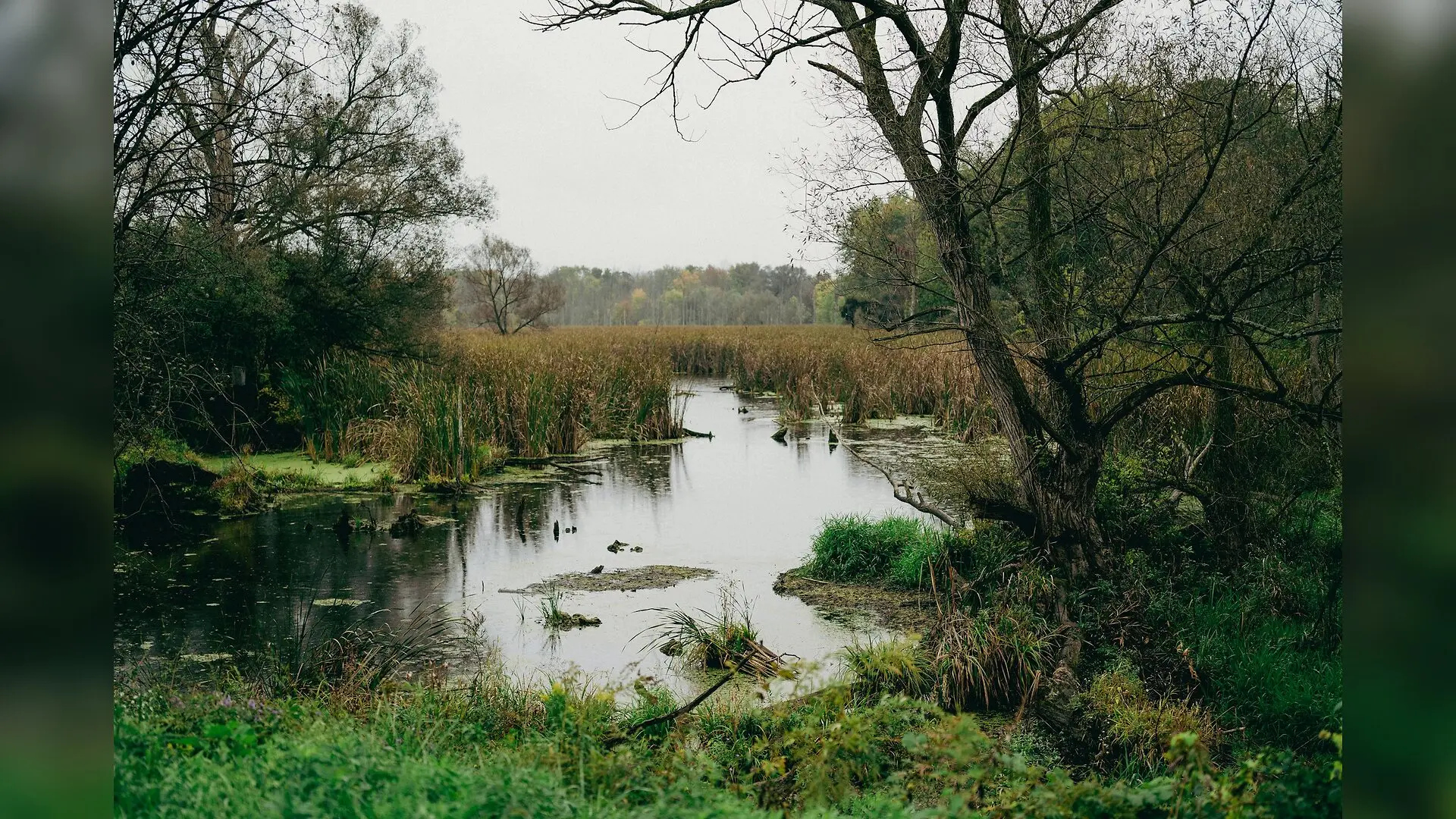
On the limestone-dominated Swedish island of Öland, centuries of historical land drainage have left ecosystems exceptionally vulnerable to modern climate shifts. Researchers analyzing water management changes on the island explored how rigid historical institutions complicate efforts to restore wetlands and retain vital freshwater resources. The study is published in PLOS Sustainability and Transformation, detailing the complex legal and social barriers standing in the way of climate adaptation.
How Historic Drainage Enterprises Shape Modern Water Conflicts
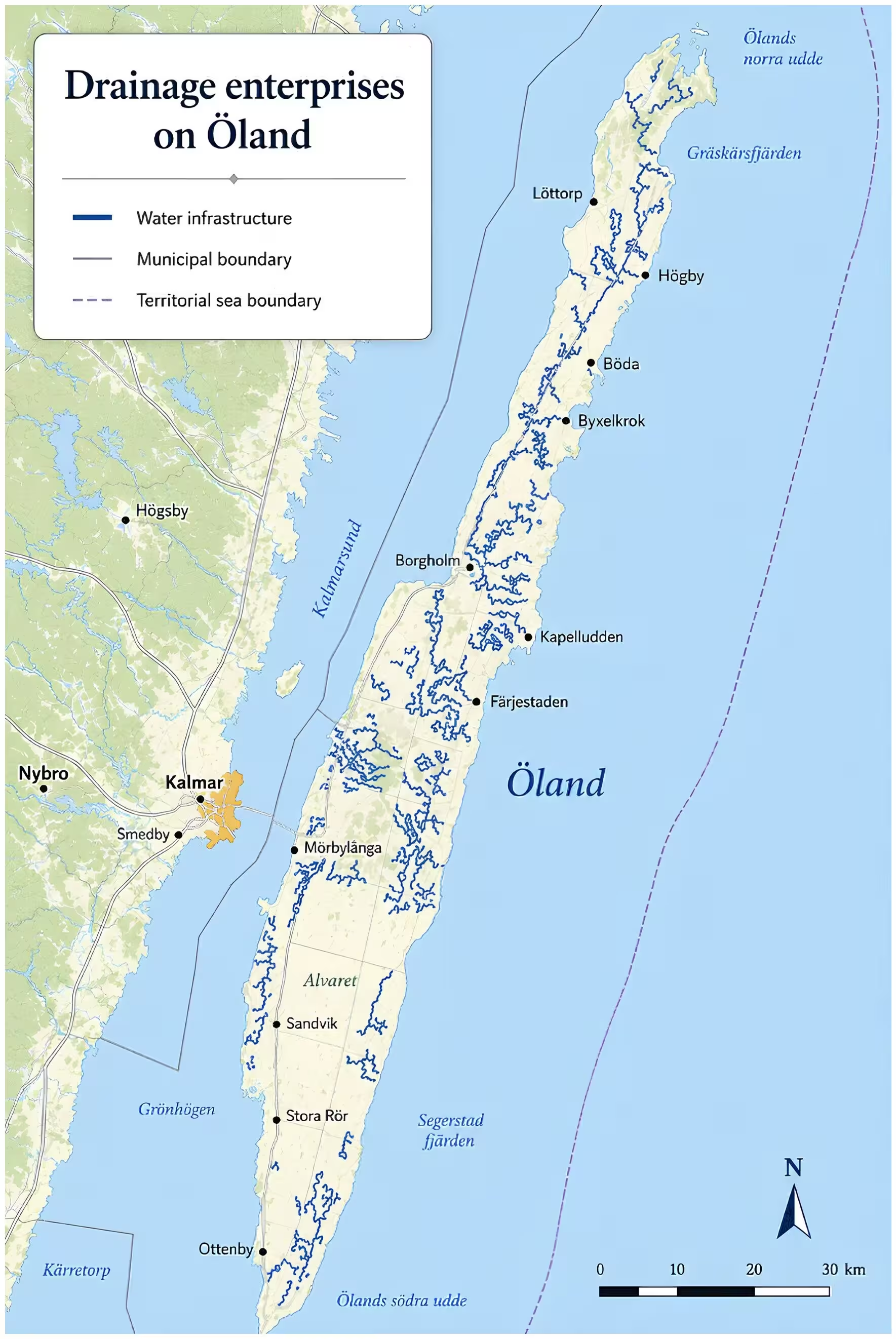
During the late 19th and early 20th centuries, extensive government-backed efforts drained approximately 90 percent of Öland’s shallow coastal wetlands to expand agricultural land. To manage this massive infrastructure of ditches and canals, landowners formed legally binding associations known as drainage enterprises. Although many of these entities have been inactive for decades, their original legal mandates remain in force today. This creates a paradox where a single landowner can legally oppose wetland restoration projects by invoking rights tied to agricultural drainage that was abandoned generations ago.
The research team, led by scholars including Cora Cunningham and Erik Andersson from Stockholm University and other academic institutions, focused on a case study at Vedborm marsh. The site was originally drained in the 1880s, but farming attempts failed early on and the area was left to overgrow. When modern municipal authorities and energy companies sought to restore the marsh to improve regional groundwater levels and protect against severe droughts, they had to navigate the dormant drainage enterprise holding legal sway over the property.
The Delicate Process of Building Local Consensus
Transforming water management requires balancing rigid legal frameworks with the practical needs of local landowners. Investigators conducted semi-structured interviews with project managers, environmental consultants, regional water experts, and landowners involved in the Vedborm restoration initiative. The qualitative data revealed that overcoming institutional rigidity demands substantial investments in dialogue, transparent communication, and trust-building.
- All 35 landowners within the Vedborm drainage enterprise had to be consulted and persuaded to grant power of attorney to dissolve the historic association.
- Financial compensation packages were successfully negotiated to cover potential land value losses on forest edges affected by rising water tables.
- Rigorous environmental impact modeling was required to satisfy the strict oversight of the Land and Environmental Court.
The authors note that while public institutions like courts and environmental boards provide essential protective safeguards against harmful landscape alterations, their high procedural complexity often makes restoration far more difficult than preservation or commercial real estate development.
Rethinking Grassroots Governance for Future Resilience
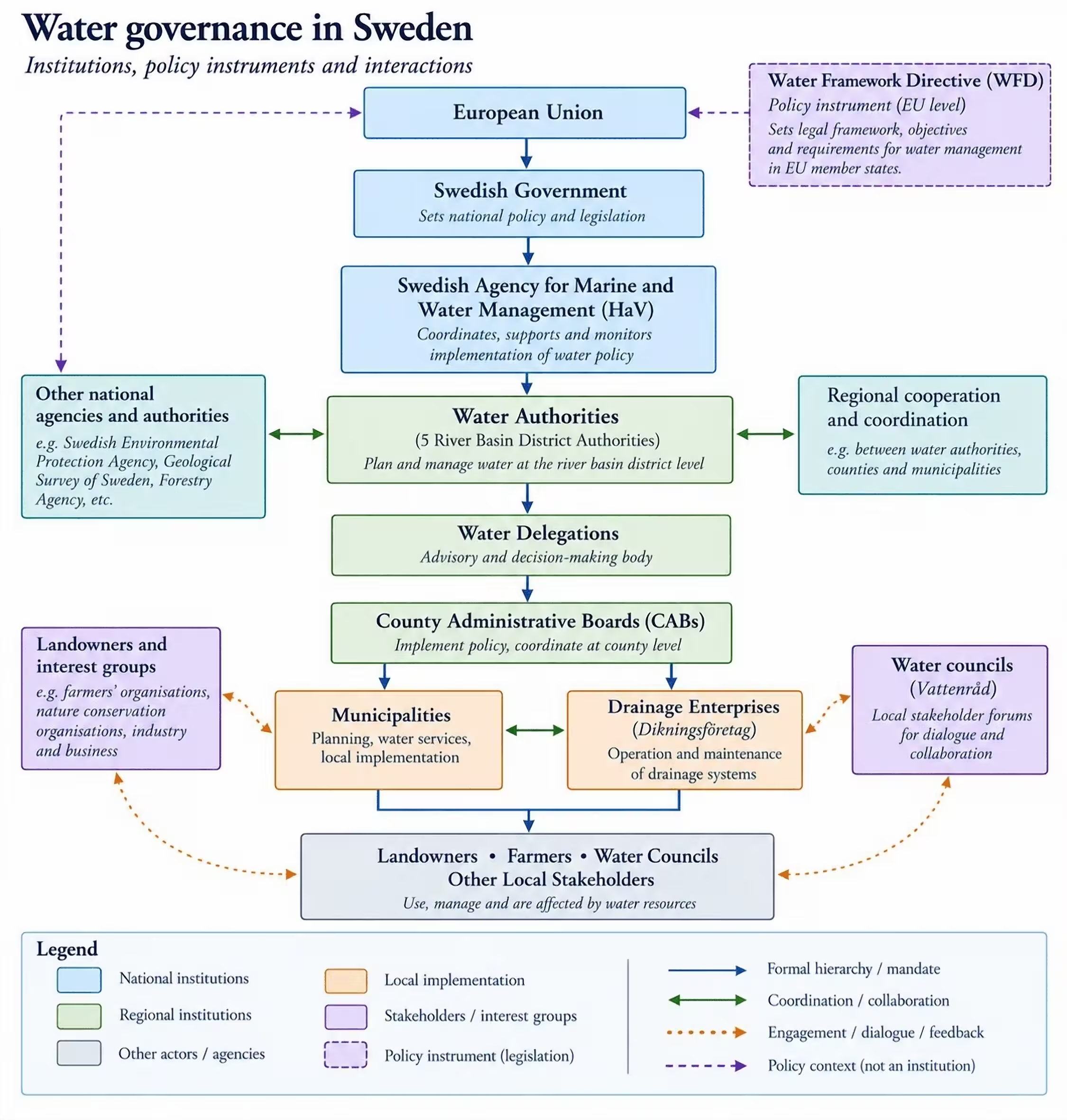
The findings indicate that contemporary environmental management relies heavily on regulative instruments, such as legal permits and economic compensation, while lacking the shared cultural-cognitive norms that once united rural communities around common agricultural goals. As modern societies face intensifying droughts and shifting precipitation patterns, the study suggests that purely top-down regulatory approaches may fall short unless existing grassroots institutions are thoughtfully redesigned.
The researchers point out that retrofitting traditional water organizations into flexible, collaborative platforms could bridge the gap between historic legal structures and urgent environmental needs. By fostering local dialogue and collective responsibility, communities can adapt their landscape heritage to cope with the realities of a changing climate without relying solely on protracted court battles.
The research was published in PLOS Sustainability and Transformation on November 17, 2026.
This article has been fact checked for accuracy, with information verified against reputable sources. Learn more about us and our editorial process.
Last reviewed on .
Article history
- Latest version
Reference(s)
- Cunningham, Cora., et al. “Institutions and transformative change in water management: A case study of wetland restoration on the island of Öland, Sweden.” PLOS Sustainability and Transformation, vol. 5, no. 11, November 17, 2026, pp. e0000311 Public Library of Science (PLoS), doi: 10.1371/journal.pstr.0000311. <https://doi.org/10.1371/journal.pstr.0000311>.
Cite this page:
- Posted by Kamran Akhtar