Earth Microbes Survive and Thrive in Lab Simulation of Enceladus Seafloor Conditions
Scientists have recreated the extreme alkaline conditions of Enceladus’s ocean, discovering how water-rock chemistry allows methane-producing microbes to thrive.
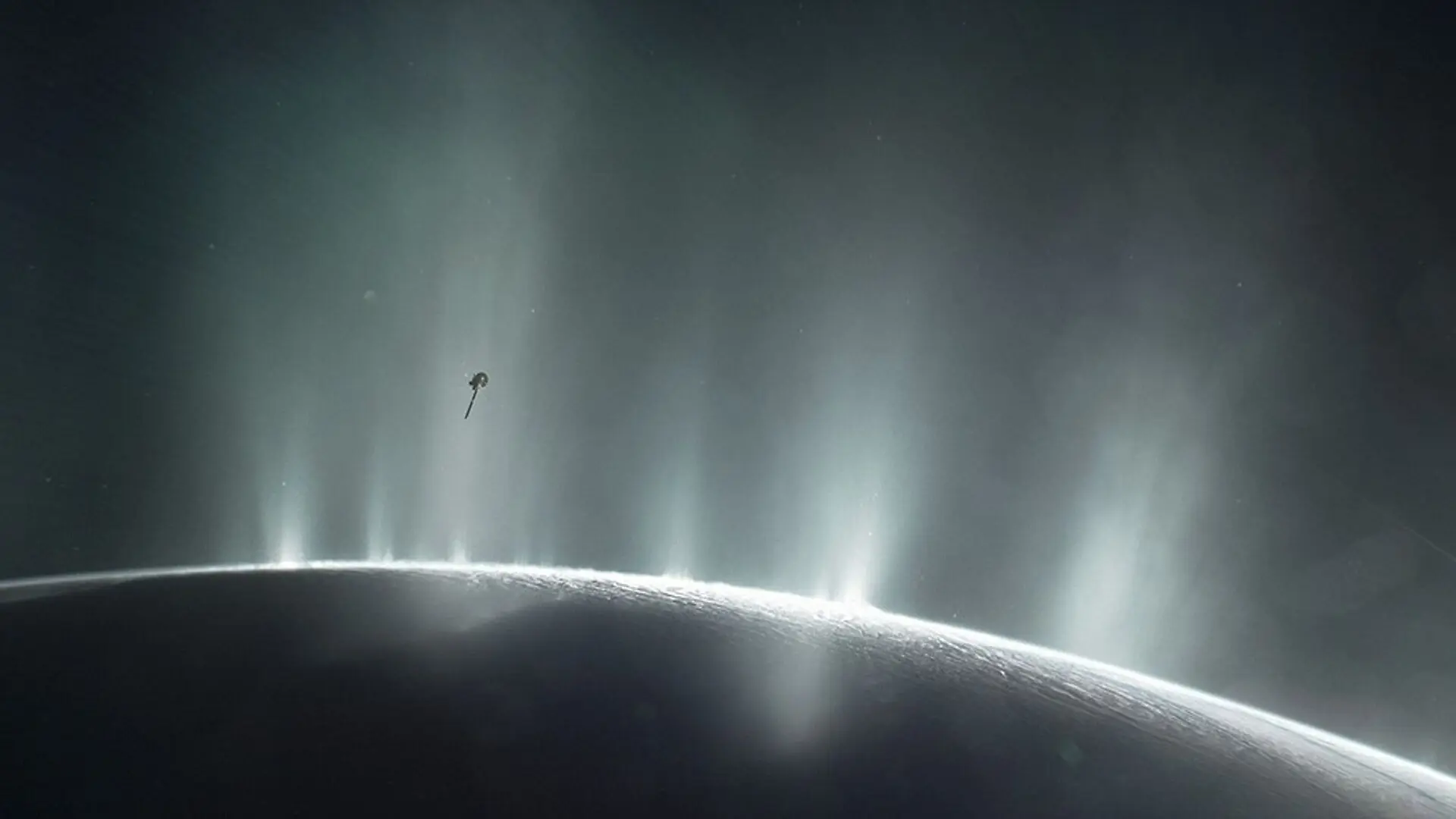
The hidden, global ocean beneath the icy crust of Saturn’s moon Enceladus has long been a primary target in the search for extraterrestrial life. While researchers have previously confirmed the presence of salts, organic compounds, and molecular hydrogen within the moon’s plumes, the extreme alkalinity of its waters has remained a significant hurdle for biological viability. New research, however, demonstrates that this harsh environment might be more hospitable than previously assumed.
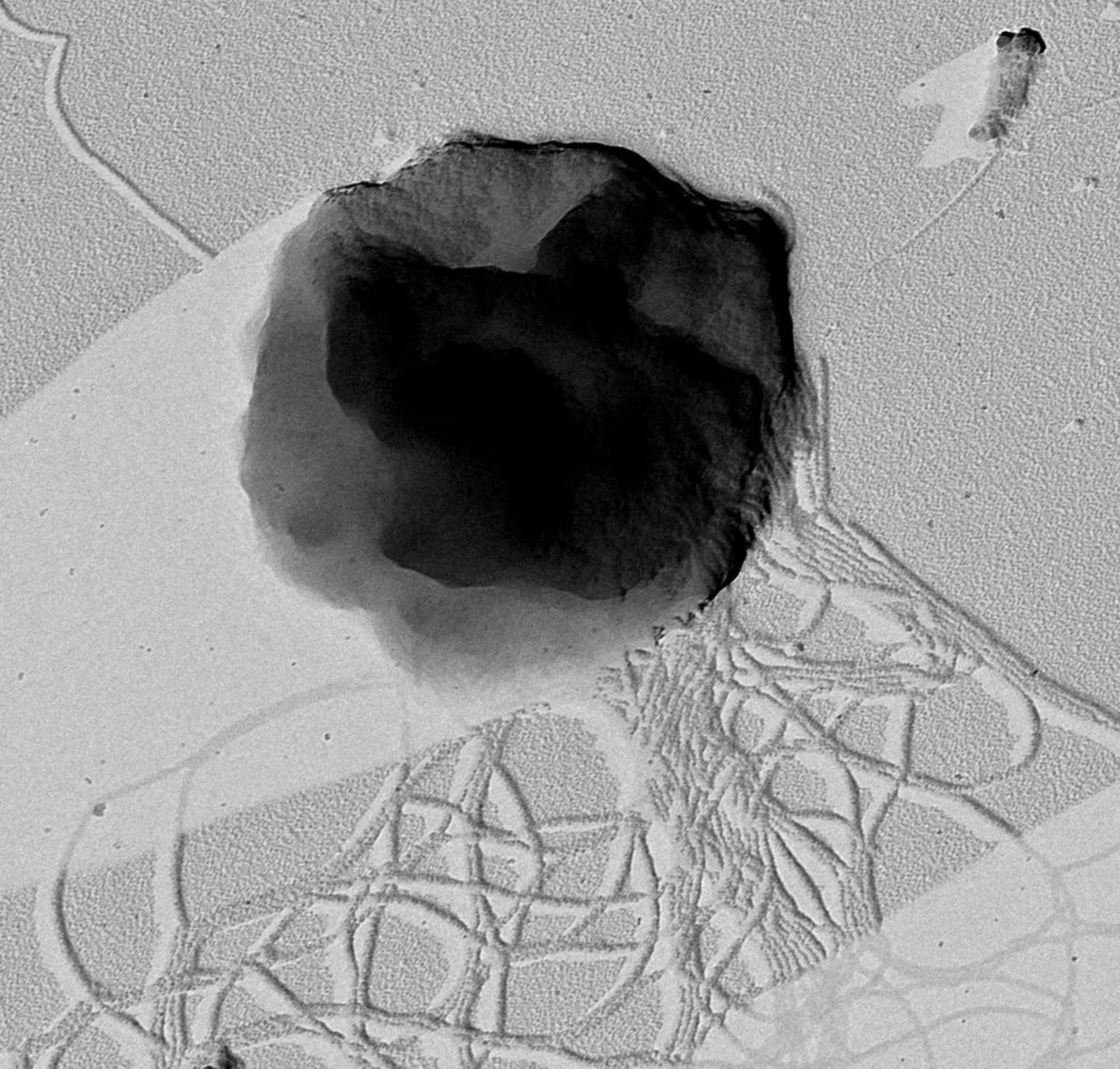
A study published in Science Advances reveals that a methane-producing archaeon from Earth can thrive under simulated conditions mirroring the seafloor of Enceladus. By recreating the moon’s unique hydrothermal environment, researchers observed the microbe successfully metabolizing hydrogen and carbon even at pH levels as high as 11, far exceeding the organism’s known environmental tolerances.
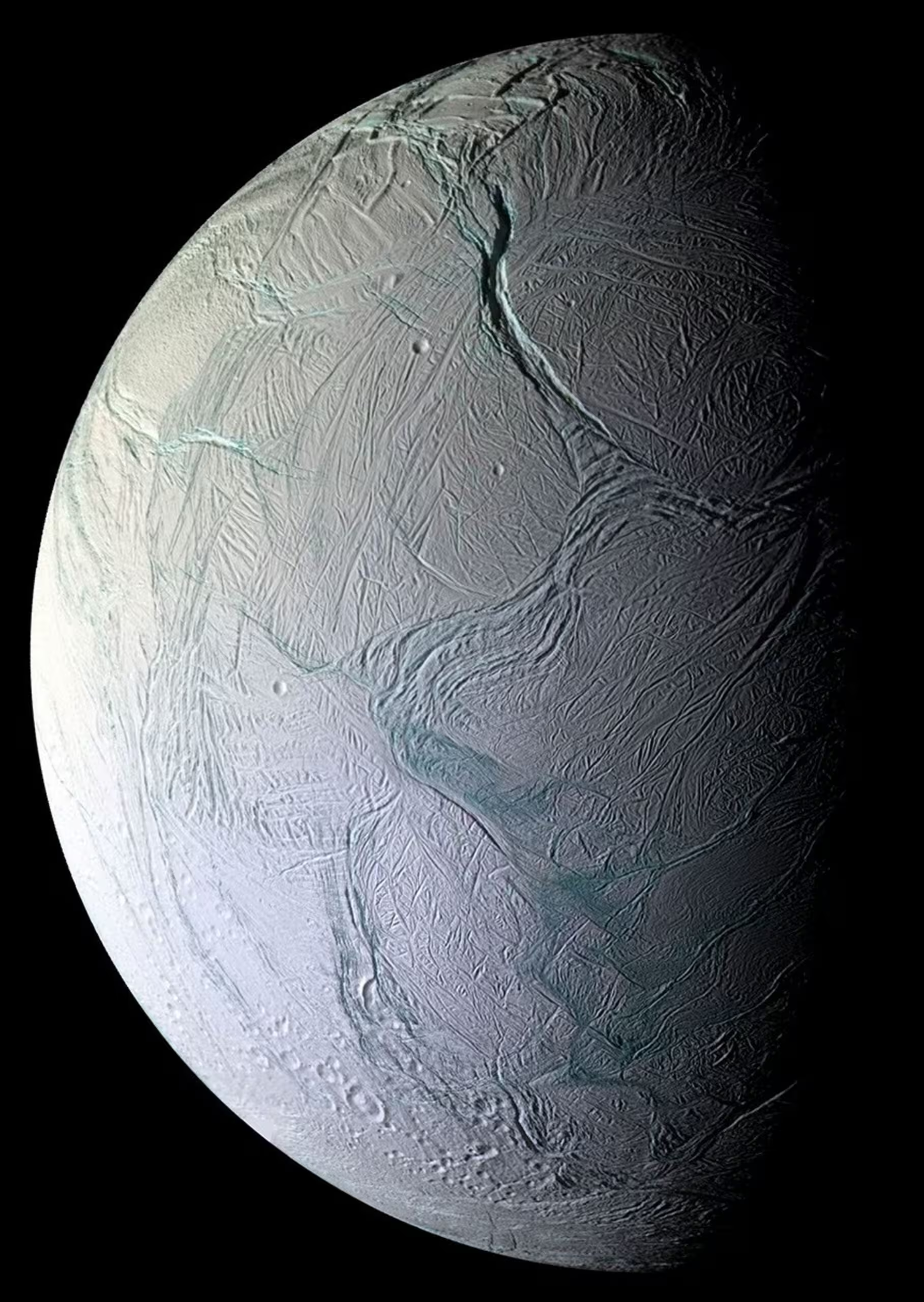
Simulating an Alien Seafloor
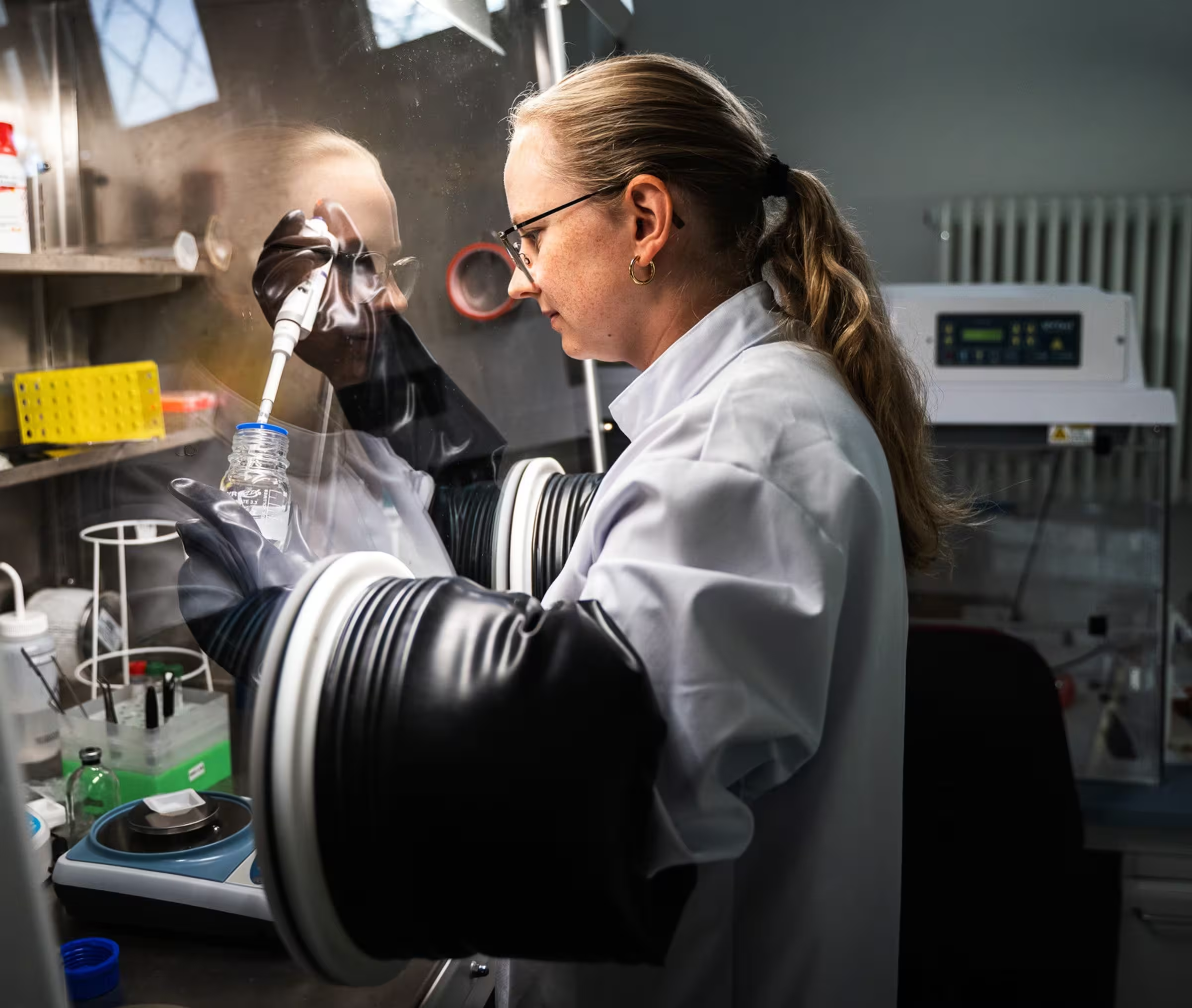
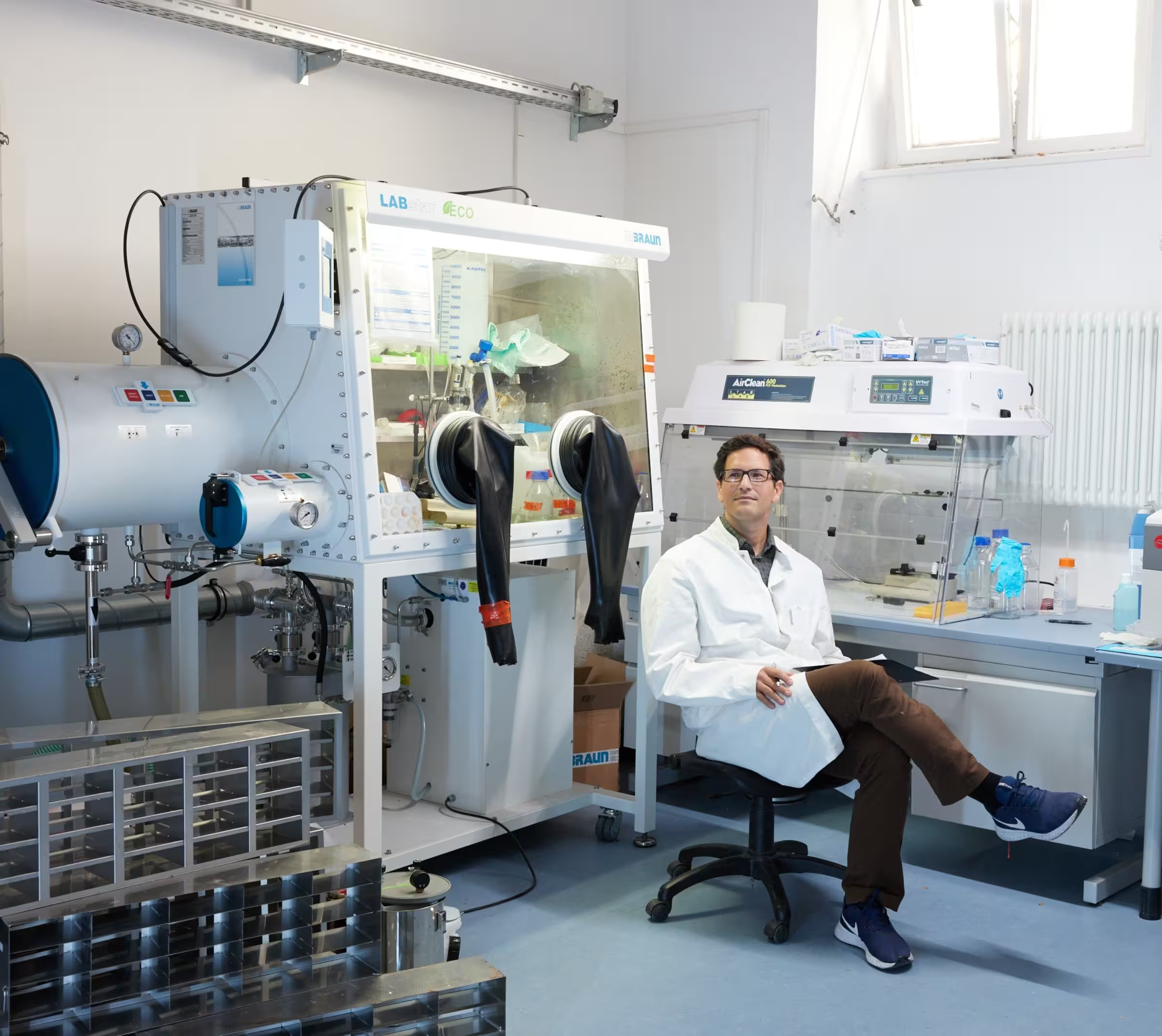
Led by a team at Ludwig-Maximilians-Universität München, the experiments focused on the archaeon Methanothermococcus okinawensis, a heat-loving organism originally discovered in the deep-sea hydrothermal vents of Japan’s Okinawa Trough. Vanessa Helmbrecht and William Orsi led the efforts to build a controlled, anoxic environment that mimicked the geochemical profile of Enceladus, specifically incorporating minerals similar to those found in chondritic meteorites.
In standard laboratory conditions, the growth of M. okinawensis typically falters as alkalinity rises, ceasing entirely at pH 11. However, when placed in the simulated Enceladus medium, the microbes defied these expectations. The researchers found that water-rock interactions provided a steady supply of hydrogen, while the abundance of dissolved inorganic carbon—which is typically scarce as CO2 in highly alkaline environments—allowed the microorganisms to continue building cellular material.
Metabolic Resilience in Alkaline Waters
The study highlights how life might leverage the specific geochemistry of Enceladus to overcome potential limitations. As the pH approached 11, genetic analysis of the archaea showed an upregulation of metabolic pathways involved in carbon capture and methanogenesis. The organisms essentially shifted their internal machinery to prioritize the extraction of scarce carbon, while also activating genes linked to sodium transport, potentially to compensate for the difficulty of maintaining energy systems in a low-proton environment.
“Our findings suggest that the chemistry of Enceladus itself can help overcome this major barrier to life,” Orsi noted. While the researchers emphasize that their results do not prove that life currently exists on the moon, they do demonstrate that the metabolic requirements for a hydrogen-consuming organism could be met by the natural chemical output of the lunar seafloor.
Broadening the Search for Extraterrestrial Life
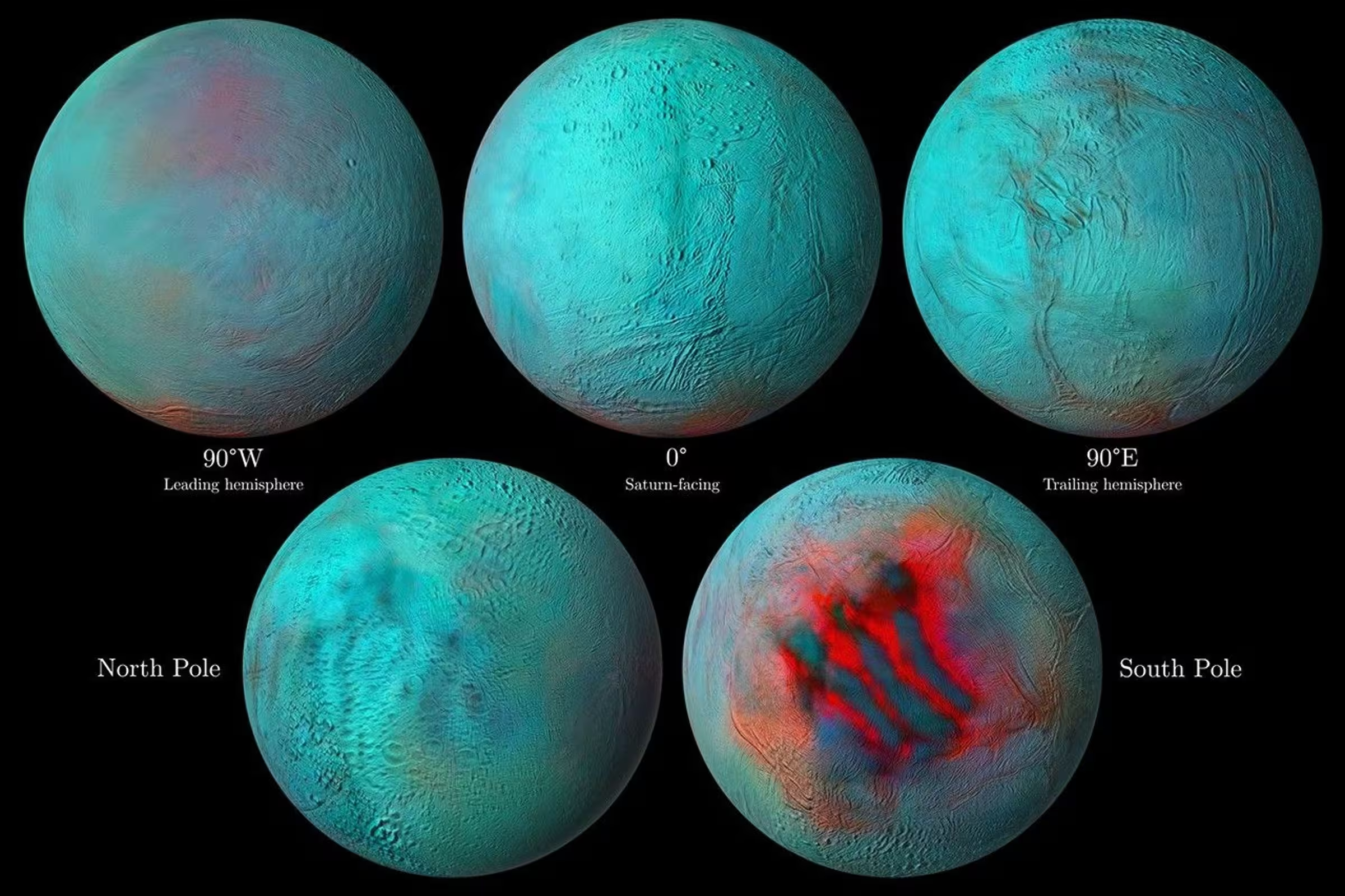
The study adds to a growing body of data suggesting that Enceladus is a premier candidate for astrobiological investigation. Previous analyses of Cassini’s plume data have identified phosphate, molecular hydrogen, and complex organics, all of which are essential components for life as we know it. By proving that terrestrial microbes can utilize the geochemical output of a simulated icy moon, scientists have strengthened the rationale for future missions designed to sample the plume material directly.
Future space probes could distinguish between purely geological methane production and biological signatures, providing a definitive answer to whether the moon is inhabited. Until such missions occur, the latest findings serve to remove the “too alkaline” argument from the list of reasons why the moon might be incapable of supporting life, making the icy world a significantly more compelling destination for exploration.
Further Reading
Detection of organic compounds in freshly ejected ice grains from Enceladus’s ocean: Analysis of Cassini measurements identified previously unseen organic fragments in fresh plume grains, expanding the known chemical diversity emerging directly from Enceladus’s subsurface ocean. (Nature Astronomy, 2025)
Seafloor hydrothermal control over ocean dynamics in Enceladus: Modeling explores how hydrothermal heating from Enceladus’s rocky core could influence ocean circulation and transport material from the seafloor toward the ice shell. (Nature Astronomy, 2025)
Detection of HCN and diverse redox chemistry in the plume of Enceladus: Reanalysis of Cassini data identified hydrogen cyanide and additional organic compounds while revealing chemical energy sources potentially available for metabolism. (Nature Astronomy, 2024)
Detection of phosphates originating from Enceladus’s ocean: Cassini ice-grain measurements provided the first detection of phosphorus in an extraterrestrial ocean and indicated unexpectedly abundant phosphate. (Nature, 2023)
Bayesian analysis of Enceladus’s plume data to assess methanogenesis: Statistical modeling found that Cassini’s hydrogen and methane observations are compatible with habitable hydrothermal conditions and microbial methanogenesis, while also allowing nonbiological explanations. (Nature Astronomy, 2021)
This article has been fact checked for accuracy, with information verified against reputable sources. Learn more about us and our editorial process.
Last reviewed on .
Article history
- Latest version
Reference(s)
- Helmbrecht, Vanessa., et al. “Enceladus-like geochemistry fuels methanogenesis under extreme CO 2 limitation.” Science Advances, vol. 12, no. 39, September 25, 2026 American Association for the Advancement of Science (AAAS), doi: 10.1126/sciadv.aei0167. <https://www.science.org/doi/10.1126/sciadv.aei0167>.
- “Home - LMU Munich.” <https://www.lmu.de/en/>.
- Khawaja, Nozair. “Detection of organic compounds in freshly ejected ice grains from Enceladus’s ocean - Nature Astronomy.”, vol. 9, no. 11, pp. 1662-1671. Nature, doi: 10.1038/s41550-025-02655-y. <https://www.nature.com/articles/s41550-025-02655-y>.
- Bouffard, Mathieu. “Seafloor hydrothermal control over ocean dynamics in Enceladus - Nature Astronomy.”, vol. 9, no. 5, pp. 650-657. Nature, doi: 10.1038/s41550-025-02490-1. <https://www.nature.com/articles/s41550-025-02490-1>.
- Peter, Jonah. “Detection of HCN and diverse redox chemistry in the plume of Enceladus - Nature Astronomy.”, vol. 8, no. 2, pp. 164-173. Nature, doi: 10.1038/s41550-023-02160-0. <https://www.nature.com/articles/s41550-023-02160-0>.
- Postberg, Frank., et al. “Detection of phosphates originating from Enceladus’s ocean.” Nature, vol. 618, no. 7965, June 14, 2023, pp. 489-493. Springer Science and Business Media LLC, doi: 10.1038/s41586-023-05987-9. <https://doi.org/10.1038/s41586-023-05987-9>.
- Affholder, Antonin., et al. “Bayesian analysis of Enceladus’s plume data to assess methanogenesis.” Nature Astronomy, vol. 5, no. 8, June 7, 2021, pp. 805-814. Springer Science and Business Media LLC, doi: 10.1038/s41550-021-01372-6. <https://doi.org/10.1038/s41550-021-01372-6>.
Cite this page:
- Posted by Aisha Ahmed