Scientists Discover Mysterious Tiny Vortices Swirling Across The Surface Of The Sun
High-resolution observations have uncovered tiny, swirling vortices dancing across the Sun’s surface, offering new insights into solar atmospheric dynamics.
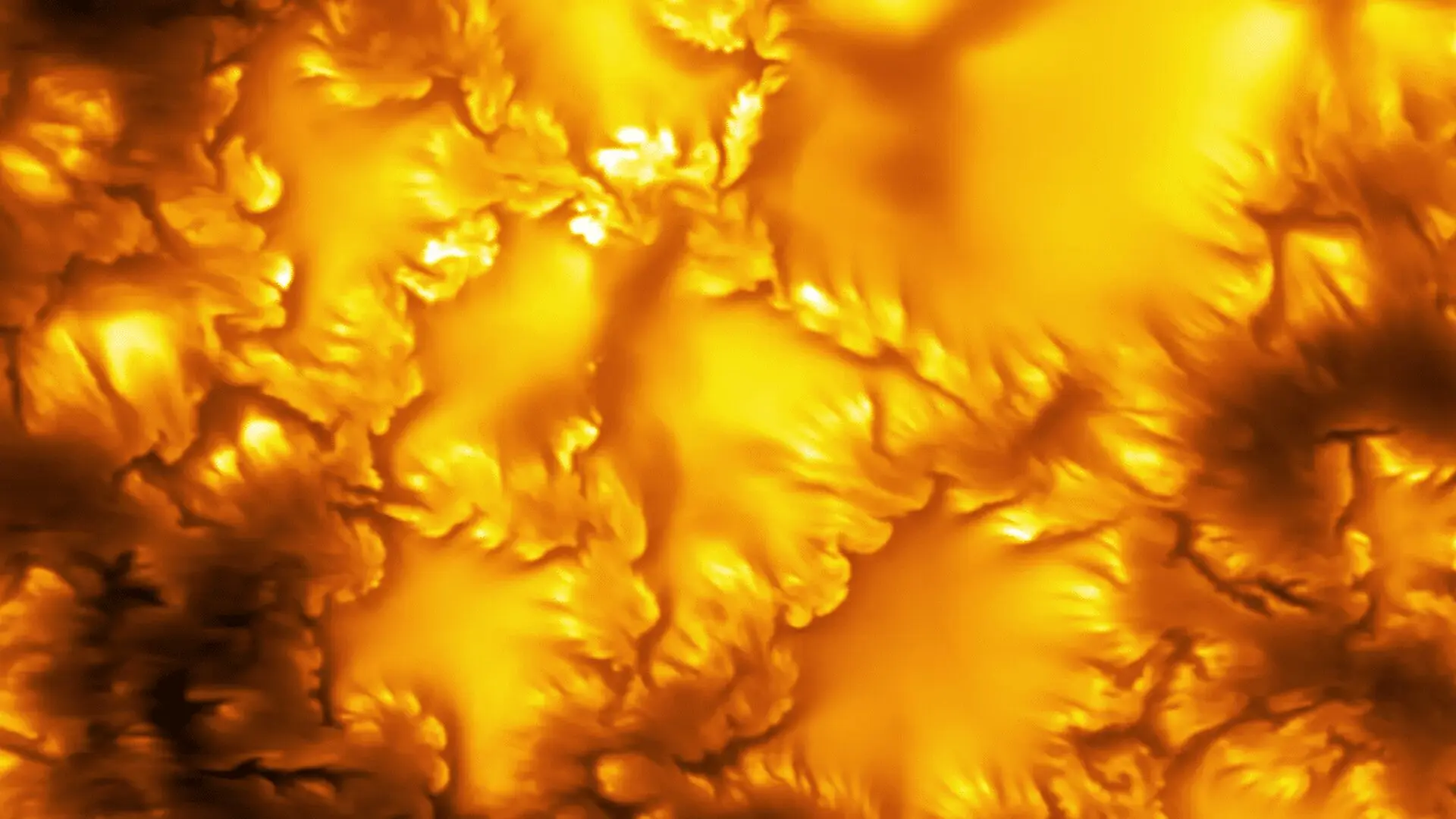
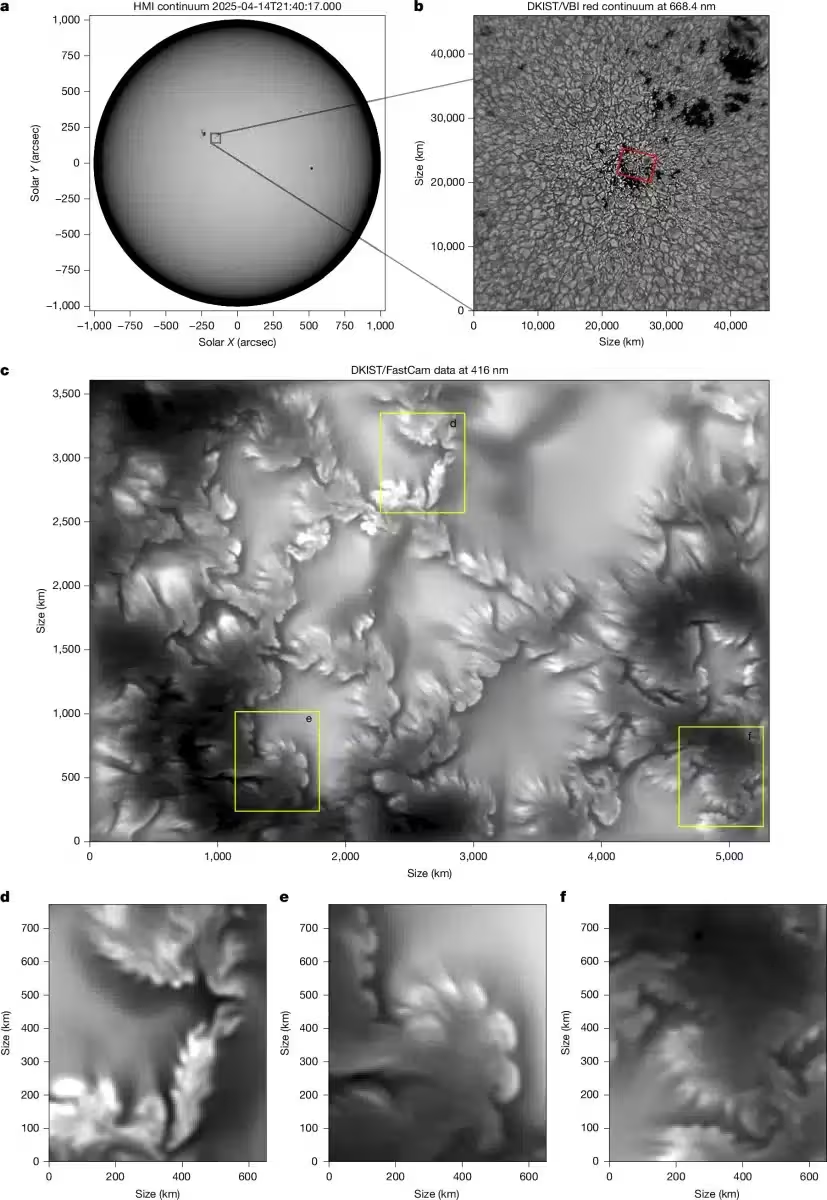
New high-resolution observations of the Sun have unveiled a hidden layer of activity defined by tiny, swirling vortices dancing across the solar surface. Captured through cutting-edge imaging technology, these miniature structures offer a rare glimpse into the complex, small-scale processes that govern our star’s dynamic behavior. Researchers hope these findings will clarify how energy propagates through the solar atmosphere and how magnetic intricacies manifest across its surface.
Unprecedented Clarity Exposes Solar Hidden Features
The discovery was made possible by a generational leap in solar observation instrumentation, which allows for a level of detail far exceeding previous capabilities. By resolving significantly smaller features, this technology has forced scientists to reconsider their understanding of the Sun’s surface, revealing a landscape that is far from uniform.
Sami K. van Noort, a lead researcher on the project, noted that the visual impact of the data initially left his team speechless. In an interview with Earth.com, van Noort described the shift in perspective, stating, “With most nice new data I show to my colleagues the reaction is usually ‘Wow, that’s really nice data!’, with these images the first reaction was ‘What am I looking at?’, and only then came the ‘Wow!’, that’s how large the increase in spatial resolution really is.”
These images depict a surface teeming with persistent movement and magnetic interactions, providing a foundational look at the environment that drives solar energy transport. The work, recently detailed in the journal Nature, highlights a critical step in solar physics: the ability to observe previously unreachable physical phenomena.
Assessing the Impact on Solar Atmospheric Heating
A primary driver for this research is the enduring mystery of solar heating, specifically why the Sun’s outer atmosphere remains significantly hotter than the surface. While the newly identified vortices are certainly part of the Sun’s complex magnetic tapestry, their role in this temperature disparity remains under debate.
Van Noort expressed a degree of skepticism regarding their contribution to the heating process, telling Earth.com, “I consider it possible but unlikely that the small scale vortices we observed play a significant role there.” He emphasized that the scientific community is in the nascent stages of interpreting these high-intensity images, noting that drawing definitive conclusions from visual data alone presents a significant hurdle.
Mapping the Evolution of Solar Energy Flows
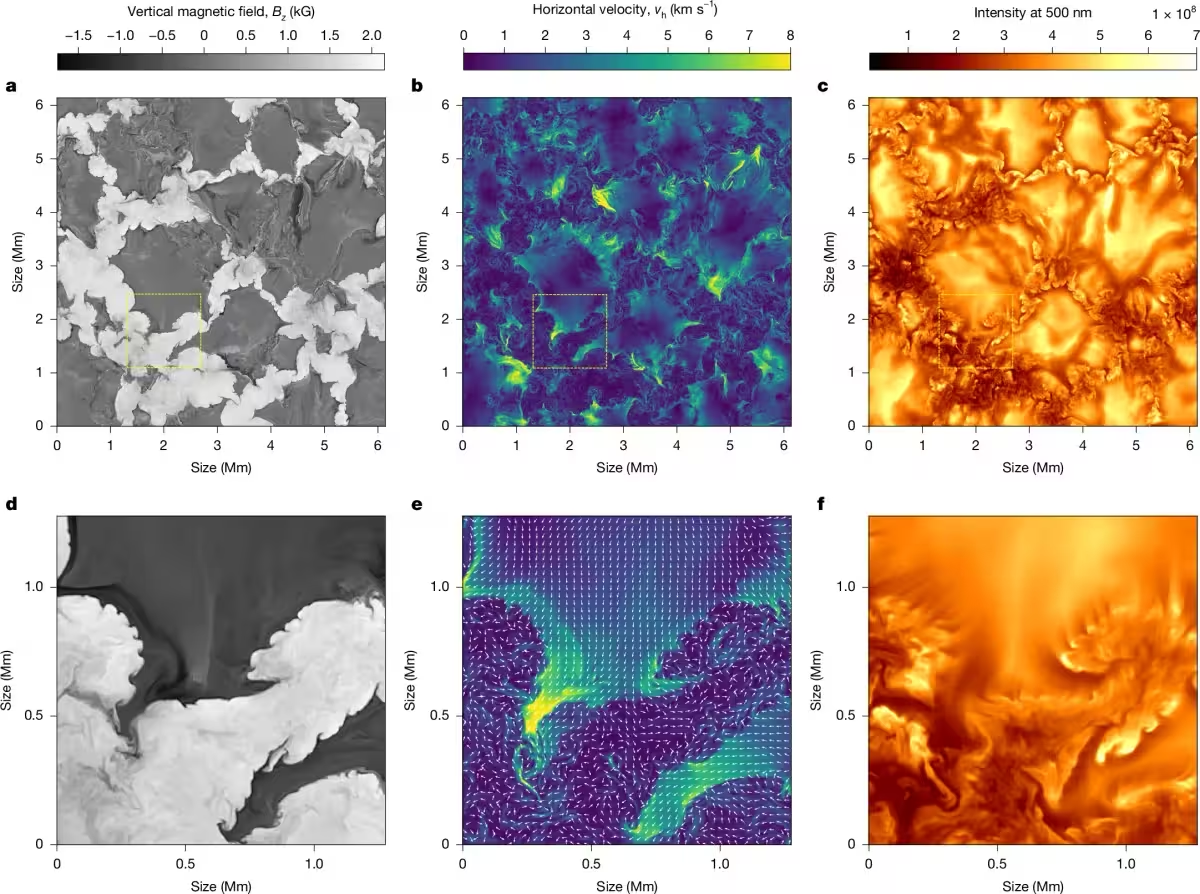
To determine whether these vortices influence the broader solar environment, researchers are developing strategies to track them across various atmospheric layers. The goal is to establish a clear trajectory of movement and energy dissipation, linking the surface-level swirls to higher-altitude phenomena.
Van Noort suggested that future studies should focus on connecting these observations into a cohesive timeline. “I think a good start would be to follow the vortices to the heights in the solar atmosphere where the braiding leads to energy dissipation and heating, so that the whole transport trajectory can be connected,” he said. By integrating high-resolution visual data with comprehensive magnetic and atmospheric measurements, scientists hope to build a more accurate model of how energy travels from the Sun’s core outward, ultimately unlocking the secrets of stellar dynamics.
This article has been fact checked for accuracy, with information verified against reputable sources. Learn more about us and our editorial process.
Last reviewed on .
Article history
- Latest version
Reference(s)
- Ralls, Eric. “Tiny vortices seen on the Sun’s surface for the first time.”, September 1, 2026 Earth.com <https://www.earth.com/space/tiny-vortices-sun-surface/>.
- Kuridze, David. “Ubiquitous Kelvin–Helmholtz instabilities driving plasma mixing on the Sun - Nature.”, August 5, 2026, pp. 1-7. Nature, doi: 10.1038/s41586-026-10871-3. <https://www.nature.com/articles/s41586-026-10871-3>.
Cite this page:
- Posted by Aisha Ahmed