The 2026 Harvest Moon Is Approaching Here Is Exactly When To See It At Its Best
The 2026 Harvest Moon will light up the September sky, accompanied by a spectacular alignment of planets. Find out how to catch this celestial display.
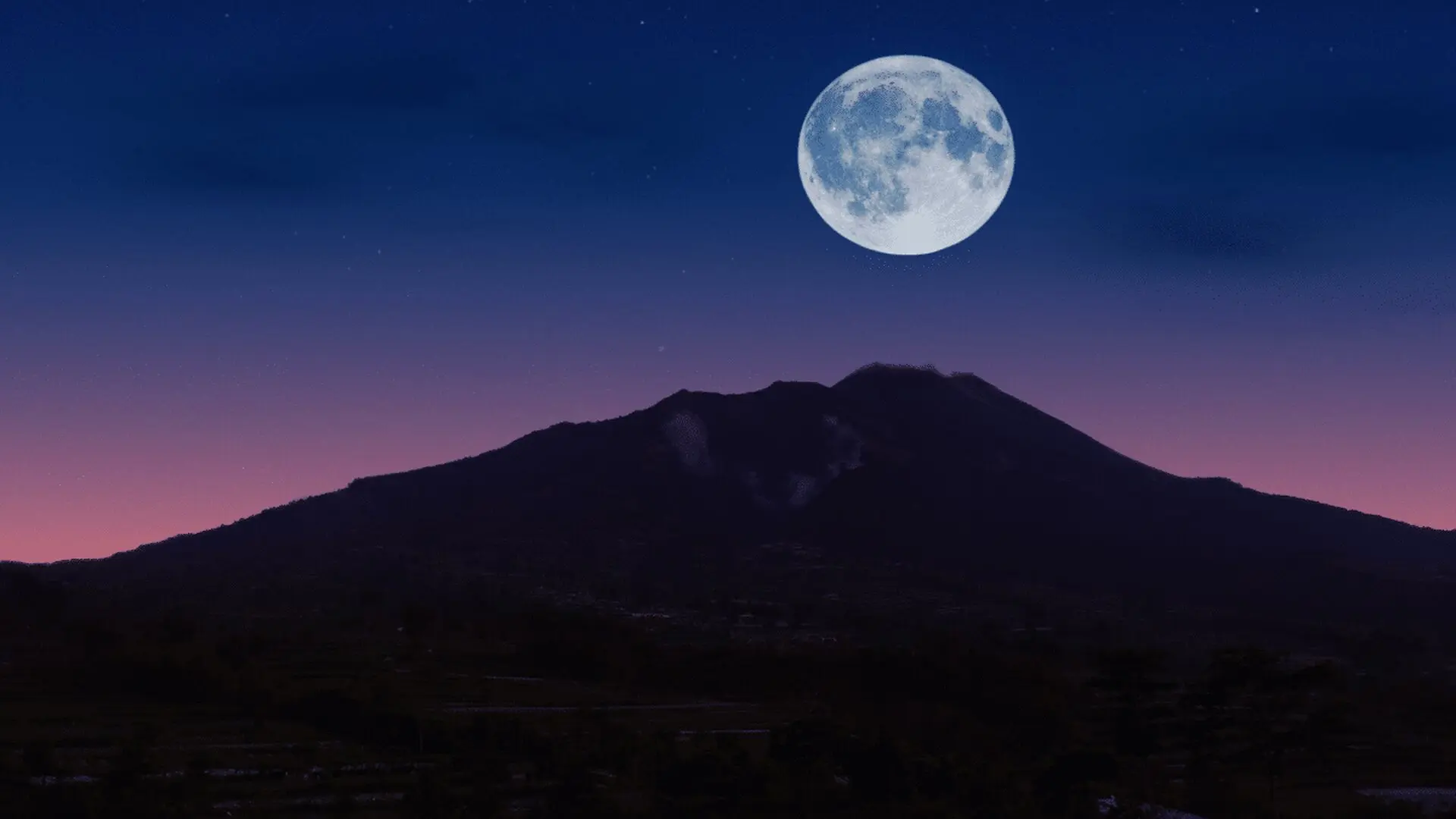
Skywatchers around the globe are preparing for the 2026 Harvest Moon, which is set to reach peak brilliance on September 26. As the lunar disk positions itself directly opposite the Sun, it will provide a spectacular sight for those viewing with the naked eye, binoculars, or telescopes.
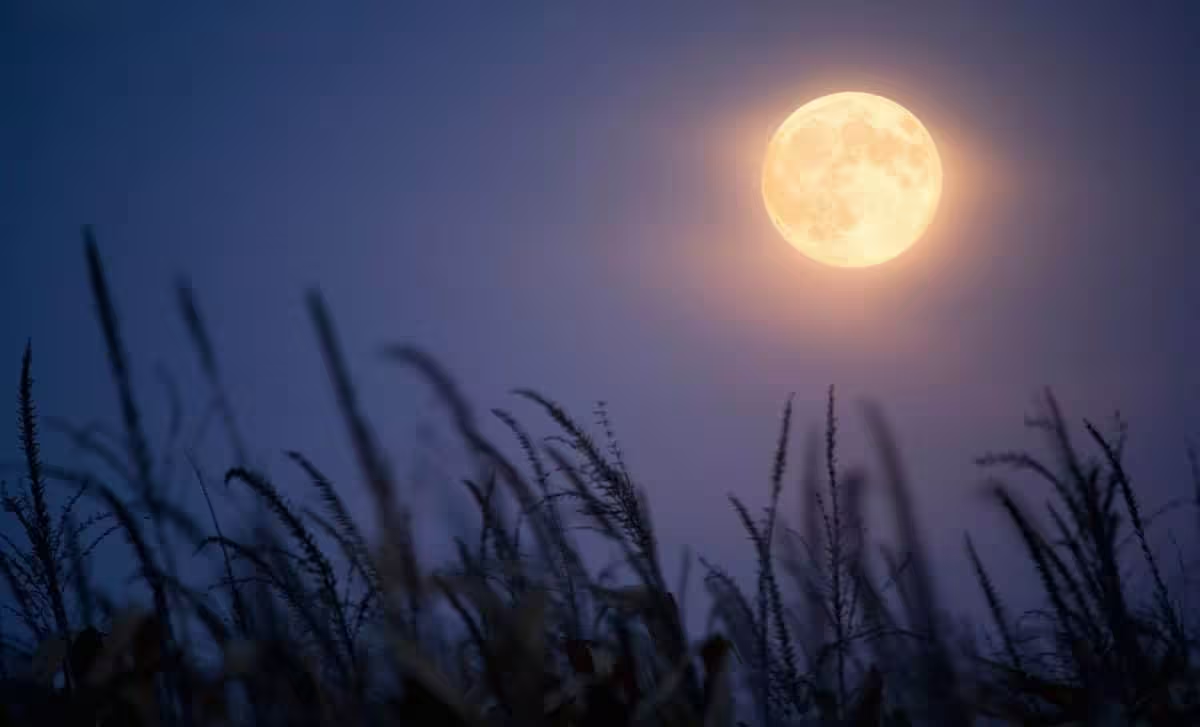
The Moon will reach its moment of full illumination at 12:49 p.m. EDT (16:49 GMT) on September 26. While the precise peak occurs during daylight hours for parts of the world, the evening sky will offer a stunning view as the Moon rises near sunset. During these early hours, the lunar surface may take on a distinct warm, golden hue as it lingers near the horizon.
Observing the Lunar Display
For observers in the United States, the Moon will emerge in the eastern sky around sunset on September 26, framed by the backdrop of the Pisces constellation. Astronomers note that when the Moon is low on the horizon, it often appears larger to the human eye—a well-documented optical phenomenon known as the Moon Illusion. While the Moon does not physically change size, the brain perceives it as larger when it is seen in proximity to terrestrial landmarks like mountains, buildings, or trees.
Additionally, the phenomenon of Rayleigh scattering comes into play when the Moon is near the horizon. Because its light must travel through a thicker layer of Earth’s atmosphere, the shorter blue wavelengths are filtered out, leaving the vibrant yellow and orange tones that characterize a rising moon. Because of time zone differences, while North American observers see the peak on September 26, locations across Asia and Australia will experience the full phase on September 27.
Seasonal Significance and Traditions
The Harvest Moon is traditionally defined as the full moon occurring closest to the September equinox. Historically, this celestial event served as a practical aid for farmers, with its prolonged light allowing for work in the fields after sunset during the busy harvest period. Beyond its agricultural roots, the moon holds profound cultural significance across the globe:
- Cultural naming: Various traditions refer to this event as the Corn Moon, the Turning Leaves Moon, the Falling Leaves Moon, or the Yellow Leaf Moon, reflecting the seasonal transition into autumn.
- Global celebrations: The event aligns with the Mid-Autumn Festival in China, a time-honored celebration centered on family, lanterns, and mooncakes.
- Ancestral honors: In Hindu tradition, this period marks the commencement of Pitru Paksha, a time dedicated to observing rites for one’s ancestors.
Planetary Neighbors in the Night Sky
The Harvest Moon will share the stage with several other astronomical features. Approximately an hour after moonrise, Saturn will be visible less than 10 degrees below the lunar disk. Using a telescope with a six-inch aperture, enthusiasts may be able to discern the planet’s iconic ring system, as well as several of its moons, including Titan, Rhea, Tethys, and Dione.
While the brilliance of the full moon may wash out some of the fainter stars, the distinct geometry of the Great Square of Pegasus will remain observable. Meanwhile, early morning stargazers can look forward to viewing Jupiter and Mars, which will bookend the Cancer constellation. The celestial scene will be further enhanced by the presence of prominent stars and constellations, including Castor and Pollux in Gemini, as well as the recognizable patterns of Orion and Taurus.
This article has been fact checked for accuracy, with information verified against reputable sources. Learn more about us and our editorial process.
Last reviewed on .
Article history
- Latest version
Cite this page:
- Posted by Aisha Ahmed