Voyager 1 Poised to Become First Human‑Made Object to Travel One Light‑Day By November 2026
Voyager 1 nears a full light‑day distance, set to be the first human‑made object to hit this milestone in space exploration.
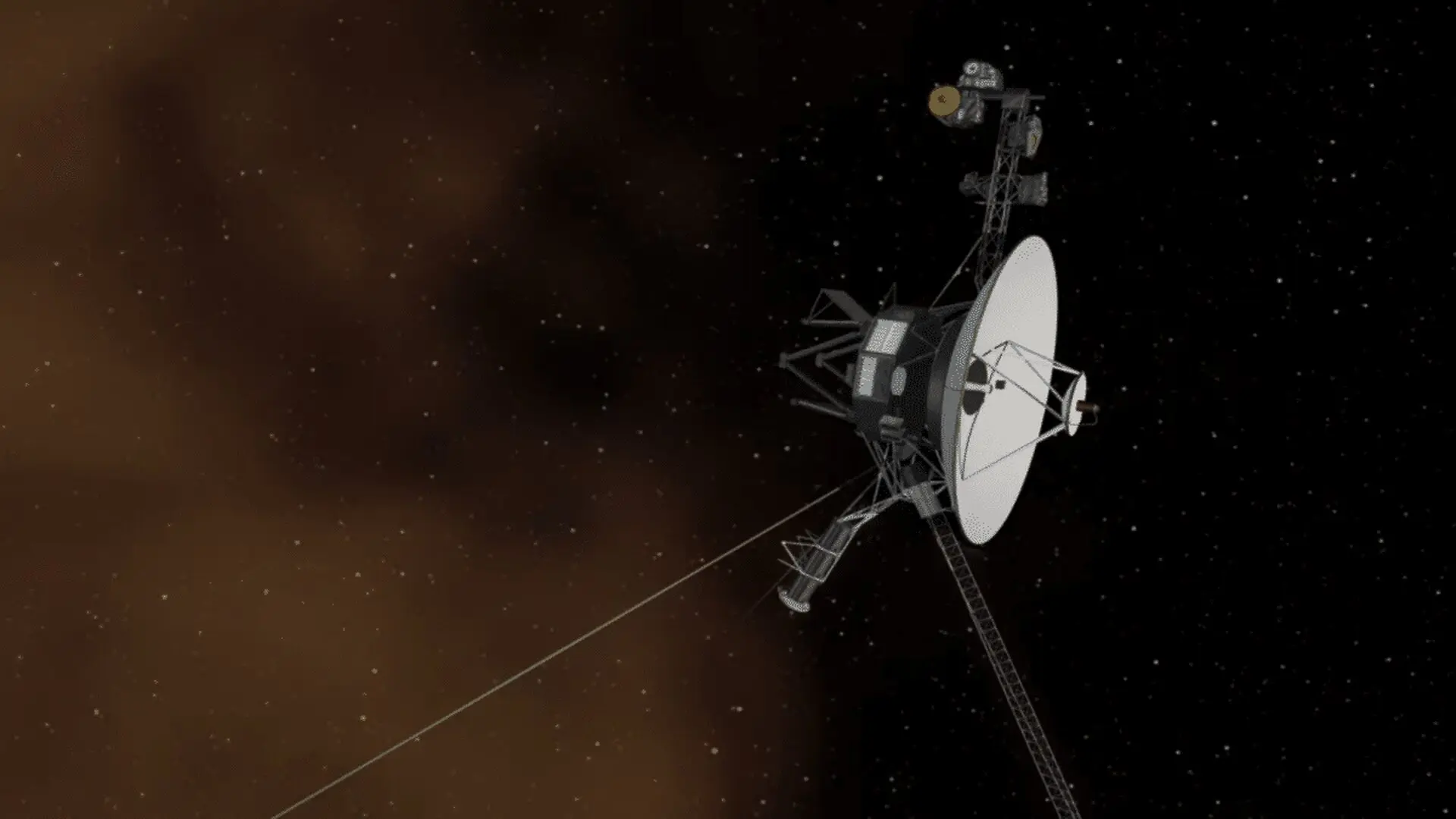
Almost fifty years after its launch, Voyager 1 is set to achieve a milestone that no human‑made object has ever reached. By November 2026 the probe will be the first to lie a full light‑day from Earth, a distance that highlights both the mission’s durability and the immense scale of interstellar space.
Voyager 1 Poised to Cross the Light‑Day Threshold
When the spacecraft passes the one‑light‑day mark it will be roughly 25.9 billion kilometres (about 15 billion miles) away from our planet. At that separation a radio transmission traveling at light speed will need close to 24 hours to complete a round‑trip, making communication a true test of patience and technology.
Expressing the distance in light‑days offers a more intuitive sense of scale than the usual millions‑or‑billions‑of‑kilometres figures used for Solar System measurements. It underscores how far Voyager 1 has travelled since its departure from Earth in 1977, surviving harsh conditions and technical hurdles that far exceeded the expectations of its original designers.
Remarkably, the probe is still functional. Engineers continue to extract scientific data from a spacecraft whose components date back to the 1970s, turning Voyager 1 into a living showcase of engineering resilience far beyond its planned mission duration.

From Planetary Flybys to Interstellar Space
Voyager 1 lifted off on 5 September 1977, just weeks after its sister craft Voyager 2. Both probes exploited a rare planetary alignment that enabled close encounters with the outer giants, and Voyager 1 returned groundbreaking images and measurements of Jupiter and Saturn.
The adventure continued when, in 2012, Voyager 1 became the first human‑made object to cross the heliosphere—the bubble of solar wind and magnetic fields that surrounds the Sun—and enter interstellar space. That boundary marks the transition from solar influence to the broader galactic environment.
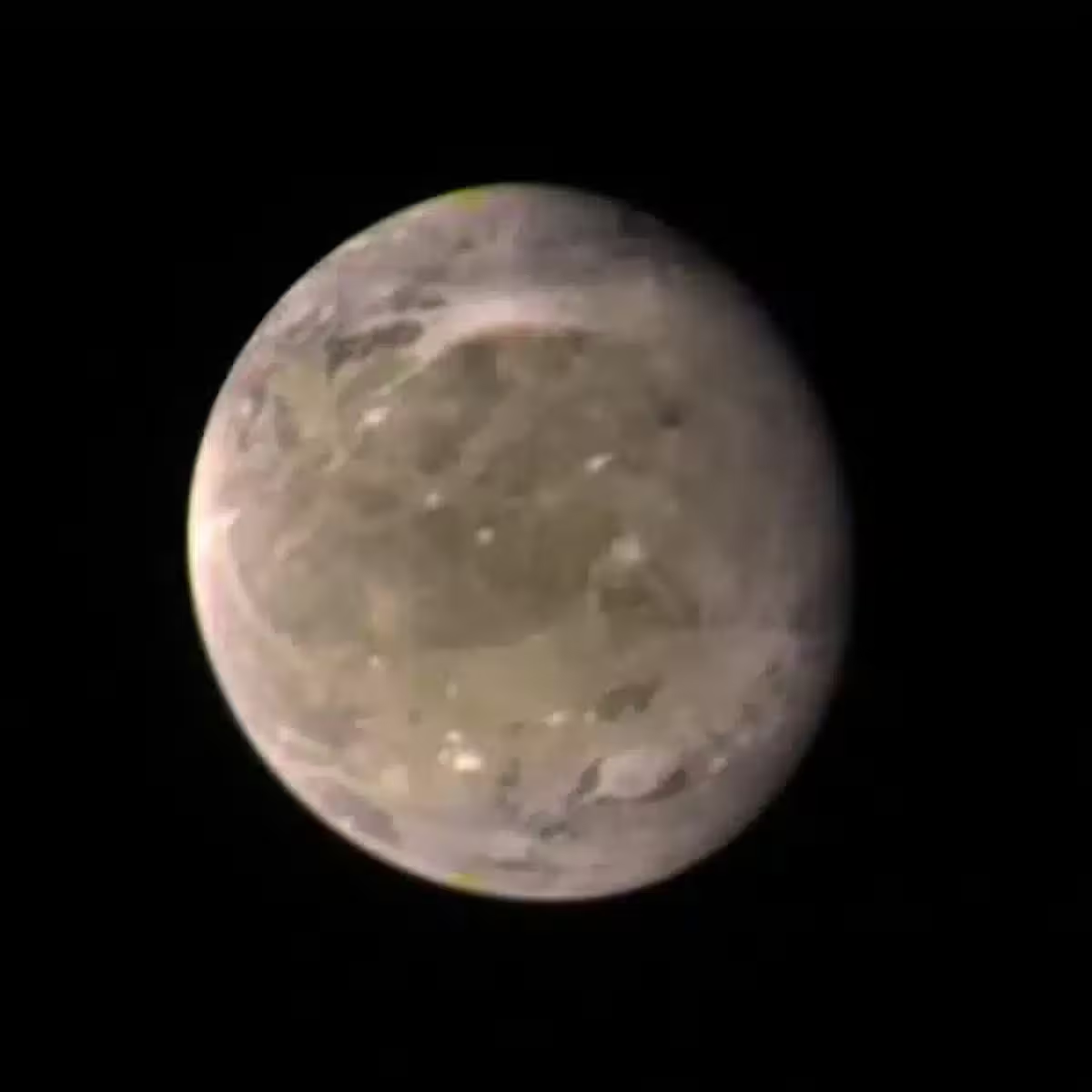
Since entering the interstellar medium, Voyager 1 has been measuring charged particles, magnetic fields and cosmic radiation, providing scientists with data from a region no other probe has visited. Each new transmission enriches our picture of the space between stars.
According to a feature in BBC Sky at Night Magazine, the aging spacecraft has faced dwindling power, degrading hardware and increasingly tenuous communications. Engineers have responded with inventive work‑arounds that keep the probe alive far beyond its original design life.
The Golden Record and Voyager’s Long‑Term Legacy
Both Voyager spacecraft carry the iconic Golden Record, a phonograph‑style disc that encodes sounds, images and greetings from Earth in an attempt to portray humanity to any future listeners that might encounter it.
Even after contact is lost, Voyager 1 will continue its silent trek through the Milky Way. Current calculations suggest that in about 40 000 years the probe will pass relatively close to the star Gliese 445. While the odds of discovery are slim, the Golden Record remains a striking testament to our desire to reach out beyond our planet.
Eventually the power source will decay to the point where the spacecraft can no longer transmit, yet the probe itself will drift through interstellar space for millions of years—outlasting civilizations, nations and many of humanity’s landmarks.
As the one‑light‑day milestone approaches in 2026, Voyager 1 stands as a reminder of the extent of human curiosity. Nearly five decades after its launch, this modest spacecraft continues to push deeper into the cosmos, bearing both scientific instruments and a message from Earth to the stars.
This article has been fact checked for accuracy, with information verified against reputable sources. Learn more about us and our editorial process.
Last reviewed on .
Article history
- Latest version
Reference(s)
- Gunn, Alastair. “NASA's Voyager 1 probe is about to reach a distance of 1 light-day from Earth. Here's why this cosmic milestone is so huge.”, May 25, 2026 BBC Sky at Night Magazine <https://www.skyatnightmagazine.com/news/nasa-voyager-1-light-day>.
Cite this page:
- Posted by Aisha Ahmed