Nine-Month Spacecraft Race to Save NASA’s 20-Year-Old Swift Telescope
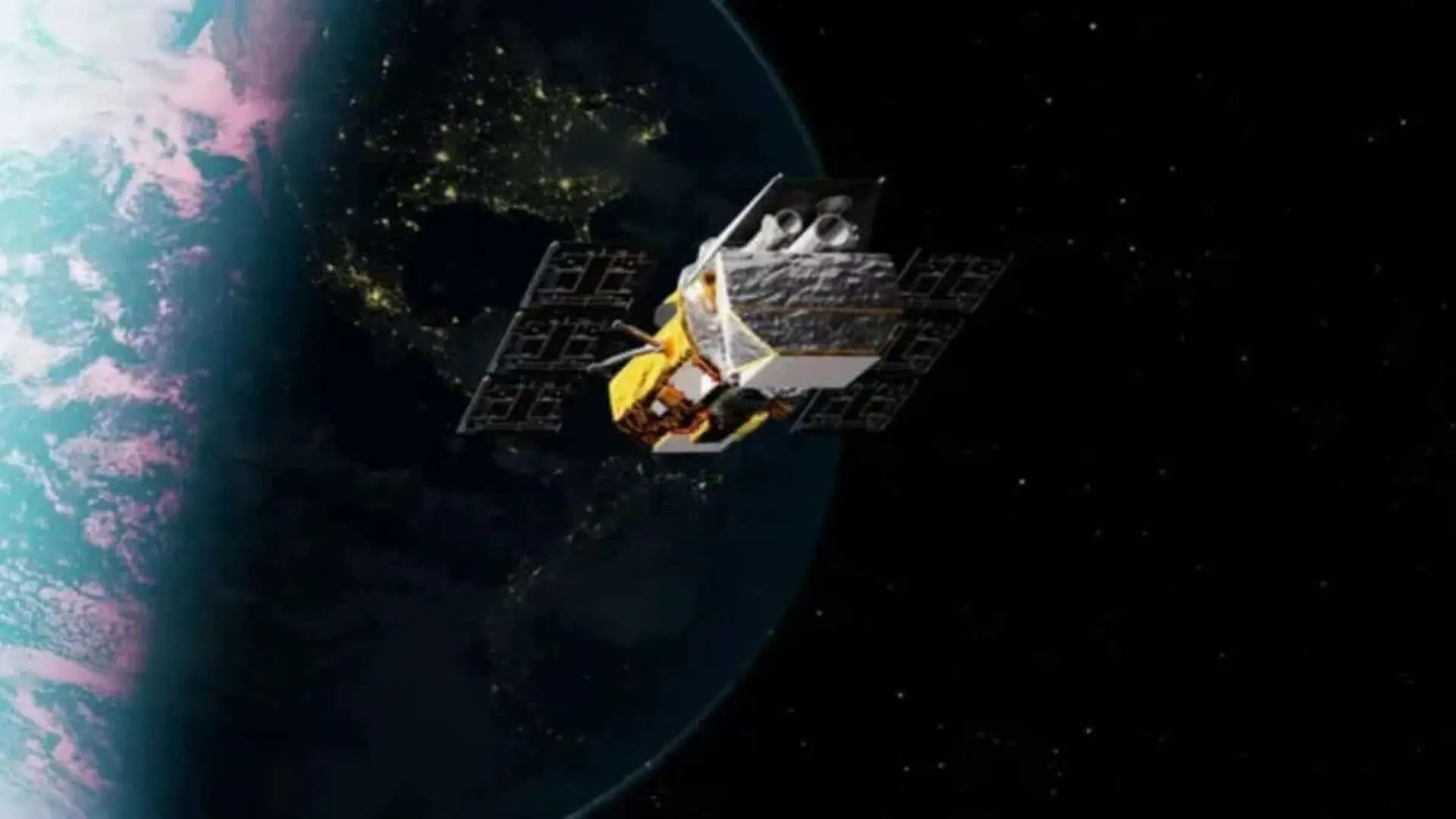
More than two decades after its launch, NASA’s Swift observatory is losing altitude and faces a critical deadline. The agency is preparing an unprecedented rescue effort – a newly built spacecraft will rendezvous with Swift, lift it to a safer orbit, and keep the telescope operational for as long as possible.
Two‑Decade‑Old Observatory Still Unveils Cosmic Explosions
The Neil Gehrels Swift Observatory, launched in 2004, was originally intended to study gamma‑ray bursts, the universe’s most energetic flash events. Though the mission was planned for just two years, the spacecraft has kept working for over twenty years.
“Swift was designed to study gamma‑ray bursts, short‑lived flashes of high‑energy light that release more energy in just a few seconds than the sun will in its entire lifetime,” Cenko explained.
Cenko added that Swift observations have helped scientists confirm that the violent explosions associated with these bursts forge heavy elements such as gold and platinum.
The observatory’s orbit, originally about 600 kilometers above Earth, has been dropping because the satellite lacks any propulsion system. Height loss has accelerated in recent years due to heightened solar activity, and NASA estimates that without intervention the spacecraft could re‑enter the atmosphere.
Rapid Development of a Capture Vehicle
In September 2025, NASA awarded the contract to Katalyst Space Technologies to design a spacecraft capable of reaching Swift and boosting its orbit. The company was given just nine months to deliver the vehicle.
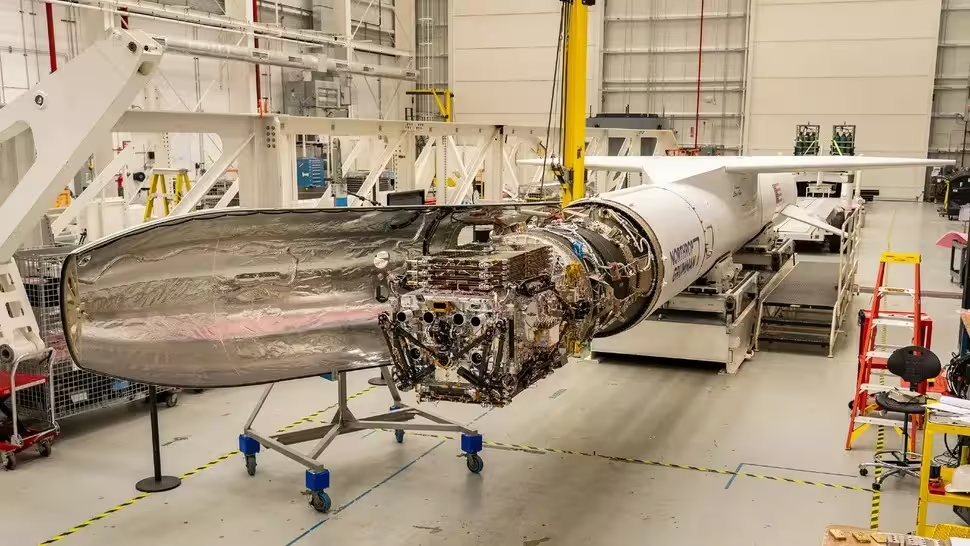
The resulting spacecraft, named Link, is slated for launch on the final Northrop Grumman Pegasus XL flight, scheduled for 27 June.
“In the last nine months, we have gone from a clean sheet to a spacecraft that is currently integrated on a rocket on an airplane, ready to go to Kwaj for launch,” said Kieran Wilson, Link’s principal investigator.
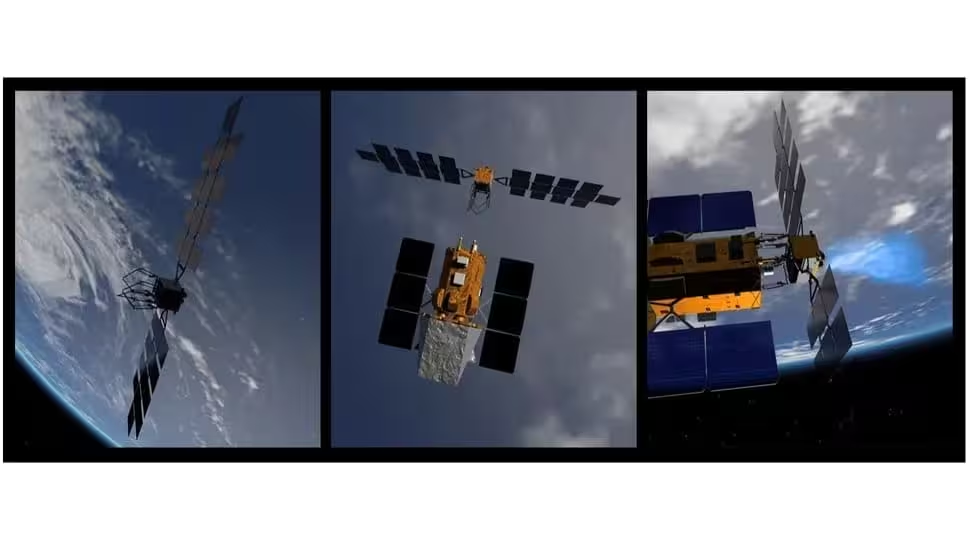
Link weighs 425 kilograms and carries three robotic arms, three Hall‑effect thrusters, sixteen reaction‑control thrusters and solar arrays. After launch, engineers will conduct a multi‑week checkout before the vehicle begins its journey toward Swift. The plan calls for a series of close‑proximity maneuvers, docking with the aging observatory, and gradually raising its orbit.
Technical Hurdles Ahead
Capturing Swift will be especially challenging because the telescope was never built with docking hardware. Link must attach to a spacecraft that lacks any dedicated capture interface, and its structural components have endured more than twenty years of exposure to space weather. Wilson warned that some of Swift’s insulation and other materials may have become brittle, raising the risk of damage during the grapple.
NASA’s astrophysics director Shawn Domagal‑Goldman acknowledged the skepticism surrounding the timeline, noting that many experts doubted the mission could move as quickly as it has.
“Frankly, I have to be honest: No one thought it was going to be possible,” he said. “No one thought we would get as far as we’ve already gotten today.”
A further uncertainty is solar activity, which originally caused Swift’s orbital decay and could accelerate the problem. NASA predicts that if the altitude drops below roughly 300 kilometers by October, the telescope may become inaccessible for rescue.
This article has been fact checked for accuracy, with information verified against reputable sources. Learn more about us and our editorial process.
Last reviewed on .
Article history
- Latest version
Reference(s)
- “Katalyst Space.” <https://www.katalystspace.com/>.
- Stoltz, Julie. “Dr. Shawn Domagal-Goldman - NASA Science.”, January 24, 2025 NASA Science <https://science.nasa.gov/people/dr-shawn-domagal-goldman/>.
Cite this page:
- Posted by Aisha Ahmed