June Bootids Peak Next Week Could Unleash Unexpected Meteor Outburst
A notoriously unpredictable meteor shower nears its peak, with past surprises urging skywatchers to keep a close eye on the night sky.
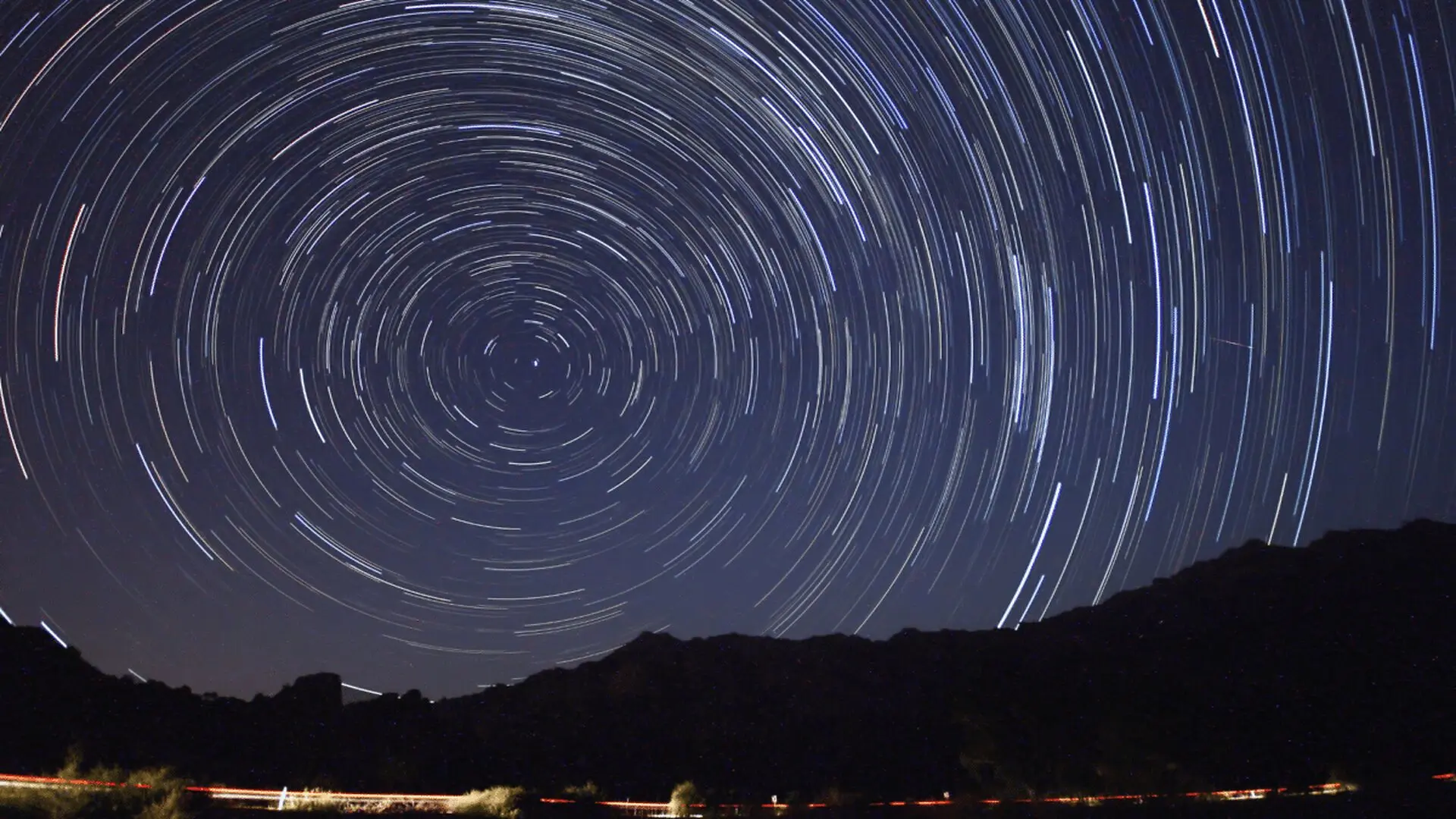
A modest‑looking meteor shower is set to reach its annual maximum, giving both professional astronomers and hobbyist skywatchers a reason to look upward despite predictions of only limited activity. The June Bootids, a relatively obscure shower linked to Comet 7P/Pons‑Winnecke, have built a reputation for sudden, dramatic spikes that can appear with little warning.
What Keeps Researchers Glued to the June Bootids
While the Perseids or Geminids routinely deliver dozens of meteors per hour, the June Bootids typically produce just one or two. That low baseline might suggest little excitement, yet the shower’s capacity to flare up unexpectedly makes it a prized “wild card” in the meteor calendar.
The intrigue lies in the shower’s sporadic bursts. Past records show episodes when the stream suddenly generated dozens or even hundreds of meteors per hour, catching observers off guard and challenging the models used to forecast meteor activity. Such irregularity offers a valuable test for scientists studying how cometary dust disperses and intersects Earth’s orbit.
Most meteor showers become reliably predictable after decades of monitoring, allowing researchers to estimate rates from the distribution of dust left by their parent comets. The June Bootids, however, repeatedly demonstrate that some debris streams retain a far more intricate structure than anticipated, prompting continued scrutiny each year, even when forecasts appear unremarkable.
Historical Surges and Missed Predictions
The shower’s reputation was cemented by several surprising displays. In 1998, observers recorded rates approaching 100 meteors per hour, turning what was expected to be a modest event into one of the year’s most striking meteor spectacles.
A second notable episode occurred in 2004, when activity levels were reported between 20 and 50 meteors per hour, far exceeding typical expectations and reinforcing the notion that the June Bootids defy conventional classification.
Conversely, the 2010 season highlighted forecasting challenges. Scientists anticipated a strong outburst based on their understanding of the comet’s dust trail, yet actual rates stayed below ten meteors per hour. The shortfall underscored the difficulty of modeling dust streams that evolve over decades under planetary gravity and solar radiation pressure.
These fluctuating numbers explain why astronomers and enthusiasts keep a watchful eye on the June Bootids each year; the chance of an unanticipated spike, however slim, remains real.
Comet 7P/Pons‑Winnecke: The Source of the Stream
The June Bootids originate from material shed by Comet 7P/Pons‑Winnecke, a periodic comet that orbits the Sun roughly every six years. As the comet travels through the Solar System, it releases fine particles of dust, rock, and ice. Over time, these fragments disperse along its orbital path, forming debris streams that intersect Earth’s trajectory.
When our planet passes through these streams, the particles enter the atmosphere at high velocity. Atmospheric friction heats and vaporizes them, creating the bright streaks known as shooting stars. Although this mechanism is common to all meteor showers, the distribution of material from 7P/Pons‑Winnecke appears especially uneven.
Scientists suspect that certain sections of the trail contain denser clusters of particles. An encounter with one of these pockets can cause a dramatic rise in meteor counts. Pinpointing the location and evolution of these clusters remains a complex problem, even with sophisticated computer simulations.
According to Space.com, this inherent uncertainty fuels ongoing interest. The shower rarely makes front‑page headlines, yet it consistently draws observers hoping to catch one of its rare surprise displays.
Viewing Window and Tips for Skywatchers
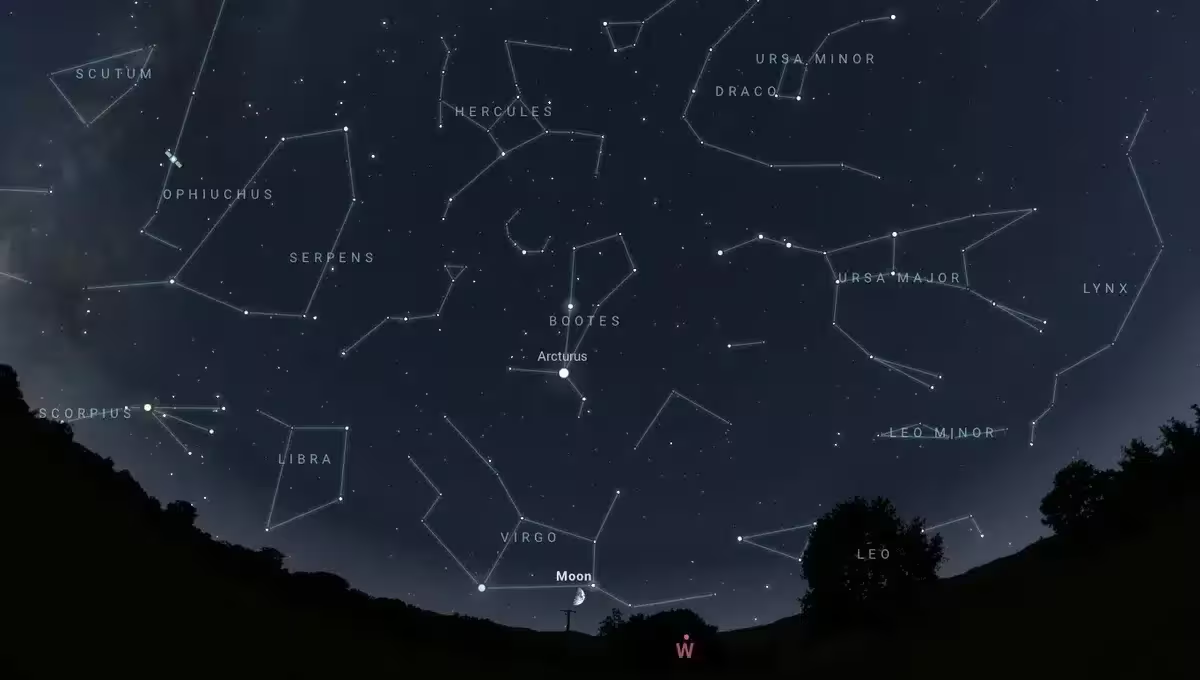
The June Bootids are active in the latter half of June, with peak activity anticipated between June 20 and June 27. Observers in the Northern Hemisphere have the advantage, as the radiant lies within the constellation Boötes, which stays well positioned in the evening sky during this period.
While locating the radiant can help differentiate Bootid meteors, experienced observers suggest scanning a broad swath of the sky rather than focusing solely on the constellation, since meteors can appear far from their apparent point of origin.
Dark conditions are essential for a successful watch. Urban light pollution can obscure faint meteors, making the already low activity appear even weaker. Heading to rural sites and allowing at least twenty minutes for eyes to adapt to darkness will improve chances of spotting meteors.
Even if the display remains modest this year, the experience of observing the night sky—complete with summer constellations, visible planets, and the Milky Way—offers a rewarding evening for any astronomy enthusiast.
This article has been fact checked for accuracy, with information verified against reputable sources. Learn more about us and our editorial process.
Last reviewed on .
Article history
- Latest version
Reference(s)
- Dobrijevic, Daisy. “The most unpredictable meteor shower of the year peaks next week. Here's what to expect.”, June 19, 2026 Space <https://www.space.com/stargazing/meteor-showers/the-most-unpredictable-meteor-shower-of-the-year-peaks-next-week-heres-what-to-expect>.
Cite this page:
- Posted by Aisha Ahmed