Astronomers Discover a Possible Planet Factory in One of the Most Extreme Places in the Cosmos
Supermassive black holes might be the universe’s hidden planet factories, new study reveals
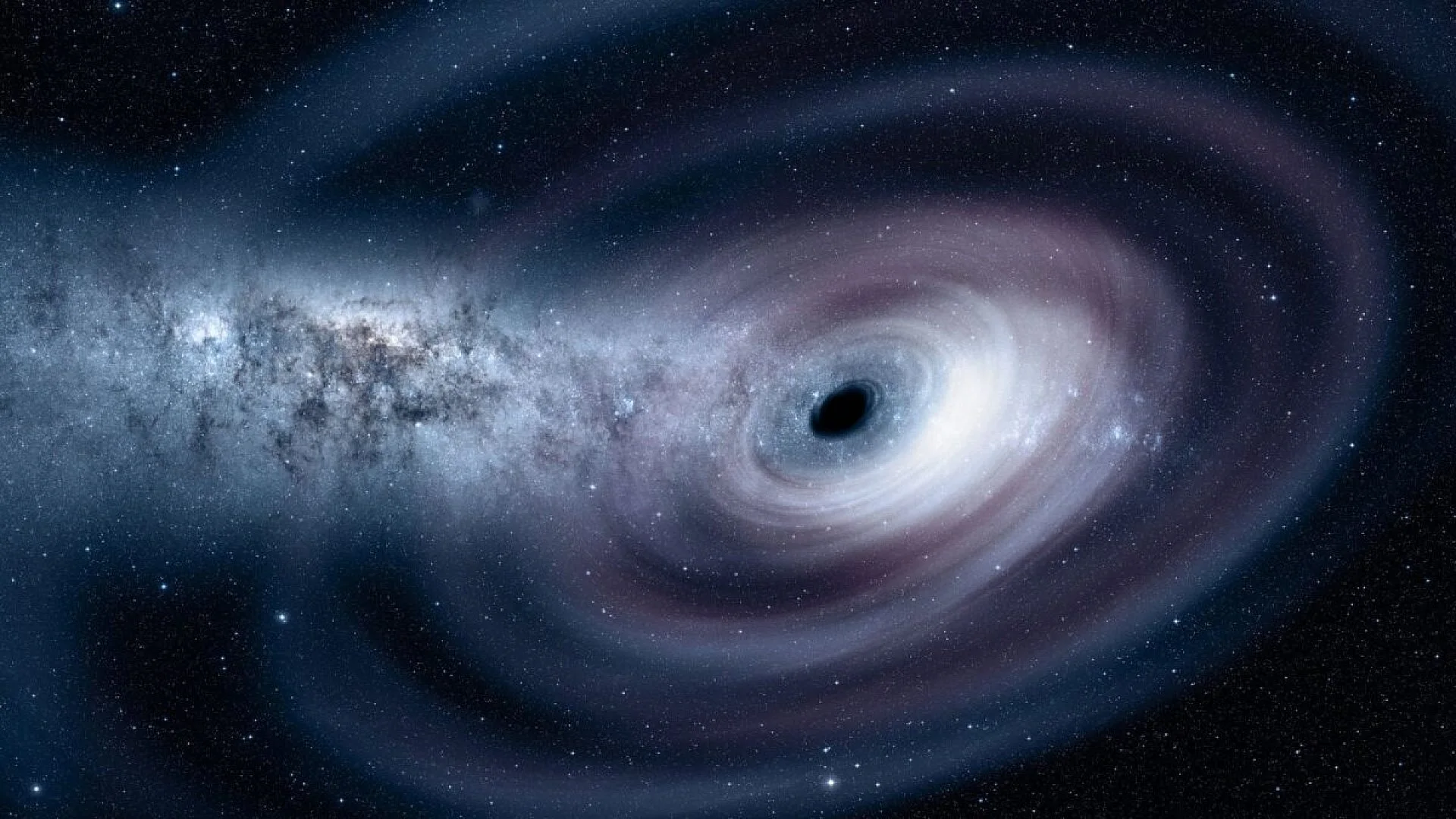
Computer simulations released this week suggest that the dusty outer rings encircling actively feeding supermassive black holes could act as massive planet‑forming nurseries, potentially giving rise to millions of worlds – perhaps the most abundant planetary population in the cosmos.
While supermassive black holes are traditionally portrayed as voracious sinks that devour gas and dust, the new study argues that the material swirling in the far‑reaches of their accretion disks may instead coagulate into solid bodies, challenging the long‑standing view of these objects as purely destructive.
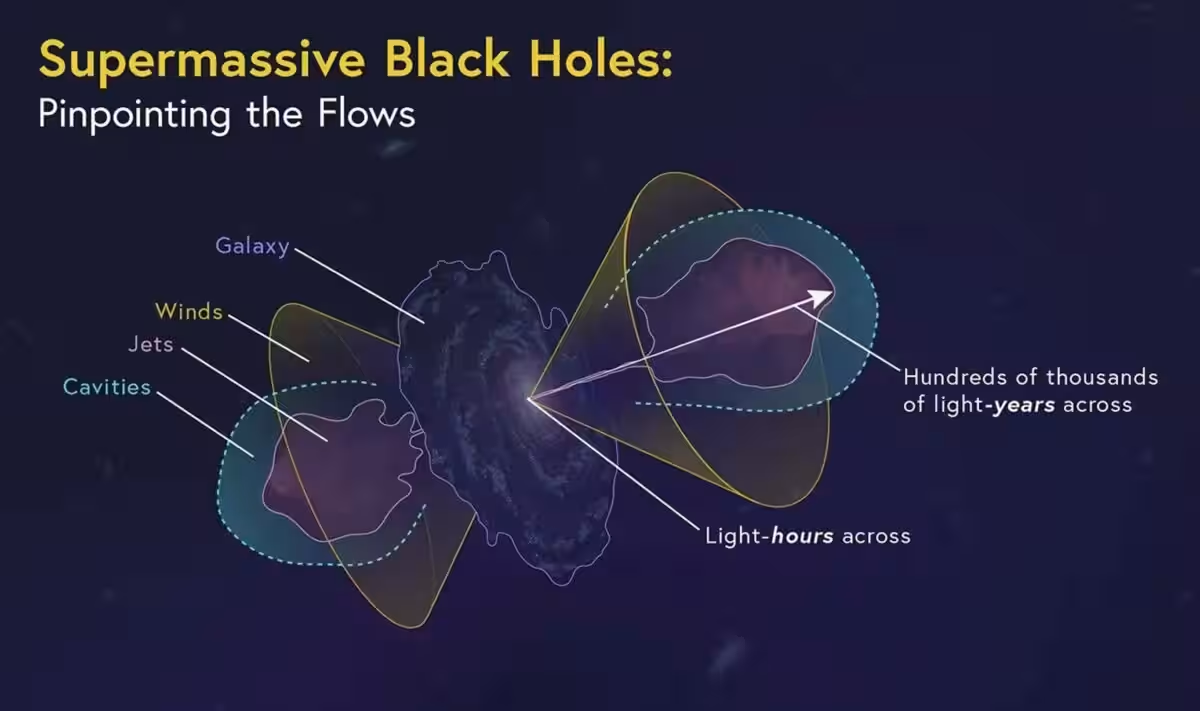
Supermassive black holes sit at the cores of most large galaxies. When they enter an active phase, they draw in surrounding matter, producing the luminous phenomena known as active galactic nuclei (AGN).
Planetary birth is usually linked to young stars, where rotating disks of gas and dust enable tiny particles to stick together and grow into larger structures. The researchers behind the new paper investigated whether a comparable mechanism could operate much farther from the black hole, within the dusty outer regions of AGN disks.
Dusty Rings Around Black Holes May Mimic Protoplanetary Disks
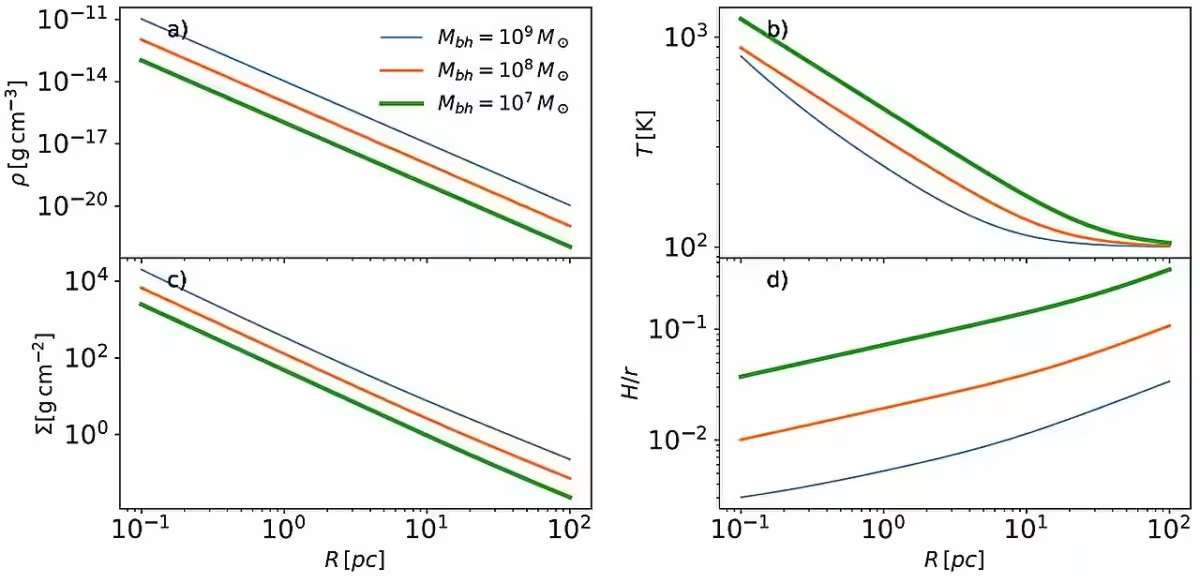
The focus of the investigation is the outermost portion of AGN disks, commonly referred to as dust tori. In their pre‑print titled Active Galactic Nucleus Tori: Potential Birthplace to Millions of Planets, the authors note that temperature and density conditions in these tori resemble those found in the planet‑forming disks around nascent stars.
That similarity prompted the team to ask whether dust grains could survive long enough to initiate collisional growth. If grains remain stable, they may repeatedly smash into one another, gradually building larger aggregates—a process already recognized as a cornerstone of planetary formation elsewhere.
To explore this scenario, Barry McKernan of the City University of New York and collaborators constructed a magnetized disk model that incorporates temperature and gas measurements from the outer AGN ring.
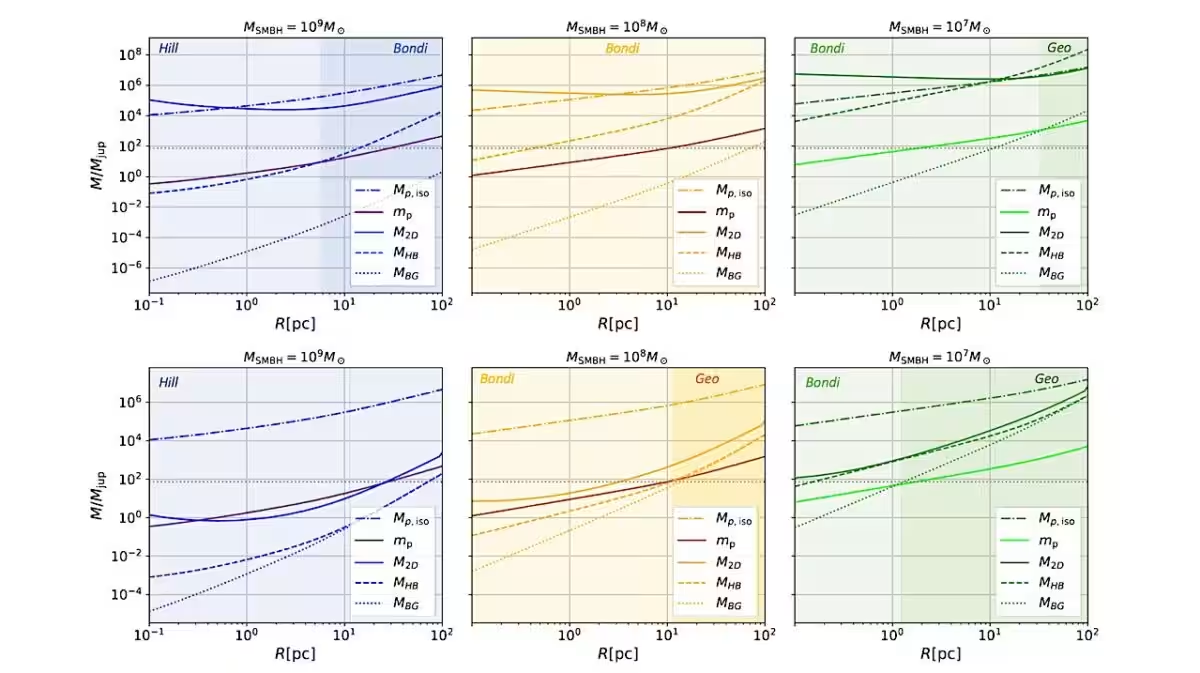
The simulation evaluated key metrics such as dust coagulation rates and the expected size distribution of emergent bodies. The authors report that their calculations support the feasibility of planet formation within the dusty environs of active supermassive black holes.
Accelerated Growth in a Turbulent Environment
Beyond the initial birth of planetary embryos, the study examined how much additional gas and dust these objects could capture over multimillion‑year timescales. The results indicate that the dense, dynamic AGN environment may enable planets to amass material far more quickly than counterparts orbiting ordinary stars.
According to the authors, some of the resulting worlds could surpass Earth in size and even outgrow Jupiter. They summarize their findings with a striking claim:
“Our approximate model suggests that AGN dust tori host the largest populations of planets in the universe.”
If the proposed mechanism operates as described, the dusty outskirts of AGN could host an enormous, simultaneous wave of planet formation, reshaping our picture of where planetary systems can arise.
From Planetary Seeds to Stellar Objects
The authors also explored a possible evolutionary path that extends beyond planet-sized bodies. In some scenarios, objects may continue to accrete matter until they reach masses comparable to stars. The paper notes:
“Vigorous accretion can occur, leading to objects with stellar masses—defining a core accretion channel for star formation.”
Such a trajectory would transform initial planetary embryos into full‑blown stars, while also potentially producing a class of massive, dust‑rich objects that have no analogue in conventional planetary systems.
The work remains firmly theoretical and will require observational verification. As Bhupendra Mishra and colleagues emphasize, future data will be essential to confirm whether AGN dust tori truly serve as prolific planetary nurseries.
This article has been fact checked for accuracy, with information verified against reputable sources. Learn more about us and our editorial process.
Last reviewed on .
Article history
- Latest version
Reference(s)
- Mishra, Bhupendra. “Active Galactic Nucleus Tori: Potential Birthplace to Millions of Planets.” arXiv.org <https://arxiv.org/abs/2605.19241>.
- <https://www.amnh.org/research/staff-directory/barry-mckernan>.
- <https://www.researchgate.net/profile/Bhupendra-Mishra-3>.
Cite this page:
- Posted by Aisha Ahmed