Why Spacecraft Windows Are The Next Big Design Battle For Future Astronauts
Spacecraft designers are reimagining windows, balancing structural safety and the psychological need for astronauts to view Earth from space.
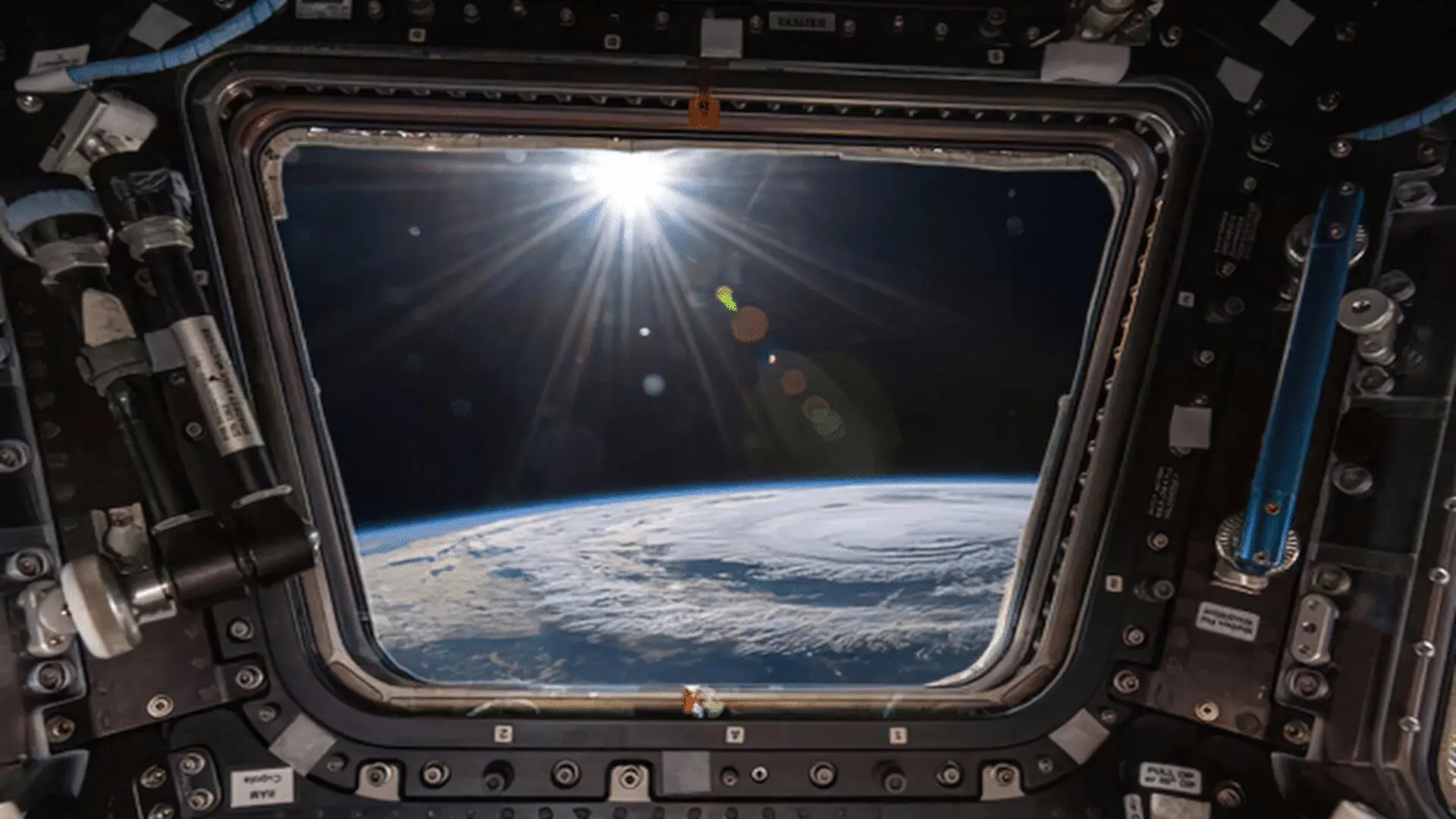
As humanity prepares for long-duration missions to the Moon, Mars, and beyond, spacecraft designers are confronting a critical engineering paradox: how to maintain the structural integrity of a pressurized vessel while providing the visual connection to space that astronauts consider essential for their well-being.
For aerospace engineers, a spacecraft is fundamentally a sealed, high-pressure environment where every aperture is a potential point of failure. However, the flight crews who inhabit these vessels argue that the psychological benefits of viewing the cosmos—and the Earth—far outweigh the technical risks. This ongoing tension between structural safety and the human need for perspective is shaping the next generation of deep-space vehicle architecture.
The Psychological Significance of the View
The profound emotional shift experienced by astronauts when viewing Earth from orbit, famously termed the “Overview Effect,” has become a cornerstone of the human experience in space. Frank White, who coined the term and authored the seminal book “The Overview Effect: Space Exploration and Human Evolution,” argues that windows are not merely peripheral features; they are essential components of the mission.
The installation of the International Space Station’s Cupola module served as a turning point in this evolution, providing a dedicated space for crews to observe weather systems, landmasses, and the vast expanse of the void. White notes that this access to visual feedback is a critical tool for maintaining a connection to home during long deployments, a sentiment echoed by astronauts who spend significant downtime engaged in “Earthgazing.”
Commercial Influence and Design Evolution
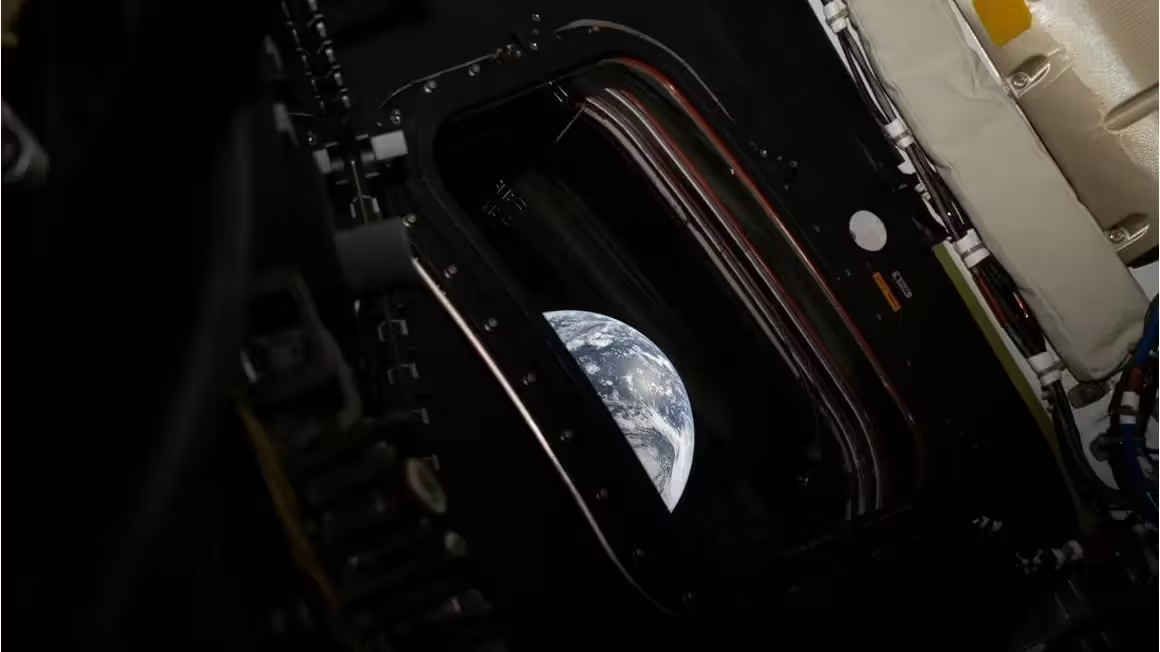
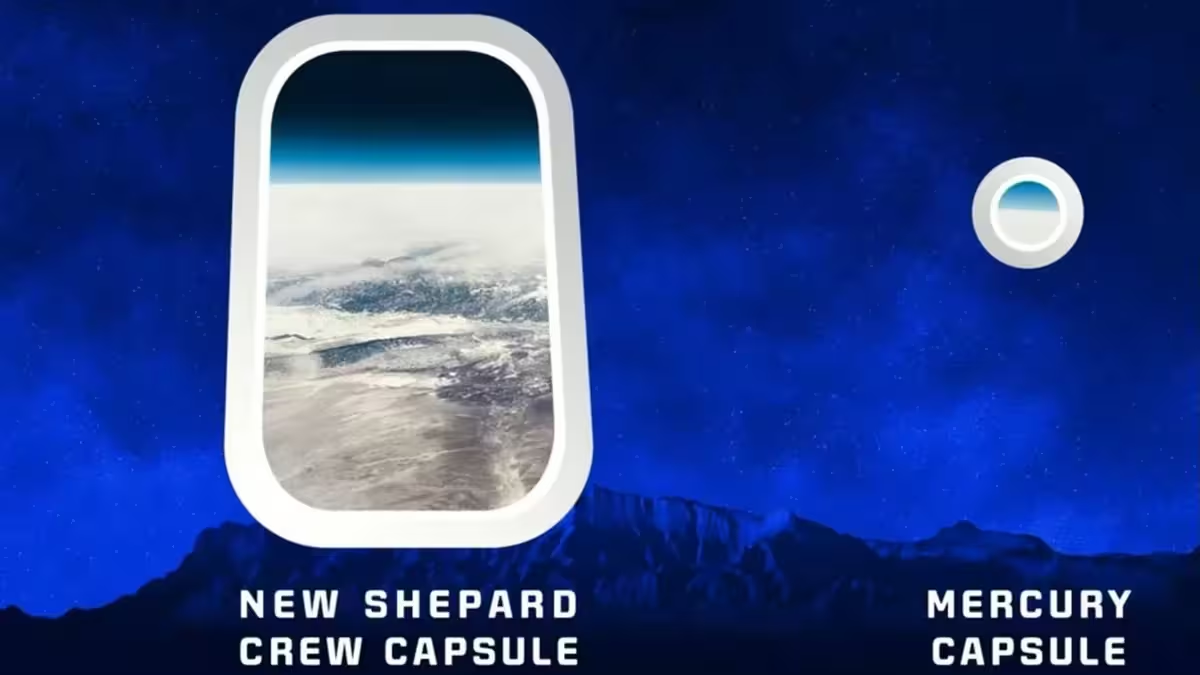
The rise of private spaceflight has accelerated the demand for improved viewing capabilities. Companies like Virgin Galactic and Blue Origin have integrated expansive windows directly into their design philosophies, prioritizing the passenger experience. By placing the view at the center of the vehicle’s purpose, these companies have demonstrated that, even on short-duration flights, the visual impact is a primary driver of the commercial spaceflight experience.
This approach stands in contrast to the early days of space exploration. During the Mercury program, engineers reportedly resisted the inclusion of windows entirely, viewing them as unnecessary liabilities. It was only through the persistent advocacy of early astronauts that these observation points were included, establishing a design precedent that remains a point of contention today.
Advanced Materials and Engineering Solutions
To reconcile the safety requirements of modern missions with the desire for visibility, engineers are looking beyond traditional glass. The primary challenge remains the structural degradation caused by extreme thermal cycles, radiation, and internal pressure fluctuations.
Structural experts, including those involved in current mission development, are increasingly looking at high-performance acrylics. These materials offer superior durability and structural stability compared to conventional glass, making them a more reliable option for replacing sections of a pressure vessel. According to industry perspectives, the goal is to shift toward materials that act as both a reliable barrier and a clear, resilient viewing port.
The Future of Habitable Spacecraft
As missions move deeper into the solar system, the spacecraft of the future will need to function as sustainable living environments rather than just short-term transport vehicles. This shift necessitates a design strategy that acknowledges the psychological strain of isolation.
Whether through the use of high-strength transparent polymers, sophisticated digital display systems, or innovative architectural layouts that prioritize observation, the integration of “the view” is becoming an unavoidable requirement of aerospace engineering. As we look toward the next era of exploration, the ability to maintain a visual link with the universe is set to remain a defining feature of our journey into the unknown.
This article has been fact checked for accuracy, with information verified against reputable sources. Learn more about us and our editorial process.
Last reviewed on .
Article history
- Latest version
Cite this page:
- Posted by Karan Das