Solar Storm Alert: Northern Lights Could Be Visible Across Multiple States Tonight
A fast-moving solar wind stream could bring a vibrant display of the northern lights to parts of the United States this week. Find out if you can see them.
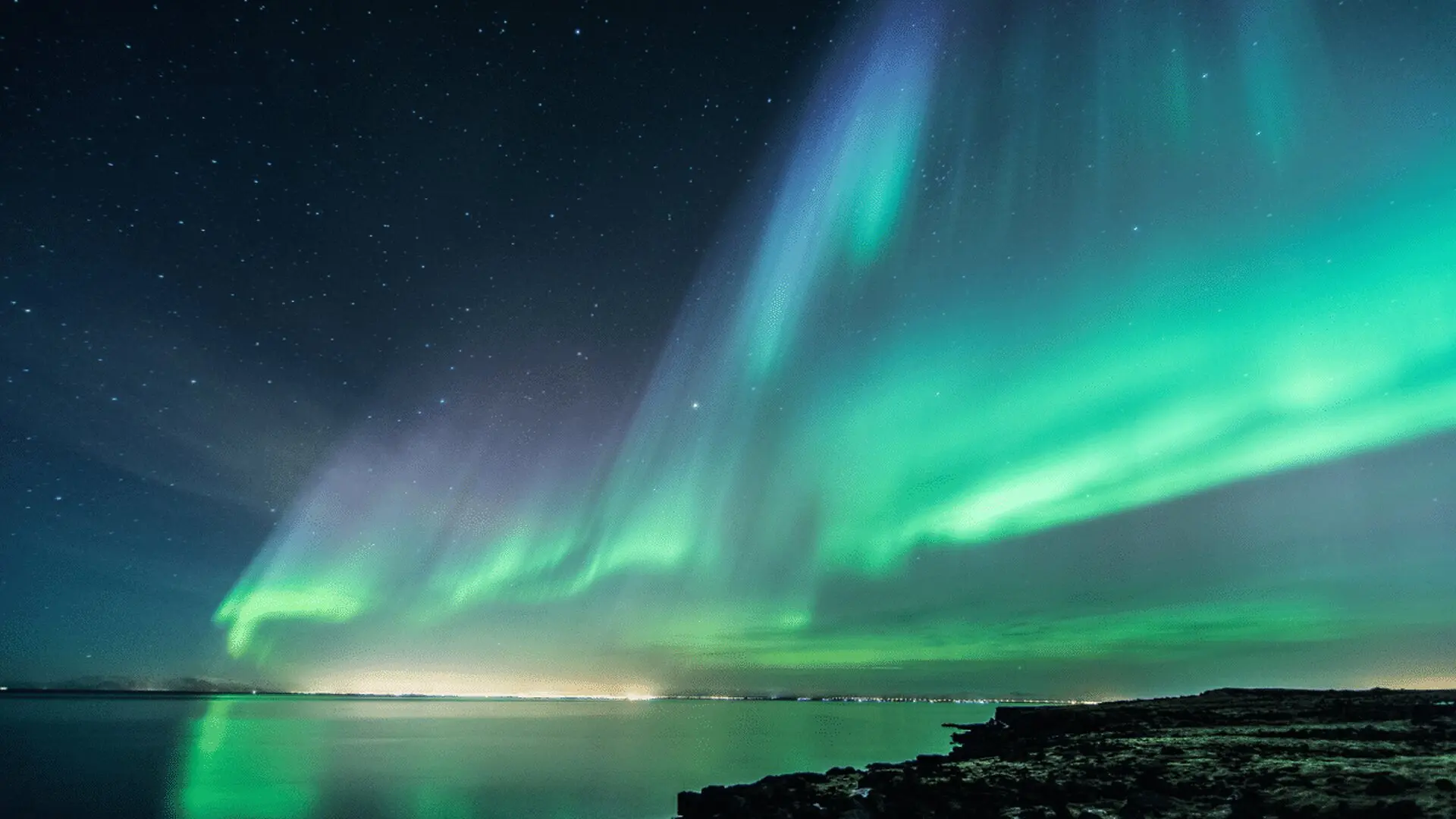
Skywatchers across the northern United States are on alert as a high-speed stream of solar wind prepares to impact Earth’s magnetic field. According to projections from NOAA’s Space Weather Prediction Center, the solar event is slated to arrive between Wednesday evening, Sept. 23, and early Thursday morning, Sept. 24, potentially triggering visible displays of the aurora borealis.
The disturbance originates from a coronal hole—a region on the Sun where magnetic field lines open into interplanetary space, allowing plasma to escape at high velocities. When this material reaches our planet, it interacts with the magnetosphere, potentially creating the geomagnetic storms responsible for the northern lights.
Predicting the Scope of the Geomagnetic Disturbance
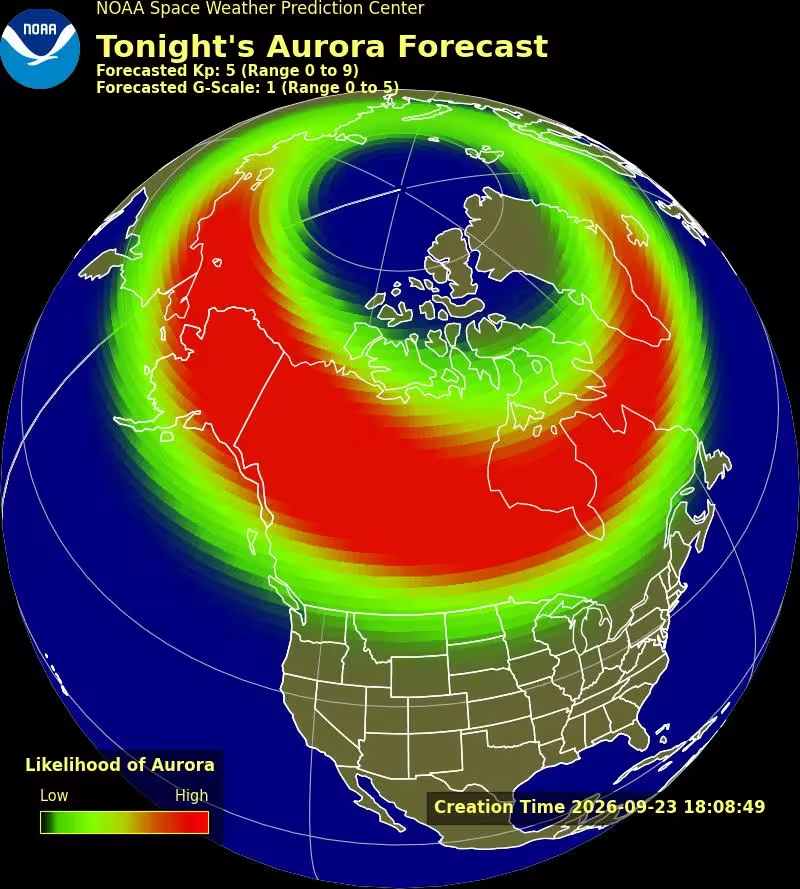
Meteorologists and space weather experts are currently tracking the arrival, with forecasts suggesting at least minor G-1 geomagnetic storm conditions. However, should the interaction intensify, the event could escalate to G-2 moderate storm levels. Such an escalation would be significant, as it would cause the auroral oval—the ring of light typically centered around the magnetic pole—to expand toward lower latitudes, bringing the spectacle within reach of a broader population.
The intensity of any visible display remains dependent on a complex interplay between the density of the solar wind, the magnetic orientation of the particles, and local atmospheric conditions. Because space weather is inherently volatile, monitoring tools like live aurora maps remain the most reliable way for observers to gauge their chances in real-time.
Geographic Outlook for North American Observers
Should conditions reach G-1 status, the best viewing opportunities will be largely restricted to states bordering Canada, including Alaska, Washington, Idaho, Montana, the Dakotas, Minnesota, Wisconsin, Michigan, Maine, New Hampshire, and Vermont. If the storm intensity climbs to G-2, the potential viewing horizon widens significantly. In such a scenario, residents in Oregon, Wyoming, Nebraska, Iowa, Illinois, Indiana, Ohio, Colorado, Pennsylvania, and New York may also witness the celestial display.
Experts emphasize that successful observation requires more than just high geomagnetic activity. Artificial light pollution remains the greatest enemy of the aurora, and enthusiasts are encouraged to travel to dark, rural areas far from city lights. Additionally, a clear, unobstructed view of the northern horizon is essential.
Strategic Tips for Chasing the Aurora
For those planning to head out, patience is the primary tool. Auroral displays are rarely static; they often begin as a subtle, faint glow and can rapidly evolve into vibrant arcs or shifting waves as the geomagnetic environment fluctuates. Peak visibility often occurs in the hours surrounding midnight and into the early dawn, though this window shifts based on the timing of the solar wind’s arrival.
Observers should also be mindful of lunar conditions. A waxing moon, approaching its peak on Sept. 26, will increase ambient light levels, which can wash out the subtle, fainter colors of a moderate aurora. To maximize success, it is recommended that enthusiasts consult the NOAA 30-minute aurora forecast immediately before venturing out to account for real-time changes in the solar wind’s influence on the magnetosphere.
This article has been fact checked for accuracy, with information verified against reputable sources. Learn more about us and our editorial process.
Last reviewed on .
Article history
- Latest version
Reference(s)
- “Aurora Dashboard (Experimental) | NOAA / NWS Space Weather Prediction Center.” <https://www.spaceweather.gov/communities/aurora-dashboard-experimental>.
Cite this page:
- Posted by Karan Das