NASA Is Seeking New Technologies to Build a Sustainable Human Base on the Moon
NASA is moving beyond initial lunar landings to develop the sustainable infrastructure and life-support systems required for long-term human presence.
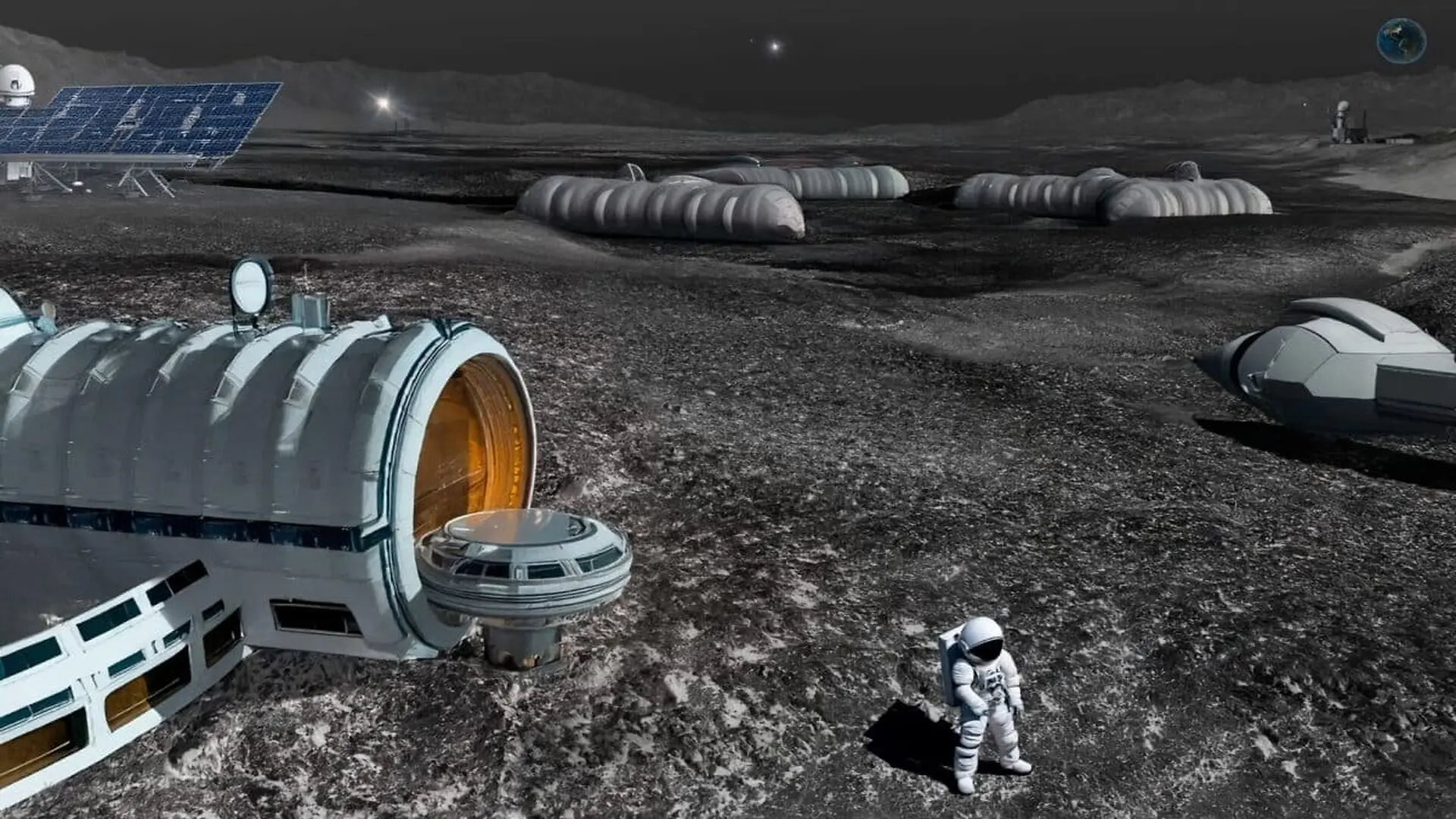
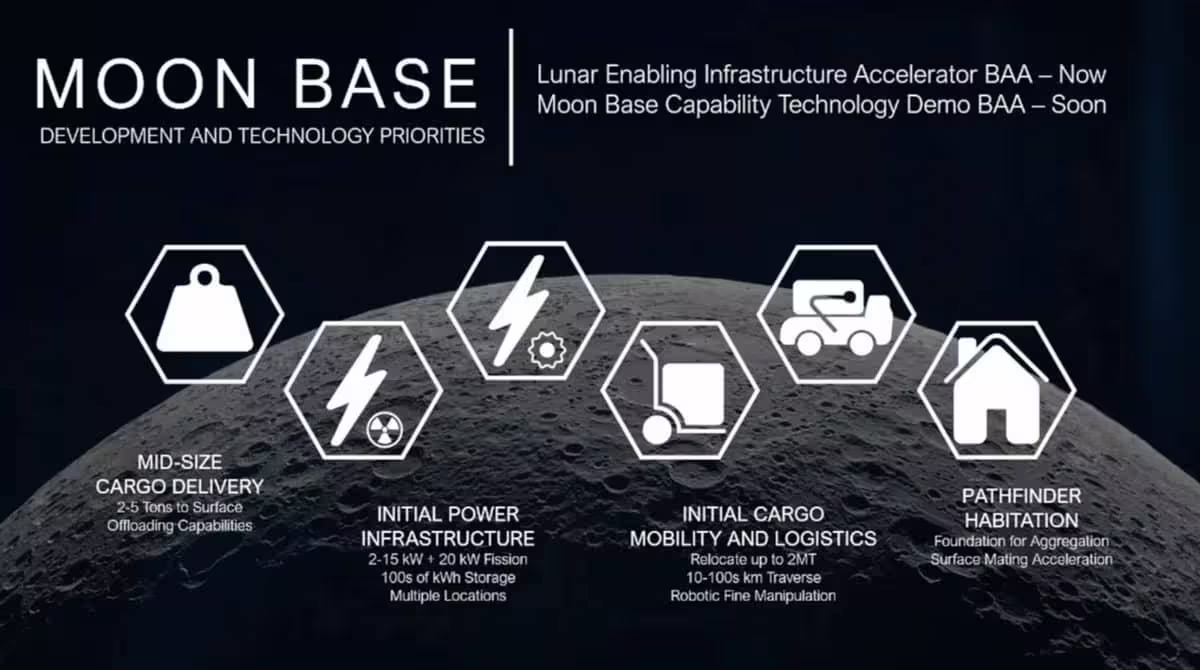
NASA has officially launched a recruitment drive for private enterprises, academic institutions, and nonprofit entities to pioneer the critical technologies required to sustain a human presence near the lunar south pole. Unveiled on September 8, this initiative falls under the agency’s NextSTEP-3 Broad Agency Announcement and its newly established Lunar Enabling Infrastructure Accelerator program, signaling a strategic shift toward moving experimental lunar concepts into actionable, field-ready demonstrations.
Establishing a permanent foothold on the Moon requires moving beyond the “flag and footprints” paradigm of past missions. To ensure the safety and productivity of future crews, NASA is prioritizing autonomous infrastructure, such as reliable power generation and the ability to derive essential supplies directly from the lunar environment.
Strategic Pillars for Lunar Sustainability
The agency’s roadmap identifies several high-priority domains that are essential for long-duration missions. Foremost among these is the development of vertical solar array technology, which aims to provide consistent energy capture, management, and distribution across the rugged, shadowed terrain of the lunar south pole.
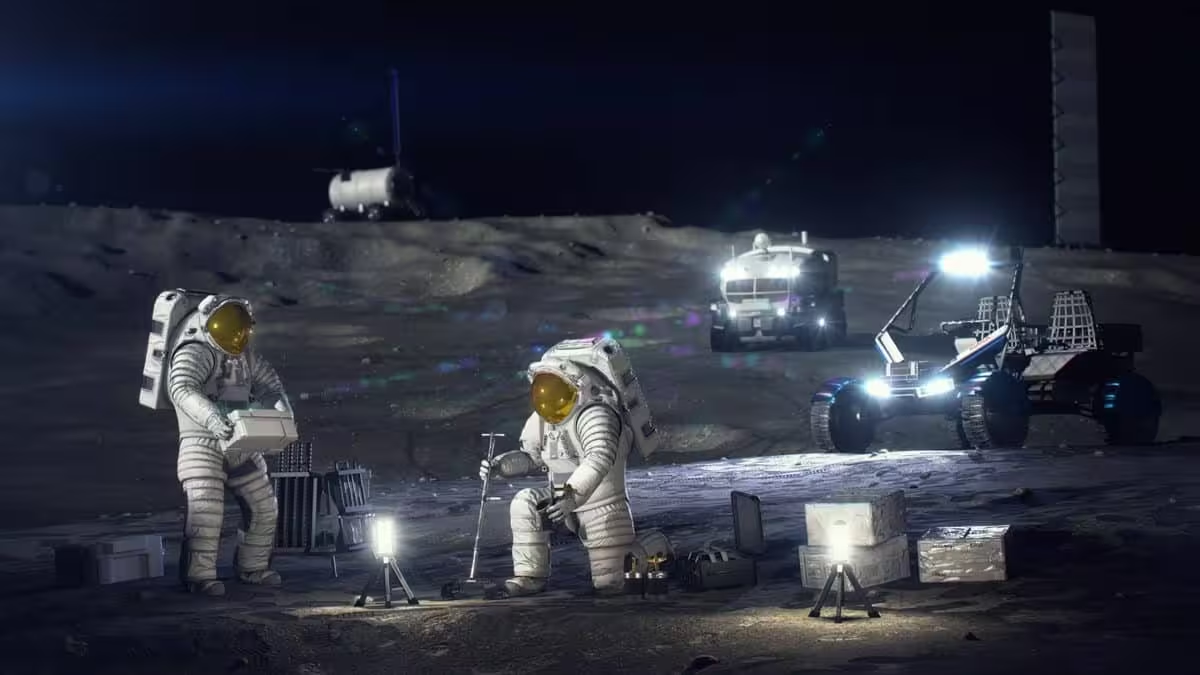
To reduce the logistical burden of supply chains tethered to Earth, NASA is seeking innovations in in-situ resource utilization, specifically focusing on oxygen extraction from lunar regolith. By separating oxygen trapped within the pervasive layers of moon dust and shattered rock, future missions could generate life-sustaining air and potentially propellant components on-site.
Furthermore, the solicitation invites designs for radioisotope Stirling generators. These systems utilize the heat generated by fissile materials to provide reliable electricity, a necessity for operating in the perpetually dark and dust-laden environments characteristic of the lunar poles.
Advanced Manufacturing at the Lunar Frontier
Beyond life support and energy, NASA is investing in the future of on-demand logistics. The agency is calling for proposals regarding in-space advanced manufacturing and the production of nanomaterials. The goal is to develop capabilities that allow astronauts to manufacture essential tools and parts directly on the lunar surface, drastically lowering the cost and risk of mission failures caused by supply shortages.
“NASA is accelerating the development of key technologies and closing critical gaps needed for long-term human exploration at the Moon,” stated Greg Stover, director of the agency’s Advanced Research and Technology Division.
Stover emphasized that these collaborations serve a dual purpose: enabling a sustainable presence on the Moon while simultaneously strengthening the domestic industrial sector. Data and technical insights gleaned from these contract-driven projects will directly inform future acquisition strategies and hardware development cycles.
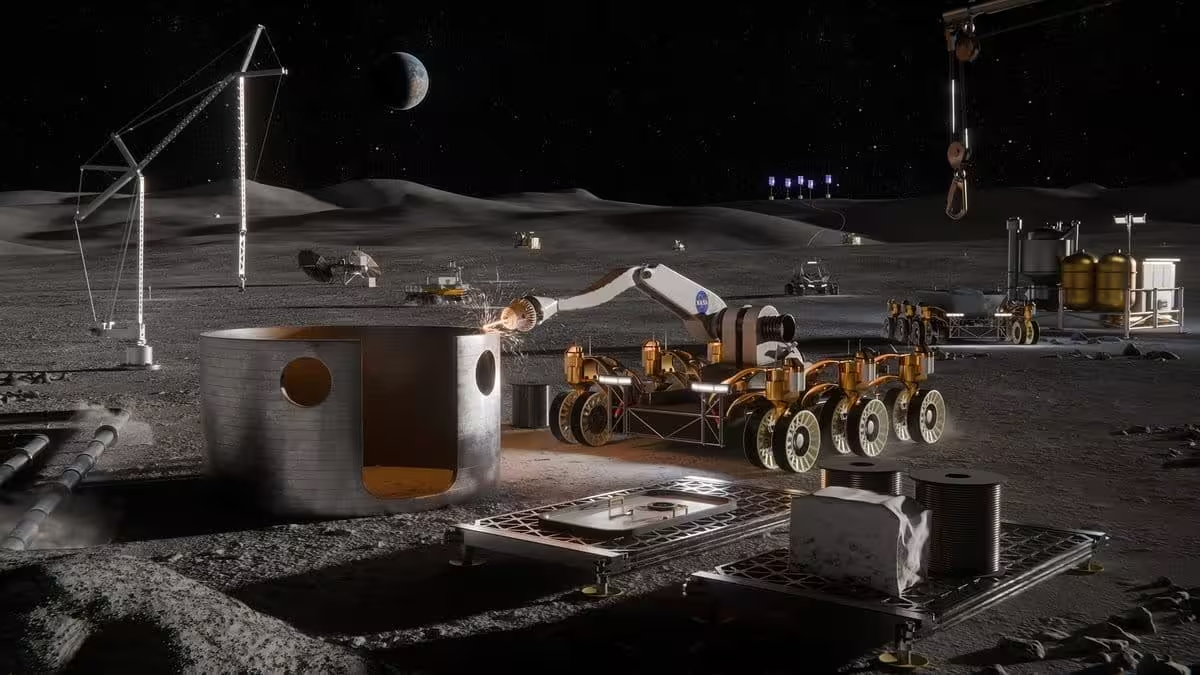
By fostering a diverse ecosystem of partners through the Lunar Enabling Infrastructure Accelerator, NASA is looking to build the essential architecture that will define the next generation of space exploration.
This article has been fact checked for accuracy, with information verified against reputable sources. Learn more about us and our editorial process.
Last reviewed on .
Article history
- Latest version
Reference(s)
- “Greg Stover - NASA.” NASA <https://www.nasa.gov/people/greg-stover/>.
- Hall, Loura. “Accelerate Lunar Surface Technologies.”, June 29, 2026 NASA <https://www.nasa.gov/directorates/stmd/nasa-seeks-industry-input-to-accelerate-lunar-surface-technologies/>.
Cite this page:
- Posted by Karan Das