NASA Is Developing A New Way To Spot Valuable Space Resources From Dozens Of Miles Away
A new NASA-funded spacecraft concept could revolutionize how future missions identify and explore valuable mineral deposits throughout our solar system.
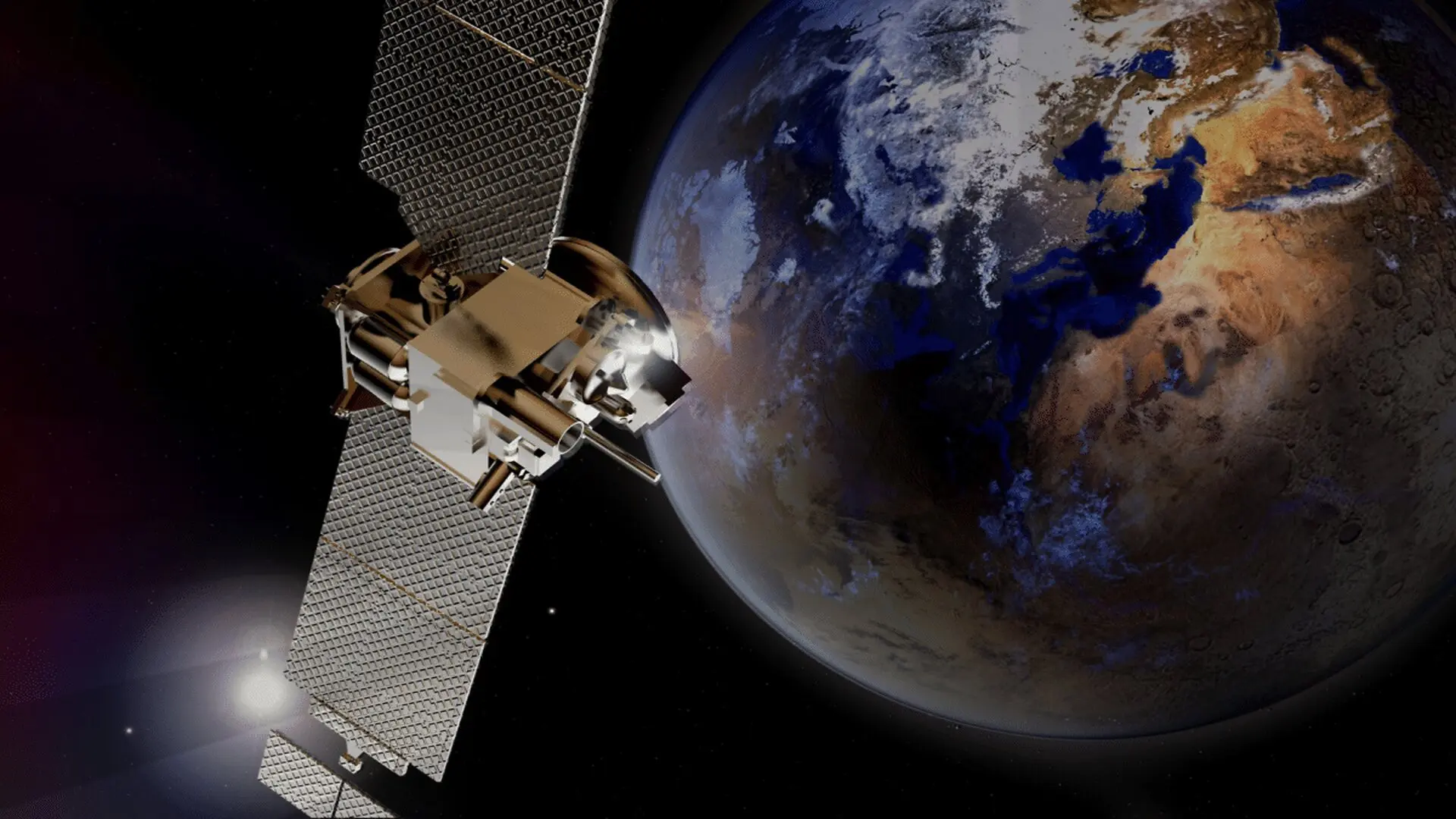
NASA is backing a novel spacecraft concept that could fundamentally change how we prospect for materials on moons, asteroids, and planets. Known as the Interworld Slingshot Resource Surveys, this project aims to detect mineral deposits from orbit, providing a critical layer of reconnaissance before agencies or private firms invest the substantial capital required for landing missions.
Advanced Prospecting From Deep Space
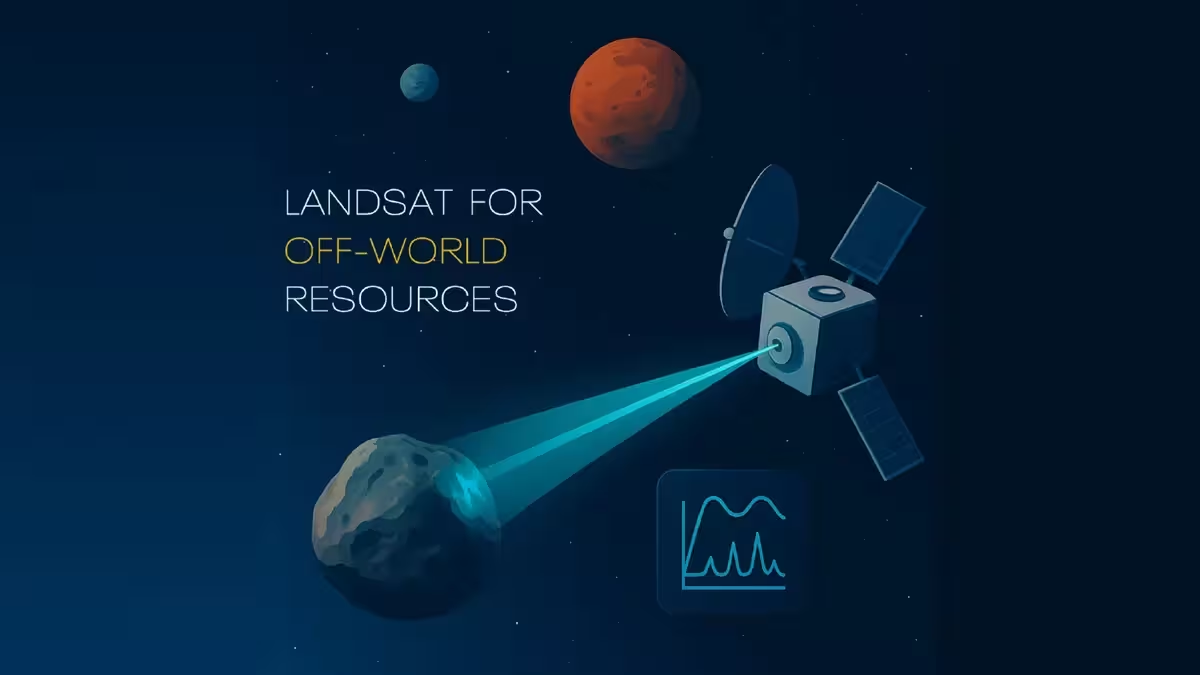
The core of the initiative relies on Raman spectroscopy, a sophisticated analytical technique that identifies the chemical makeup of substances by measuring how they interact with light. While typically used in laboratory settings, researchers are working to adapt this technology for use at extreme ranges. The goal is to move beyond ground-contact sampling and instead identify valuable geological resources from distances of 30 to 50 kilometers (19 to 31 miles).
By mapping these signatures remotely, the mission aims to mitigate the high financial and technical risks inherent in space exploration. Currently, the uncertainty surrounding the precise location of water ice, metals, and other essential minerals often forces planners to gamble on landing sites, risking billions of dollars on missions that may find nothing of value.
Engineering Challenges at Interstellar Distances
The primary hurdle identified by the SETI Institute is the extreme sensitivity required for long-distance measurements. Raman scattering is an incredibly faint phenomenon, with only one in every 10 trillion photons typically undergoing the shift that provides useful data. Previous tests conducted by researcher Petr Sobron have successfully utilized this method at ranges of roughly 120 meters (393 feet), meaning that increasing the operational range to tens of kilometers represents a significant engineering leap.
“The thing most likely to stop space mining may be that we cannot afford to prove there is anything worth mining,” Sobron noted. “Land in the wrong place and you can lose an entire exploration program or a company, and nobody has enough money to keep sending spacecraft and hoping for the best.”
Strategic Shifts in Planetary Science
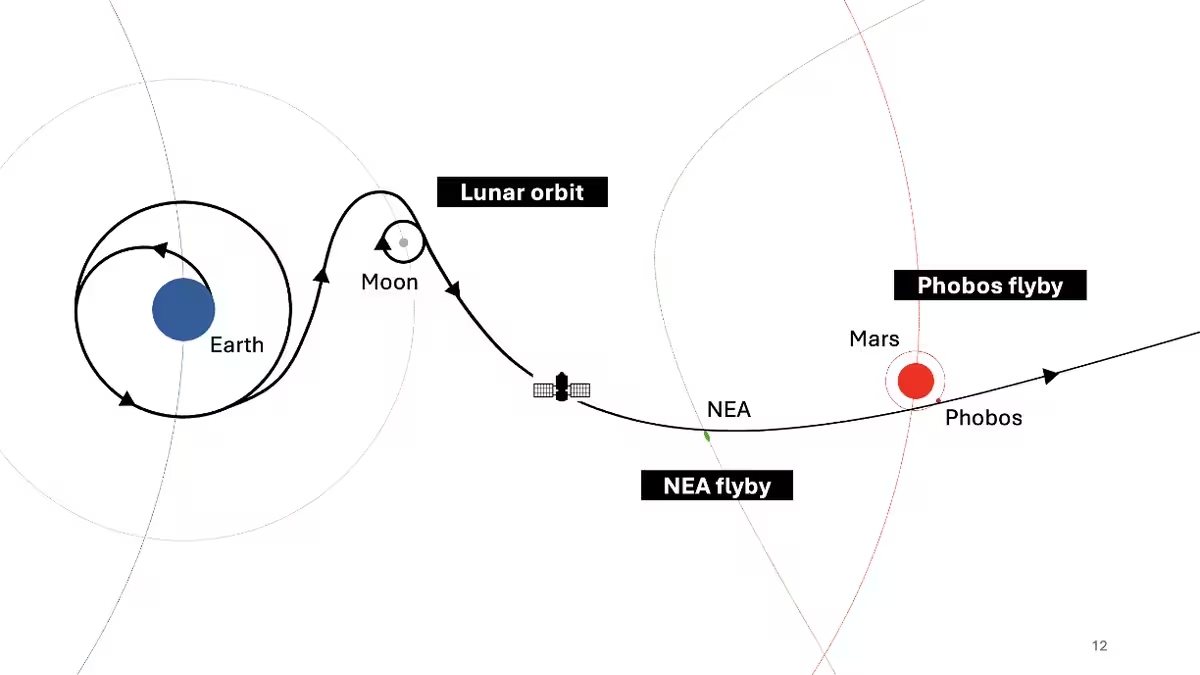
The potential implications for future solar system exploration are vast. If this survey technology proves viable, it could enable a new class of “scout” missions that characterize multiple bodies—such as a moon, a near-Earth asteroid, and Phobos—during a single transit. By prioritizing targets with confirmed resource potential, these missions would streamline the path toward long-term sustainability, helping explorers transition away from a total reliance on Earth-supplied logistics.
While the project remains in the early stages of development, it underscores a broader shift in modern planetary science toward smarter, data-driven mission architectures. By turning laboratory-grade spectroscopy into a deep-space reconnaissance tool, researchers hope to create a standard procedure for evaluating extraterrestrial environments before human or robotic boots ever hit the surface.
This article has been fact checked for accuracy, with information verified against reputable sources. Learn more about us and our editorial process.
Last reviewed on .
Article history
- Latest version
Reference(s)
- Institute, SETI. “A New Way to Find Resources in Space.”, August 18, 2026 SETI Institute <https://www.seti.org/news/a-new-way-to-find-resources-in-space/>.
Cite this page:
- Posted by Karan Das