Blue Origin Rocket Explosion Detected By Instruments Over 1,000 Miles Away
Blue Origin’s New Glenn exploded during a ground test, but scientists were stunned by what they discovered traveling thousands of miles away.
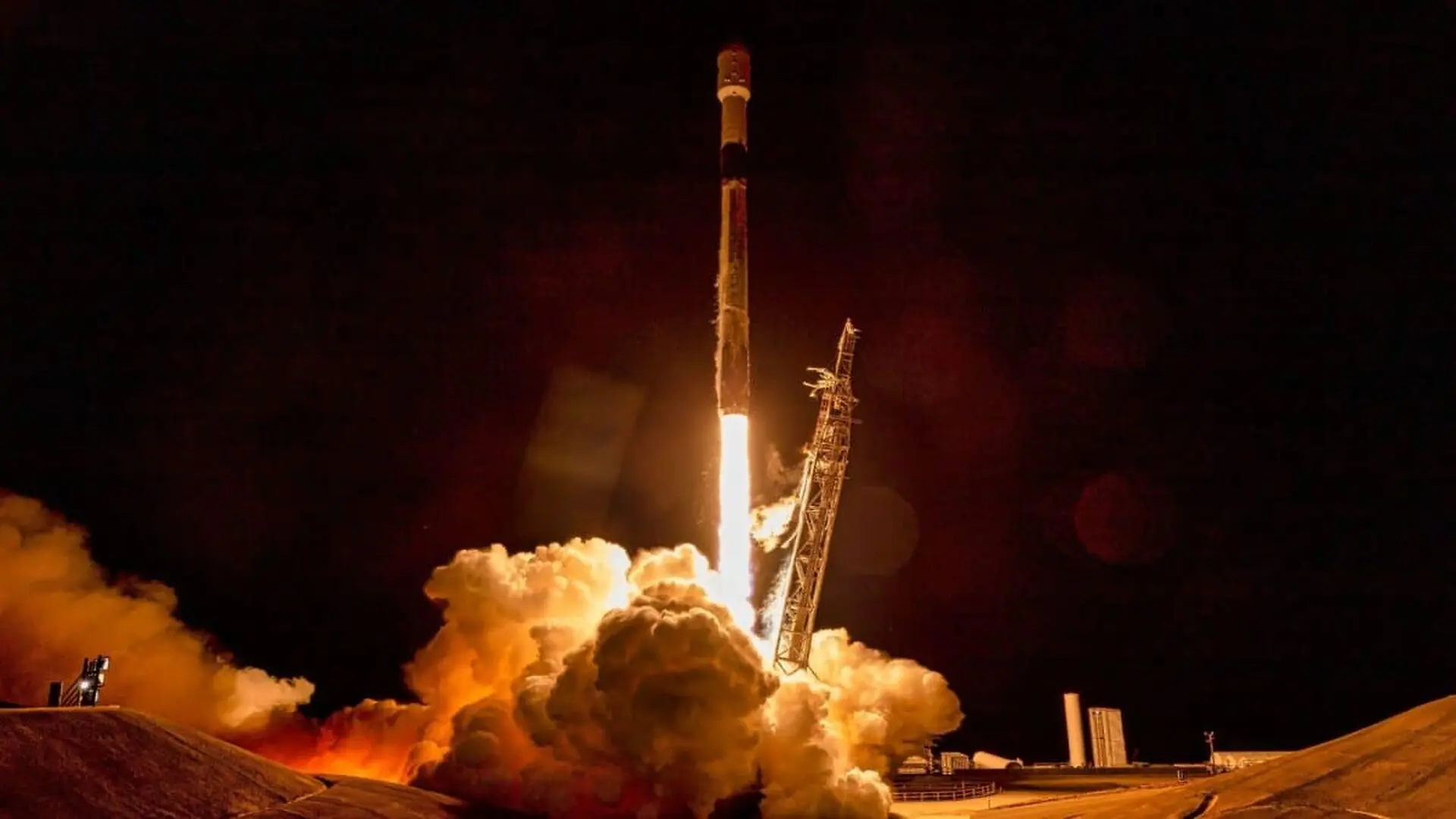
The catastrophic failure of a Blue Origin New Glenn rocket during a static ground test at Cape Canaveral Space Force Station on May 29 has provided researchers with an unexpected, high-fidelity dataset regarding large-scale energetic events. The booster, which disintegrated in a massive nighttime fireball, generated infrasound signals powerful enough to be detected by sensors as far as 1,046 miles (1,684 kilometers) away in northeast Texas.
According to findings published on August 12 in The Seismic Record, the explosion produced an energy yield estimated at 0.131 kilotons, or approximately 144 U.S. tons of TNT. This measurement makes the incident one of the most significant rocket test failures recorded in the pre-launch phase.
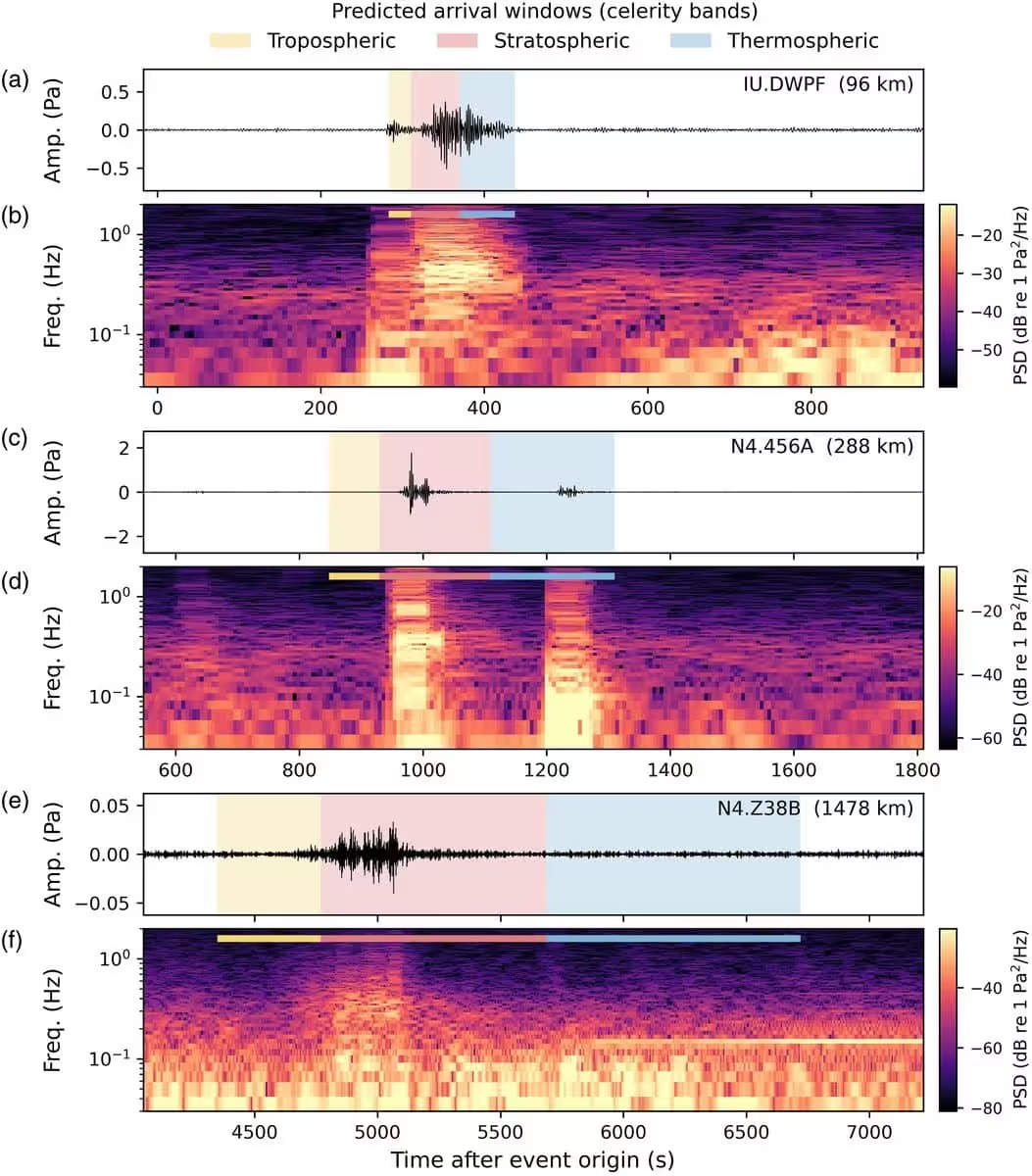
Atmospheric Monitoring of the Cape Canaveral Blast
While local residents near the Florida spaceport experienced a violent shockwave and a thunderous boom—with reports of the blast felt up to 135 miles (217 kilometers) from the launchpad—the incident was also captured by a network of 36 specialized infrasound stations across the United States. These low-frequency acoustic waves, which fall below the threshold of human hearing, allowed physicists to reconstruct the magnitude of the event.
Elizabeth Silber, a planetary scientist at Sandia National Laboratories, noted that the incident presented a rare, real-world opportunity to analyze high-energy atmospheric dynamics. By examining the propagation of these waves, the research team estimated that between 3% and 6% of the rocket’s cryogenic propellant was involved in the initial detonation.
Silber explained that in large-scale propellant accidents, fuel and oxidizer rarely combust simultaneously. Instead, a portion of the material contributes to the primary blast, while the remainder burns more gradually within the developing plume and fireball.

Technical Setbacks for the New Glenn Program
The May incident occurred during a static hotfire sequence intended to prepare the vehicle for its fourth flight. Following a series of notable achievements—including the successful deployment of a prototype in January 2025 and a mission to Mars in November of that same year—the program had faced operational challenges. A prior mission on April 19, 2026, saw the rocket reach space, though it failed to properly deploy its intended communications satellite payload.
Blue Origin subsequently identified a faulty oxygen valve as the primary culprit for the May explosion, according to an August 5 update. The company has since ceased launch operations for the New Glenn line while investigating the technical failure.
“In a large propellant accident, the fuel and oxidizer do not necessarily mix and react all at once,” Silber noted. “Some material can contribute to the initial blast, while other material can burn more gradually in the fireball and the plume.”
This article has been fact checked for accuracy, with information verified against reputable sources. Learn more about us and our editorial process.
Last reviewed on .
Article history
- Latest version
Cite this page:
- Posted by Karan Das