Blue Origin Just Revealed a Massive New Glenn Upgrade to Boost Its Lunar Ambitions
Blue Origin has unveiled a lunar-capable third stage and a new, powerful engine for its New Glenn rocket to support ambitious deep space exploration goals.
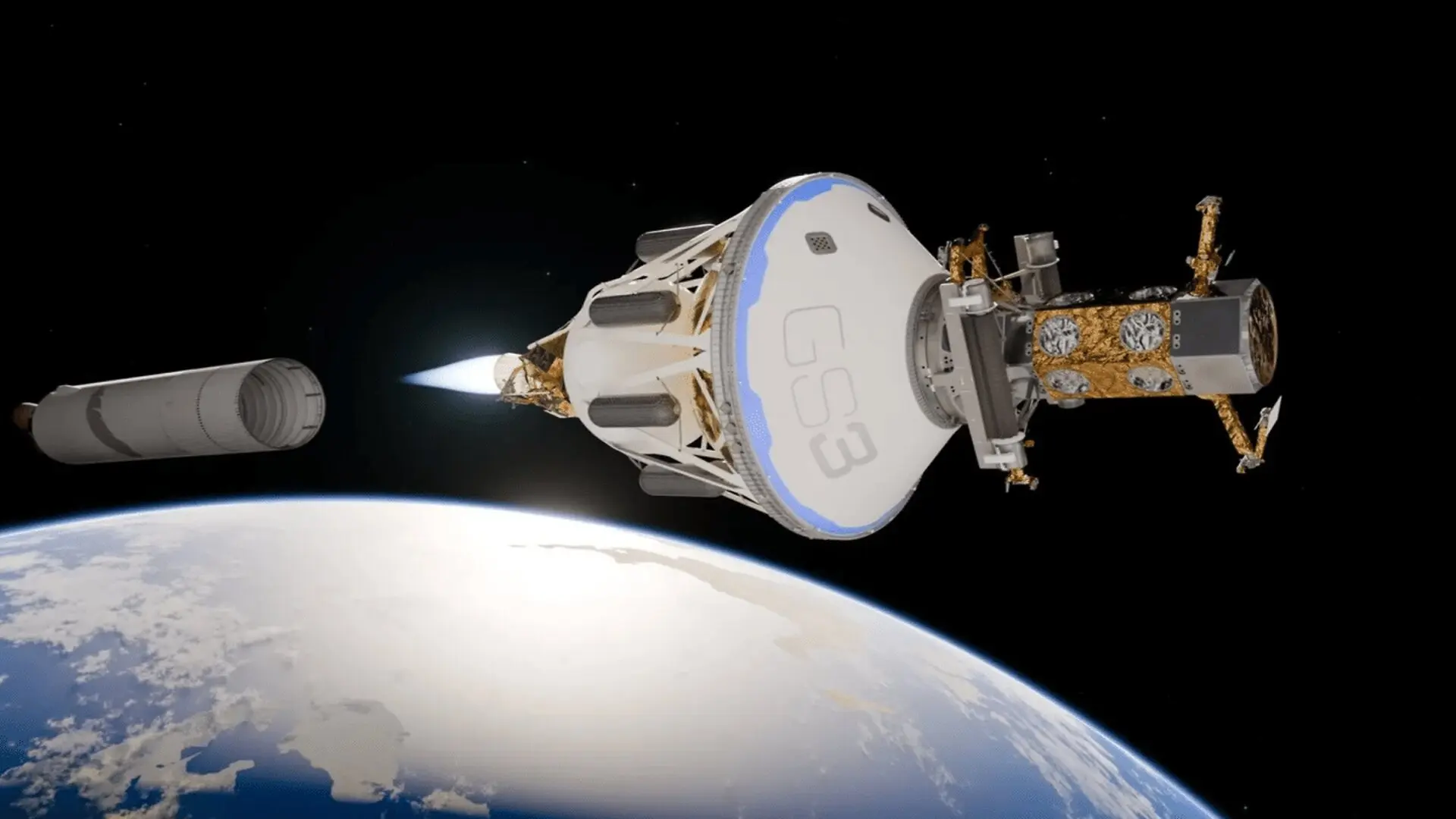
Blue Origin is signaling a major pivot in its long-term strategy for the New Glenn rocket, unveiling plans to integrate a high-energy third stage and a streamlined, high-thrust engine. These developments aim to transition the heavy-lift vehicle from a standard Earth-orbit launcher into a platform capable of deep-space and lunar exploration.
Extending Reach into Deep Space with GS3
The introduction of the GS3 third stage, announced on November 5, 2026, represents a fundamental shift in the rocket’s mission profile. While the existing two-stage architecture is optimized for low Earth orbit and geostationary transfer, the GS3 is engineered to push significant payloads directly into trans-lunar trajectories and deep-space destinations.
The new stage will utilize the BE-7 engine, a liquid hydrogen and liquid oxygen powerplant originally matured for Blue Origin’s Blue Moon lander. By adopting this configuration, the company expects to provide customers with direct injection capabilities, which could eliminate the need for spacecraft to expend their own limited propellant reserves to reach final orbits. This efficiency is expected to be a critical advantage for heavy scientific payloads and missions targeting the cislunar region, where sustaining a human and robotic presence is a growing priority for NASA and commercial partners.
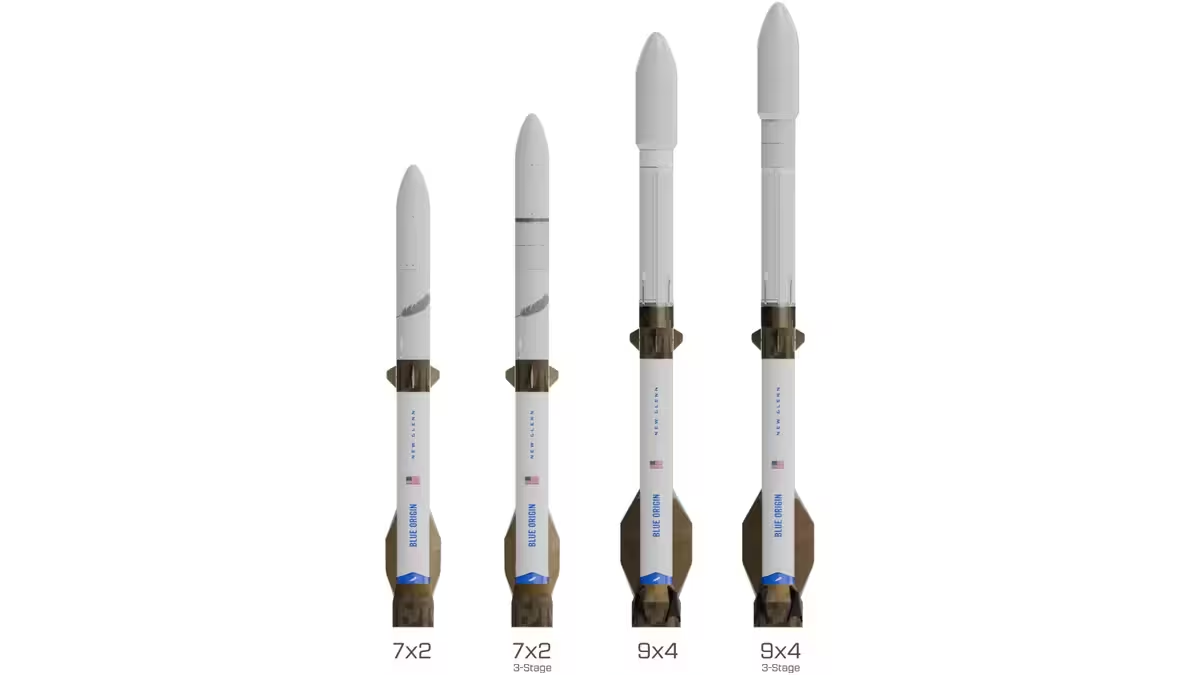
Early adoption is already underway, with an undisclosed government client securing a flight for a 2028 mission to cislunar space. While the company has not specified the nature of the payload, the move confirms market interest in New Glenn’s expanded capacity.
Northstar: A New Standard for Propulsion Manufacturing
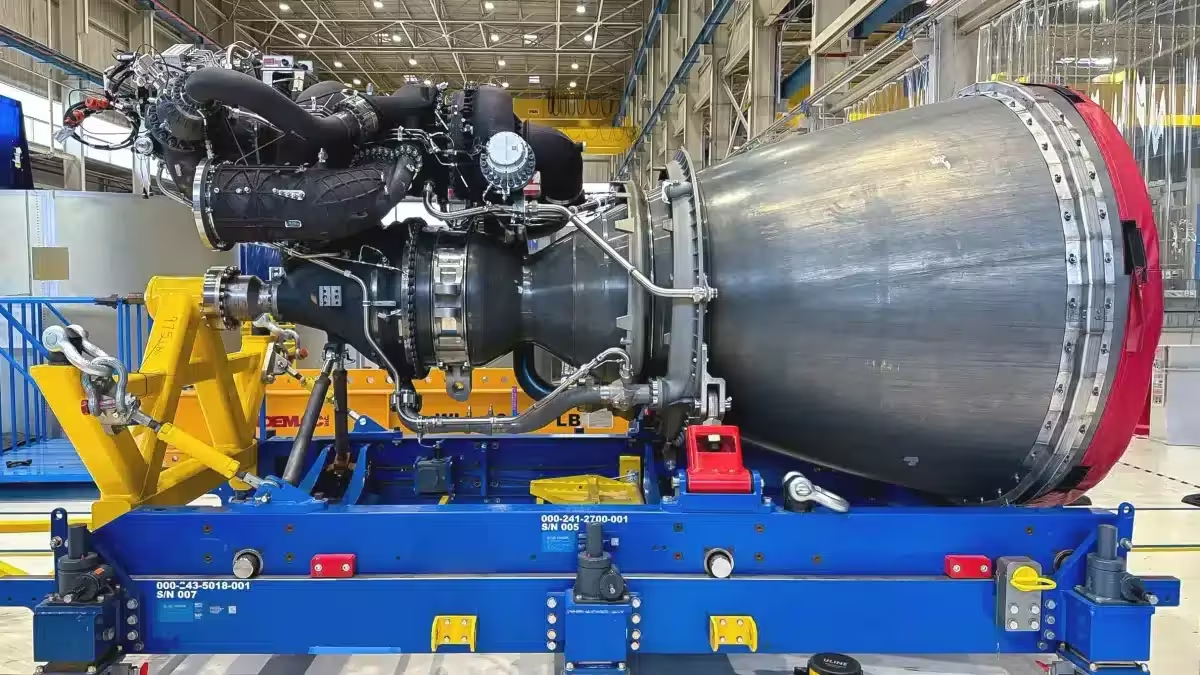
Alongside the stage update, Blue Origin debuted Northstar, a first-stage booster engine designed to replace the incumbent BE-4. While maintaining the same liquid oxygen and liquid methane propellant architecture, Northstar focuses on radical improvements in production efficiency and raw thrust.
The company reports that Northstar produces 715,000 pounds-force of thrust, an 11.7 percent increase over the BE-4, while simultaneously cutting engine mass by 30 percent and reducing the parts count by half. These design optimizations are aimed at significantly accelerating production, with the company claiming the engine can be assembled in under a single day. This rapid development cycle—moving from initial approval to testing in only 11 months—highlights a shift toward prioritizing manufacturing speed in the competitive heavy-lift market.
Overcoming a Challenging Flight History
These ambitious engineering plans arrive at a critical juncture for the New Glenn program. Since its debut in early 2025, the vehicle has faced notable operational hurdles. The third flight, occurring in April 2026, resulted in the loss of a client’s satellite due to an orbital insertion error. This was compounded shortly after by a launch-pad explosion during a ground test in May 2026, which caused damage to infrastructure at Cape Canaveral.
For Blue Origin, the path forward requires balancing the introduction of these advanced systems with the necessity of proving the reliability of its existing infrastructure. While the company prepares for its fourth flight mission late in 2026, the success of the GS3 and Northstar initiatives will ultimately hinge on the rigorous qualification and flight testing phases that lie ahead. The aggressive timeline for these upgrades suggests that Blue Origin remains focused on its long-term objectives despite the recent technical setbacks.
This article has been fact checked for accuracy, with information verified against reputable sources. Learn more about us and our editorial process.
Last reviewed on .
Article history
- Latest version
Cite this page:
- Posted by Karan Das