Why Rural Villagers Keep Eating Raw Fish Despite Cancer Risks
New research in Laos reveals how deep-seated traditions and social gatherings sustain dangerous parasite exposure along the Mekong River.
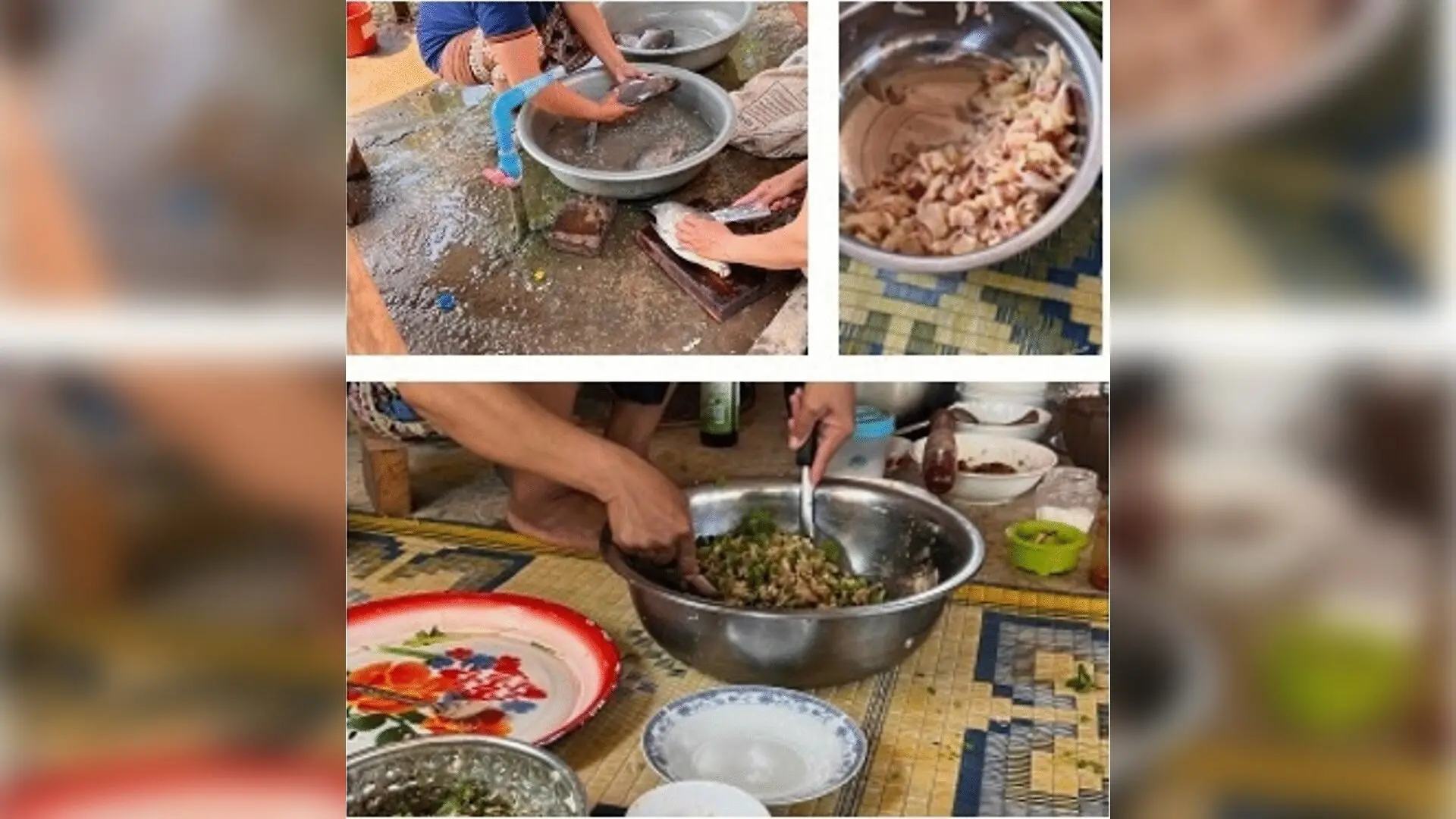
Villagers living along the Mekong River in southern Laos frequently consume raw or undercooked freshwater fish despite widespread awareness of local health campaigns, driven by deep cultural traditions and social norms. Researchers investigating food-borne parasite risks in Champasak Province found that while many rural residents recognize the name of the liver fluke parasite, few understand how the infection spreads or link it to serious illness.
The study, published in Tropical Medicine and Health, focused on Opisthorchis viverrini, a parasitic flatworm endemic to the Greater Mekong Subregion. Humans contract the parasite by eating raw or inadequately cooked freshwater cyprinid fish, which act as the second intermediate hosts. Once ingested, the parasite migrates to the biliary tract, where adult worms develop. Long-term chronic infection can lead to a severe bile duct cancer known as cholangiocarcinoma.
Tradition, Taste, and Social Bonding Over Raw Fish
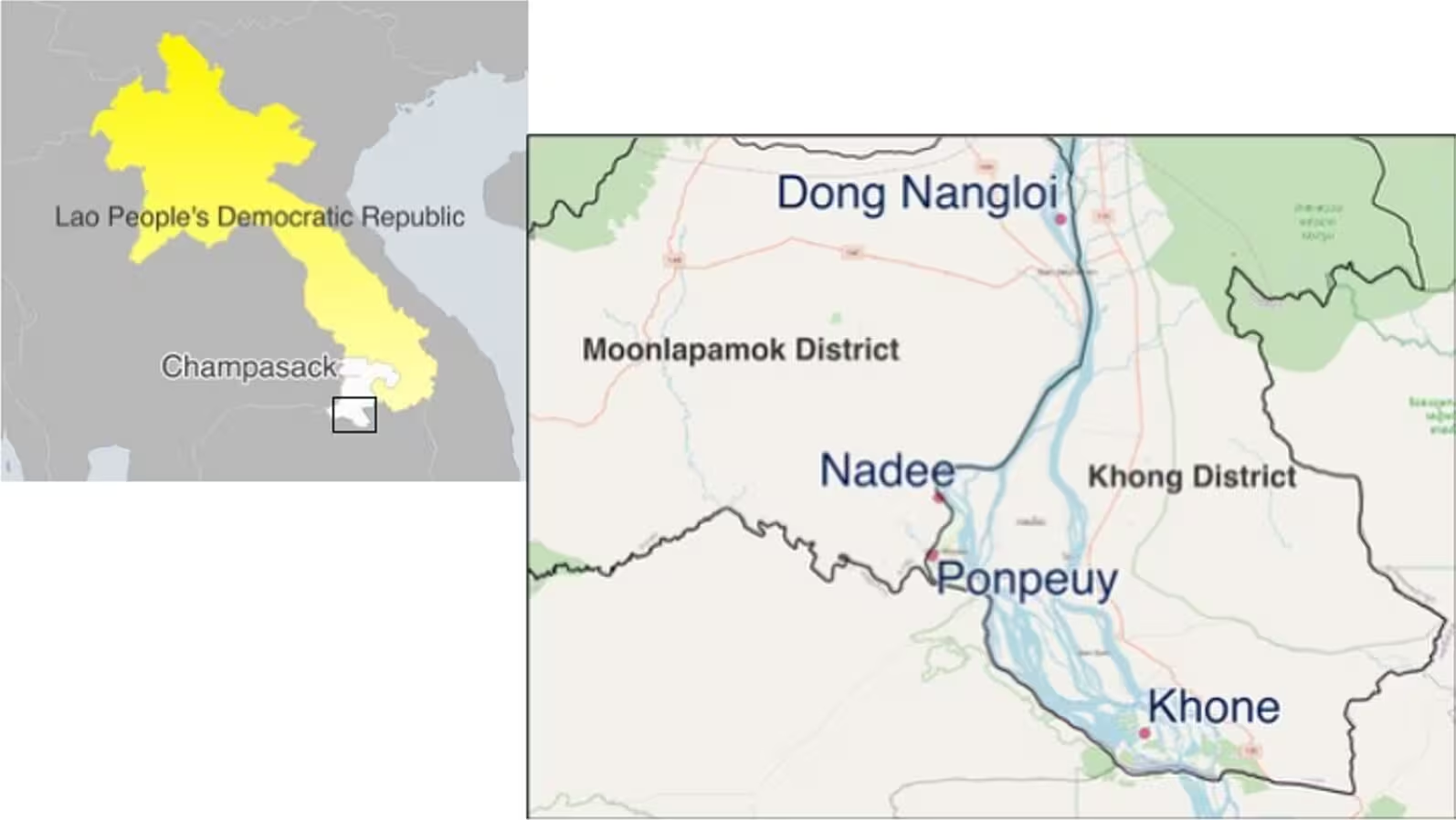
Interviews and group discussions involving 68 participants across four villages in Khong and Mounlapamok districts revealed that raw fish dishes such as koi pa (chopped raw fish salad) and larp pa (minced raw fish salad) remain popular. Participants described these meals as delicious and culturally significant, often consumed during social gatherings, weddings, and informal drinking events with friends and relatives. Refusing to eat raw fish in these communal settings can disrupt close-knit kinship and neighborhood bonds.
The habit is particularly prevalent among men, who often prepare and consume raw fish dishes as drinking accompaniments during the harvest season. Many community members hold traditional beliefs that adding lime juice, chili, or drinking alcohol immediately afterward can kill any parasites present in the fish. While some villagers acknowledged potential risks, they viewed raw fish simply as everyday food and noted that generations before them had eaten it without obvious harm.
Economic Pressures and Fishing Practices
Fishing serves as a vital secondary livelihood for farmers in the region. While residents caught large fish in the Mekong River for household consumption or to sell for cash income, smaller fish caught in rice fields during the rainy season were frequently shared through informal distribution networks. Fermented fish products such as pa som and pa daek were also consumed regularly, though their preparation methods and safety regarding parasite survival vary significantly.
Children were generally protected from raw fish consumption by their parents, who preferred to feed them boiled, grilled, or fried alternatives or commercial foods. However, the study pointed out that health education delivered purely in text formats faces hurdles due to varying literacy levels among rural participants, particularly older women.
Study Limitations and Next Steps
The authors noted several limitations, including the small sample size from just four villages in Champasak Province, reliance on self-reported data susceptible to recall and social desirability biases, and a majority female participant demographic that may underrepresent male social eating contexts. The findings suggest that future public health interventions must move beyond simple educational warnings and account for the complex social, cultural, and economic factors that sustain raw fish consumption in endemic rural communities.
The research was published in Tropical Medicine and Health on November 6, 2026.
This article has been fact checked for accuracy, with information verified against reputable sources. Learn more about us and our editorial process.
Last reviewed on .
Article history
- Latest version
Reference(s)
- Akiyama, Takeshi., et al. “Perceptions of Opisthorchis viverrini infection and raw fish consumption among villagers in Champasak Province, Lao PDR: a qualitative study.” Tropical Medicine and Health, vol. 54, no. 1, November 6, 2026 Springer Science and Business Media LLC, doi: 10.1186/s41182-026-01104-4. <https://doi.org/10.1186/s41182-026-01104-4>.
Cite this page:
- Posted by Nida Rehman