Ancient Mayan Farming Secrets Reveal How Indigenous Communities Protect Soil Health Without Chemicals
New research highlights how traditional polyculture and spiritual connection to the land offer a sustainable alternative to industrial agriculture.
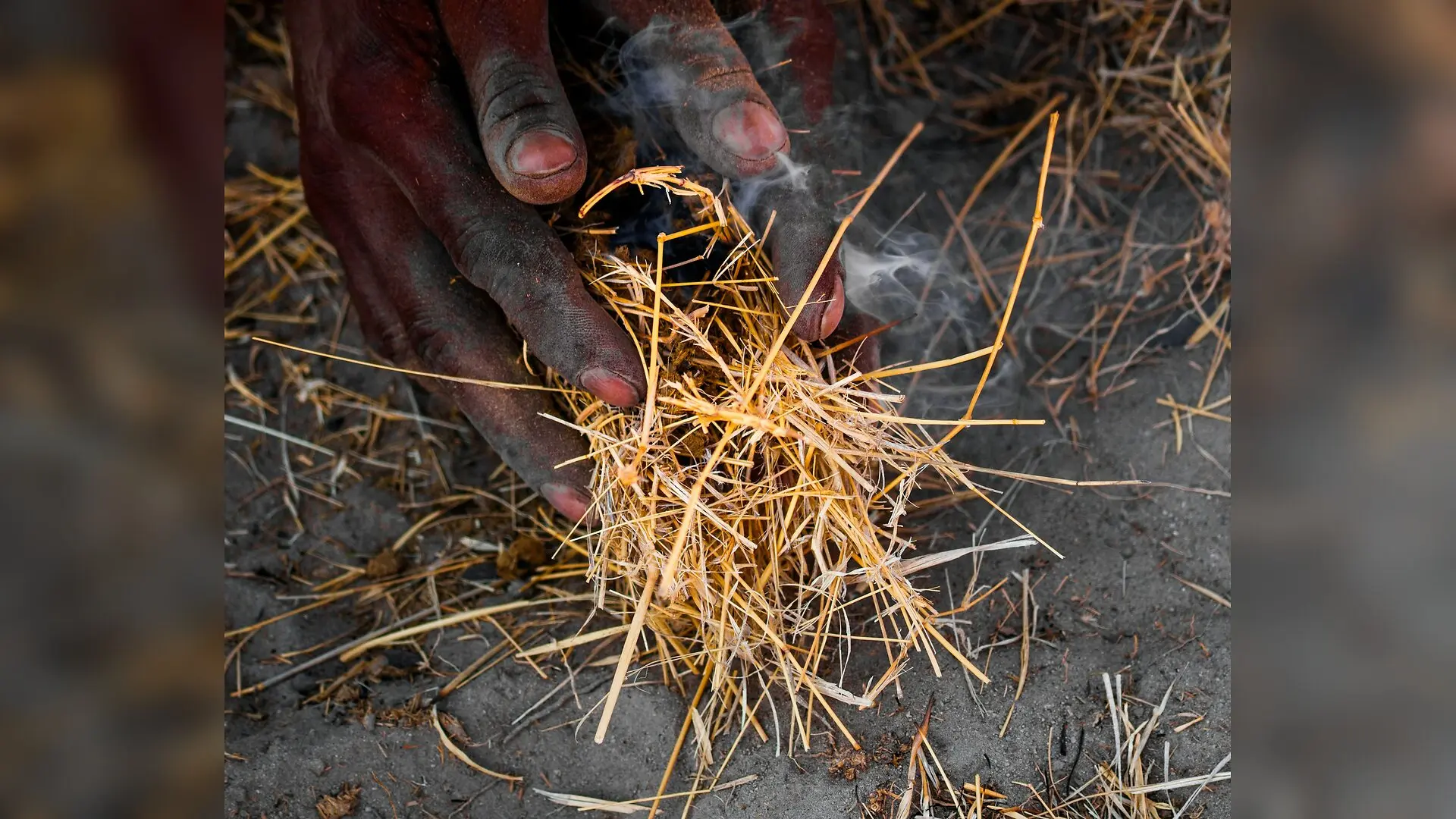
Ancient Mayan farming traditions in the Yucatán peninsula maintain soil fertility and food security without chemical fertilizers through a network of cultural practices that span millennia. Research examining indigenous agricultural methods reveals that indigenous farming systems rely on polycultures and crop rotation to preserve ecosystem health, contrasting sharply with high-yield industrial farming models.
How Ancient Mayan Polyculture Protects Soil Health
Traditional Mayan agriculture centers around two primary spaces: the milpa, an open forest plot where corn, beans, squash, and chili peppers grow together, and the solar, a family garden located directly beside the home. These systems depend on polyculture, meaning multiple crop varieties grow side by side to naturally deter pests and maintain nutrient balance in the soil. Writing about these dynamics published in Sustainable Agroecology notes that such practices allow the land to rest and recover naturally after cultivation cycles.
Unlike commercial agriculture that prioritizes rapid output and maximum corporate profit, the Mayan farming framework treats land as a living entity rather than a commercial resource. Farmers carefully observe moon phases, sun positions, and seasonal rainfall patterns using traditional calendars like the cabañuelas to decide when to plant and harvest. This approach helps protect local agrobiodiversity and ensures families have access to nutrient-dense foods without depending heavily on global supply chains.
What Happens When Industrial Farming Meets Ancestral Knowledge
Global industrial agriculture generates immense pressure on rural ecosystems by demanding high yields at the expense of natural resources. Statistics from international agricultural organizations indicate that roughly one-third of all food produced globally is lost or wasted annually, a sign of deep inefficiency in standard commercial food networks. In regions like Mexico, the push toward industrializing traditional maize production has boosted output in the short term, but researchers document rising soil degradation and water contamination as direct consequences.
Mayan communities often interact with modern agricultural technologies, government programs, and civil organizations by selectively adopting tools that fit their local needs. While some farmers utilize hybrid seeds or chemical inputs introduced by external programs, many continue to rely primarily on intergenerational knowledge passed down by elders. Women play a central role in this knowledge transmission, acting as guardians of native seeds, managing backyard gardens, and preserving recipes that sustain family health.
Can Decolonizing Agriculture Reverse Environmental Degradation?
The philosophy of decolonizing agriculture demands a radical shift away from standardized, extractive economic models that view rural territories as marginal spaces waiting to be modernized. Indigenous perspectives emphasize a subject-to-subject relationship with nature, where humans view themselves as part of a collective community that includes plants, animals, and spiritual elements of the landscape. Protecting this relationship requires governments to respect territorial autonomy and implement inclusive public policies that honor local traditions.
Without active state intervention to curb industrial pollution and protect dwindling native resources, ancestral languages, traditional seed varieties, and invaluable ecological expertise face the threat of permanent disappearance. Preserving indigenous agroecology offers a pathway toward genuine food sovereignty and environmental resilience, demonstrating that human survival depends on reciprocity with the natural world rather than endless industrial expansion.
The research was published in Sustainable Agroecology on January 1, 2027.
This article has been fact checked for accuracy, with information verified against reputable sources. Learn more about us and our editorial process.
Last reviewed on .
Article history
- Latest version
Reference(s)
- Martínez Isidro, Paulina., et al. “Decolonizing Agriculture: An Approach from Mayan Philosophy and Territory.” Sustainable Agroecology, November 6, 2026, pp. 87-101. Springer Nature Singapore, doi: 10.1007/978-981-92-4353-2_4. <https://doi.org/10.1007/978-981-92-4353-2_4>.
Cite this page:
- Posted by Karan Das