Maya Milpa Farming Systems Losing Crop Diversity Amid Climate Shifting
A 13-year study of over 2,200 households in Yucatán reveals how rising temperatures and demographic shifts are eroding ancient agricultural traditions.
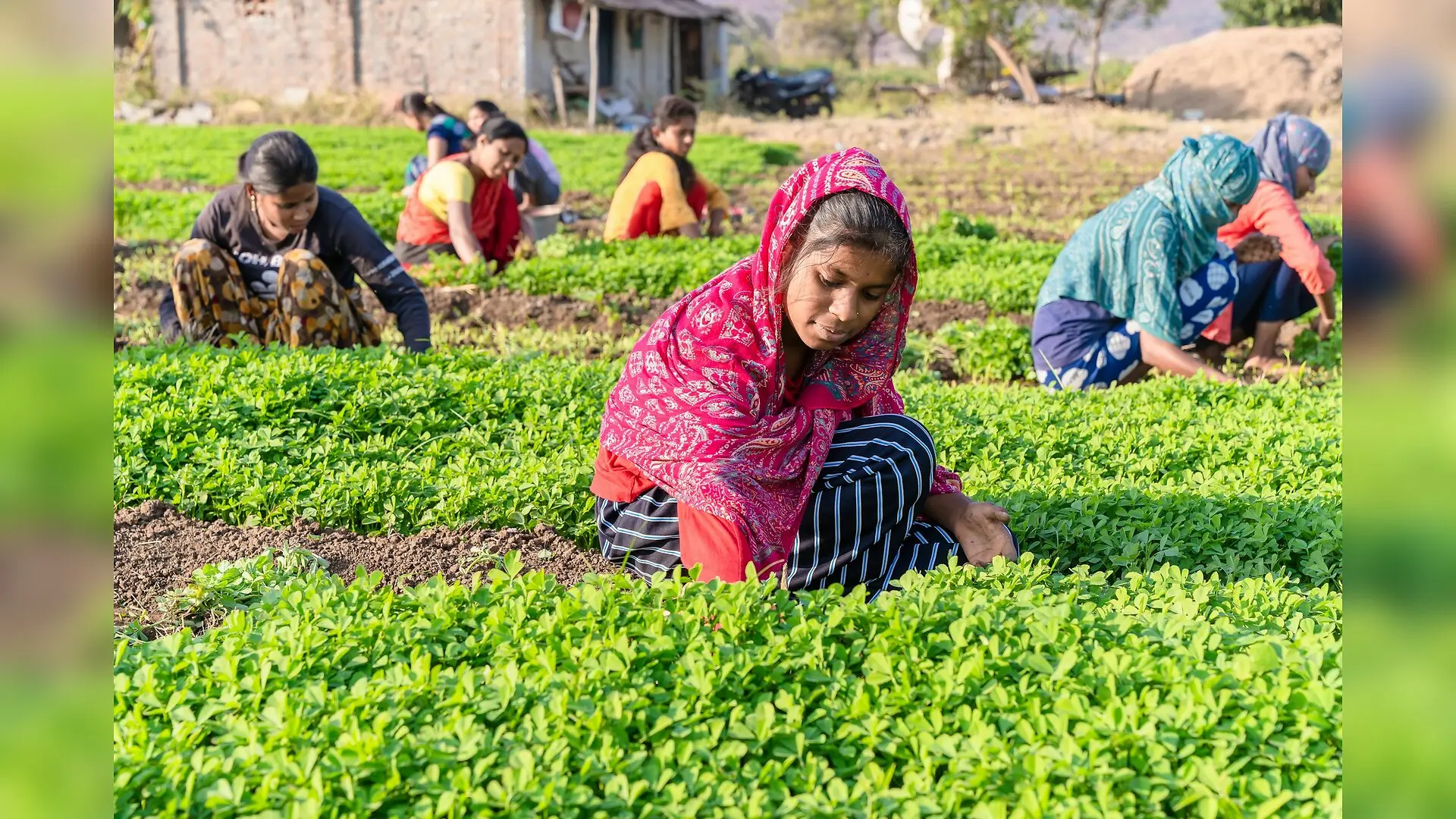
A 13-year tracking study of 2,248 small-scale farming households in the Yucatán Peninsula reveals a steady decline in the number of distinct crops grown in traditional Maya agricultural systems. The research details how rising regional temperatures, shifting rainfall patterns, and broader socioeconomic changes are eroding agricultural diversity within the ancient Maya Milpa and Solar home garden systems.
The findings were published in the book volume Sustainable Agroecology, providing a comprehensive quantitative look at how traditional farming communities in 42 municipalities of Yucatán have evolved from 2009 to 2023. Led by researchers Javier Becerril García and Francisco Iván Hernández Cuevas, the analysis addresses a critical gap in monitoring the biocultural heritage that the United Nations Food and Agriculture Organization recognized globally in November 2022.
What is the Maya Milpa and Why is Agrodiversity Declining?
Known in the Mayan language as Ich kool, the Milpa is a traditional agroecological polyculture system centered on the simultaneous planting of maize, beans, and squash. Alongside home gardens known as Solar systems, small-scale farmers cultivate dozens of local crop varieties while practicing beekeeping, forestry, and handicraft production. This ancient framework relies heavily on ancestral knowledge, slash-and-burn rotation, and seed saving passed down across generations.
However, the statistical models show a significant downward trend in overall agrodiversity over the 13-year observation window. While the average household historically maintained a rich assortment of crops to secure food and local nutrition, modern pressures are shrinking those numbers. The authors point to a combination of historical shifts in trade policy, including the legacy of the North American Free Trade Agreement and the influx of imported grain, which have altered rural economies and dietary habits.
How Climate Pressures Threaten Ancient Farming Traditions
Environmental factors play a major role in the statistical models explaining crop loss. Using data from Mexico’s national water commission, the study evaluates local weather stations across the region to gauge the impacts of climate change. Over the observation period, average annual temperatures in the research area hovered around 26.2 degrees Celsius with a clear upward trend, while total accumulated rainfall showed a measurable decrease.
Statistical regression results indicate that temperature increases have a negative and statistically significant impact on crop richness, with a coefficient showing that higher thermal averages reduce agrodiversity. Prolonged droughts and erratic seasonal rains disrupt planting schedules and reduce germination rates for heat-sensitive maize landraces. Furthermore, demographic shifts show that the average age of Milpa producers stands at nearly 50 years old, as younger generations increasingly migrate to urban centers like Mérida or coastal tourism hubs in search of non-agricultural employment.
What Factors Help Protect Local Crop Varieties In Situ?
Despite these mounting challenges, the econometric models identify several positive drivers that help preserve agricultural diversity. Households that integrate stingless beekeeping, such as keeping native Melipona bees, show significantly higher crop counts. Bees provide essential pollination services for both cultivated and wild flora, creating a symbiotic relationship that reinforces ecological balance.
Additionally, targeted public policy programs that provide direct support to small subsistence producers appear to assist households in maintaining diverse plots. The authors emphasize that integrating traditional ecological knowledge with supportive public policies is vital for safeguarding regional food sovereignty against the backdrop of global climate and market volatility.
The research was published in Sustainable Agroecology on January 1, 2027.
This article has been fact checked for accuracy, with information verified against reputable sources. Learn more about us and our editorial process.
Last reviewed on .
Article history
- Latest version
Reference(s)
- Becerril García, Javier., et al. “Mayan Agrodiversity Resilience: An Analysis of Structural Changes in the Rural Economy and Public Policy.” Sustainable Agroecology, November 6, 2026, pp. 1-31. Springer Nature Singapore, doi: 10.1007/978-981-92-4353-2_1. <https://doi.org/10.1007/978-981-92-4353-2_1>.
Cite this page:
- Posted by Nida Rehman