Ancient Levantine Farming Secrets Reveal Path to Modern Agroecology
An eighteenth-century treatise from Damascus shows how traditional soil care, companion planting, and community water management can combat industrial farming dependency.
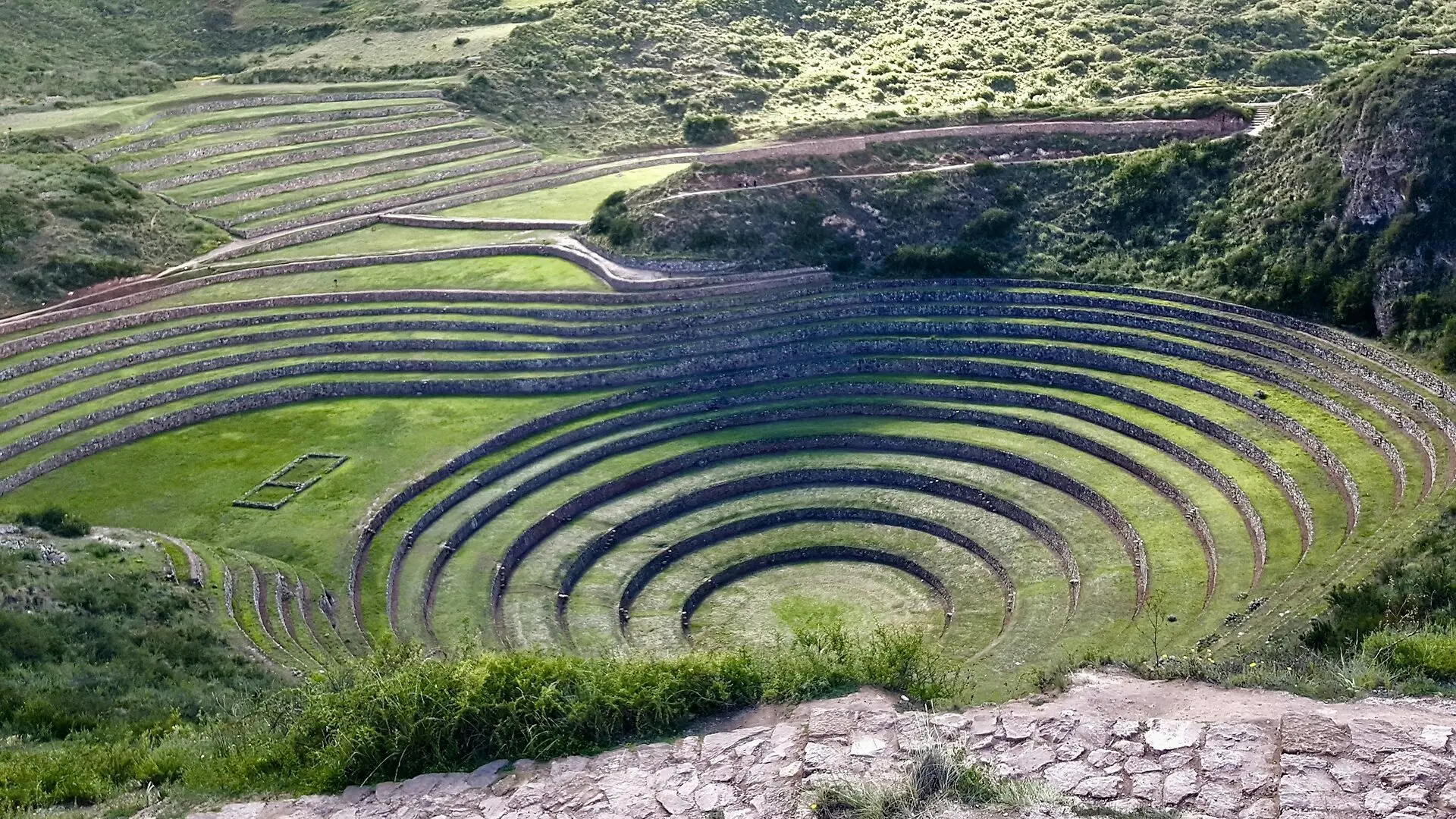
Centuries before modern industrial farming reshaped global landscapes, scholars in the Levant recorded sophisticated agricultural practices that balanced ecological health with community survival. Today, historical analysis published in the book Sustainable Agroecology reveals that an eighteenth-century treatise compiled by polymath Abdul Ghani Al Nabulsi offers concrete lessons for contemporary food security and sustainable farming.
What Did the Eighteenth Century Levant Teach Us About Sustainable Farming?
During the seventeenth and eighteenth centuries, the Levant operated under a decentralized administrative system that allowed rural communities to preserve ancient agronomic traditions. These local methods blended inherited generational knowledge with Islamic environmental ethics, creating a resilient agroecological model that sustained rural populations for generations. While the region currently imports nearly 80 percent of its agricultural needs, historical records show a time when local self-sufficiency was the norm.
The core of this historical framework is captured in a 222-page agricultural treatise titled Ilm el-Milaha fi ‘Ilm el-Filaha, compiled by Al Nabulsi in Damascus. The work synthesized centuries of indigenous knowledge, drawing from earlier texts and his own observations across the region. As detailed in work published in Sustainable Agroecology, the text outlines a philosophy of land use where soil, water, and crops were managed through collective responsibility rather than corporate dominance.
How Did Ancient Farmers Manage Soil and Pests Without Chemicals?
Al Nabulsi documented meticulous methods for maintaining soil fertility and repelling pests without synthetic inputs. Farmers utilized companion planting, polyculture, and organic amendments to create closed-loop systems where waste was minimized. For example, specific tree pairings such as pomegranates and myrtles were planted together to boost fruit abundance through natural ecological synergy.
The treatise also detailed natural pest control strategies, such as using specific wood ashes and botanical mixtures to protect crop roots from damaging worms and insects. Soil preparation followed rigorous seasonal schedules, with farmers digging deep pits a year in advance to maximize moisture retention and aerate the earth for root development. These practices directly parallel modern agroecological principles that emphasize biodiversity and soil regeneration over chemical dependency.
Can Lunar Cycles and Traditional Water Management Guide Modern Agriculture?
Beyond soil care, traditional Levantine farming relied heavily on observable natural rhythms, including lunar phases and seasonal star cycles, to time planting and harvesting activities. Al Nabulsi noted that crops such as cucumbers, squash, and legumes exhibited better growth and fruit yield when sown during the waxing of the moon, an approach supported by emerging modern research into plant development.
Water management was equally decentralized and community-driven. Wells and irrigation canals were constructed and maintained through cooperative labor agreements, ensuring equitable access across water-scarce terrain. These historical insights demonstrate that long-term agricultural resilience depends on local autonomy, ecological stewardship, and the active participation of the communities working the land.
The research was published in Sustainable Agroecology on January 1, 2027.
This article has been fact checked for accuracy, with information verified against reputable sources. Learn more about us and our editorial process.
Last reviewed on .
Article history
- Latest version
Reference(s)
- Ghandour, Adel., et al. “Resilient Roots: Reviving Early Modern Levantine Practices for Agroecological Transformation.” Sustainable Agroecology, November 6, 2026, pp. 181-202. Springer Nature Singapore, doi: 10.1007/978-981-92-4353-2_9. <https://doi.org/10.1007/978-981-92-4353-2_9>.
Cite this page:
- Posted by Karan Das