Solar Eruption May Bring Northern Lights to 11 US States This Thursday Night
A powerful solar eruption could trigger vibrant northern lights across 11 U.S. states this Thursday night as geomagnetic activity hits Earth.
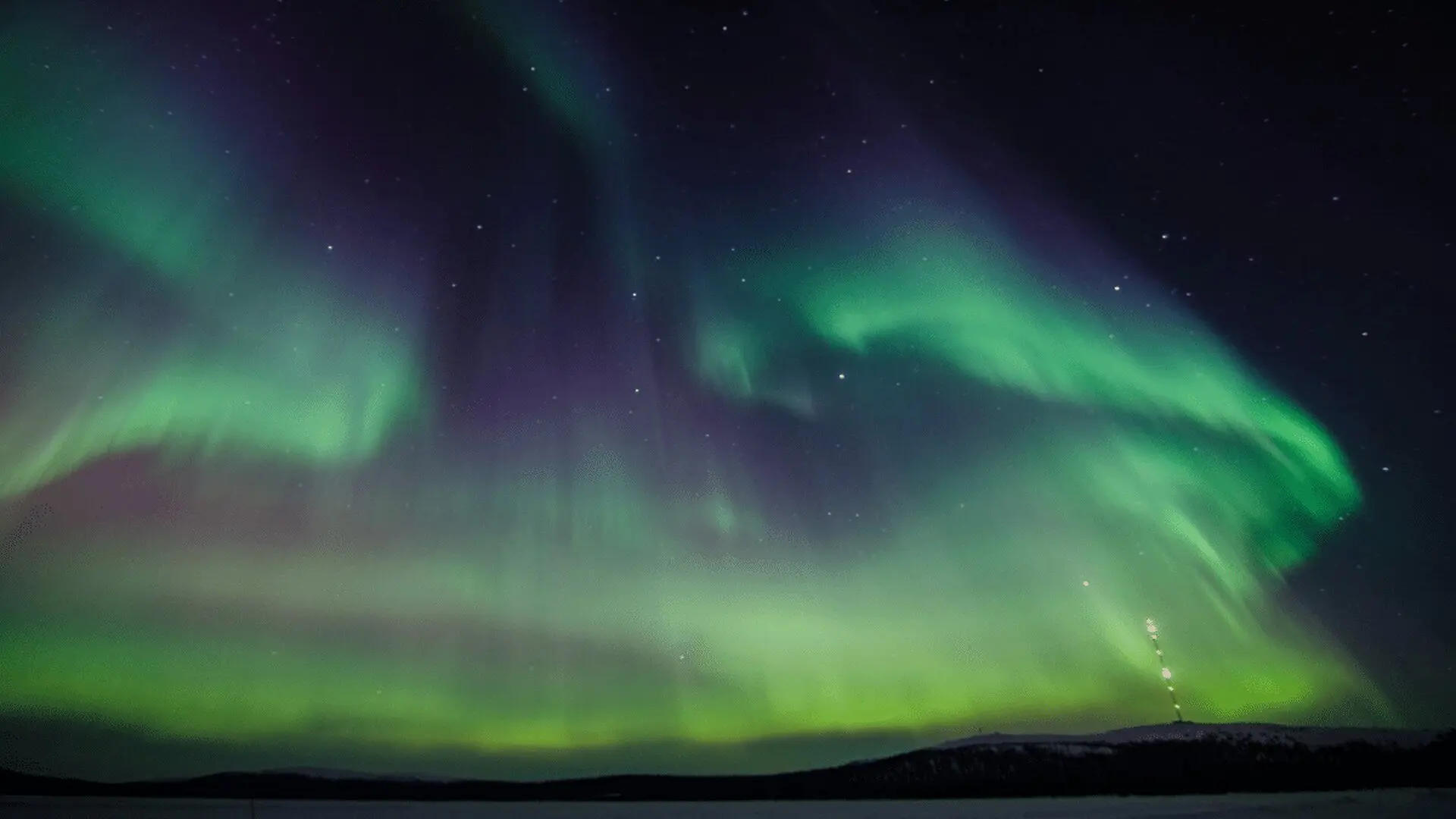
Skywatchers across the northern United States may have a rare opportunity to catch a glimpse of the northern lights later this week. Following a solar eruption on September 28, the National Oceanic and Atmospheric Administration (NOAA) has issued a forecast suggesting that G1 minor geomagnetic storm conditions could reach Earth between Thursday, October 1, and Friday, October 2.
Solar Plasma Set for Near-Earth Passage
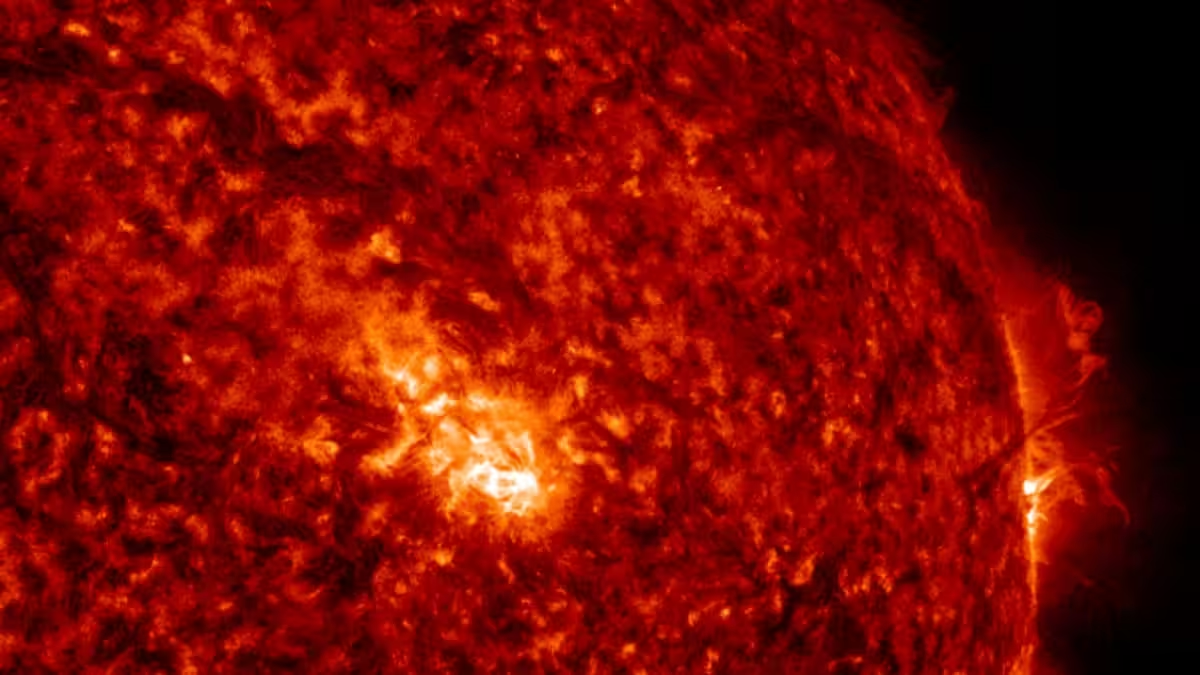
The upcoming celestial display is the result of a coronal mass ejection (CME) observed leaving the Sun late last month. While the solar material is not on a direct collision course with our planet, it is expected to pass close enough to interact with Earth’s magnetosphere. This glancing encounter depends heavily on the speed of the solar wind and the orientation of its magnetic field, both of which determine how much solar energy enters our upper atmosphere.
When charged solar particles strike nitrogen and oxygen atoms, they trigger the luminous, shifting displays known as the aurora borealis. The success of this week’s event hinges on the magnetic alignment of the incoming solar wind; if the field is oriented southward, it can bypass Earth’s natural defenses more effectively, potentially pushing the auroral oval further toward lower latitudes.
Monitoring Geomagnetic Activity
NOAA’s Space Weather Prediction Center classifies the expected storm as a G1 event, which is the lowest tier on their five-level intensity scale. While these minor storms are common, they are typically sufficient to shift the auroral display into the northern reaches of the United States. Because space weather can be notoriously volatile, researchers rely on real-time data from deep-space instruments to confirm the solar wind’s density and speed as it approaches the planet.
Observers are encouraged to monitor the 30-minute aurora forecast once the solar material reaches the Earth, as this provides a more accurate, localized view of the auroral activity than long-range predictions.
Best Viewing Prospects Across the U.S.
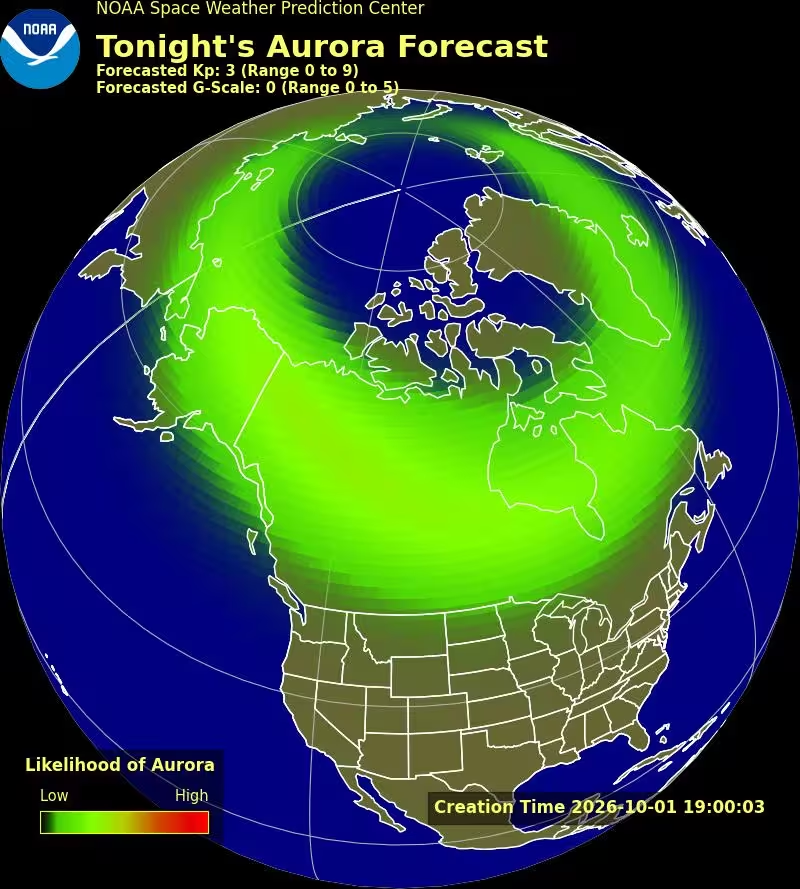
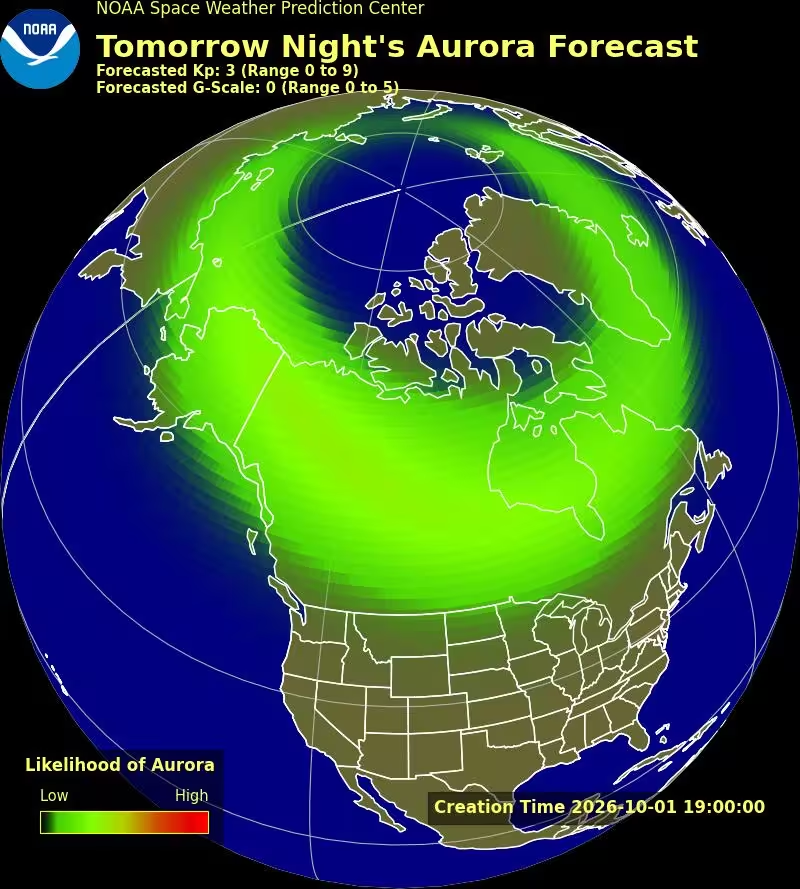
For those living in Washington, Idaho, Montana, North Dakota, South Dakota, Minnesota, Wisconsin, Michigan, Maine, Vermont, and New Hampshire, the conditions may be favorable for viewing. Proximity to the Canadian border remains the greatest advantage, as these northern latitudes require less geomagnetic intensity to see the lights.
Visibility experts advise that these displays often manifest as a faint, greenish glow or a pale gray band near the northern horizon rather than the vivid, dancing curtains often captured in professional long-exposure photography. Because human eyes are less sensitive to low-light color, enthusiasts might find that using a smartphone camera with a long-exposure setting reveals colors—such as soft purples and greens—that the naked eye misses.
This article has been fact checked for accuracy, with information verified against reputable sources. Learn more about us and our editorial process.
Last reviewed on .
Article history
- Latest version
Reference(s)
- “Forecast Discussion | NOAA / NWS Space Weather Prediction Center.” <https://www.spaceweather.gov/products/forecast-discussion>.
Cite this page:
- Posted by Karan Das