NASA Perseverance Rover Finds Mystery Rocks in Mars Geological Wild West
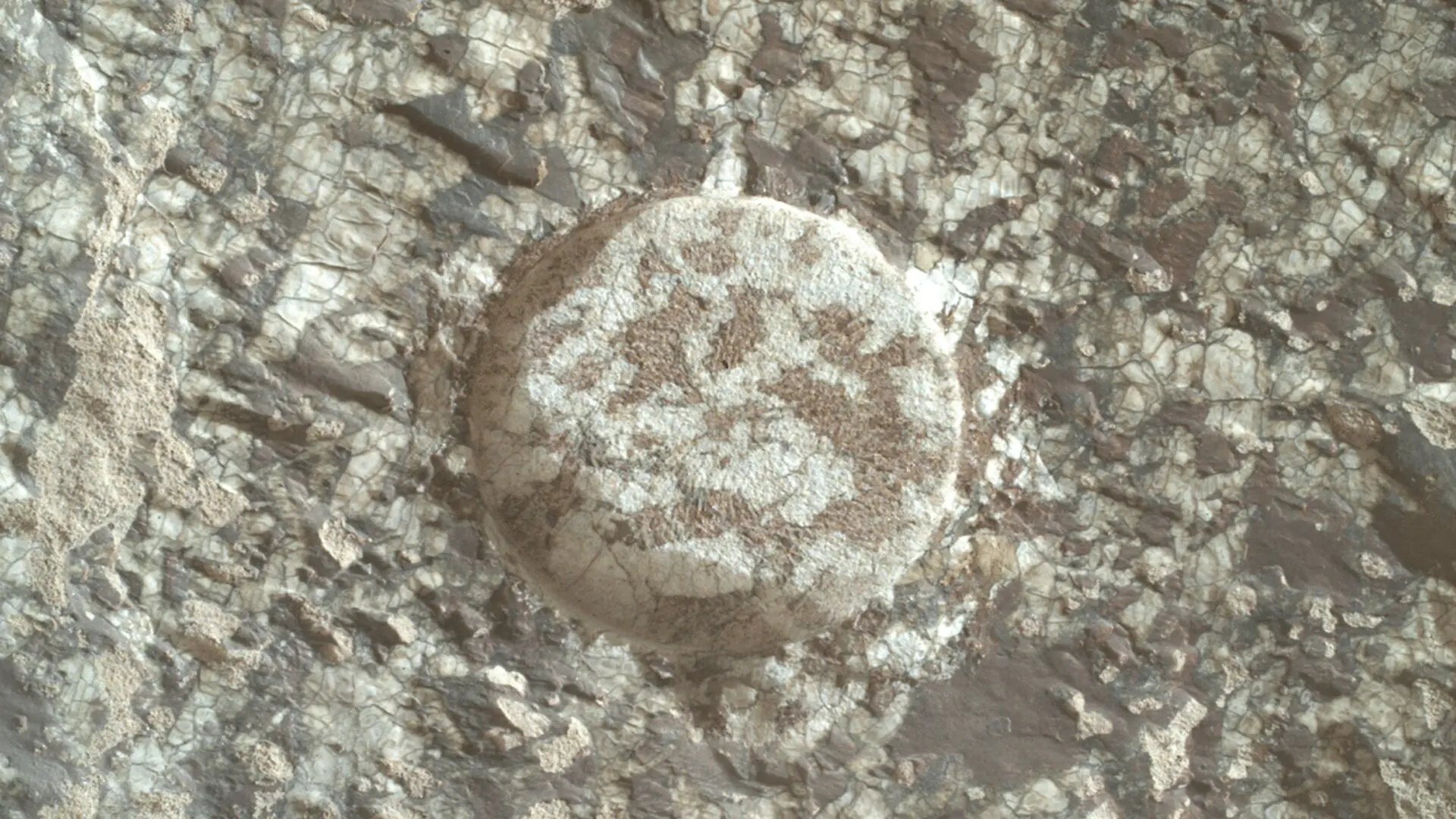
NASA’s Perseverance rover has discovered an unusually hard, light-toned Martian rock that resisted its first attempt to collect a core sample.
NASA’s Rover Probes Ancient Martian Catastrophes in Rugged Frontier
NASA’s Perseverance rover has ventured into a geologically chaotic region of Mars, a rugged expanse scientists are calling a “Wild West frontier.” Located west of the Jezero Crater rim, this area, known as Lac de Charmes, offers a rare, unobstructed view into the Red Planet’s violent and tumultuous formative years.
Throughout 2026, the rover has navigated through a complex landscape of ridges and valleys that predate the sedimentary layers found within Jezero. While the crater’s interior provided a window into Mars’ ancient watery past, the current expedition into Lac de Charmes is shifting the focus toward the planet’s early, fire-forged history.
Unlocking the Secrets of a Volcanic and Impact-Scarred Past
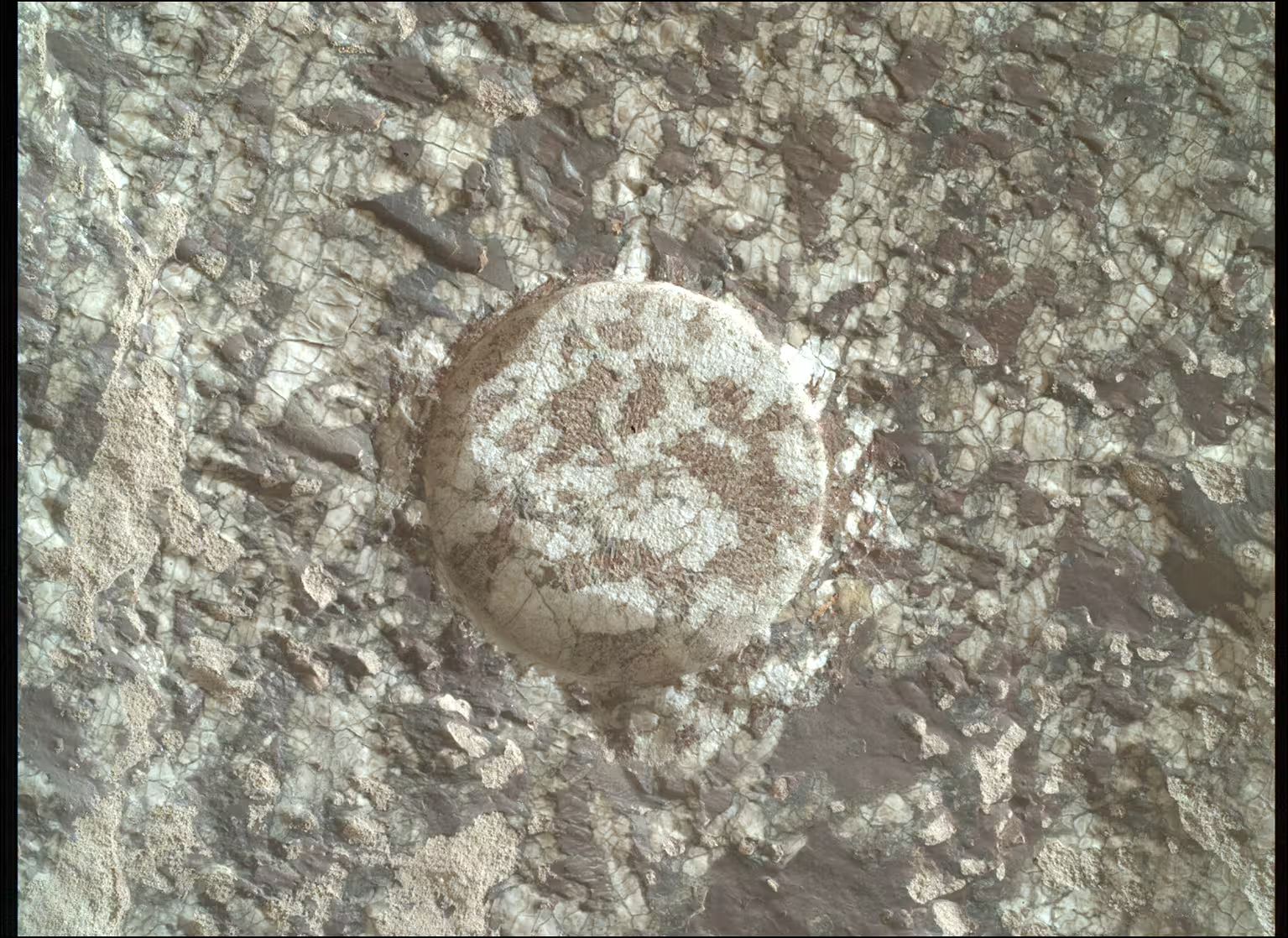
To decode the history of this region, the mission team has adopted a methodical approach, moving in a deliberate, looping pattern to compare diverse rock outcrops. This strategy has allowed the rover to generate 13 distinct abrasion patches, where its instruments grind away weathered outer layers to reveal pristine, unexposed rock underneath.
Initial findings suggest that the area is dominated by two primary forces: widespread volcanism and intense asteroid bombardment. According to a recent NASA update, many of the rocks analyzed exhibit characteristics of igneous origins, having solidified from cooling magma. Interspersed among these are impactites—rocks that were shattered, heated, or fundamentally transformed by the immense pressure and heat of cosmic strikes.
What has captured the attention of geologists is the discovery of rocks that appear to reflect both processes simultaneously. This evidence suggests that early Mars was a place of extreme, overlapping geological activity where volcanic construction and impact-driven destruction occurred in tandem.
The Challenge of Primeval Geology
The mission has not been without its difficulties. The terrain is remarkably unforgiving, and the scientific team has encountered at least one boulder so resilient that it resisted the rover’s sampling attempts. Despite the physical challenges, the ability to study these ancient, deep-crust materials remains a priority.
By mapping how these disparate rock types relate to the broader regional topography, researchers are attempting to reconstruct a timeline of the planet’s evolution. Each new data point gathered in the Lac de Charmes region serves as a puzzle piece, helping scientists understand the violent transition period that shaped the surface of Jezero Crater and the surrounding Martian highlands billions of years ago.
This article has been fact checked for accuracy, with information verified against reputable sources. Learn more about us and our editorial process.
Last reviewed on .
Article history
- Latest version
Reference(s)
- Carney, Stephen. “Mars Has Its Charmes - NASA Science.”, September 29, 2026 NASA <https://science.nasa.gov/blog/mars-has-its-charmes/>.
Cite this page:
- Posted by Karan Das