Rocket Debris Is Falling Back To Earth More Often And The Risk Is Growing
As space launch traffic surges, uncontrolled reentries of hardware are becoming an escalating safety concern for populations on Earth.
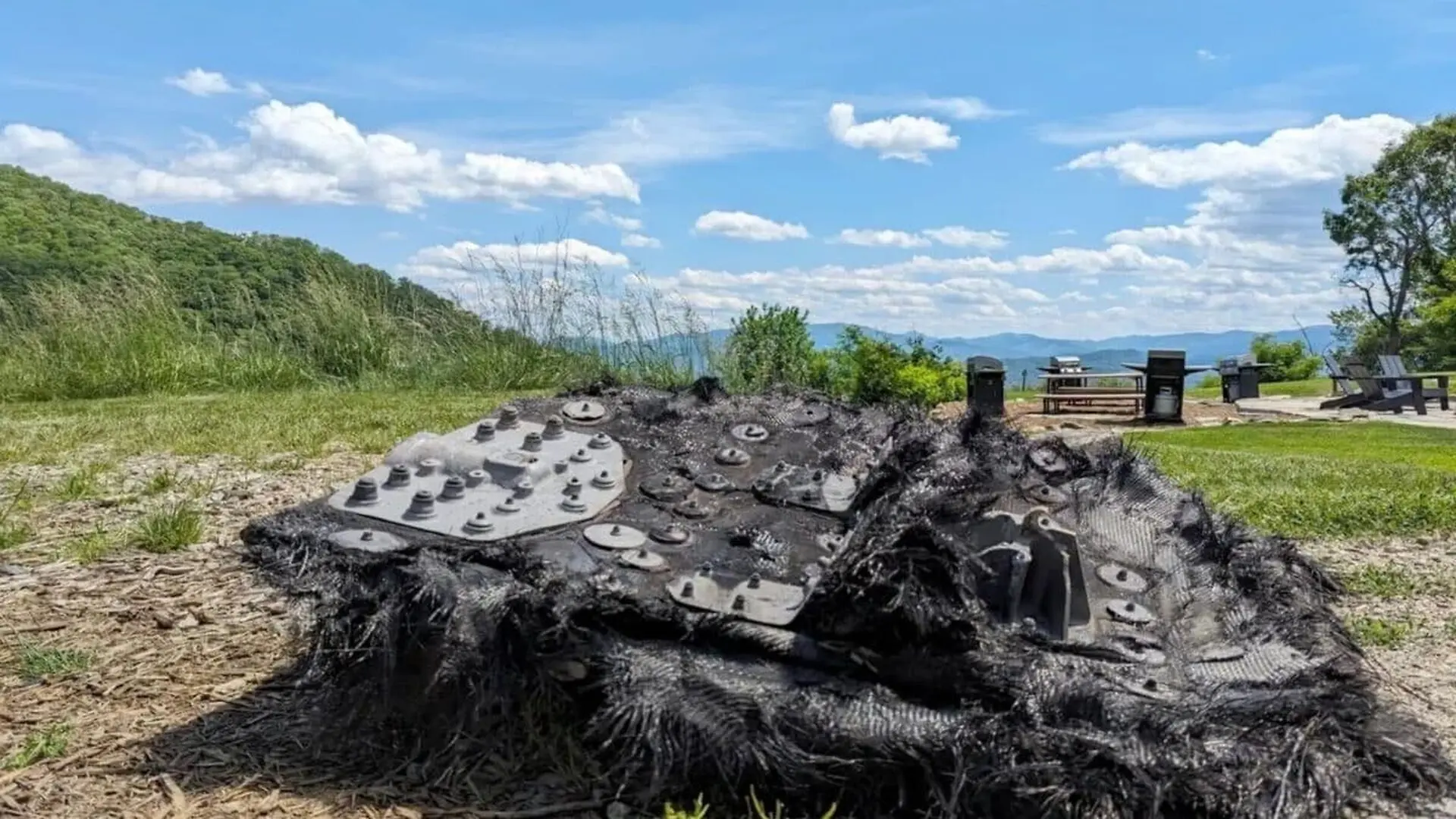
The intensifying pace of global space launches is pushing the limits of our orbital environment, with consequences that are increasingly felt here on Earth. According to the European Space Agency’s Space Environment Report 2026, a growing volume of spent rocket stages, defunct satellites, and orbital fragments are plunging back into our atmosphere, creating a rising hazard for populations, aviation, and ground infrastructure.
Rising Frequency of Uncontrolled Reentries
Data from 2024 reveals the scale of the challenge. Ewan Wright, a space environment researcher at the University of British Columbia, highlights that approximately 124 rocket stages made uncontrolled atmospheric descents that year—an average of more than two every week. While high-speed atmospheric friction destroys much of this hardware, denser, more resilient components frequently survive the journey to the surface. As launch frequency continues to climb, the volume of falling debris is following suit.
Citing ESA data, Space.com notes that the casualty risk from reentering upper stages reached roughly 4% in 2024, doubling the figures seen just four years earlier. While this represents a statistical aggregate rather than an immediate forecast, the cumulative danger is sobering. Wright warns that if current trends persist over the coming decade, the probability of a human casualty caused by falling rocket parts stands at approximately 33 percent.
A Growing Threat to Aviation Safety
Beyond the threat to those on the ground, the surge in space traffic complicates commercial aviation. The number of satellites orbiting Earth continues to expand, with nearly 10 new payloads launched daily and over three major pieces of space hardware reentering the atmosphere every day on average. This steady stream of falling objects intersects with critical flight paths.
While the likelihood of a direct mid-air collision remains low, the mere presence of reentering debris forces authorities to close or restrict airspace to maintain safety. These disruptions are becoming more frequent as the atmosphere fills with uncontrollable hardware, transforming space debris into a logistical challenge for the global transportation sector.
The Case for Mandatory Controlled Disposal
Experts argue that this mounting risk is largely avoidable. By mandating controlled reentries, operators could steer decommissioned hardware into uninhabited ocean regions rather than leaving them to fall randomly. Wright emphasizes that this should be a standard requirement, necessitating that spacecraft maintain sufficient fuel and navigation reliability throughout their operational life to perform final disposal maneuvers.
The ESA report underscores that while these risks are currently manageable, the trajectory is the primary concern. The agency emphasizes that the goal is not to sound an alarm regarding an imminent emergency, but to address an avoidable hazard that is growing in tandem with the commercial space industry.
The Long-Term Threat of the Kessler Syndrome
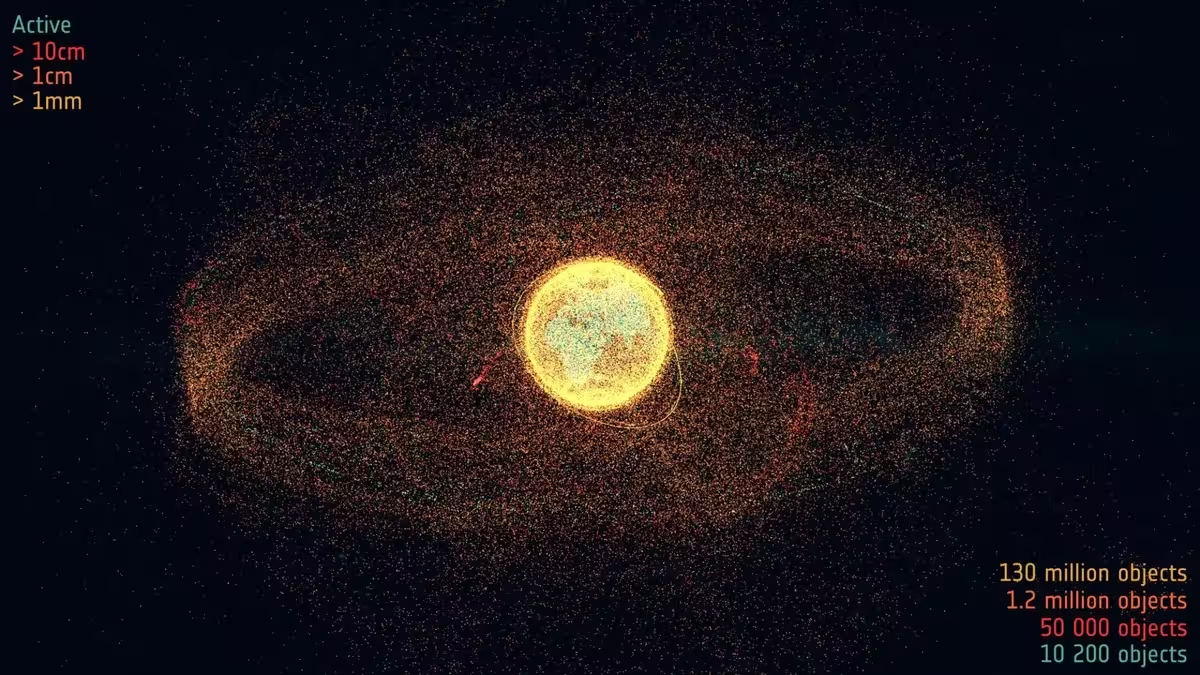
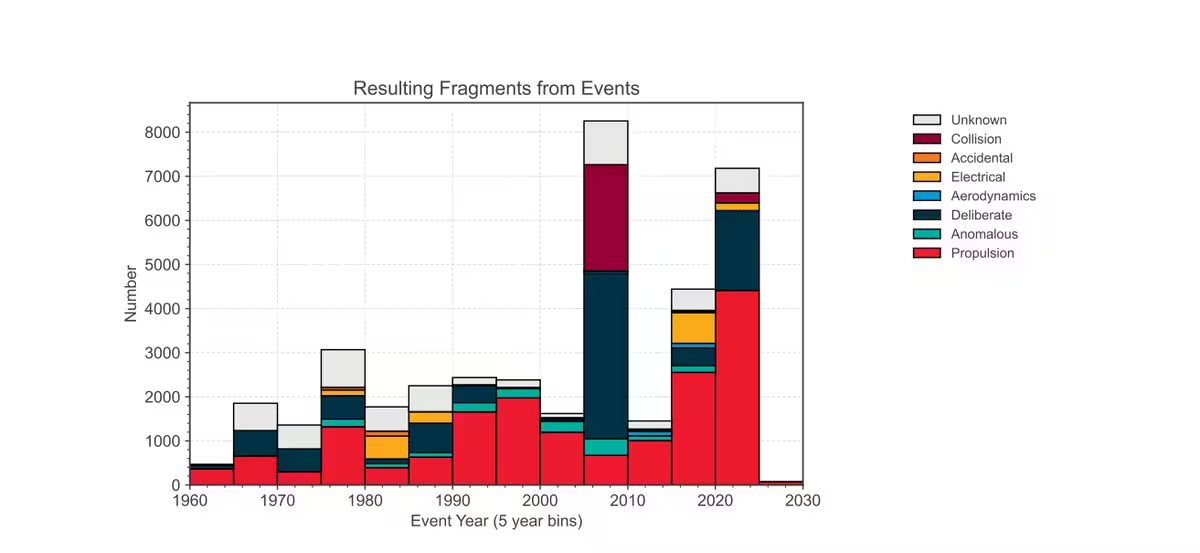
Orbital hazards extend well beyond reentry. In space, the accumulation of abandoned satellites and rocket fragments creates a high-velocity minefield. The risk of the Kessler syndrome—a scenario where collisions trigger a cascade of further impacts—remains a significant threat. ESA data indicates that the long-term impact of current space activities worsened by an order of magnitude in 2025 alone, suggesting that even if all launches ceased today, the population of orbital debris could continue to grow due to self-sustaining fragmentation events.
Improving Surveillance Against Rising Complexity
Since the inception of the ESA reporting series in 2016, tracking capabilities have improved significantly, particularly for objects in geostationary and low Earth orbits. However, these gains are being outpaced by the sheer volume of “unidentified” objects in space. Effective traffic management relies on precise identification, but as the orbital population becomes more crowded with legacy hardware and new fragments, monitoring systems face unprecedented strain.
The Imperative for Active Debris Removal
While industry adherence to debris mitigation standards is slowly improving, ESA warns that current efforts are insufficient. The agency asserts that active debris removal—the physical retrieval of dangerous, intact objects from orbit—will eventually be required to prevent the orbital environment from becoming unusable.
“Some indicators show that the interest in and adherence to space debris mitigation measures is on the rise,” the report points out, “but we need to be faster, more consistent and reliable. Without it, we are saddling future generations with a high price to pay for any activities in space.”
Successfully removing large, hazardous debris presents a complex web of technical and regulatory hurdles, including the need for advanced rendezvous technology and clear international frameworks regarding liability. As the space economy matures, the necessity for a dual approach—combining rigorous prevention of new debris with the active removal of legacy hazards—has become a central pillar of sustainable space exploration.
This article has been fact checked for accuracy, with information verified against reputable sources. Learn more about us and our editorial process.
Last reviewed on .
Article history
- Latest version
Reference(s)
- David, Leonard. “The risk of space debris falling to Earth and causing deaths and is growing, experts say.”, September 30, 2026 Space <https://www.space.com/space-exploration/satellites/the-risk-of-space-debris-falling-to-earth-and-causing-deaths-and-is-growing-experts-say>.
Cite this page:
- Posted by Karan Das