Saturn’s Moon Enceladus Is Naturally Sorting Its Ocean Into Ready To Sample Life Detectors
New research suggests Saturn’s moon Enceladus might be processing its own subsurface ocean material, offering a unique opportunity to study its chemistry.
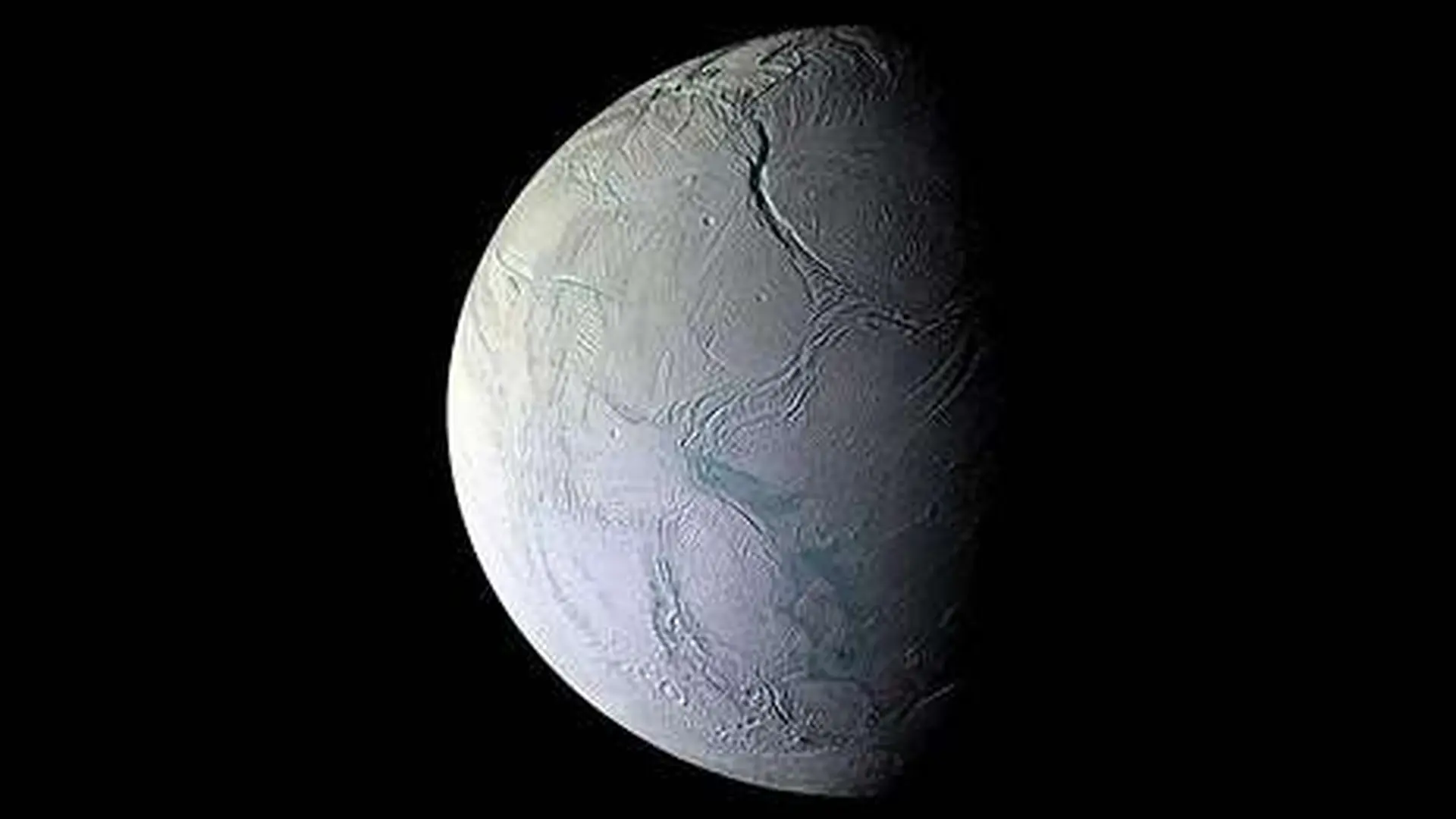
The search for extraterrestrial life has received a significant boost, as new research suggests that Saturn’s moon Enceladus may be naturally primed to deliver signs of biological activity directly to future space probes. An international team of scientists has discovered that the moon’s iconic cryovolcanic plumes, which blast material from a hidden subterranean ocean into space, function as an efficient, self-sorting sample delivery system.
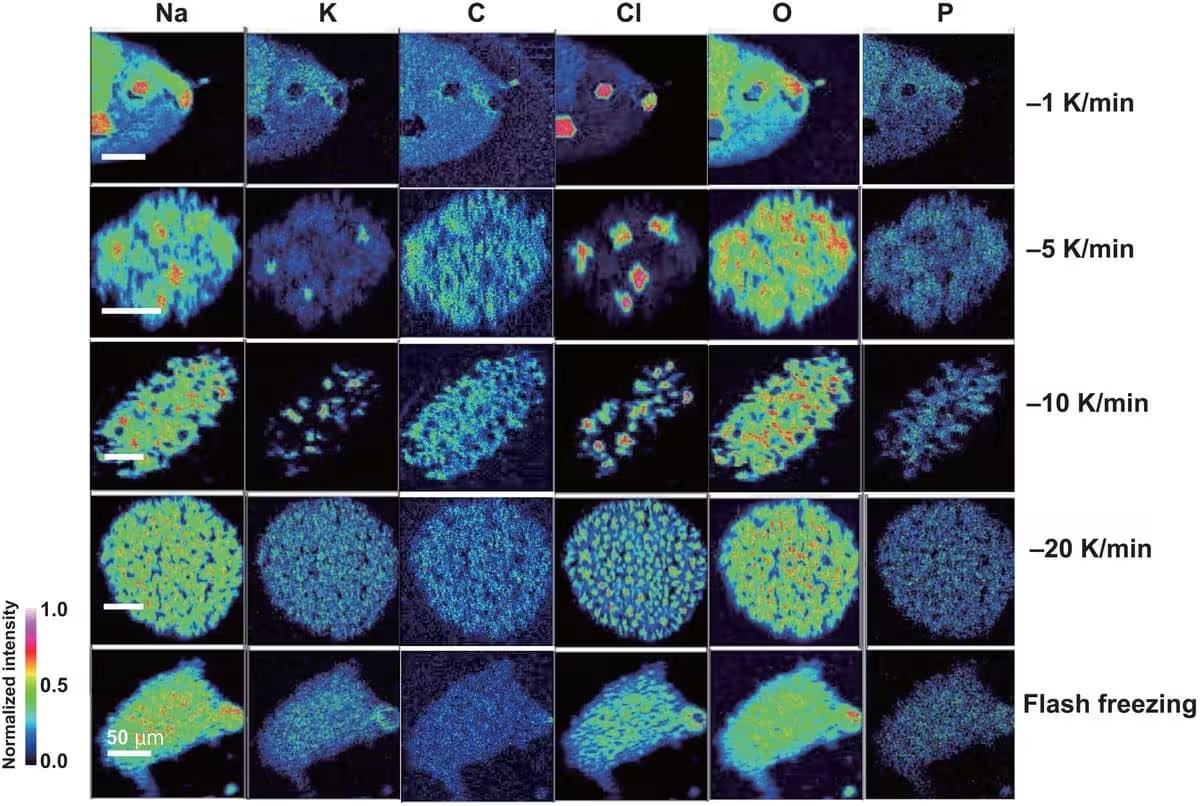
The findings, published in two separate studies in Science Advances, reveal that the process of freezing ocean droplets into ice grains is not an instantaneous affair. Led by Frank Postberg of Freie Universität Berlin, researchers found that as these droplets traverse the moon’s ice-crust fissures, they cool gradually. This slow transition allows various chemical compounds, such as salts and organic molecules, to separate and concentrate within individual ice particles before they are ejected into the vacuum of space.
Natural Mechanisms Mimic Lab Equipment
For decades, data from NASA’s Cassini spacecraft have indicated that Enceladus hosts a global liquid ocean interacting with a rocky core, a dynamic environment capable of supporting hydrothermal activity. The new study demonstrates that the plume’s physical behavior effectively acts as a pre-processing laboratory, performing the heavy lifting that researchers would otherwise have to replicate through complex chemical analysis on Earth.
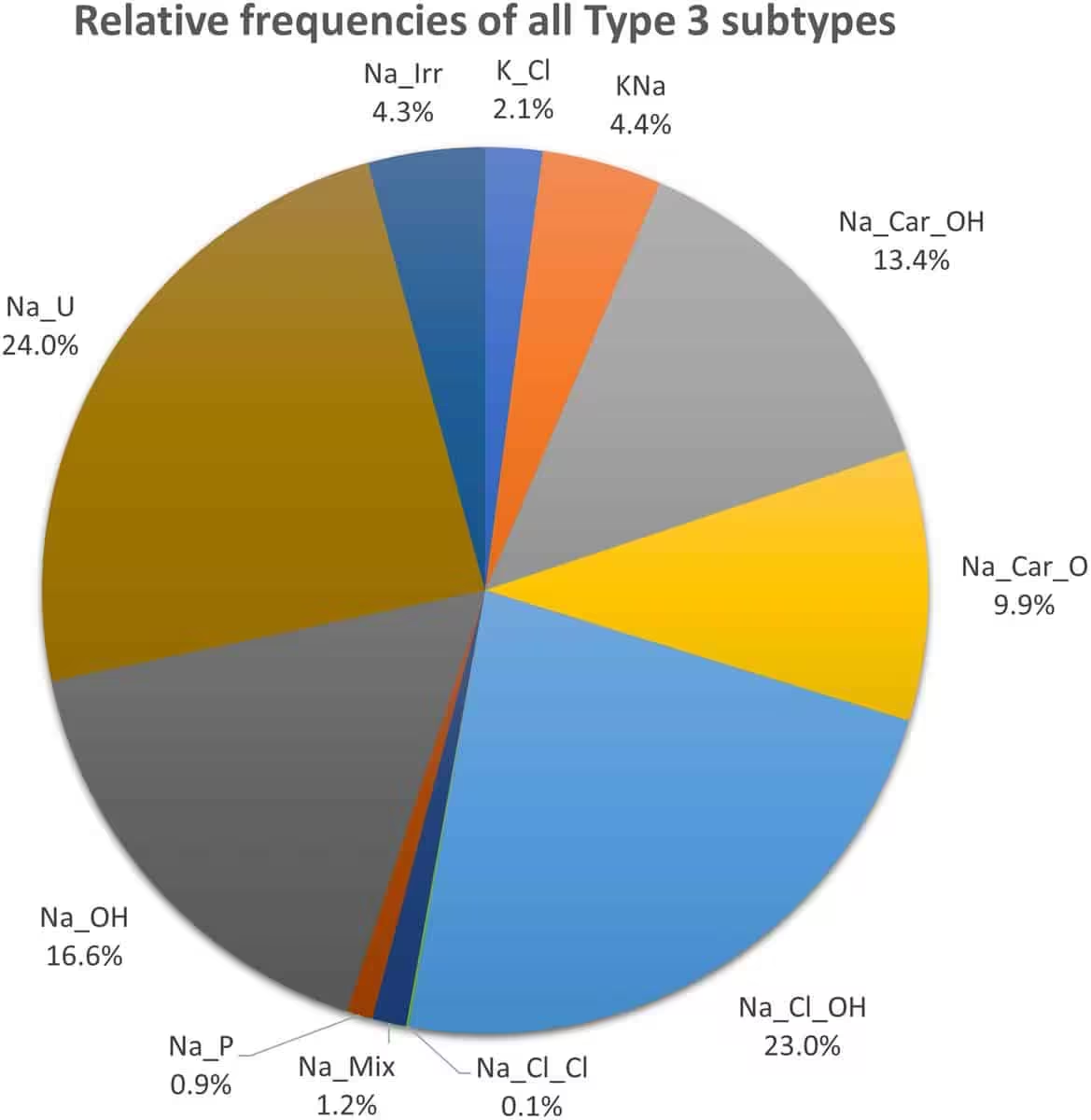
As the ice grains accelerate through icy fractures at speeds reaching 1,000 kilometers per hour, they collide with tunnel walls and fragment into tiny, micrometer-sized particles. This fragmentation and subsequent chemical sorting could trap potential biological markers in specific grains, making them far easier for future instrumentation to detect compared to a diluted, homogeneous mixture.
Microbial Potential in Harsh Environments
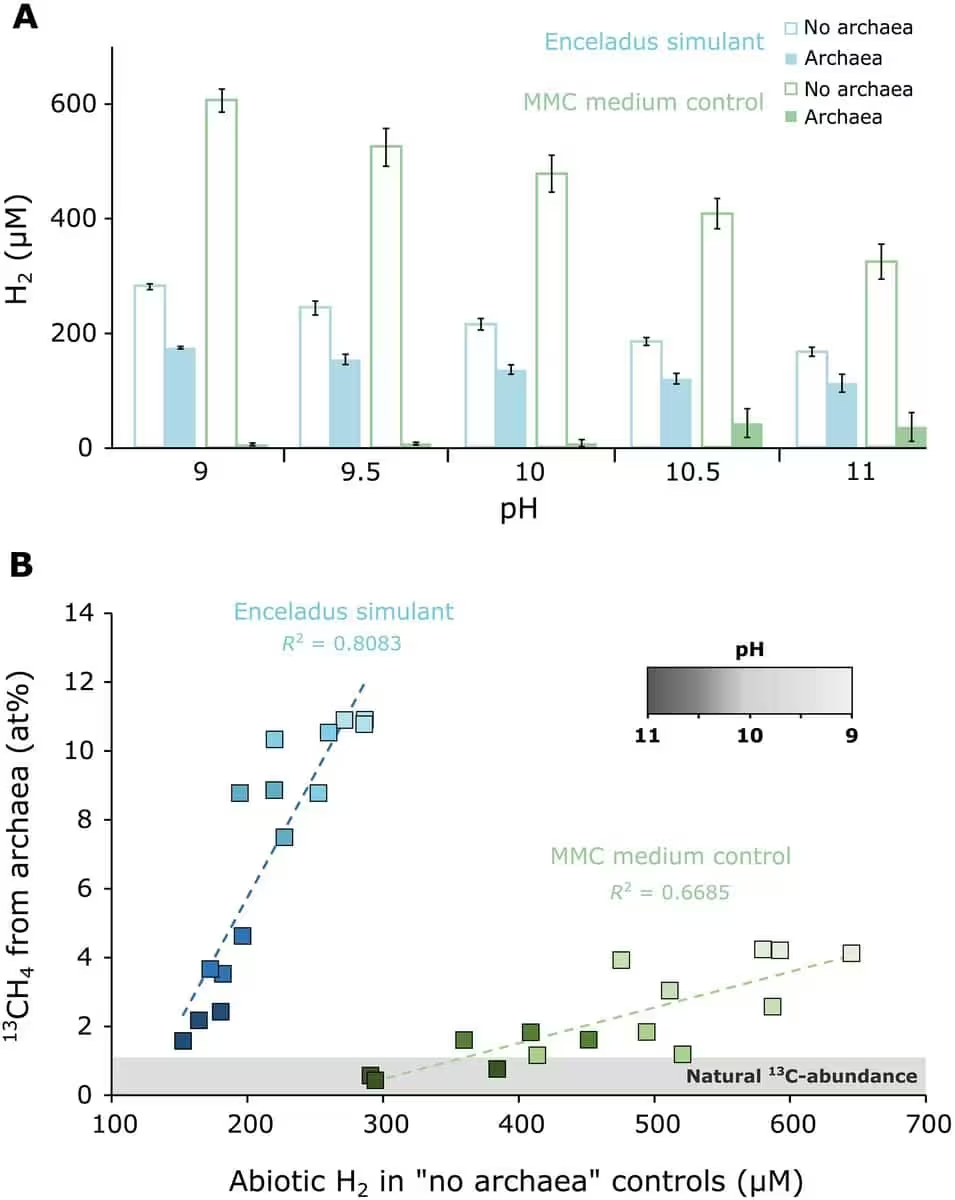
Complementing the findings on plume mechanics, the research team also explored the viability of life within the moon’s extreme environment. Using laboratory simulations, scientists modeled the high alkalinity—with pH values between 10 and 11—and the limited oxygen conditions characteristic of the moon’s internal ocean.
They introduced Methanothermococcus okinawensis, an archaeon that thrives near Earth’s deep-sea hydrothermal vents. Unlike most organisms, this extremophile does not require oxygen, instead metabolizing hydrogen and carbon dioxide. Contrary to initial expectations, the microorganisms not only survived but thrived in the simulated Enceladus conditions, successfully producing methane through the consumption of hydrogen—a process that could be occurring deep beneath the surface of the distant moon.
Commenting on the unexpected results, Nozair Khawaja, who contributed to the study, noted that the success of these microorganisms in such a challenging chemical setting was a significant surprise. By demonstrating that the moon’s natural processes effectively package ocean samples and that its internal environment can support terrestrial-analog life, these findings solidify Enceladus as a primary target in the quest to identify life elsewhere in the solar system.
This article has been fact checked for accuracy, with information verified against reputable sources. Learn more about us and our editorial process.
Last reviewed on .
Article history
- Latest version
Reference(s)
- Cermak, Alicia. “Enceladus - NASA Science.”, November 21, 2017 NASA <https://science.nasa.gov/saturn/moons/enceladus/>.
- Postberg, Frank., et al. “Cassini CDA observes compositional segregation of Enceladus’ ice grains from slow freezing and fragmentation of oceanic spray.” Science Advances, vol. 12, no. 39, September 25, 2026 American Association for the Advancement of Science (AAAS), doi: 10.1126/sciadv.aee7256. <https://www.science.org/doi/10.1126/sciadv.aee7256?__cf_chl_tk=PWzkHYYAddzypwUI6f7lX7pszOpw.j3zc16c.5AmT0s-1790460629-1.0.1.1-xCbOsFjRQhZZhdmM1xeVwa421FkYxXsLa1KyEk3_iTg>.
- “Prof. Dr. Frank Postberg.” <https://www.geo.fu-berlin.de/en/geol/fachrichtungen/planet/staff/professors/postberg/index.html>.
- “Dr. Nozair Khawaja.” <https://www.geo.fu-berlin.de/en/geol/fachrichtungen/planet/staff/team/khawaja/index.html>.
Cite this page:
- Posted by Karan Das